Last year, I published a review of Raising Cane’s tied to a then-surprising realization: fast food was getting expensive.
That reality hasn’t faded. If anything, it’s accelerated.
Along with groceries, the cost of dining out has soared, and it’s actively reshaping how — and how often — we eat. Value matters again. And not in the abstract. In real dollars.
Which brings us to Popeyes.
Popeyes single-handedly ignited the fried chicken sandwich wars in 2019 with the launch of its now-iconic fried chicken sandwich. It wasn’t just a hit — it was a cultural moment.
Food writers, food obsessives, and Reddit threads all converged on the same conclusion: this sandwich was great.
But in 2026, with fast food prices climbing across the board, the real question isn’t whether it’s good.
It’s whether it’s still worth it.
That’s what I set out to find.
The Vitals: the spot: Popeyes locations nationwide the eats: Classic Fried Chicken Sandwich the bucks: $5.49 the full nelson: is the iconic fast food fried chicken sandwich still worth it?
When Popeyes introduced the fried chicken sandwich in 2019, it cost $3.99.
Today, that same sandwich costs $5.49 — a 37% increase.
On paper, that sounds steep. In reality, a $6 sandwich that’s filling and well-executed is now the baseline in 2026. Whether at small chains, fast-casual spots, or food trucks, this is the new normal.
So the real test isn’t sticker shock — it’s value delivered.
Let’s start with the ugly.
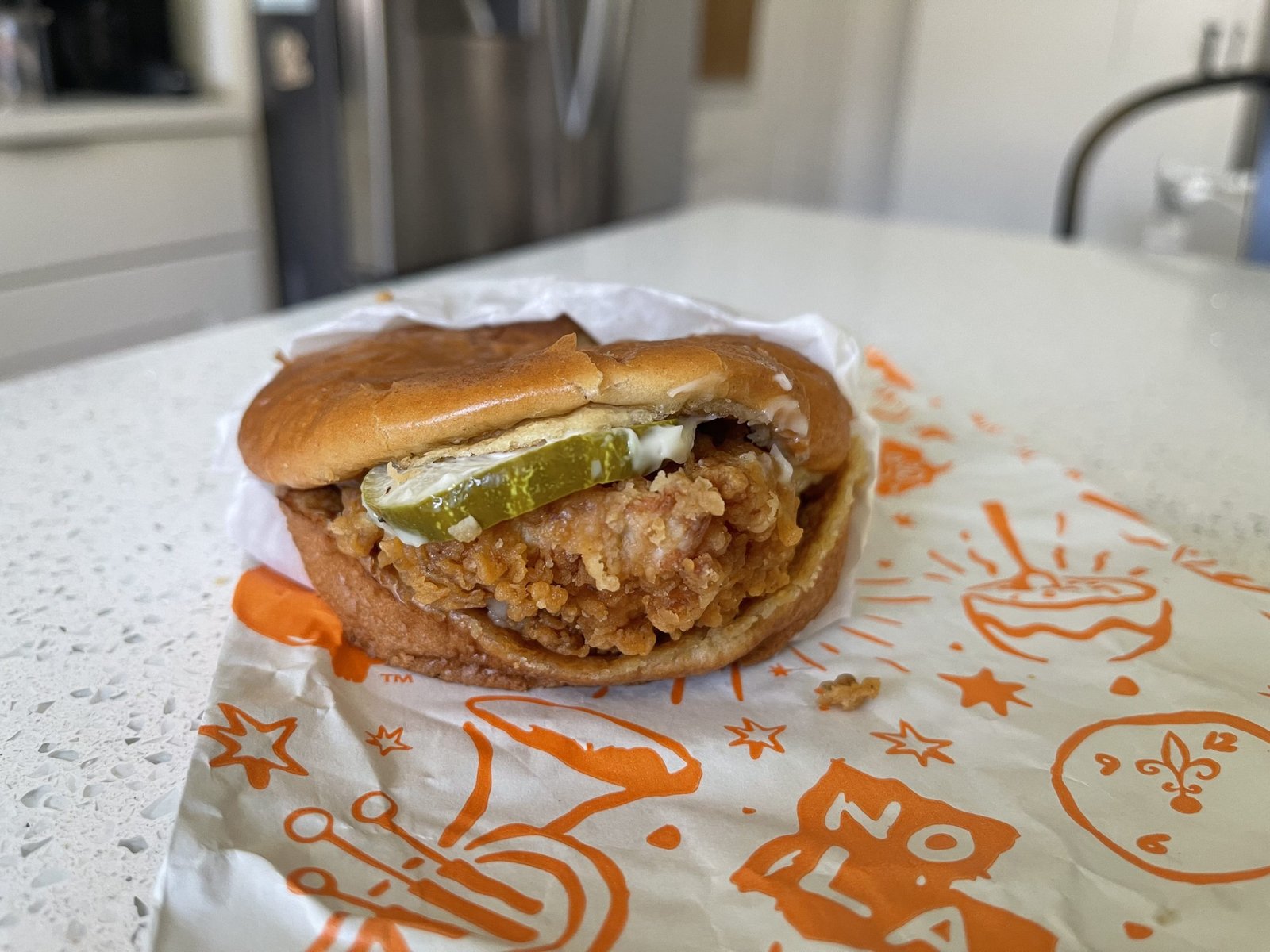
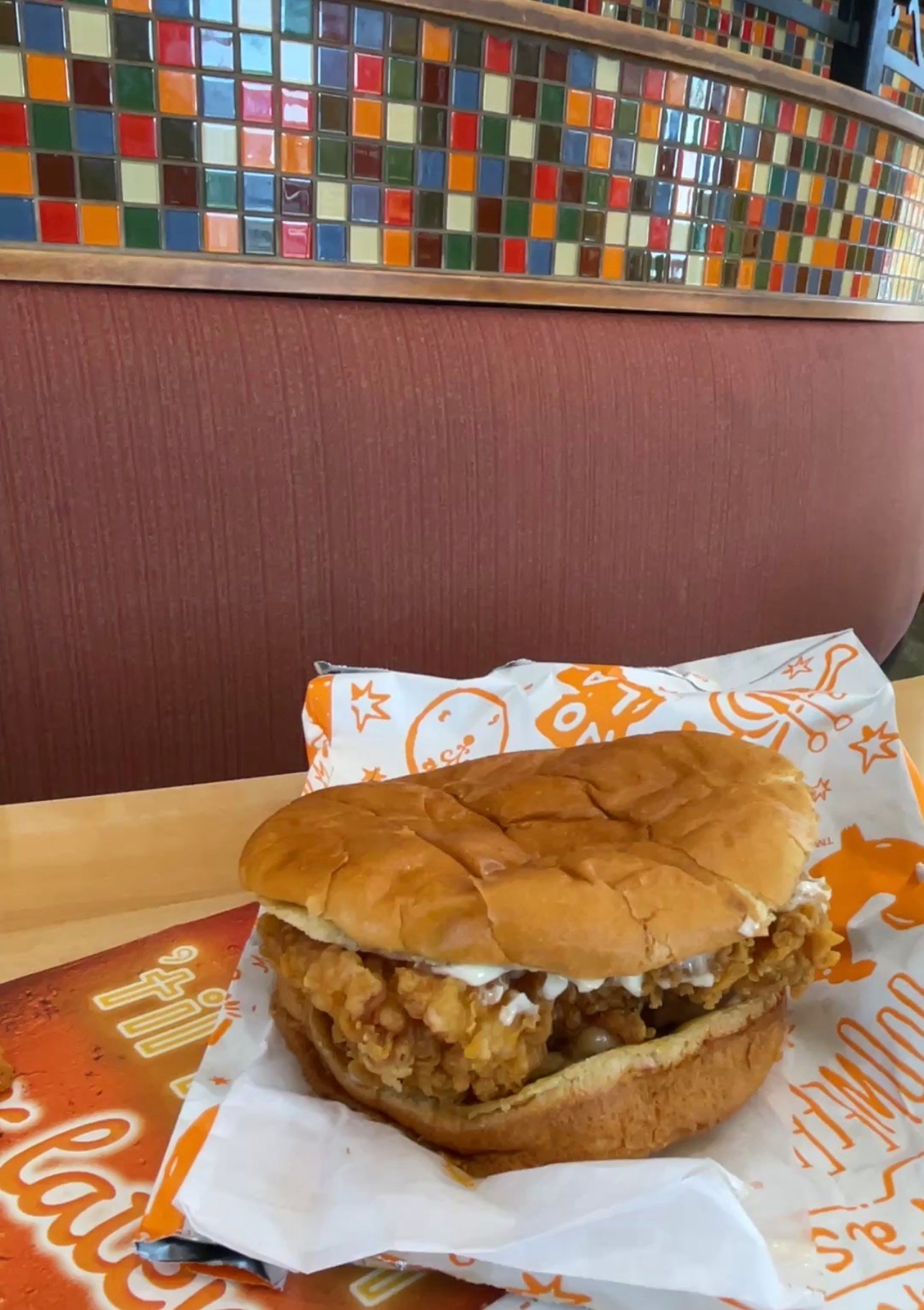
The Popeyes fried chicken sandwich is not served delicately. It arrives tucked into a folded wrapper, slightly smashed, with a brioche bun that often looks like it lost a fight with a panini press or a George Foreman Grill (remember those?). The pickles were limp. The mayo felt forgettable.
And none of that mattered.
The chicken was juicy, aggressively seasoned, and substantial. A real piece of fried chicken — not a skimpy cut hiding behind breading.
As someone who rarely eats fast food and has had plenty of highly regarded fried chicken sandwiches (Hattie B’s included), I was genuinely impressed.
And yes — this was my first time ever eating the Popeyes fried chicken sandwich.
Unequivocally, yes.
When compared to small chains and food trucks charging double — sometimes more — the Popeyes fried chicken sandwich delivers real value. The portion is competitive. The flavor holds up. And the experience is fast.
This is one of the rare moments where fast food still delivers on the promise that made it an American staple for decades: flavor, value, and efficiency.
I’d be remiss if I didn’t share the one factor that made this experience genuinely positive:
Choose your Popeyes location wisely.
Fast food loves to sell consistency as part of its DNA. Reality tells a different story.
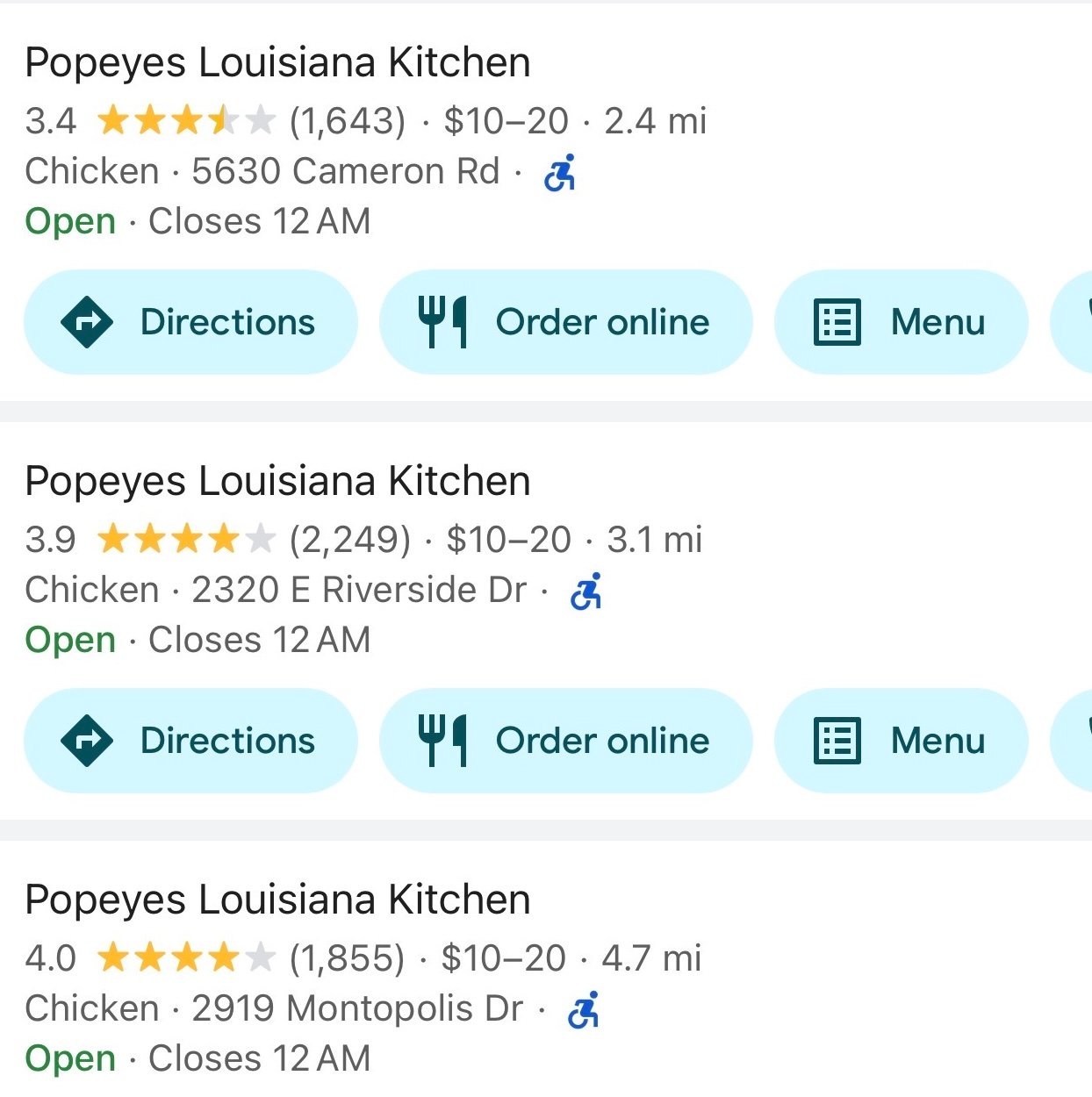
My solution is simple: use Google Maps.
I drove to a Popeyes with higher reviews instead of the closest one — and it made a difference. After filming the video review, an employee asked what I thought and mentioned she had worked at that location for six years. She talked about regular customers.
That kind of pride and care is something we usually associate with mom-and-pop restaurants — not national fast food chains.
But it was happening here. And it mattered.
This post is part of an ongoing series examining fast food chains through the lens of economics, value, and reality in 2026 and beyond.
If fast food is going to cost more, it needs to earn its place.
You can explore more in the series here:
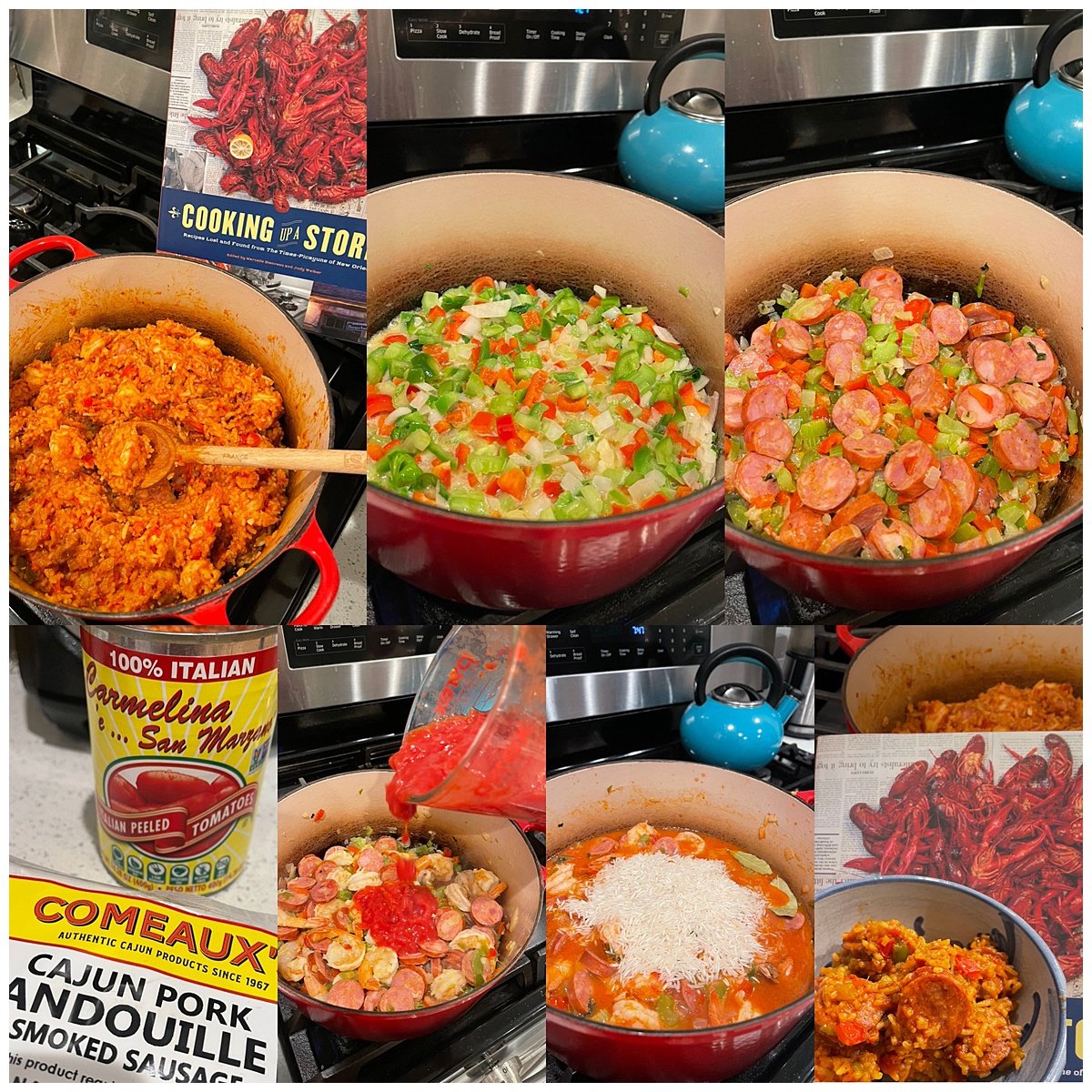
This is the best jambalaya I’ve ever had — and I make it at home.
This New Orleans–style red jambalaya leans on good andouille sausage, quality canned tomatoes, shrimp, and a long-grain rice that holds its texture. It’s rich, comforting, and even better the next day.
Below is how to make jambalaya my way, plus a few key tips that make a real difference.
(Serves 4–6)
6 tablespoons butter
½ cup chopped green onion (white and green parts)
½ cup chopped yellow onion
1 large bell pepper, chopped
1 cup chopped celery
1 garlic clove, minced
I use about 1 tablespoon; the original recipe calls for 1 teaspoon, which is nothing in my book
1 pound shrimp, shelled and deveined
1 pound andouille sausage
Use a good brand like Comeaux if you can
1 (16-ounce) can crushed tomatoes
Buy the good stuff here — it’s an easy upgrade
1 cup chicken broth (homemade preferred)
Salt, to taste
Cayenne pepper, to taste (don’t be weak in the knees)
2 bay leaves
1 cup long-grain rice (I use basmati)
Hot sauce, for serving (I’m a Tabasco man)
Melt the butter
Melt the butter in a heavy-bottomed pot (an enameled Dutch oven is ideal) over medium heat.
Cook the vegetables
Add the yellow onion, green onion, celery, bell pepper, and garlic. Cook until the onions are translucent, stirring often.
Tip: Add the garlic later if you’re worried about burning it.
Brown the andouille sausage
Add the andouille sausage and cook until it turns from pale pink to deep red with light browning. This step builds flavor.
Add the shrimp
Add the shrimp and cook just until they start to curl and turn pink. Shrimp cook fast — don’t overdo it.
Add tomatoes and broth
Stir in the crushed tomatoes and chicken broth. Season with salt, cayenne, and bay leaves.
Add rice and simmer
Stir in the rice, cover, and reduce heat to a low simmer. Cook until the liquid is absorbed, about 25 minutes.
Check at 20 minutes to avoid overcooking.
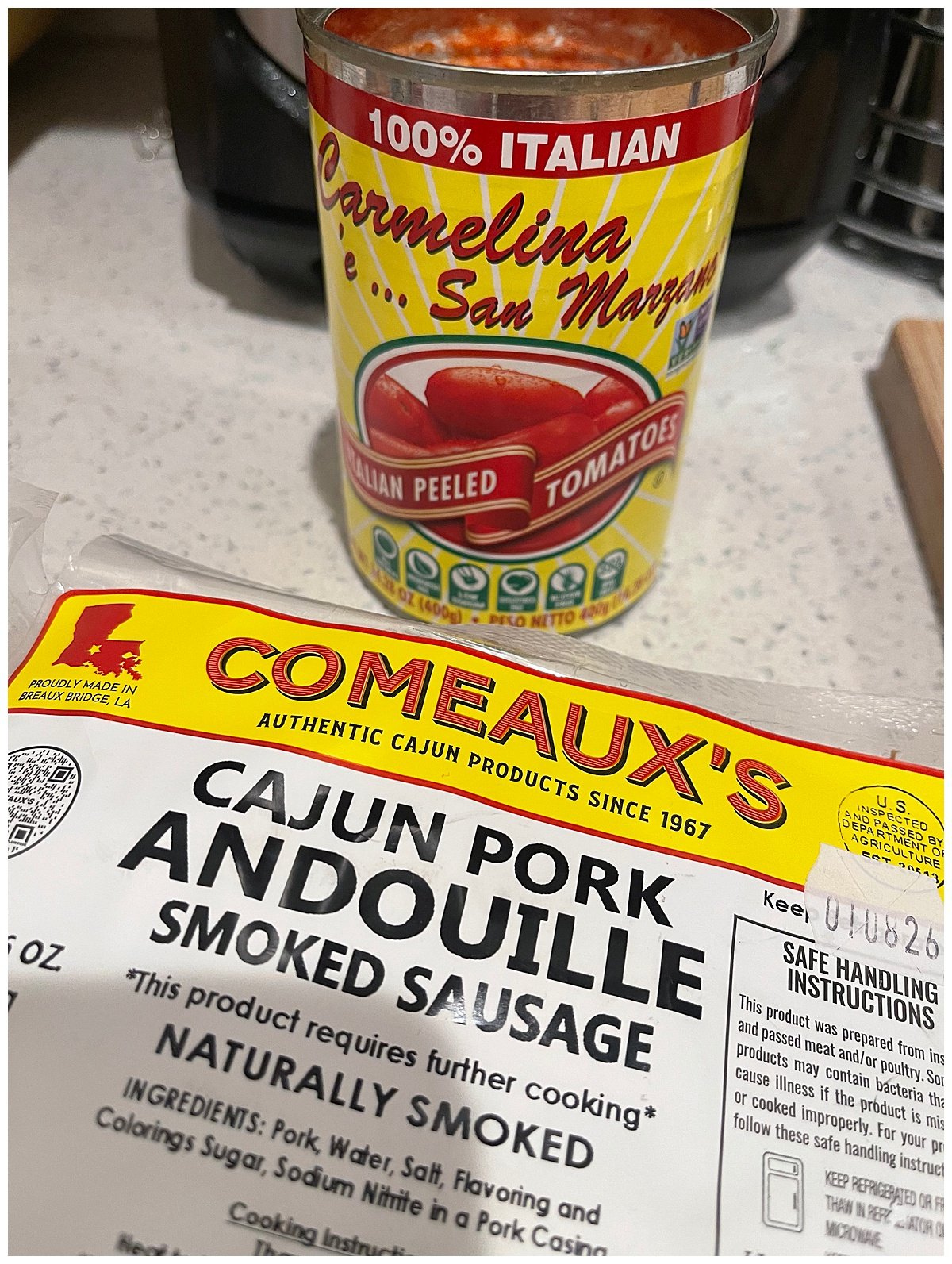
You’ll pay for quality andouille — especially outside Louisiana — but it matters. The sausage carries the dish.
Same goes for canned tomatoes: splurge here.
Recommended:
Comeaux Andouille
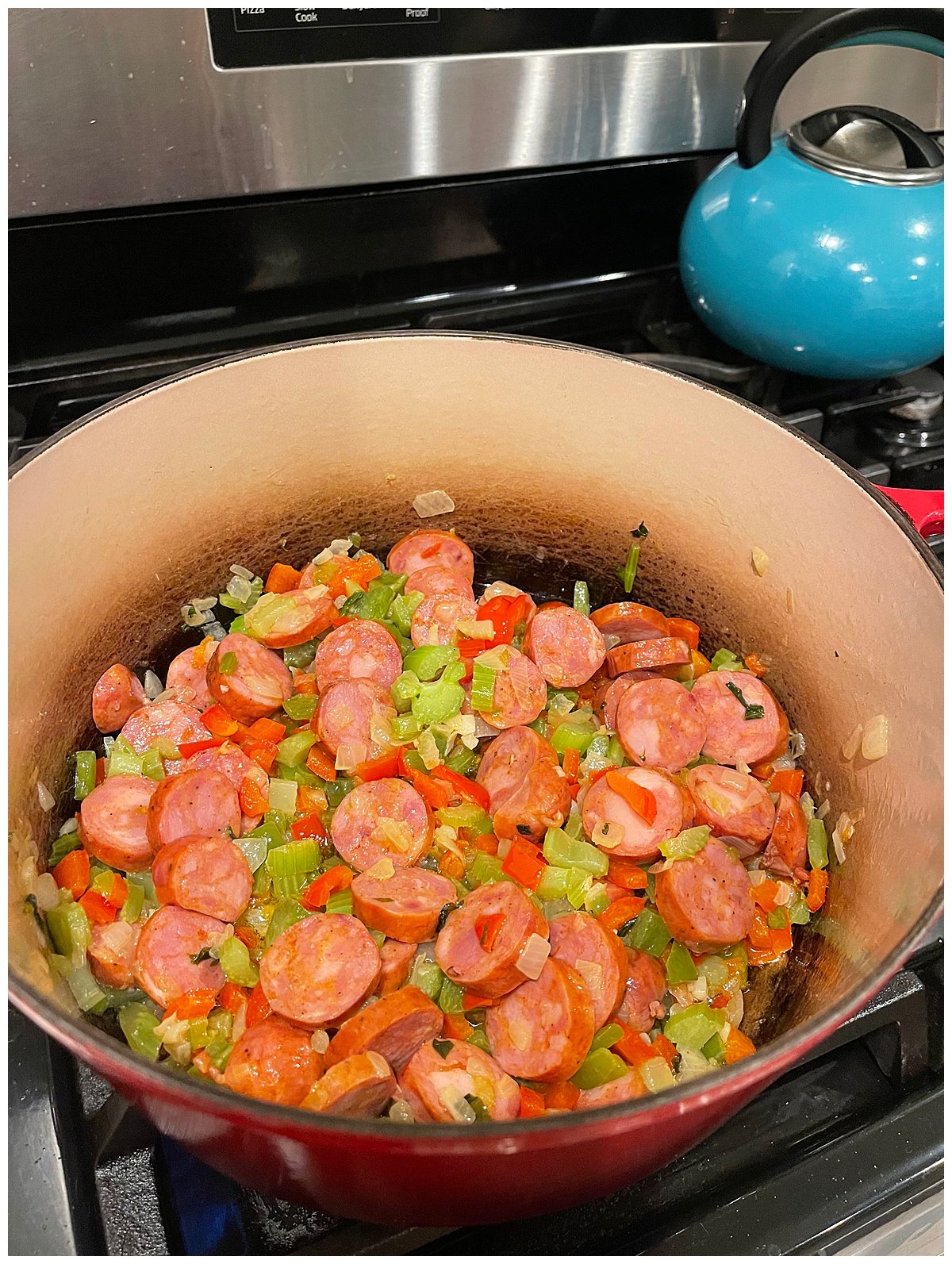
Shrimp take almost no time to cook. Add the sausage first to develop flavor.
If you want extra shrimp flavor, make a quick stock from the shrimp shells and use that instead of chicken broth.
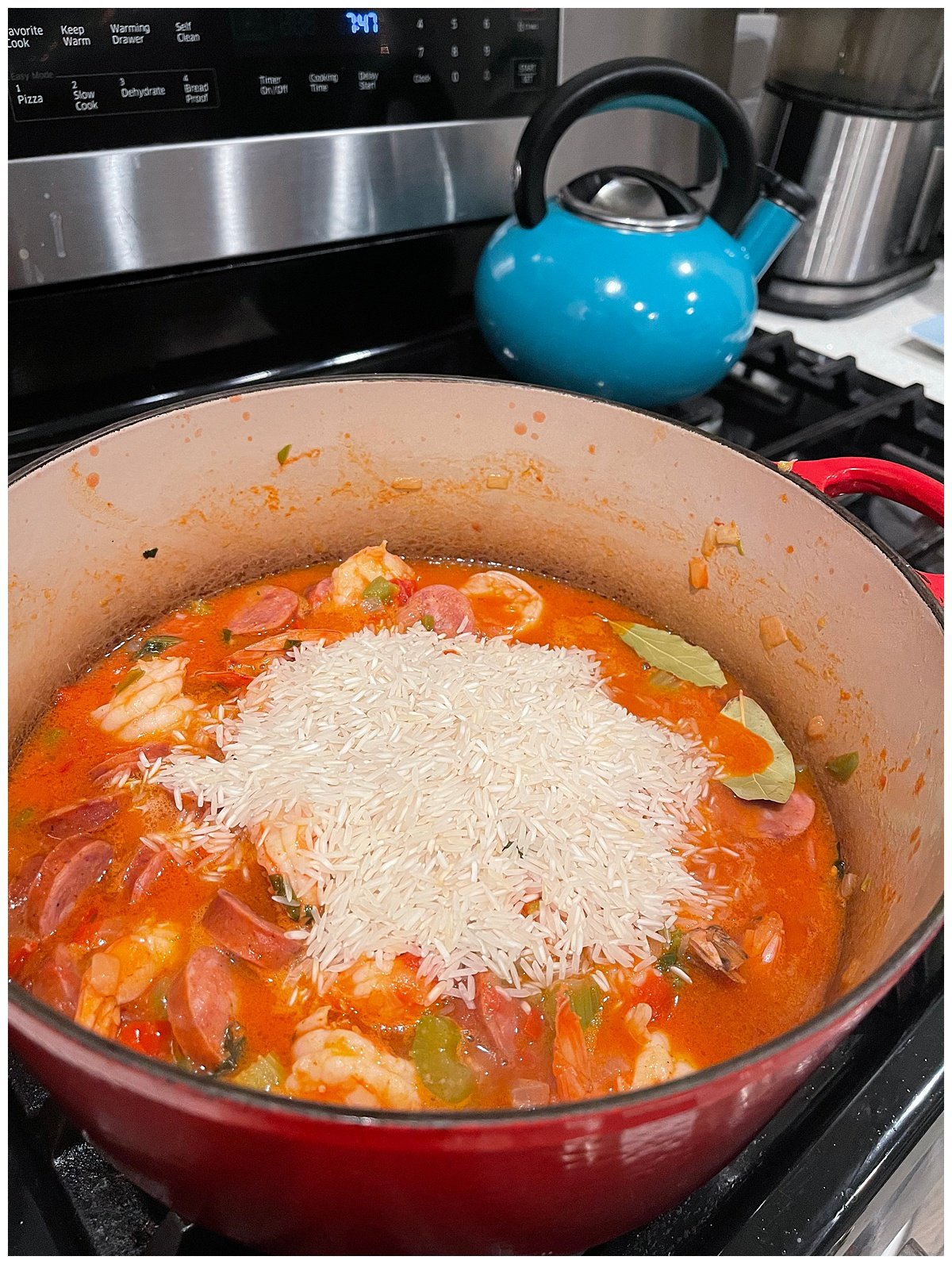
Firm long-grain rice is the right choice for jambalaya. Basmati works beautifully.
One of my favorite Cajun/Creole restaurants uses basmati in their gumbo, and I follow their lead.
Always rinse your rice until the water runs clear.
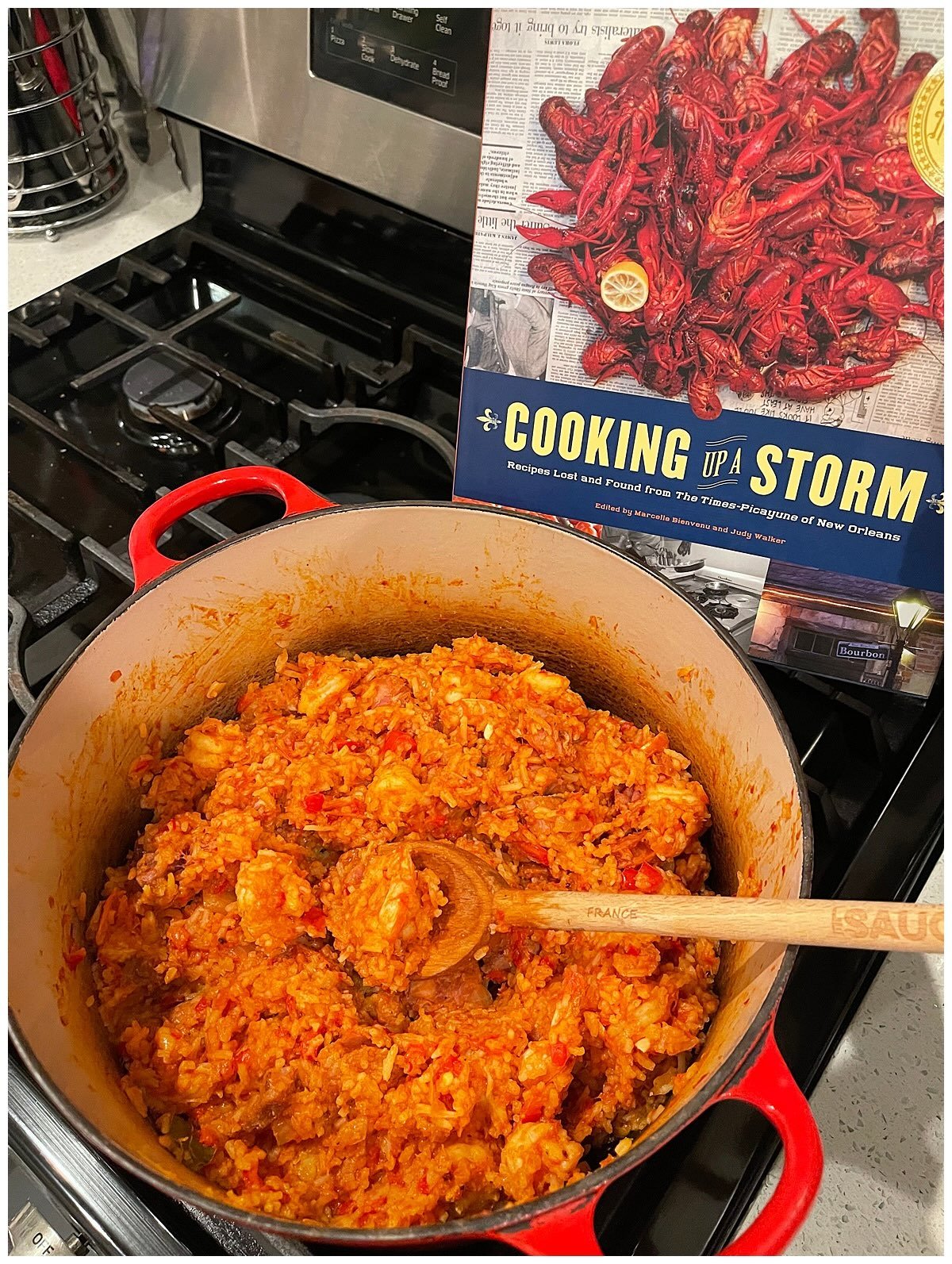
This jambalaya tastes even better after it cools — and it’s fantastic the next day.
It also makes one hell of a side dish with fried chicken.
If you love jambalaya, don’t overthink it. Make it at home. And don’t sleep on using good andouille — it’s the difference between “pretty good” and unforgettable. P.S. here is a link to the cookbook where I got the recipe: Cooking up a Storm
I wax poetic about this jambalaya — and why it means something to me — on my World’s Greatest Dad Substack:
👉 What’s Dad Cooking? Jambalaya My Way
https://worldsgreatestdad.substack.com/p/whats-dad-cooking-jambalaya-my-way
It’s been over ten years since my TV series Cheap Eats sent me across the country in search of affordable food.
Back then, it was a boom time for food trucks, the rise of farm-to-table (at least in marketing), and an American palate that felt increasingly adventurous.
Today, that palate is still hungry for the next big thing — maybe too hungry.
Food trends, fueled by TikTok and other short-form video platforms, have pushed us into a constant stream of birria ramen burritos, BBQ brisket biryani, and other Frankenstein-style mashups. As alarming as that might sound to more seasoned (ahem, older) food folks like myself, a far more serious villain has entered the chat:
The high cost of eating out.
When I filmed Cheap Eats, I had $35 to cover four meals: breakfast, lunch, snack, and dinner. The budget focused only on entrée prices — no tax, no tip, no drinks.
Even then, the number made sense.
Today, that budget feels like a time capsule from the pre-pandemic era. Since then, food costs have exploded. Restaurant wages are up. Rent, in many markets, has climbed right alongside them.
If I had to rebuild that budget for 2026? $80 feels reasonable. $70 would be a challenge.
For most of my adult life, grocery shopping meant sticking to the perimeter: meat, fish, produce, dairy. Frozen food barely registered.
Then I became a parent.
Then I became a parent to a teenage boy.
“Can we get Raising Cane’s?” he asked me at the start of 2025.
That question quickly became a habit — and an expensive one.
Raising Cane’s is a billion-dollar franchise built on a very simple premise: fried chicken tenders and a beloved dipping sauce that lands somewhere between remoulade and a more aggressive Thousand Island. It’s also shockingly expensive.
At our location, combos start north of $10 and can push close to $20 for bigger appetites.
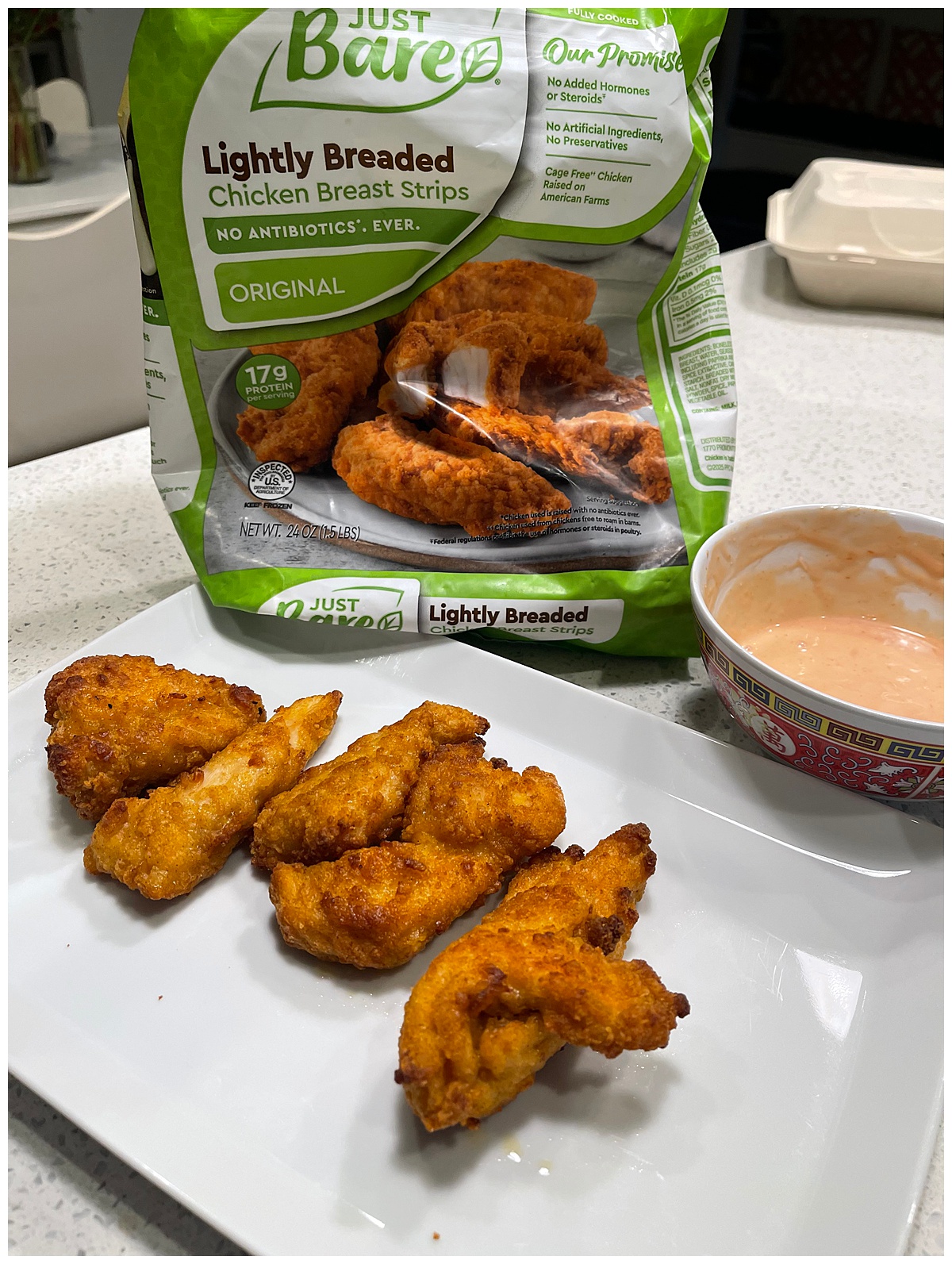
In an effort to curb my son’s Cane’s habit, I turned to the freezer aisle.
Specifically: premium frozen chicken tenders.
They aren’t cheap. At around $12 for a 24-ounce bag, you’re paying roughly 40% more than basic options like Tyson. But it’s still a significant savings compared to Cane’s.
I’ll jump straight to my son’s verdict:
“Not as good.”
Fair.
But here’s my take: premium frozen chicken tenders + an air fryer make a compelling substitute for fast food — both in price and convenience.
I’m not in the habit of eating fast food, or even fast-food knockoffs. But in my increasingly informed opinion, having a decent at-home alternative in a world where “cheap eats” barely exist anymore is a win.
Even if it isn’t as good as Cane’s.
Cheap Eats, as I knew it, may be gone.
But something else has taken its place.
Food tech — Instant Pots, air fryers, flattops, pellet grills — has given home cooks better tools and fewer excuses to overspend on dining out. And the freezer section? It’s quietly leveled up.
Even novice cooks can now compete with fast food that is no longer cheap.
And if you really want to replace Raising Cane’s at home?
I’ve got a recipe for their sauce.
Yeah. It’s that easy.
Series: Is Fast Food Worth It in 2026?
The Vitals: the spot: Chipotle Mexican Grill the eats: Burrito Bowl or really whatever floats your boat the bucks: $$ the question: Is Chipotle still worth it in 2026?
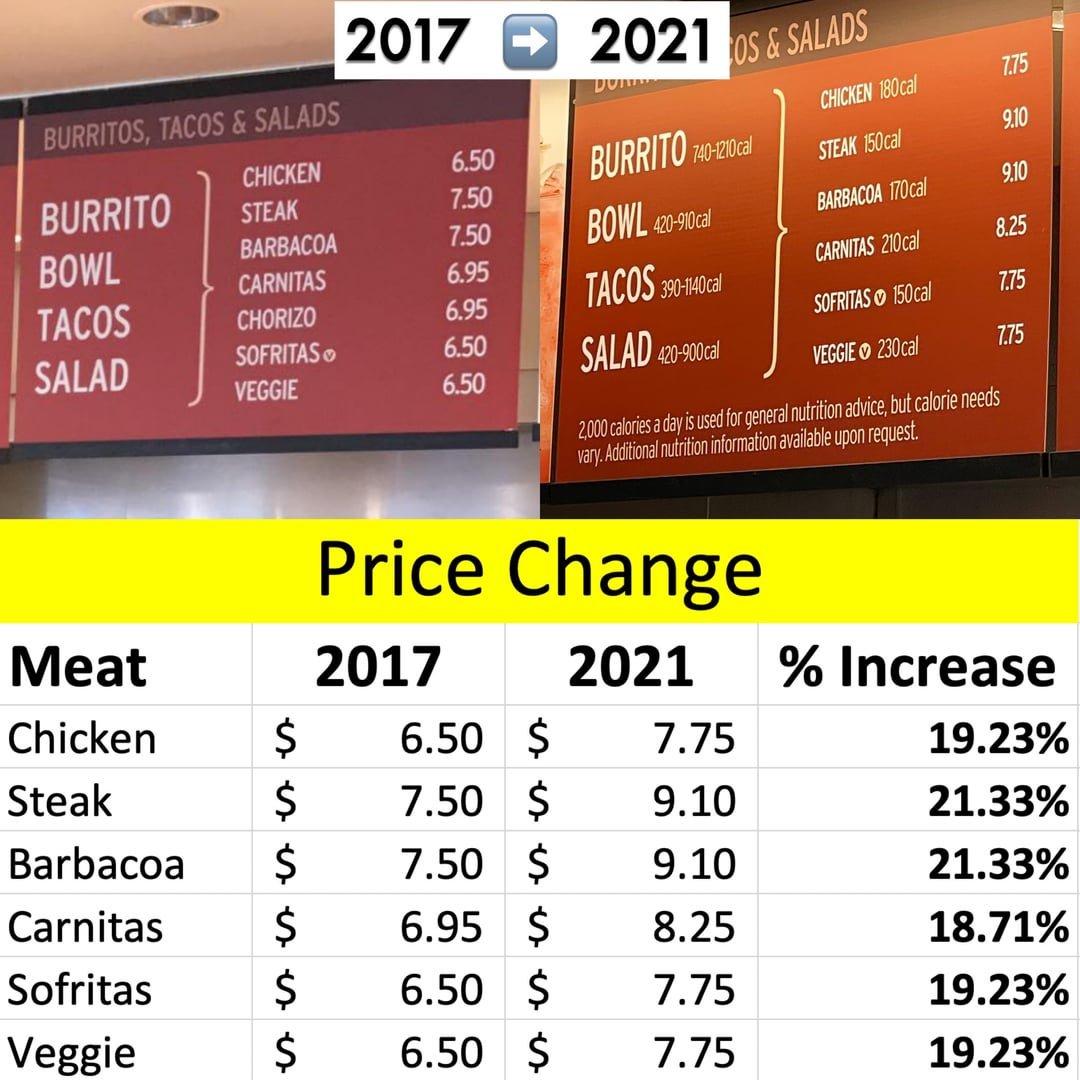
Fast food prices are up. Portions feel smaller. Menus are longer. And value — real value — has become harder to spot.
So instead of ranking chains or chasing hype, I’m asking a simpler question in this series:
Is this meal worth the money, time, and compromise right now?
This post is a companion to today’s YouTube video breaking down whether Chipotle still makes sense as fast food prices climb in 2026.
Chipotle is a good place to start because it sits right in the middle of the modern fast food value crisis — not cheap, not fancy, not nostalgic. Just… reliable fast casual in 2026.
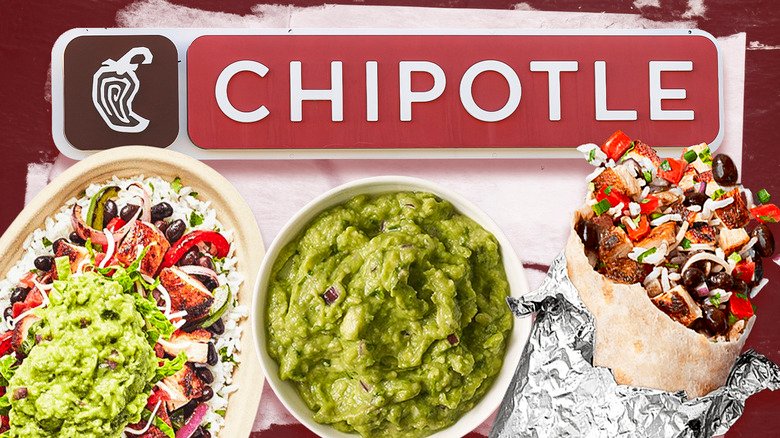
Chipotle is popular and everywhere. Full stop. Never mind the fact that it has its own community on Reddit and that the company is worth billions.
And yet, it’s a far cry from the burrito culture of long-standing taquerias and iconic neighborhoods where Mexican food is prominent — The Mission in San Francisco, Pilsen in Chicago. Chipotle isn’t trying to be that. It’s about convenience.
The food has equal appeal to foodies, fitness folks, and yes… even self-proclaimed “fatties” because — and I’ll admit this — it tastes decent. Good enough. Heck, I’d eat there on a road trip over something like Qdoba (which I’ve also never gone to, lol).
I suppose my foodie (food snob) standards push me over the edge. That, and I love skirt steak and guacamole.
Chipotle almost feels like getting lunch at Whole Foods. You’re presented with a sea of options and the opportunity to build something customizable — healthy, hearty, or both.
It feels like the rare place that can be agreed upon by consensus. Sure, it’s a far cry from a proper burrito at a late-night taco truck. But try convincing Karen from accounting to grab lunch somewhere with no seating and a menu entirely in Spanish.
Oh, Karen…
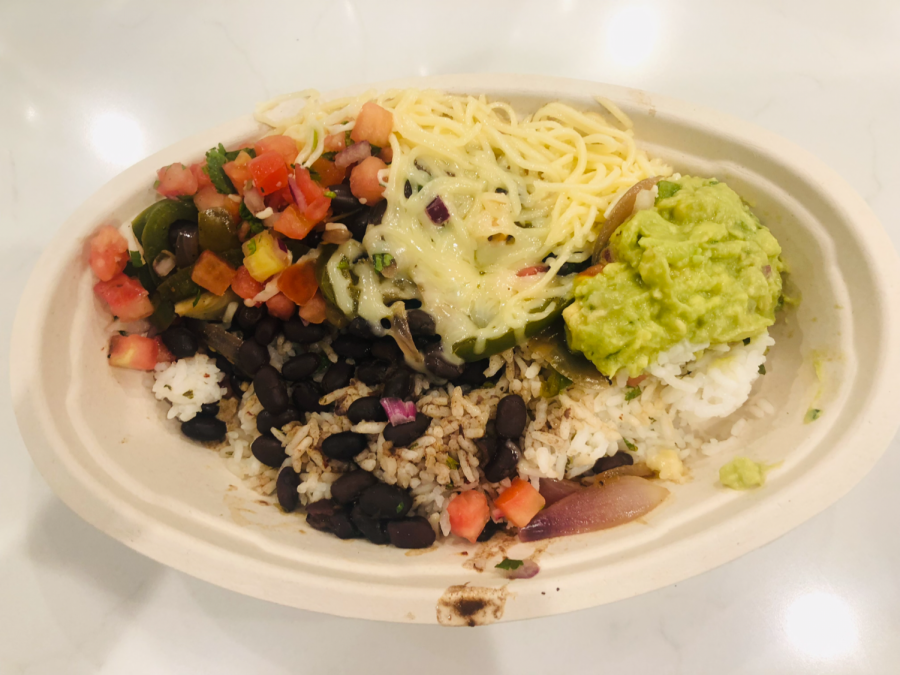
The burrito bowl remains Chipotle’s strongest value play — customizable, filling, and still perceived as a step above traditional fast food.
Let’s be clear: Chipotle is not cheap anymore.
But Chipotle stays in business because of:
Brand loyalty
A perceived upgrade in health and quality
Customization and variety that feels unmatched unless you go to a sit-down restaurant
Compare that to a typical fast food combo meal:
Fries you didn’t need
A drink you didn’t want
A price that crept up anyway
Chipotle’s value comes from positioning itself as an upgrade over traditional fast food — healthier by perception, more customizable, and only marginally more expensive in 2026.
That distinction matters more than ever.
Here’s the practical test I use:
Will this meal:
Keep me full?
Avoid a second stop later?
Not leave me feeling like I made a dumb financial decision?
Chipotle clears that bar more often than most chains.
It’s also one of the few places where I can adjust the meal depending on the day:
More protein, fewer carbs
Lighter toppings
Bigger portions when I need them
That flexibility turns into value fast when you’re feeding yourself between meetings, errands, and everything else. There are worse options for the dad bod — but it’s still a far cry from what the World’s Greatest Food Dad can do in his own kitchen.
Let’s not romanticize it:
It can be deceptively unhealthy
It’s still expensive
It’s a far cry from a legit taco truck
Chipotle is not where you go for culinary joy. It’s where you go to solve a problem.
Short answer: only in cases of food emergencies.
Long answer: Chipotle is worth it when time, predictability, and customization matter more than price.
Chipotle works when:
You could eat at McDonald’s
Time and limited options are real factors
Karen from accounting won’t touch the taco truck and is debating whether to approve your raise
Chipotle is not great eats. Chipotle is an expensive fast food upgrade. Same rules for fast food apply — but it’s definitely better for the dad bod.
This Chipotle review is part of a larger conversation I break down in today’s YouTube video — looking at fast food value, portion creep, and why some chains still make sense in 2026 while others don’t.
This series looks at major chains through one lens:
Does this meal make sense right now — financially, practically, culturally?
More coming soon.
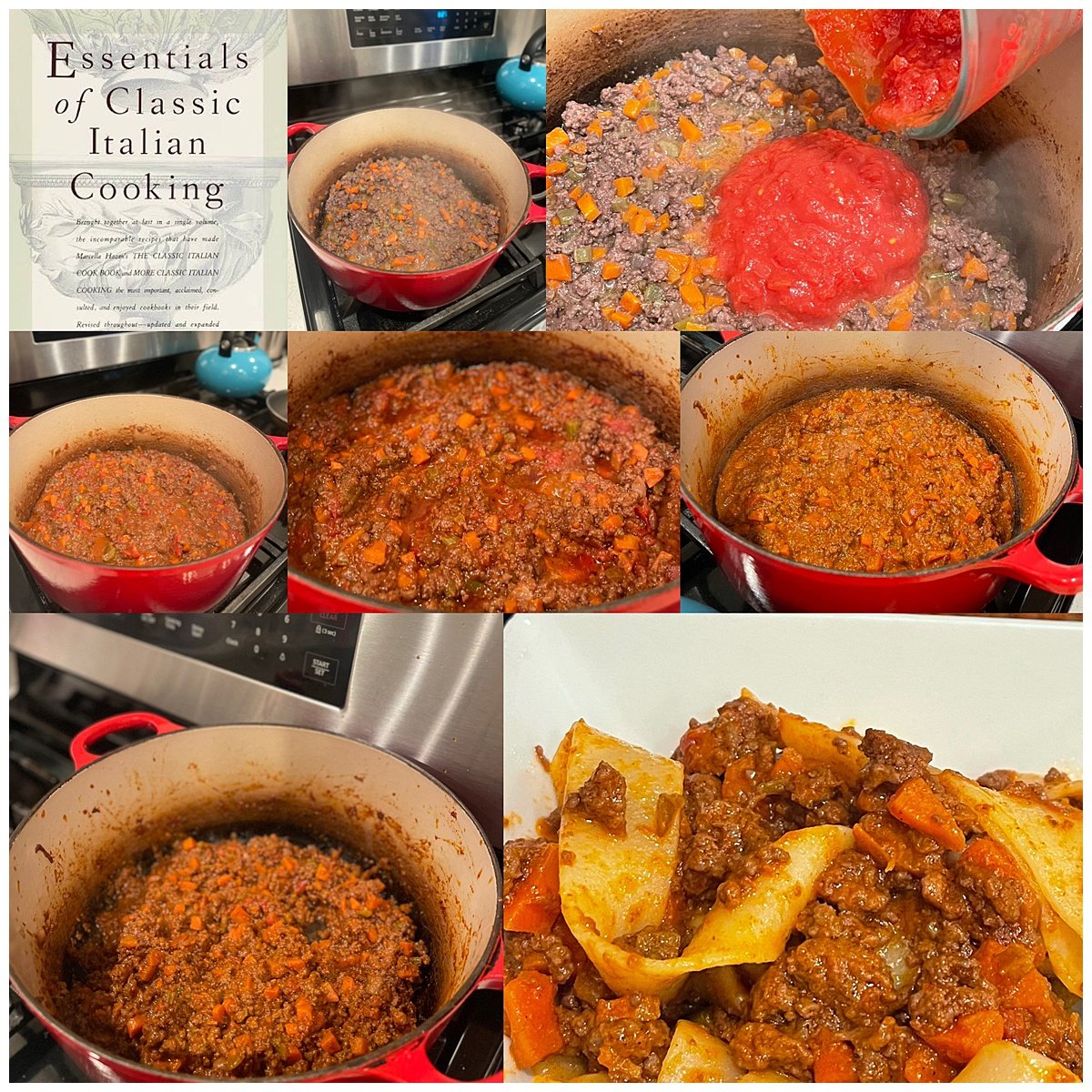
If this is your first encounter with an authentic Italian bolognese, let me offer a warning and a promise.
This is not a quick sauce. This is ragù alla bolognese, and it requires time — three hours of gentle simmering, closer to four if you start the clock from prep to finish. And it is absolutely worth it.
This recipe comes from one of the most trusted voices in Italian home cooking: Marcella Hazan. Her approach is disciplined, minimalist, and deeply Italian. No garlic. No herbs. No shortcuts. Just technique, patience, and respect for ingredients.
If you want the deeper why behind this cooking adventure, I unpack it over on World’s Greatest Dad, the Substack companion to my podcast. But here, we cook.
True bolognese is not “meat sauce.”
It’s a slow emulsification of meat, dairy, wine, and tomatoes. Milk goes in before the wine. Tomatoes are restrained. The sauce simmers quietly until everything melts into something richer than the sum of its parts.
This is the version served in Bologna — not the red, garlic-heavy sauces most Americans associate with the name.
1 tablespoon vegetable oil (I used bacon fat)
3 tablespoons butter
1/2 cup finely chopped celery
2/3 cup finely chopped carrot
2/3 cup finely chopped onion
3/4 pound ground chuck
Salt and black pepper
1 cup whole milk
1 cup dry white wine (I used red — a weeknight Bordeaux from Trader Joe’s)
A small dash of ground nutmeg
1 1/2 cups canned Italian tomatoes, crushed
(I blended whole canned tomatoes)
Pasta for serving (pappardelle works beautifully; tagliatelle is traditional)
Grated Parmesan cheese, to serve
Heat the bacon fat or oil in a heavy-bottomed pot or Dutch oven over medium heat for a full five minutes — just until it’s shimmering but not smoking.
Add the celery, carrot, and onion. Cook gently until the onion is translucent and the vegetables are soft.
Add the ground beef with a pinch of salt and pepper. Cook, breaking it up with a wooden spoon, until the meat loses its red color and turns gray-brown.
Add the milk and let it simmer slowly until it fully evaporates.
Stir in the nutmeg.
Add the wine and let it simmer until completely evaporated.
Add the tomatoes, bring the sauce just to a bubble, then reduce the heat to the lowest possible simmer.
Pro tip: move the pot to a burner that can actually maintain a gentle simmer — usually the small one no one uses.
Let the sauce simmer for three full hours, stirring occasionally.
After two hours it will look finished. It isn’t. Let it go.
Toss with cooked pasta and serve with grated Parmesan at the table.
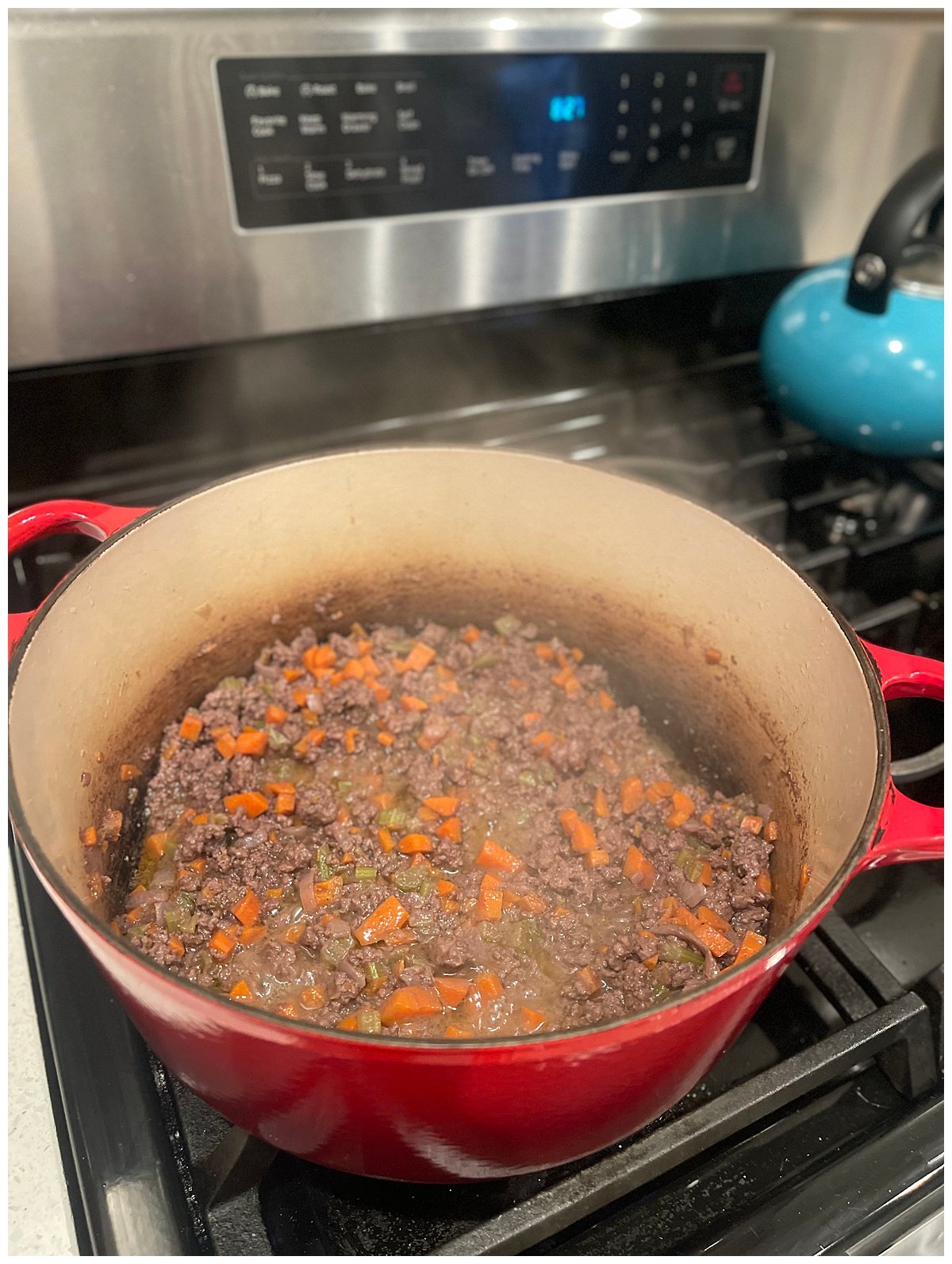 After browning the meat and vegetables.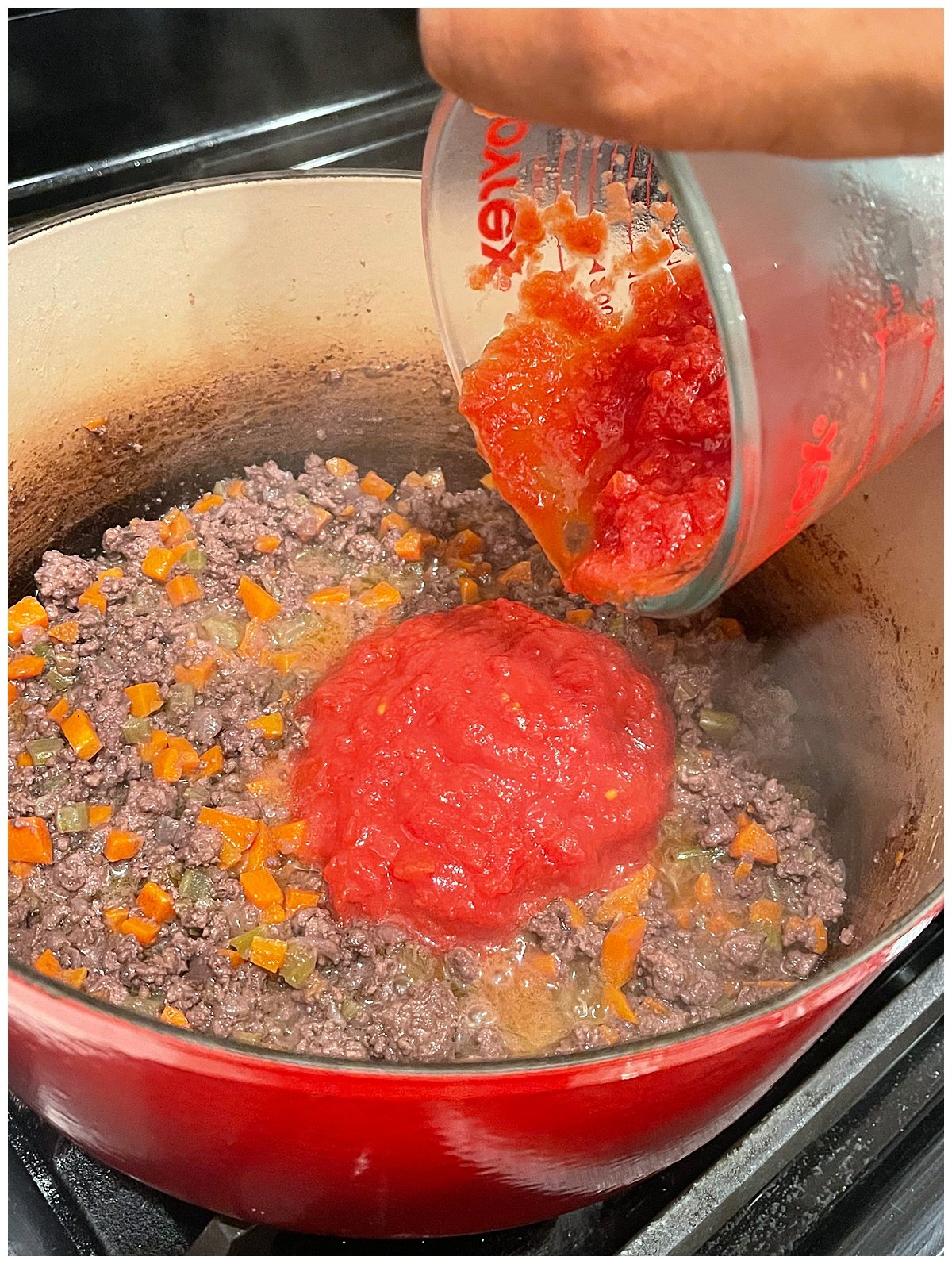
It starts to resemble sauce — don’t be fooled, it still isn't the ragu we are looking for.
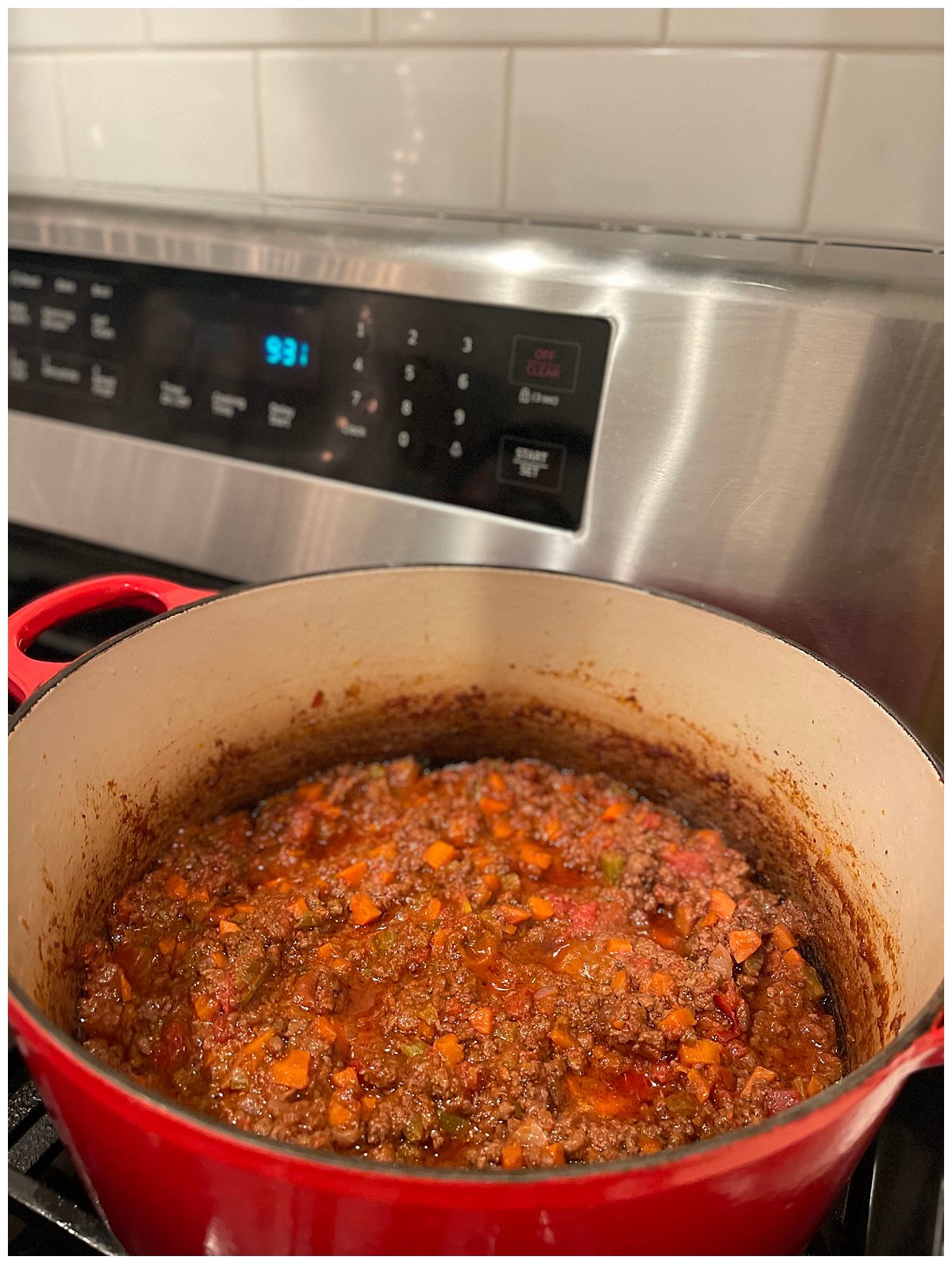
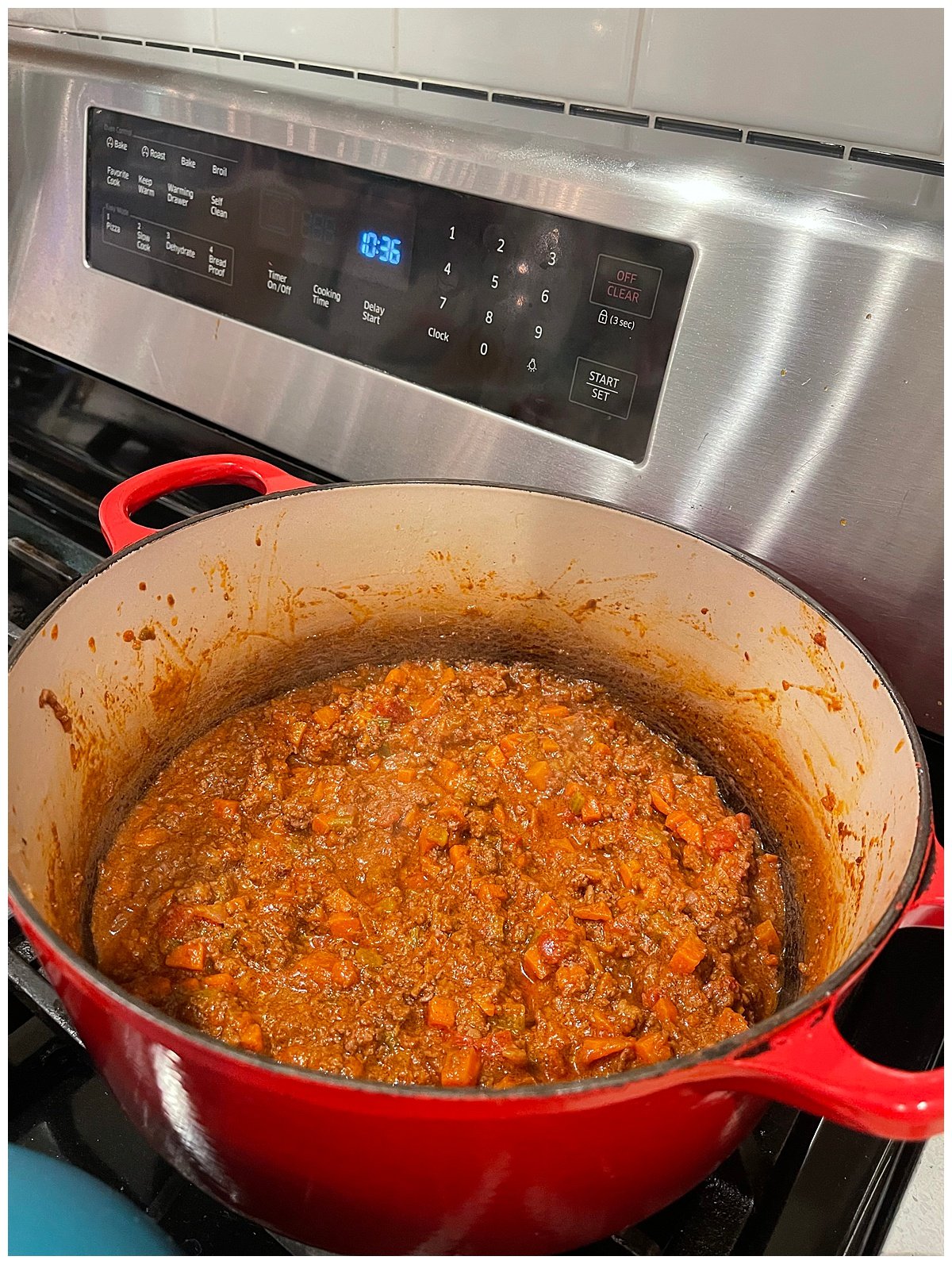
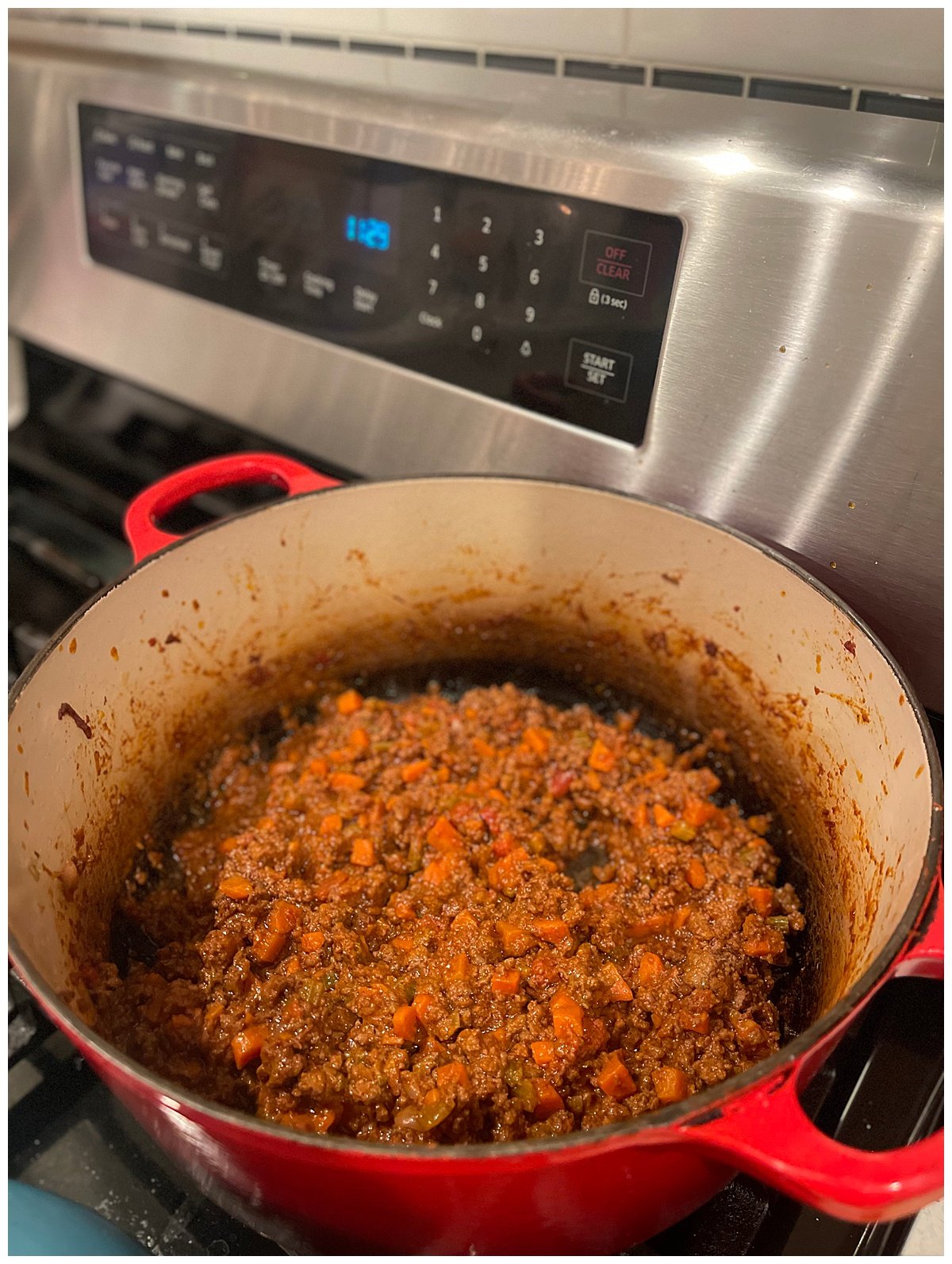
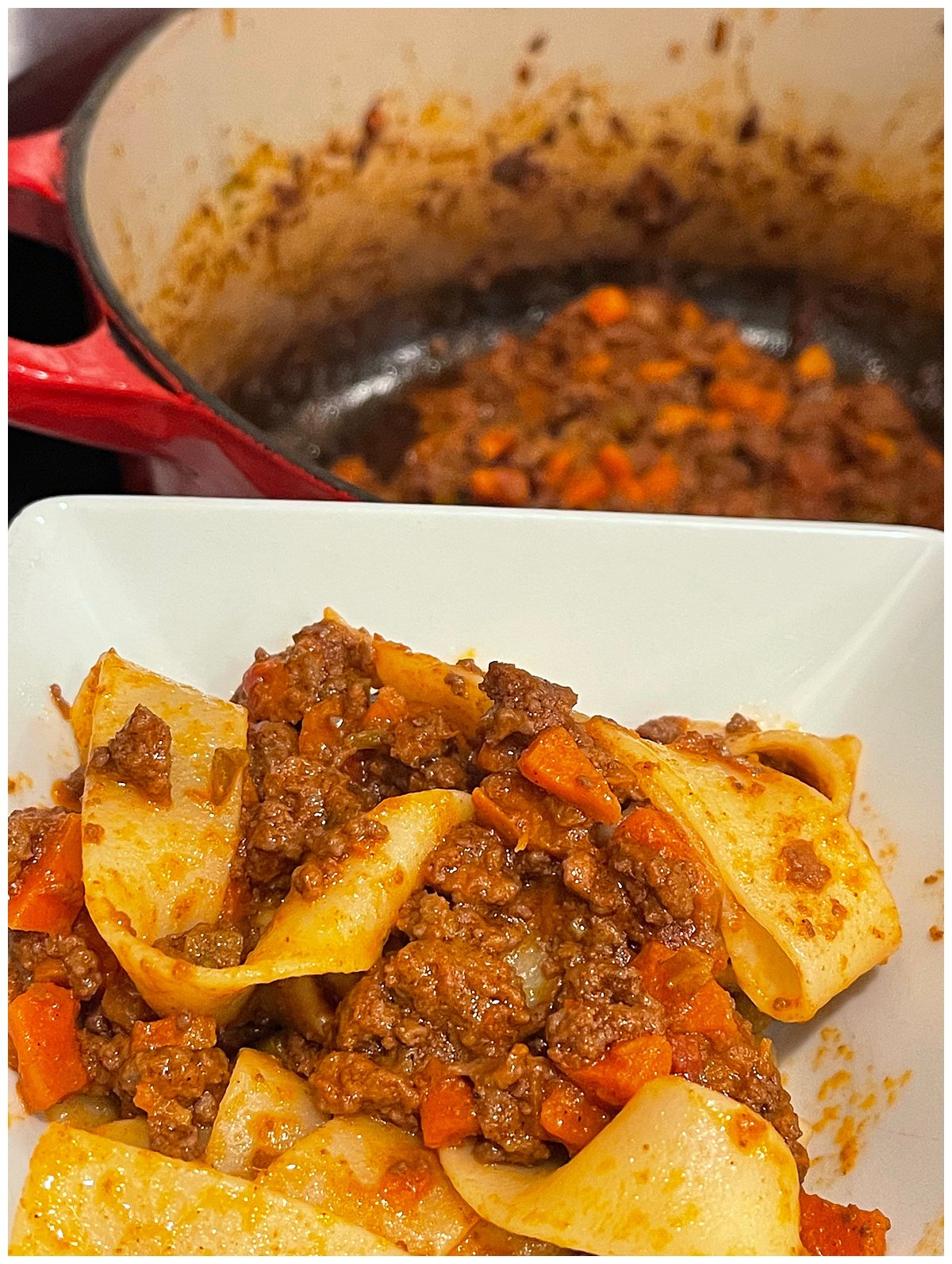
This is not a weeknight sauce — but it is a weeknight meal.
Bolognese improves overnight. Reheat it gently in the oven so the bottom doesn’t scorch, boil fresh pasta, and dinner takes care of itself.
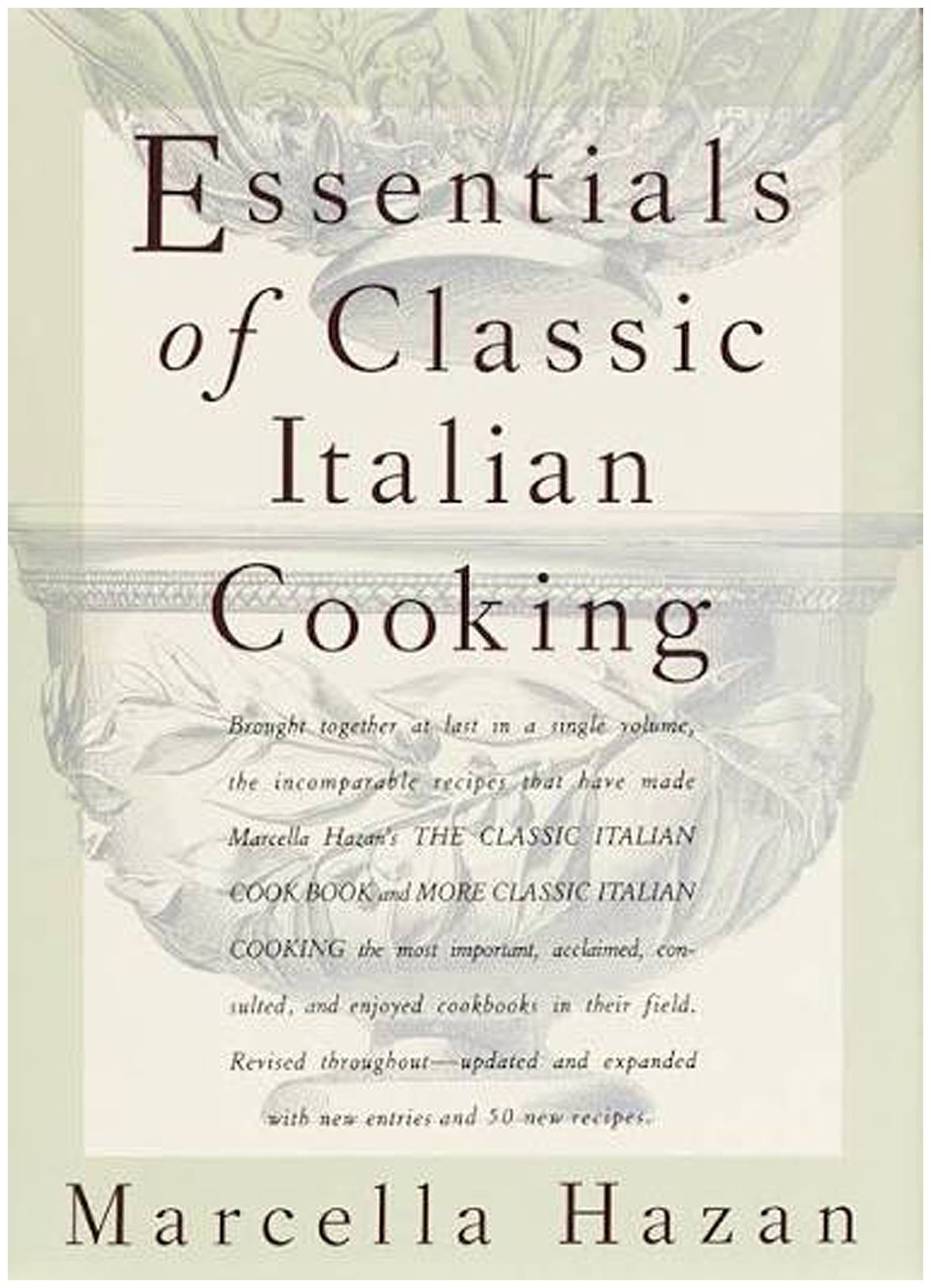
This is the payoff.
My wife’s verdict: “It tastes like restaurant.”
And that’s the truth of it. Great restaurants trade time for flavor — hours most home cooks aren’t willing to invest.
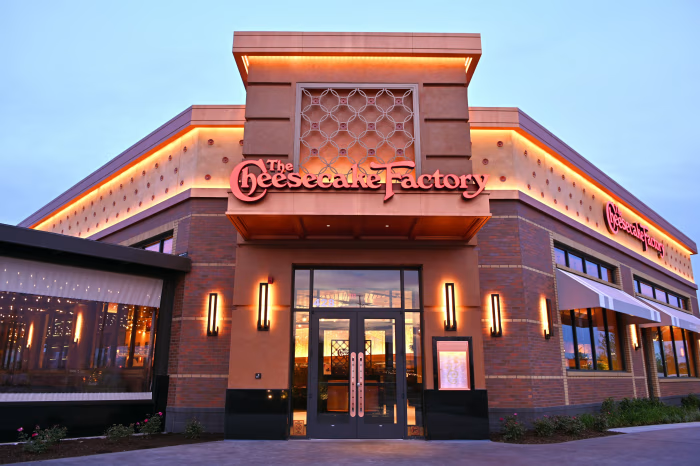
Hazan’s real gift isn’t just the recipes, but the wisdom behind them. Her book remains a food bible decades later. Buy it. Cook from it. Even if this bolognese becomes a one-and-done, you’ll never eat it the same way again.
As 2025 comes to a close, I’m struck by the miles I traveled to land on the best bites of 2025.
This list took me from Austin to Seattle, France-adjacent decadence to Japan hotel lounges, and all the way to Korea for one of the most prized beef experiences on Earth.
It wasn’t easy to land on these nine restaurants. As always, variety was key and perhaps this year more than most, extravagance shaped the list. But as always, great food doesn’t mean a license to spend. Every one of the best bites of 2025 offers the same thing: value, but with a degree of context.
And with that, let’s dive into the best bites of 2025!!

The Vitals: the spot: Jabs Burgers and Fries 111 Congress Ave., Austin, TX 78704 the eats: Excellent Smash Burgers the bucks: $ the full nelson: Some of the best Bang for your Burger Buck Smash Burgers in town
There’s smashed burgers and then there is Bang for your Burger Buck. IYKYK.
JABS delivers a textbook smash burger using Creekstone Farms beef, crisp edges, and a burger sauce so addictive it immediately reminded me of Raising Cane’s sauce energy. Simple, flawless, and priced like someone still remembers burgers are supposed to be affordable. In a city allergic to simplicity, JABS keeps it simple and that's exactly right when making a smashed burger you crave over and over again.

The Vitals: the spot: Burnt Bean Co 108 S Austin St, Seguin, TX 78155 the eats: athe burger only available on Thurs and Fri + all the BBQ the bucks: $$ the full nelson: One of the most exceptional Barbecue restaurants in Texas makes one mean burger
Yes, Texas Monthly’s #1 BBQ restaurant also served me the best lamb of my life. The lamb breast is smoked till meltingly tender, the smoke balances the gaminess of lamb fat, and then paired with pillowy housemade naan and a chermoula so balanced it stopped the table cold. This wasn’t BBQ flexing — this was a chef showing restraint, confidence, and world-class technique.

The Vitals: the spot: Juniper 2400 E Cesar Chavez St UNIT 304, Austin, TX 78702 the eats: Egg Custard(off the tasting menu) the bucks: $$$$ the full nelson: A dish one might expect at The French Laundry
This is as close as I've ever come to eating at the acclaimed The French Laundry in Yountville — and that is high praise.
Silky, restrained, and technically perfect, this egg custard was a reminder that greatness often whispers. Like so many dishes off the tasting menu at Juniper, days of work go into crafting dishes that seem to fade away in seconds off the plate but stay in one's memory for a lifetime.

The Vitals: the spot: David Doughies 2427 Webberville Rd, Austin, TX 78702 the eats: Artisanal Bagels the bucks: $-$$ the full nelson: a bagel to make an NYer jealous
A three-day bagel process will do that. The housemade pastrami lox is excellent, but it’s the bagel itself — chewy, structured, deeply flavorful — that steals the show. When the bread makes the protein take a back seat, you’re dealing with something special.

The Vitals: the spot: Le Calamar 1600 S 1st St Suite 100, Austin, TX 78704 the eats: Chicken Wing inspired by one of the most revered living chefs today, Gnocchi, Snapper Ceviche, Mutton Snapper in Salsa Matcha the bucks: $$$ the full nelson: the fanciest chicken wing God could have imagined.
This wing is based on Pierre Koffmann’s legendary trotter dish where a pig's foot is deboned, and stuffed with chicken, sweetbreads and morels — and yes, it’s as decadent as that sounds.
Chef Casey Wall takes his own spin with chicken wing instead of trotter, huitlacoche in place of morels and grills it over Japanese charcoal. At $8 a wing you don’t order a dozen. You commit to savoring each bite slowly. And once you do, you’ll understand why some dishes exist purely to haunt you. And possibly cause gout.

The Vitals: the spot: Moto Pizza locations throughout Seattle, tested at T-Mobile stadium the eats: Root Pizza the bucks: $$ the full nelson: My fav version of Detroit style pizza to date
Moto proves that Detroit-style pizza isn’t a novelty — it’s a canvas. Creative riffs, bold toppings like dungeness crab, and a respect for the genre that shows how much room this style still has to grow. Seattle quietly became one of my favorite pizza cities this year because of places like this.
Oh and they even have an outpost at T-Mobile Park where the Seattle Mariners play. Huge upgrade from a hotdog swimming in water.

The Vitals: the spot: Top Roe 120 W 5th St, Austin, TX 78701 the eats: Matcha Pot De Creme the bucks: $$$ the full nelson: Proof that the matcha craze has merit
I love Chocolate Pot De Creme, one of my all time fav desserts. It is a hard sell to steer me away from chocolate too. But Matcha makes a compelling exception.
Like chocolate, matcha offers bitter notes which is compelling in any sweet and fat ladened dessert. Matcha provides remarkable balance in a pot de creme and this dish exemplifies balance.
And I suppose caviar didn't hurt it much either. Though sprinkle of sea salt could have made a similar point too and for less $$$.

The Vitals: the spot: Grand Hyatt Fukuoka 1 Chome-2-82 Sumiyoshi, Hakata Ward, Fukuoka, 812-0018, Japan the eats: Grand Club lounge the bucks: $$ the full nelson: best hotel food I have ever had and some of the best food of the trip
Imagine starting your breakfast ritual every morning with a bowl of sashimi over rice(Kaisen don) that featured impeccable fish and rice. And then you moved on to a breakfast buffet with silk scrambled eggs, artisanal breakfast sausages and delightfully rich sauces like mentaiko(sauce/dip made from fish roe) and a velvety green sauce that is a special of the hotel. Suddenly hotel dining doesn't seem like a cop out.
Though I only hit the cocktail and hors d'oveurs once, I will forever remember they had bottles of Japanese single malt scotch out for you to pour at will. Grand Hyatt Fukuoka's Grand Club Lounge will make you not want to explore Fukuoka Japan because the food and value are just that good.

The Vitals: the spot: Hanwoo Beef Market experience from Airbnb the eats: Korean BBQ featuring Hanwoo Beef aka the "Kobe beef of Korea the bucks: $$ the full nelson: The ultimate beef lover experience featuring Korean BBQ
The best beef I have ever had in my life was from Seoul Korea. And thanks to the exchange rate, it wasn't even that pricey. An AirBnB experience set us up along with fellow foodies from all over the world to experience a tour of this massive industrial food market. From there we went to a restaurant who cooks the beef you purchase from the market.
Eating this beef is like eating Tuna belly sushi or toro. With minimal seasoning one relishes the marbling and flavor that truly has no equal. Sorry Kobe beef. Sorry NYC steakhouses. Seoul Korea got the best beef Ali Khan Eats has ever had.
 Walk into most grocery stores and you’re hit with choice paralysis:
 Most grocery stores try to make money on food.
Costco makes its real money before you even walk through the door.
Membership fees generate billions in high-margin revenue every year. That allows Costco to:
Most grocery stores try to make money on food.
Costco makes its real money before you even walk through the door.
Membership fees generate billions in high-margin revenue every year. That allows Costco to:
 Costco warehouses are loud, crowded, and borderline hostile on weekends.
And yet people love shopping there.
Why?
Costco warehouses are loud, crowded, and borderline hostile on weekends.
And yet people love shopping there.
Why?
“If Costco sells it, it’s probably good—and priced fairly.”That trust removes friction. You don’t comparison shop. You just throw it in the cart.
 Online grocery promised speed. Luxury grocers promised vibes. Discount grocers promised chaos prices.
Costco promised one thing:
Online grocery promised speed. Luxury grocers promised vibes. Discount grocers promised chaos prices.
Costco promised one thing:
We won’t rip you off.That promise—kept consistently for decades—is why Costco customers aren’t just shoppers. They’re evangelists. And in a moment where grocery inflation, shrinkflation, and price fatigue dominate consumer behavior, that trust matters more than ever.
 Costco’s victory isn’t just about groceries.
It’s about where consumer culture is heading:
Costco’s victory isn’t just about groceries.
It’s about where consumer culture is heading:
 If you liked this breakdown, the full episode dives deeper into: