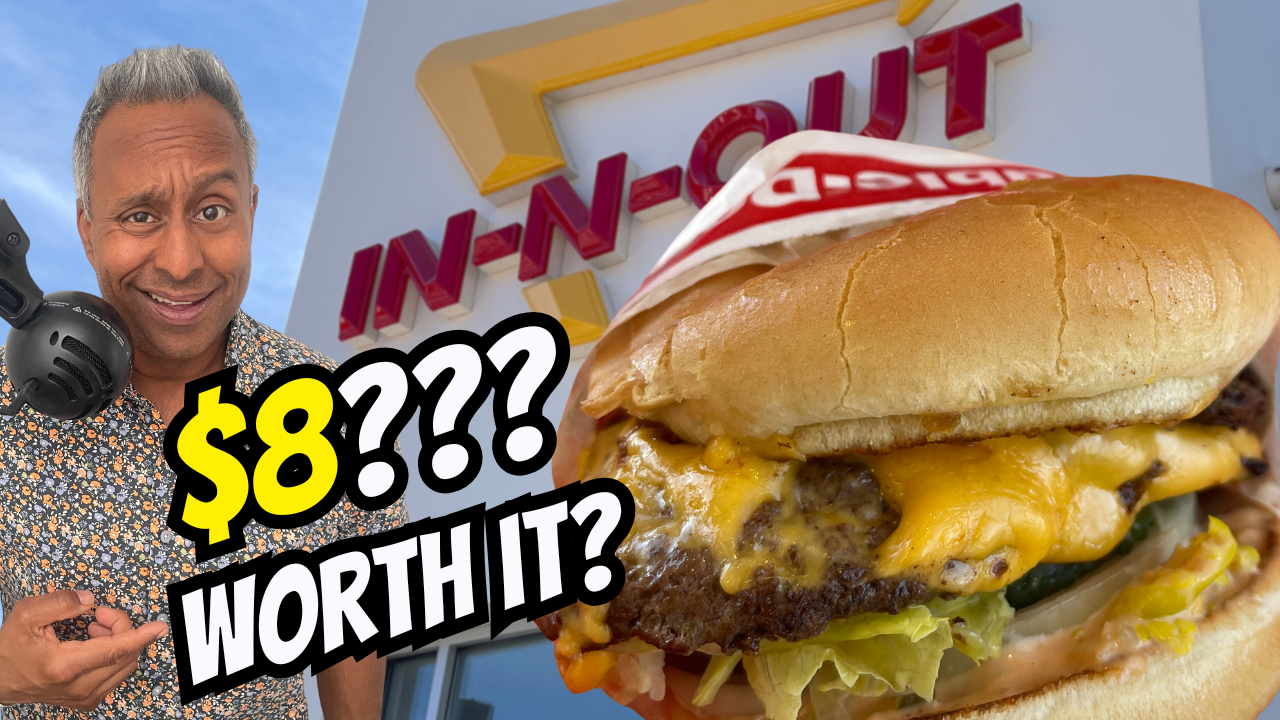
In-N-Out Burger has built a loyal, almost cult-like following around its burgers.
Celebrities crave it late at night (including Oscar winner Michael B. Jordan), loyalists swear by it, and I’ve always called it one of the best values in fast food.
But in 2026, with rising prices everywhere, the question is simple:
Is In-N-Out still worth it?
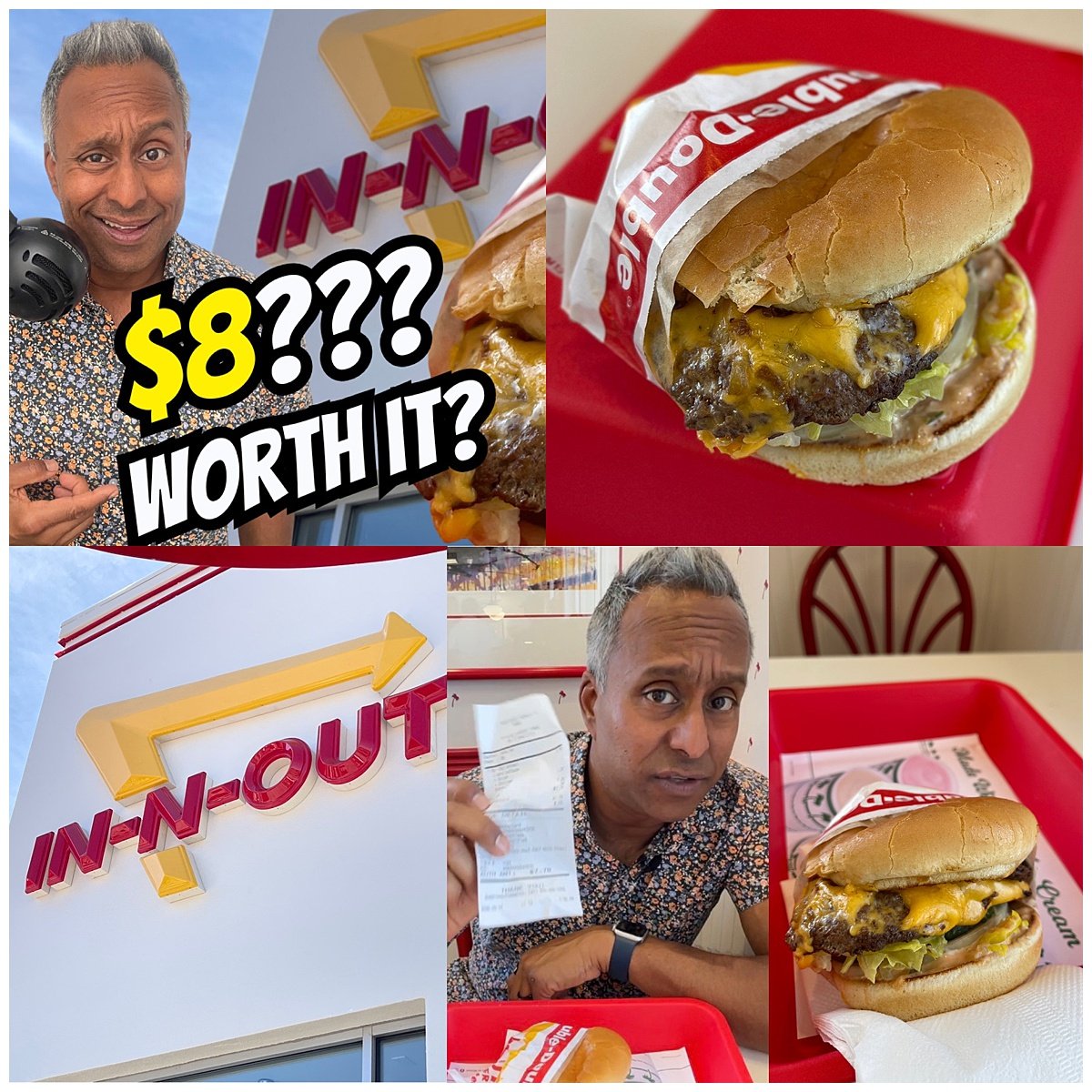
Like every fast food chain, In-N-Out has raised prices in recent years.
According to Food & Wine, the price of a Double-Double (their signature double cheeseburger) increased from $8.59 to $11.44 (with tax) in Los Angeles between 2020 and 2024.
That kind of jump isn’t unique—but it does change how we think about value.
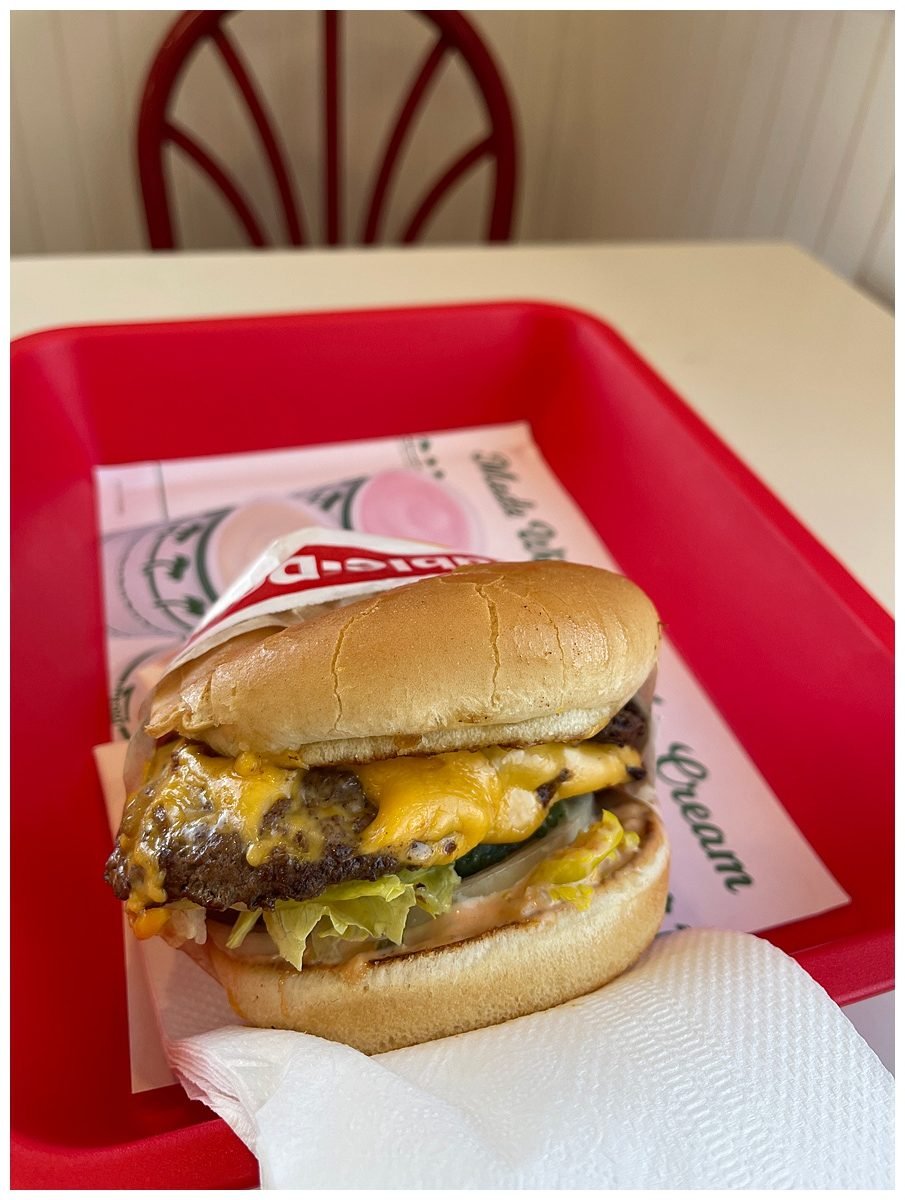
I’ve been ordering the same thing at In-N-Out for years:
3x2 Animal Style
(light lettuce, plus raw onion and chopped chilis)
It’s a killer burger.
In Scottsdale, Arizona, that order came out to $7.78 with tax, slightly more than what I typically pay in Austin.
So yes—it’s still under $8.
But the real question is:
Does it still feel like a deal?
 The Vitals:
the spot: In-N-Out locations in California, Arizona, Texas, Nevada, Utah, Idaho, Oregon, Colorado, Tennessee
the eats: 3x2 animal style
the bucks: $7.78 w/ tax (Scottsdale AZ)
the full nelson: WORTH IT
The Vitals:
the spot: In-N-Out locations in California, Arizona, Texas, Nevada, Utah, Idaho, Oregon, Colorado, Tennessee
the eats: 3x2 animal style
the bucks: $7.78 w/ tax (Scottsdale AZ)
the full nelson: WORTH IT
Yes.
Even after trying newer, “improved” fast food burgers like the Big Arch and Whopper, In-N-Out still stands apart.
There’s something about the flavor—the balance of beef, sauce, and freshness—that hits differently.
And importantly, the price is still more competitive than most fast food chains in 2026.
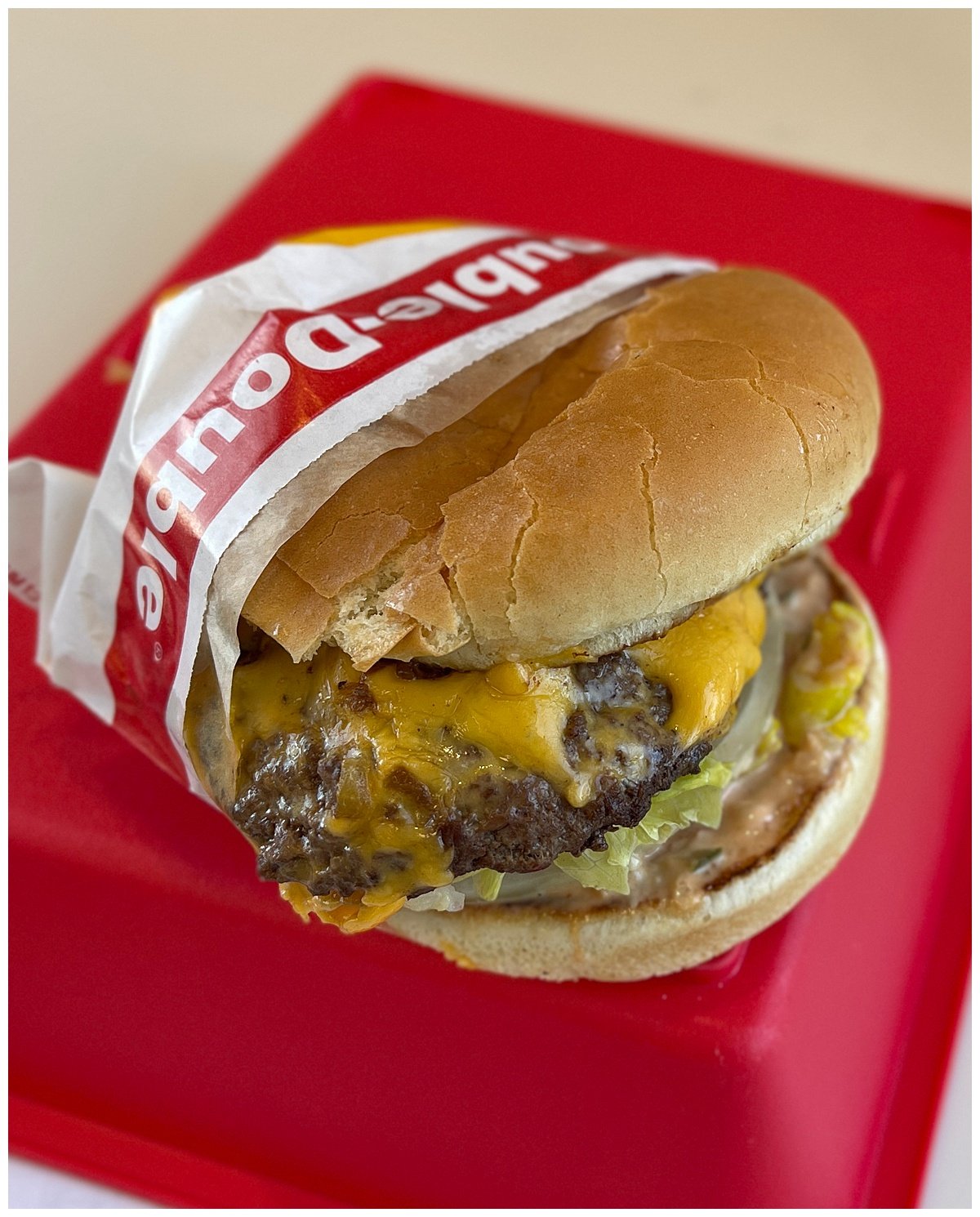
The burgers run small.
To feel like a full meal, I usually go with three patties instead of two.
And while it may feel lighter than something like a Double Quarter Pounder, the calorie count adds up quickly—thanks in large part to that iconic “pink sauce” (a mayo-based Thousand Island).
If you judged this burger purely on appearance, you might call it mid.
I did.
The bun didn’t look perfect. I’ve seen better-looking burgers elsewhere.
But the flavor?
It completely delivered.
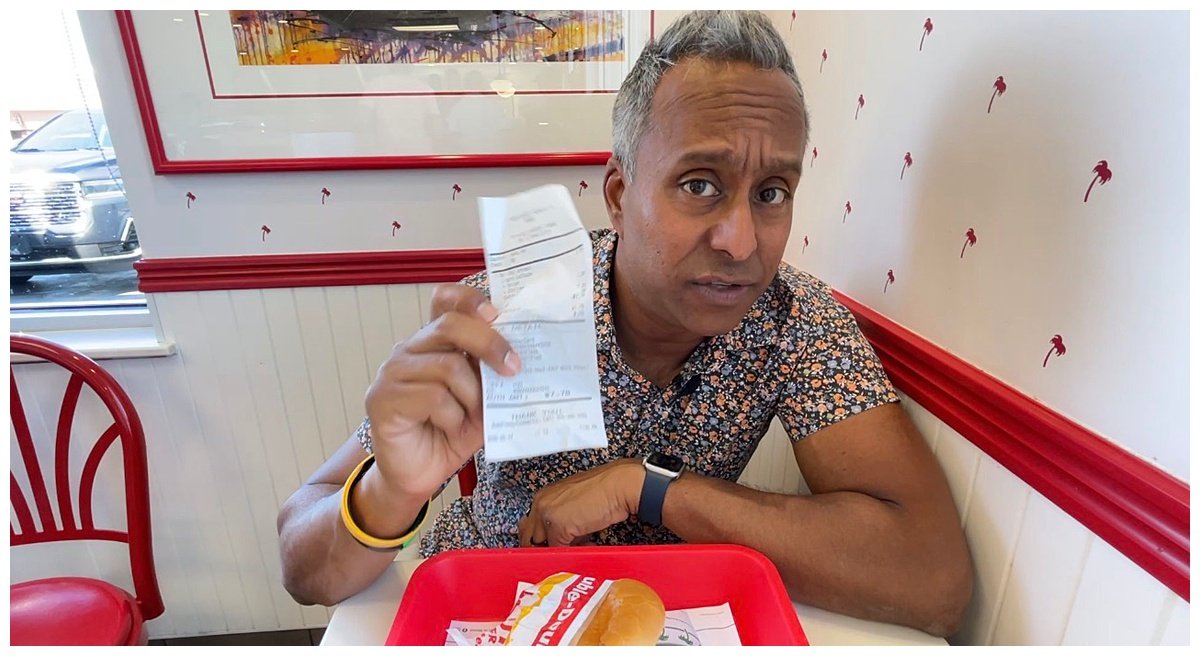 Final Verdict
Fast food isn’t cheap anymore.
But In-N-Out is one of the few places where the value still holds up.
In a world of $10+ burgers, In-N-Out remains one of the last chains where you can still feel like you’re getting your money’s worth.
And that’s why—despite everything—
it’s still worth it.
On the heels of McDonald's releasing their viral Big Arch burger, Burger King rolled out an “improved” version of the Whopper.
And yes—there was even a CEO moment.
Burger King’s CEO posted a video of himself eating the Whopper, widely seen as a subtle jab at the viral clip of McDonald’s CEO tasting the Big Arch.
Marketing aside, the real question is:
Is the new Whopper actually better—and more importantly, is it worth the price in 2026?
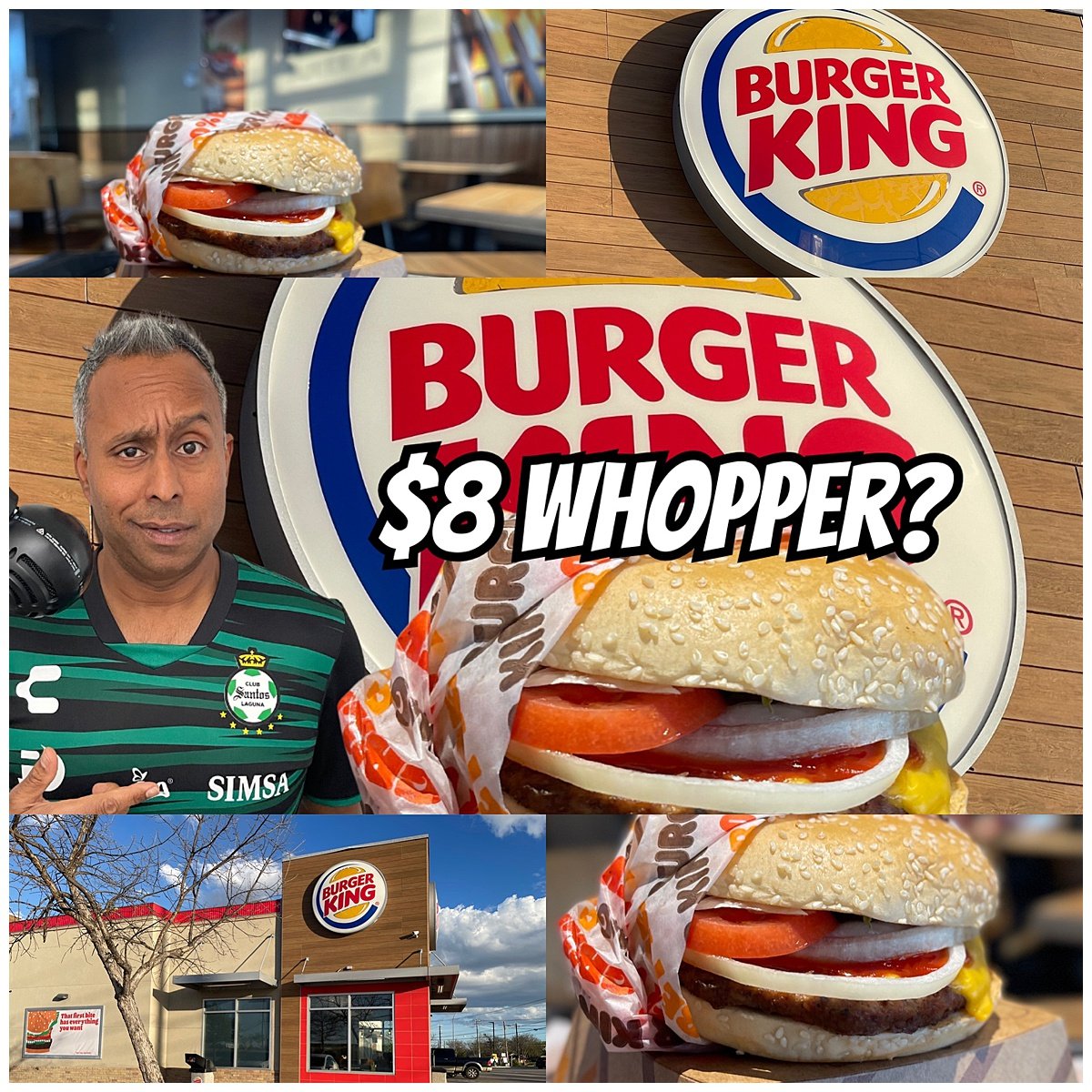
According to Burger King, the upgrades are simple:
Better bun
Better mayo
Better packaging (it now comes in a box)
The campaign leaned heavily into social media, especially TikTok and Instagram, where the Whopper was consistently praised on the first bite—but criticized on the last.
The conclusion?
Apparently the bun and mayo were the problem.
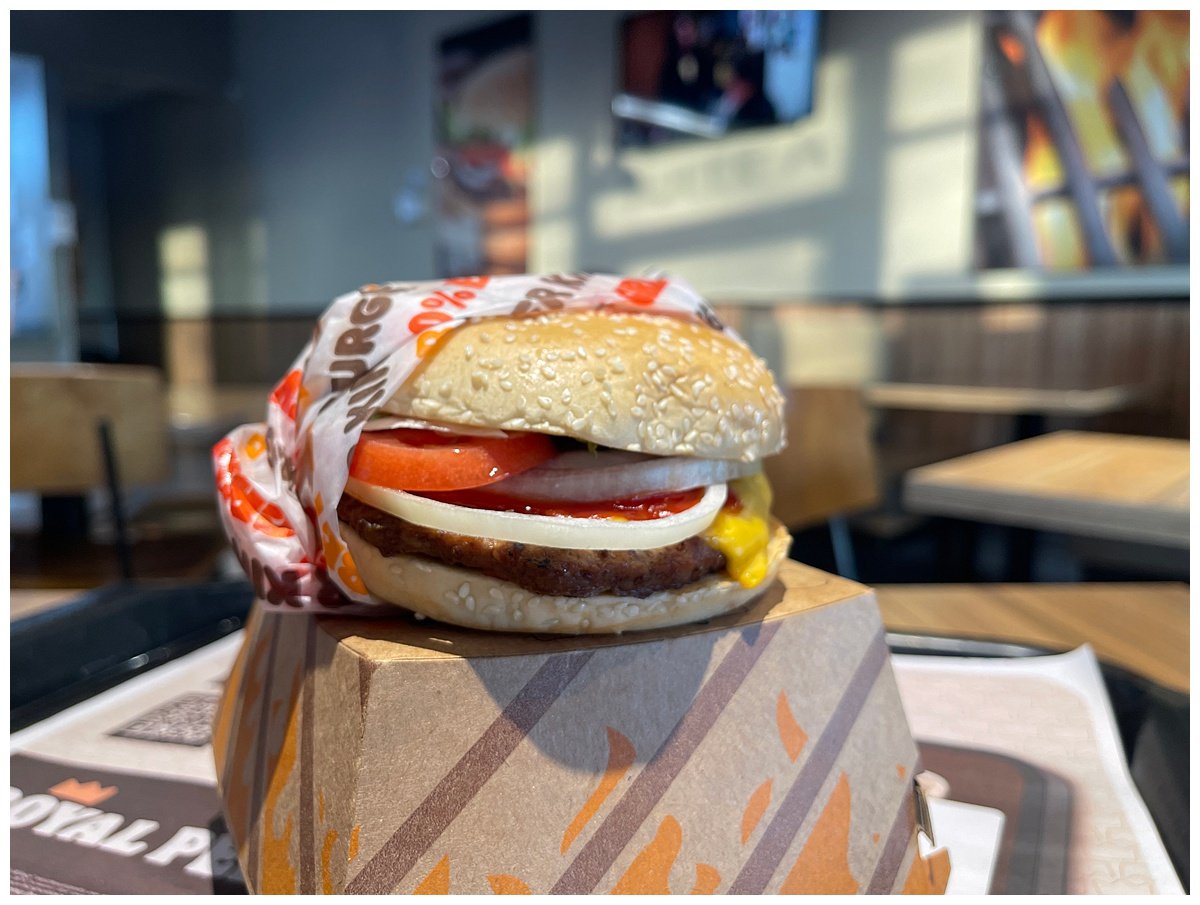
Surprisingly, this was the biggest upgrade.
There’s been a noticeable trend across fast food—cheap, overly runny mayonnaise that just doesn’t hold up. I’ve seen it recently at chains like Raising Cane's and Popeyes.
The new Whopper mayo? Better.
Not quite Hellmann’s or Duke’s level—but closer than expected.
I initially thought this was a throwaway upgrade.
A box? Really?
But in practice, it actually works—especially for drive-thru and delivery. The burger holds together better, and presentation is noticeably improved.
The bun… might be better?
To be fair, the last time I had Burger King (around 2020), it was borderline inedible. This time, the Whopper actually tasted like I remembered it growing up.
Which, honestly, is progress.
 The Vitals:
the spot: Burger King locations worldwide
the eats: Whopper
the bucks: $7.57 w/ tax
the full nelson: decent but overpriced
The Vitals:
the spot: Burger King locations worldwide
the eats: Whopper
the bucks: $7.57 w/ tax
the full nelson: decent but overpriced
Short answer: no.
Longer answer:
I was genuinely surprised. Burger King made the Whopper good again. It tasted familiar—in a nostalgic, fast-food kind of way.
But in 2026, “good” isn’t enough anymore.
At nearly $8, the Whopper is competing with:
regional chains like In-N-Out Burger
fast-casual spots like Shake Shack
local food trucks and independent diners
And in that context, it just doesn’t hold up.
Yes, the mayo is better.
But not $8 better.
McDonald’s recently debuted a new burger called the Big Arch, and it’s already generating buzz online.
The burger has even gone viral thanks to a clip of McDonald’s CEO Chris Kempczinski taking a very careful bite during a promotional appearance.
But internet fame aside, the real question is simple:
Is the McDonald’s Big Arch actually worth the price—or the calories?
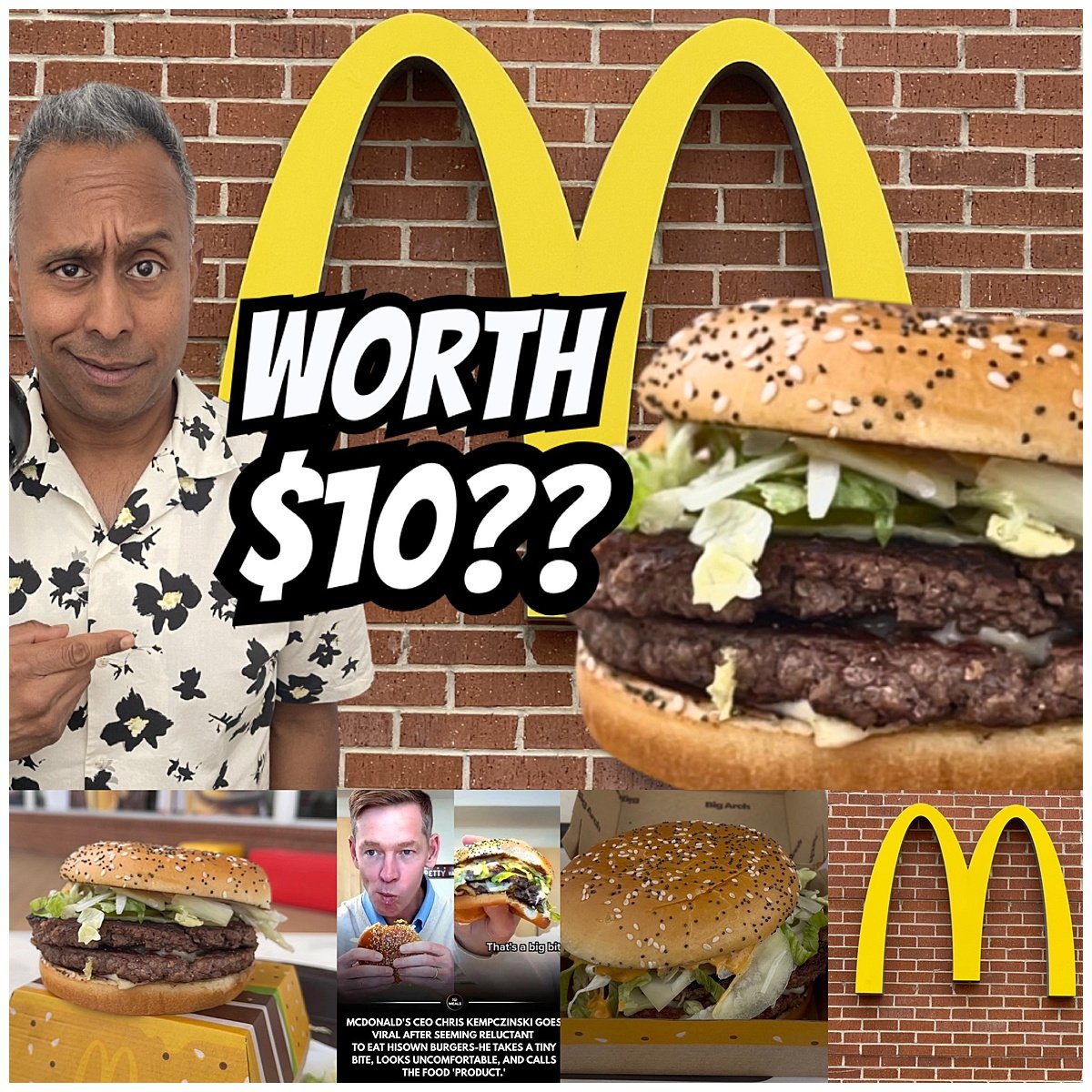
The Big Arch is essentially a supercharged version of a Big Mac-style burger.
Imagine the heft of a Double Quarter Pounder with Cheese, but topped with:
three slices of white cheddar
crispy fried onions
shredded lettuce
pickles
the new Big Arch sauce (which feels very similar to Big Mac sauce)
The result is a massive fast food burger that pushes well over 1,000 calories.
That’s a lot of burger.
But does it deliver value?
At my local McDonald’s in Austin, Texas, the Big Arch costs $8.99 by itself.
I skipped fries and a drink, but a combo meal would easily push the total past $13.
Welcome to fast food in 2026.
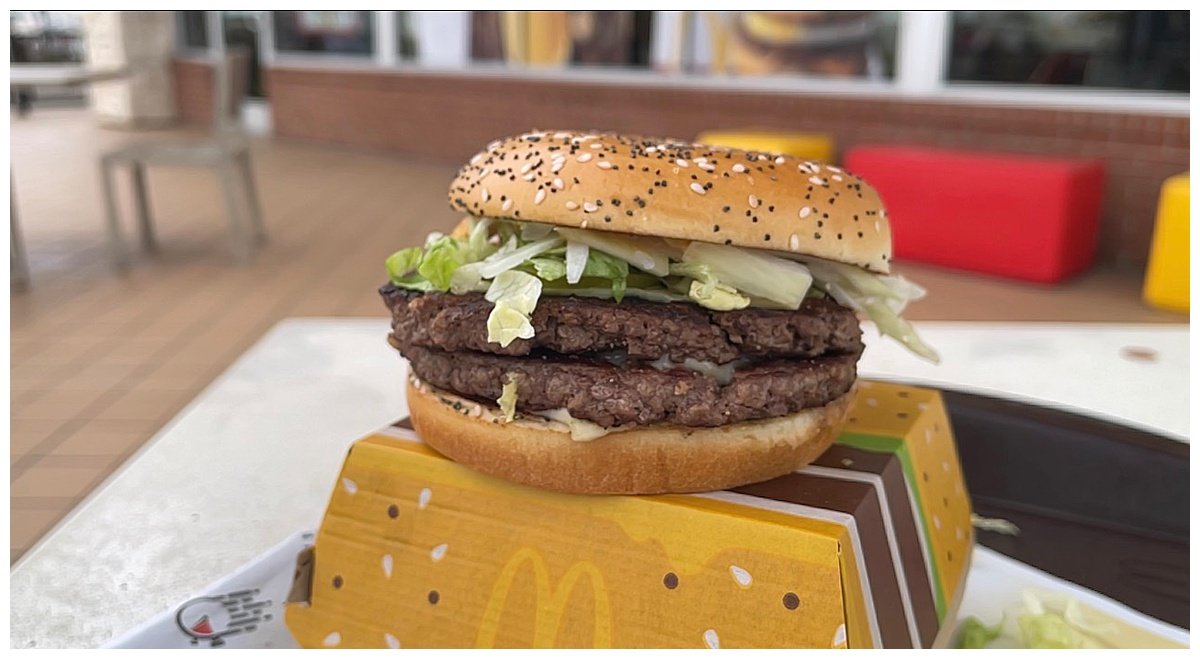
One thing is certain: you will not leave hungry.
While spending almost $10 on a burger at McDonald’s might feel strange, credit where it’s due—the Big Arch might be the best burger McDonald’s has ever made.
That’s largely thanks to the improved quarter-pound patties, the same fresh beef used in the Double Quarter Pounder with Cheese.
If you have the appetite, the Big Arch delivers a satisfying burger experience.
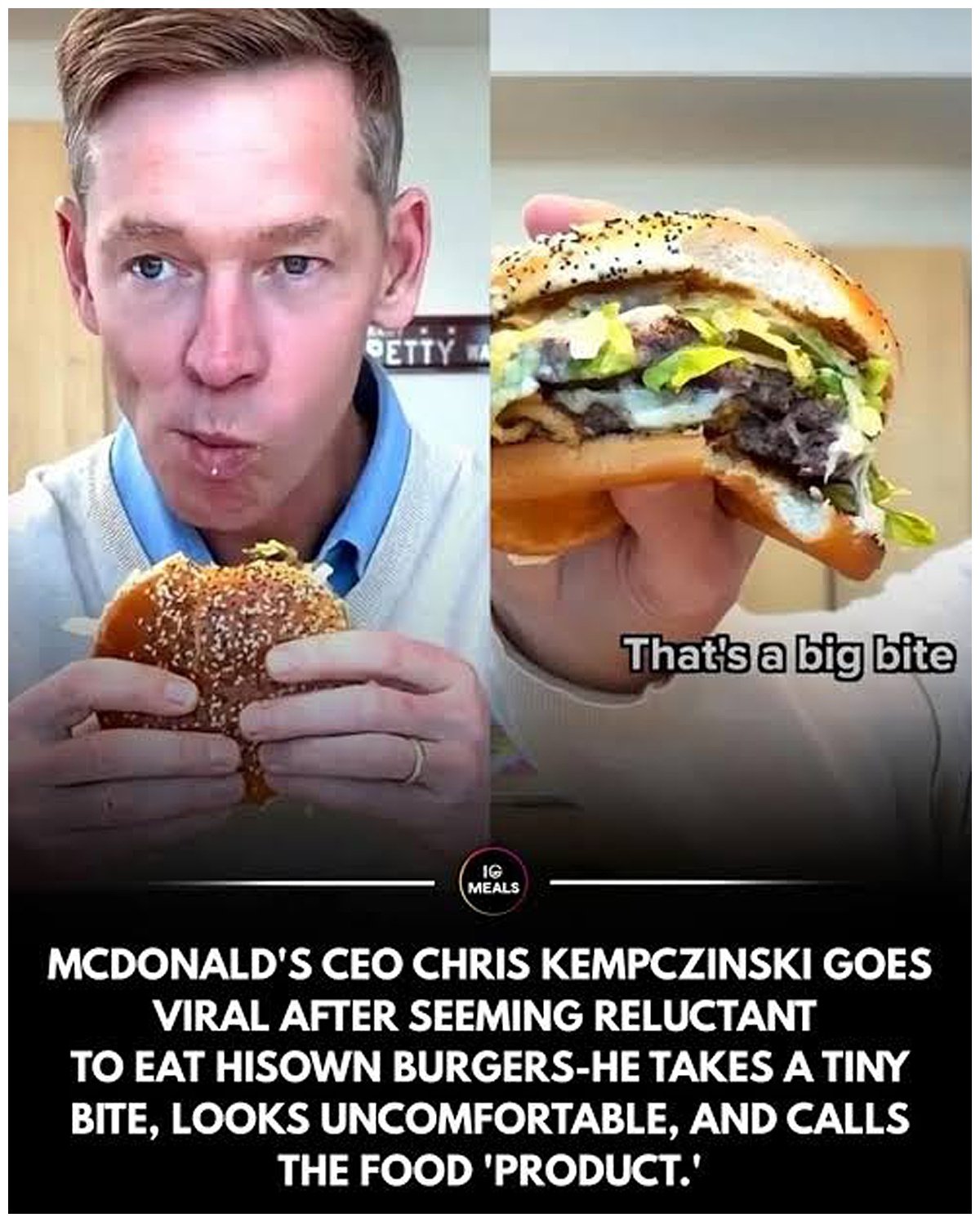
By now you may have seen the viral video of McDonald’s CEO Chris Kempczinski eating the Big Arch.
He was widely mocked online for taking a very delicate bite and referring to the burger as a “product.”
But the CEO did get one thing right.
The Big Arch delivers that unmistakable McDonald’s flavor—the taste that built one of the biggest fast food empires in the world.
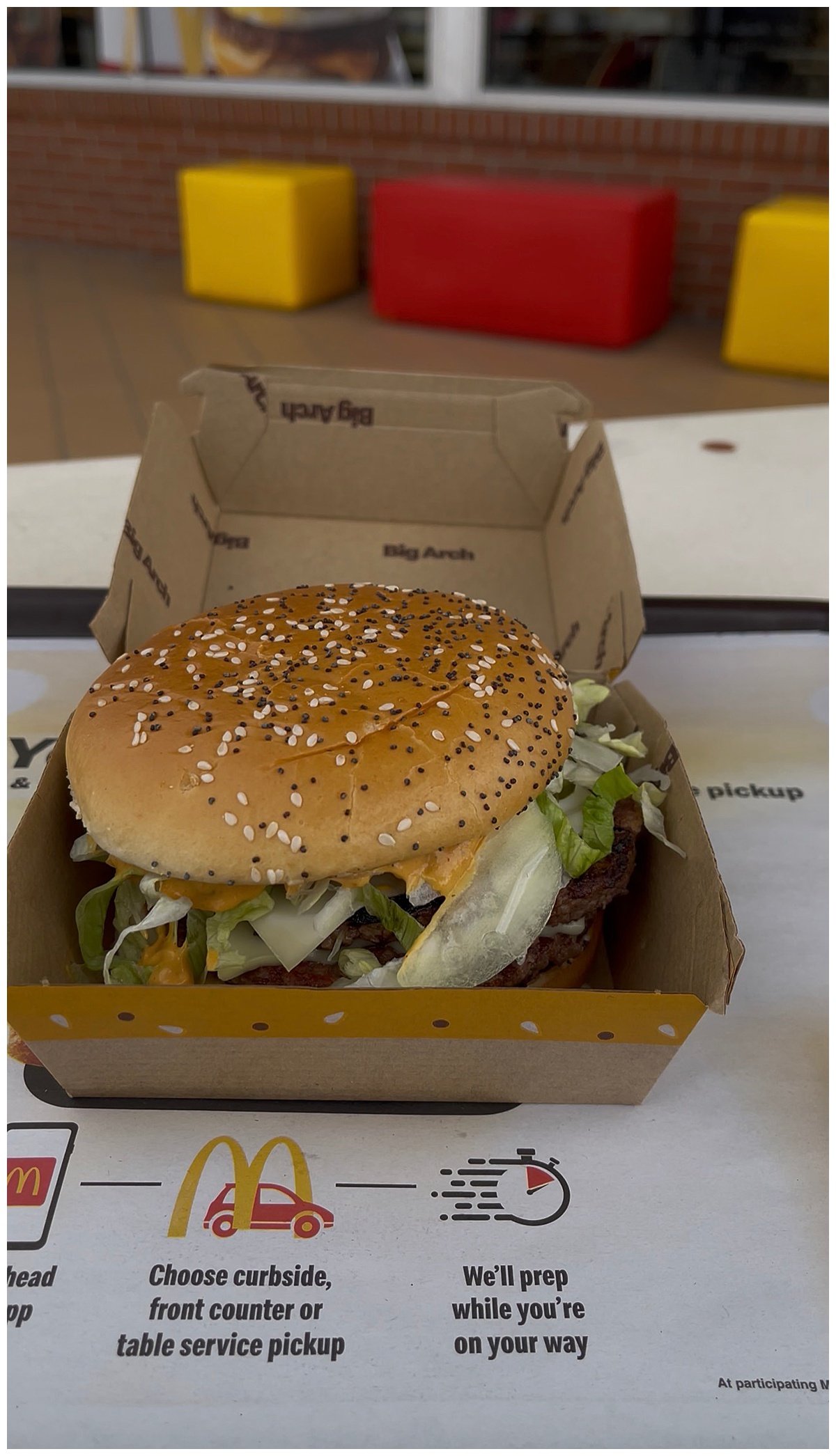 The Vitals:
the spot: McDonald's locations worldwide
the eats: Big Arch
the bucks: $8.99
the full nelson: delicious but dangerous
The Vitals:
the spot: McDonald's locations worldwide
the eats: Big Arch
the bucks: $8.99
the full nelson: delicious but dangerous
My verdict: worth the money, not worth the calories.
The Big Arch is undeniably delicious. If you’re a fan of Big Mac sauce, this burger will feel like a dream.
In many ways, it’s essentially a Big Mac on steroids.
But that’s also the problem.
The burger is almost an overdose of McDonald’s flavor.
Sure, it’s fun as an occasional indulgence. But considering how easy it is to find a McDonald’s almost anywhere, the Big Arch could be dangerous territory for anyone trying to keep fast food in moderation.
In short:
The Big Arch might be McDonald’s best burger yet.
Just eat with caution.
SXSW 2026 is days away, and one question will come up again and again: where should you eat in Austin during SXSW?
While Austin has plenty of restaurants worth a solo trip to the city, downtown Austin is the most convenient place to grab a bite during the festival. Between conference panels, concerts, and startup pitches, these spots are perfect for a quick meal or a proper break from the SXSW chaos.
Here are a few of my favorite places to eat during SXSW 2026 near downtown Austin.
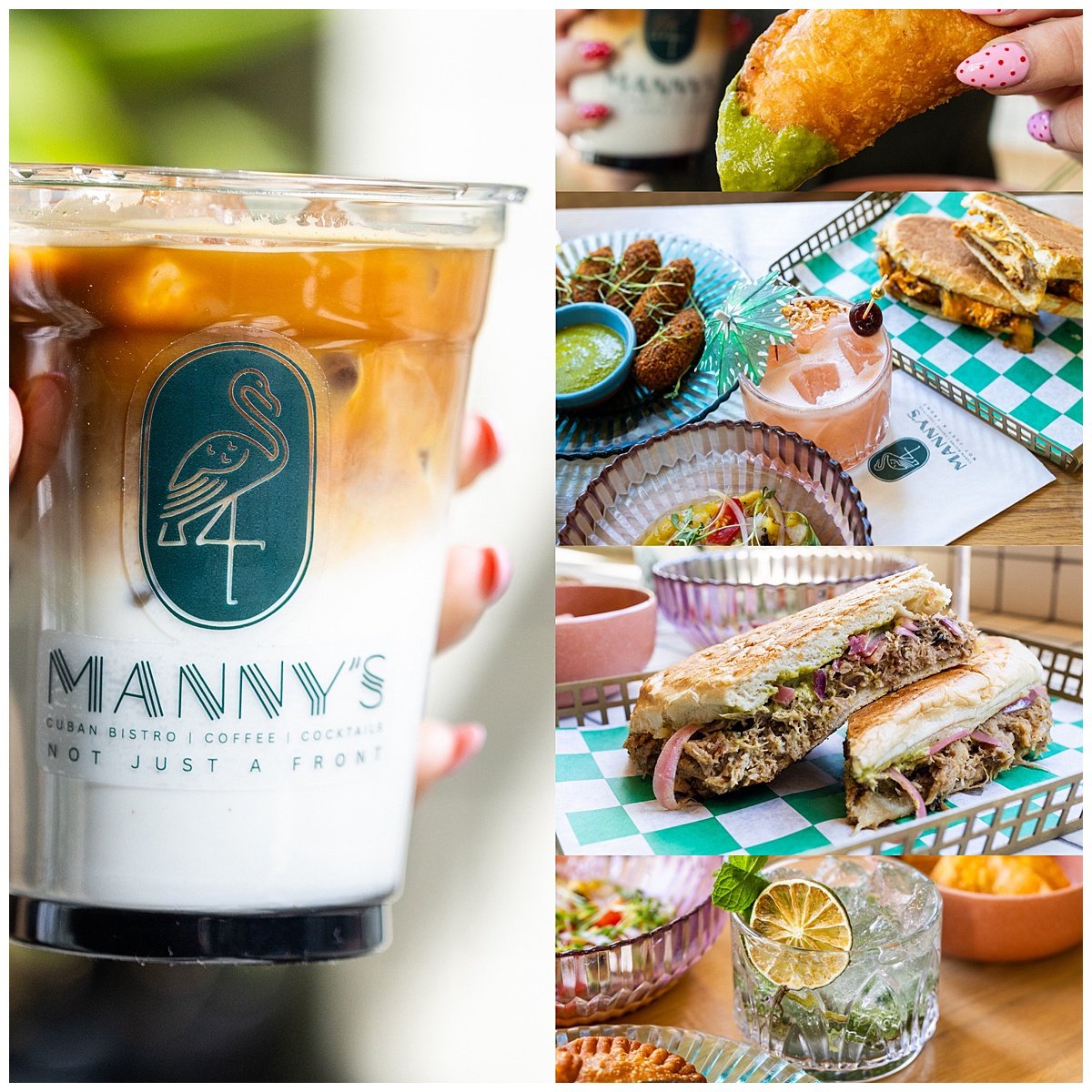
The Vitals: the spot: Manny's 301 W 5th St Suite A, Austin, TX 78701 the eats: Mojitos, cafecitos, pan de lechon and empanadas the bucks: $$ the full nelson: Cuban cravings in downtown Austin
It’s hard to imagine finding great Cuban food outside of Miami (or Tampa… iykyk). But when the craving hits, go where the cafecitos are flowing.
Manny’s is the kind of place where a quick espresso can easily turn into empanadas and a pan con lechón. I’m a lechón guy, so the roast pork sandwich is usually my move.
And yes—there are drinks. After three mojitos, you might forget you’re at SXSW and not sitting in a charming café somewhere in Little Havana.
If someone asks “Where should we eat during SXSW 2026?” Manny’s is a strong answer.
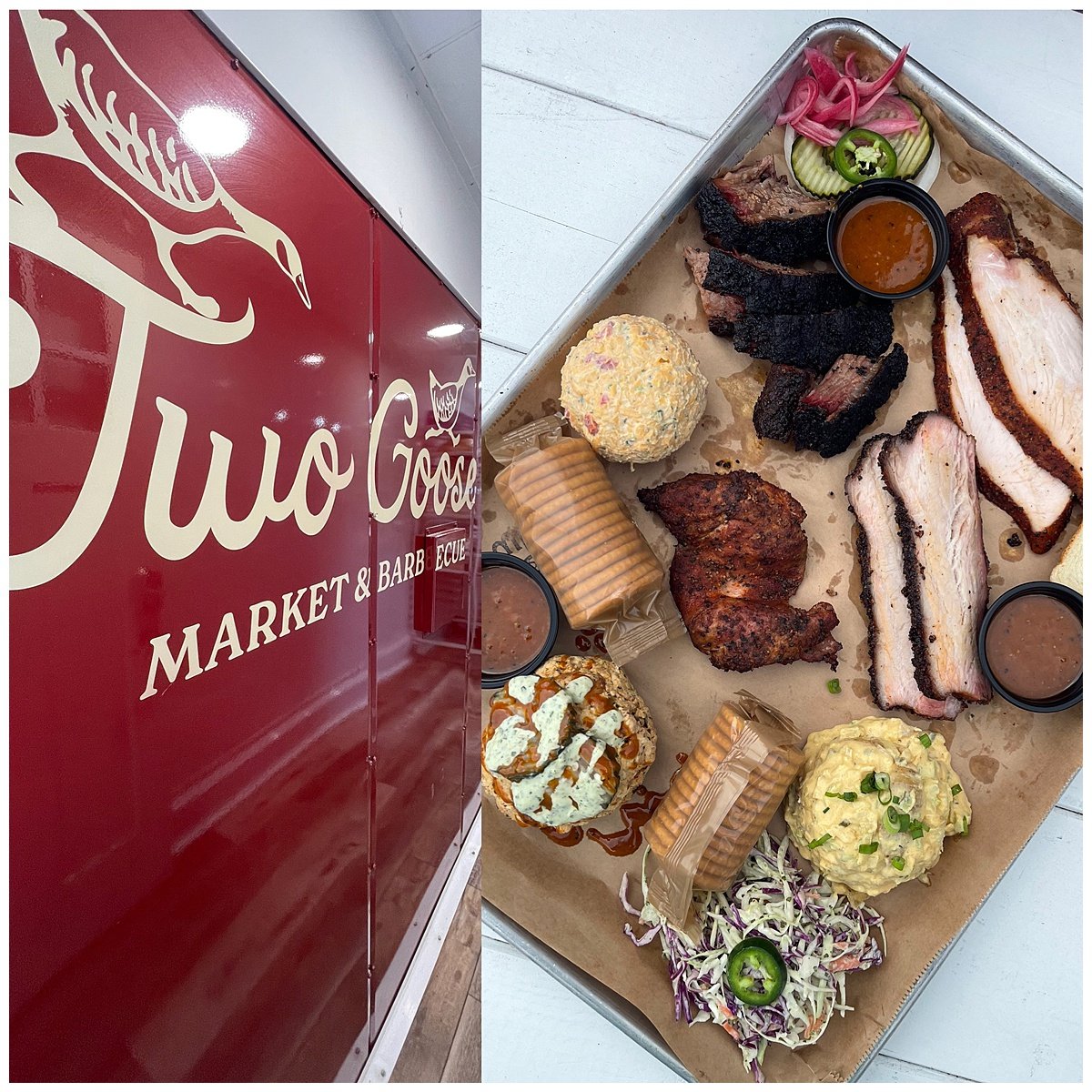
The Vitals: the spot: Two Goose Market 706 N Lamar Blvd, Austin, TX 78703 the eats: Texas BBQ the bucks: $$ the full nelson: a hot new Texas BBQ spot just outside of downtown
Two Goose is brand new to the Austin BBQ scene, but it’s already generating buzz.
If you came to Austin for SXSW, you probably heard one thing repeatedly: Austin takes BBQ seriously.
The pitmaster here comes from one of the city’s most celebrated barbecue spots. In addition to smoked meats, you’ll also find breakfast tacos, good coffee, and one of my favorite chicken salads in town.
But make no mistake: BBQ is the draw.
Order a platter, grab some brisket, and enjoy one of Austin’s most iconic food traditions. It’s just a short Uber ride from the SXSW madness downtown.
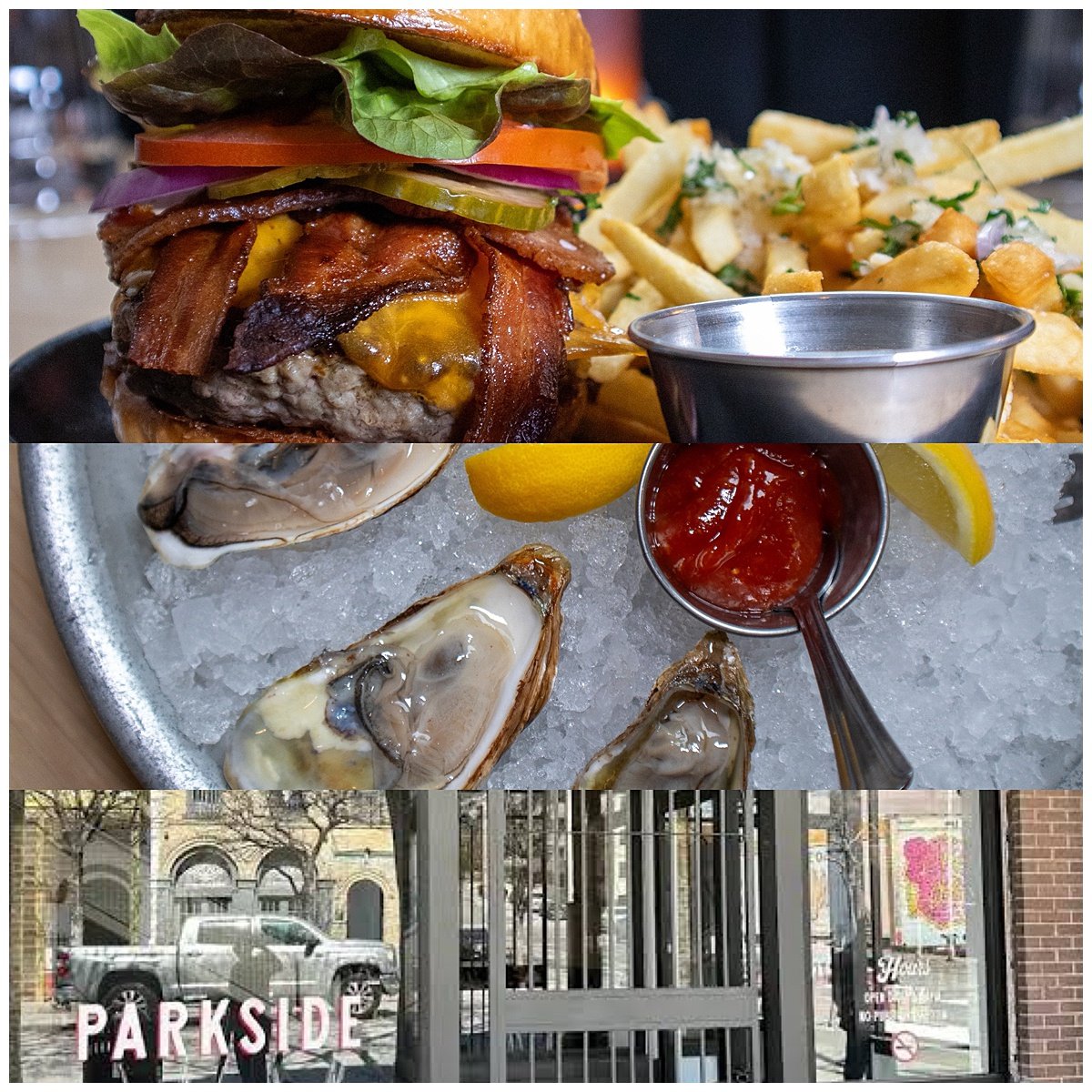 The Vitals:
the spot: Parkside 301 E 6th St, Austin, TX 78701
the eats: farm to table chef driven comfort fare
the bucks: $$-$$$
the full nelson: an old school gastropub that's a downtown Austin gem
The Vitals:
the spot: Parkside 301 E 6th St, Austin, TX 78701
the eats: farm to table chef driven comfort fare
the bucks: $$-$$$
the full nelson: an old school gastropub that's a downtown Austin gem
Parkside has been around long enough that the word “gastropub” still shows up in its bio—and honestly, that’s part of the charm.
Chef-driven burgers, oysters on the half shell, and a strong cocktail program keep Gen X, Millennials, and Gen Z all happy.
If you’re navigating SXSW crowds, happy hour is the move. Slide in for a burger, some oysters, and an Old Fashioned.
Or a mocktail if you’re keeping it light before the next showcase.
Either way, Parkside is a great answer when someone asks:
“Where should we eat during SXSW 2026?”
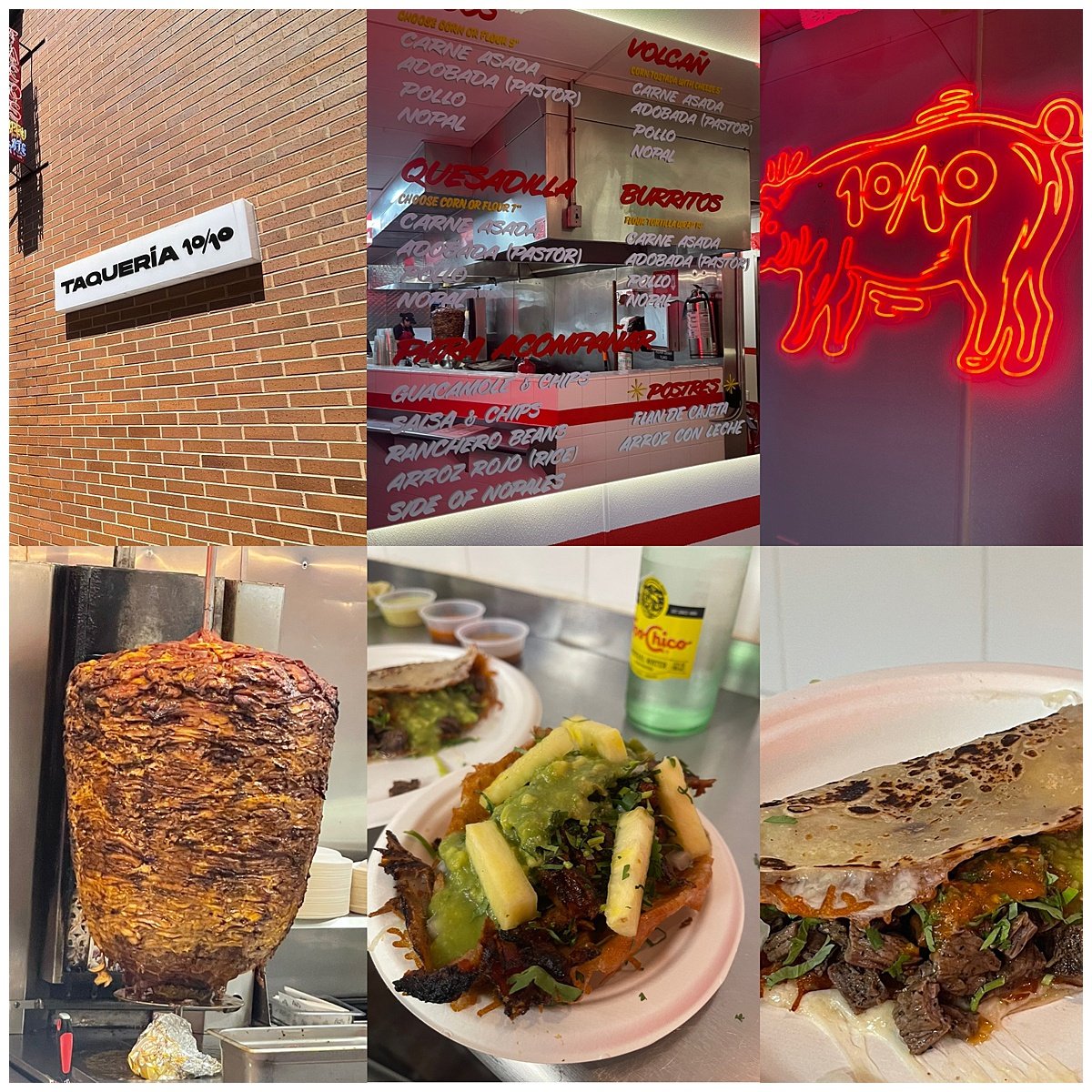 The Vitals:
the spot: Taqueria 10 de 10 206 Trinity St unit 110, Austin, TX 78701
the eats: Al Pastor(Adobada), Carne Asada, Vulcans
the bucks: $
the full nelson: Tijuana style taco stand
The Vitals:
the spot: Taqueria 10 de 10 206 Trinity St unit 110, Austin, TX 78701
the eats: Al Pastor(Adobada), Carne Asada, Vulcans
the bucks: $
the full nelson: Tijuana style taco stand
You can’t visit Austin without eating tacos.
Taqueria 10 de 10 brings Tijuana-style taqueria energy to downtown Austin. The burnt-orange al pastor (called adobada) is the standout, along with carne asada tacos.
But the real move?
Order a Vulcan.
Think of it as a hybrid between a cheesy quesadilla and a crunchy tostada loaded with meat.
It’s tucked into an alley downtown, but it’s close enough to SXSW venues to make the short detour worth it.
And yes—you should absolutely get a Vulcan.
Even if you’re not a Star Trek fan.
Austin has far more restaurants worth exploring, especially if you venture beyond downtown.
But if you’re looking for great food near SXSW 2026, these spots will keep you well fed between panels, parties, and late-night shows.
Dig through the blog for more Austin food recommendations—and enjoy SXSW 2026.
Subway was once the fast food sandwich chain that seemed to rival McDonald’s. The appeal was simple: healthy(ish) food and strong value.
That value is mostly gone.
In 2026, Subway is surprisingly expensive—and facing much stiffer competition from fast-casual sandwich shops, grocery delis, and local spots.
So the question becomes: does this mean the end of Subway?
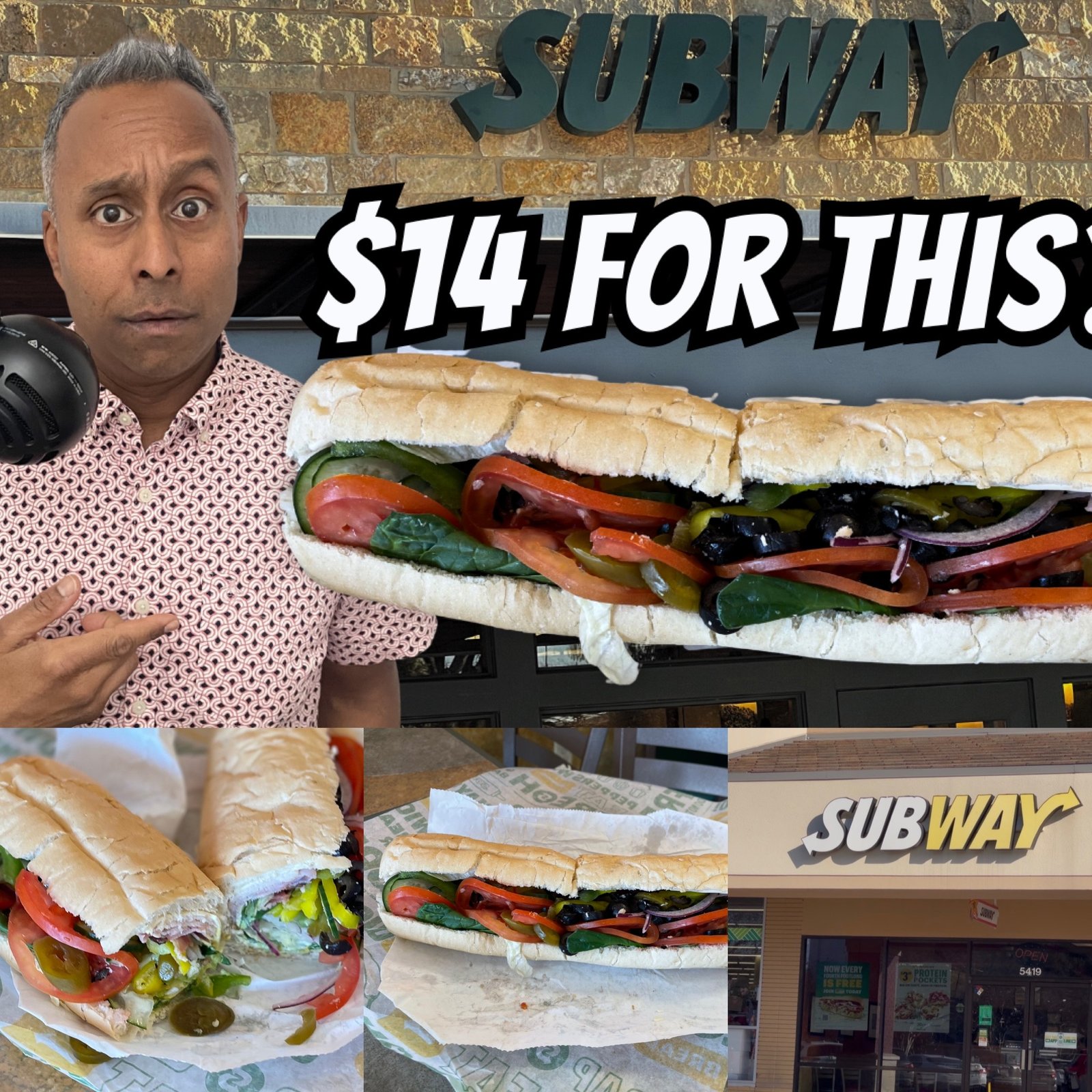
I went to Subway to try the All-American Club.
A footlong sub rang up at $12.98 with tax. And yes, there was also a tip option at checkout.
The sandwich comes with turkey, ham, bacon, your choice of cheese, and all the veggie and sauce toppings you want.
On paper, that sounds like a lot.
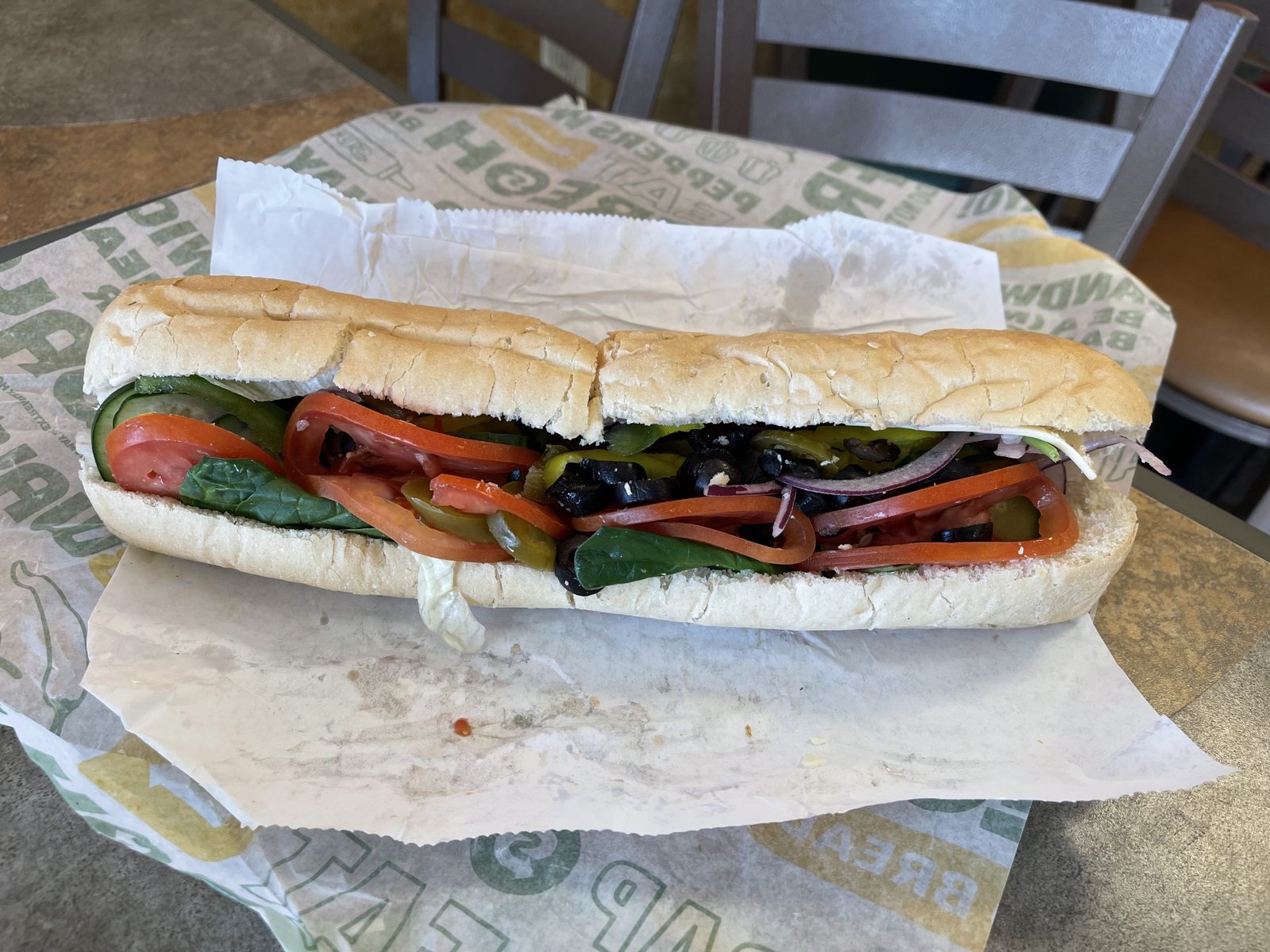
It’s important to point out what’s missing.
No soda. No chips. And honestly… not much visible meat.
Not that there wasn’t meat in the sandwich—you just can’t really see it.
And that’s part of the problem.
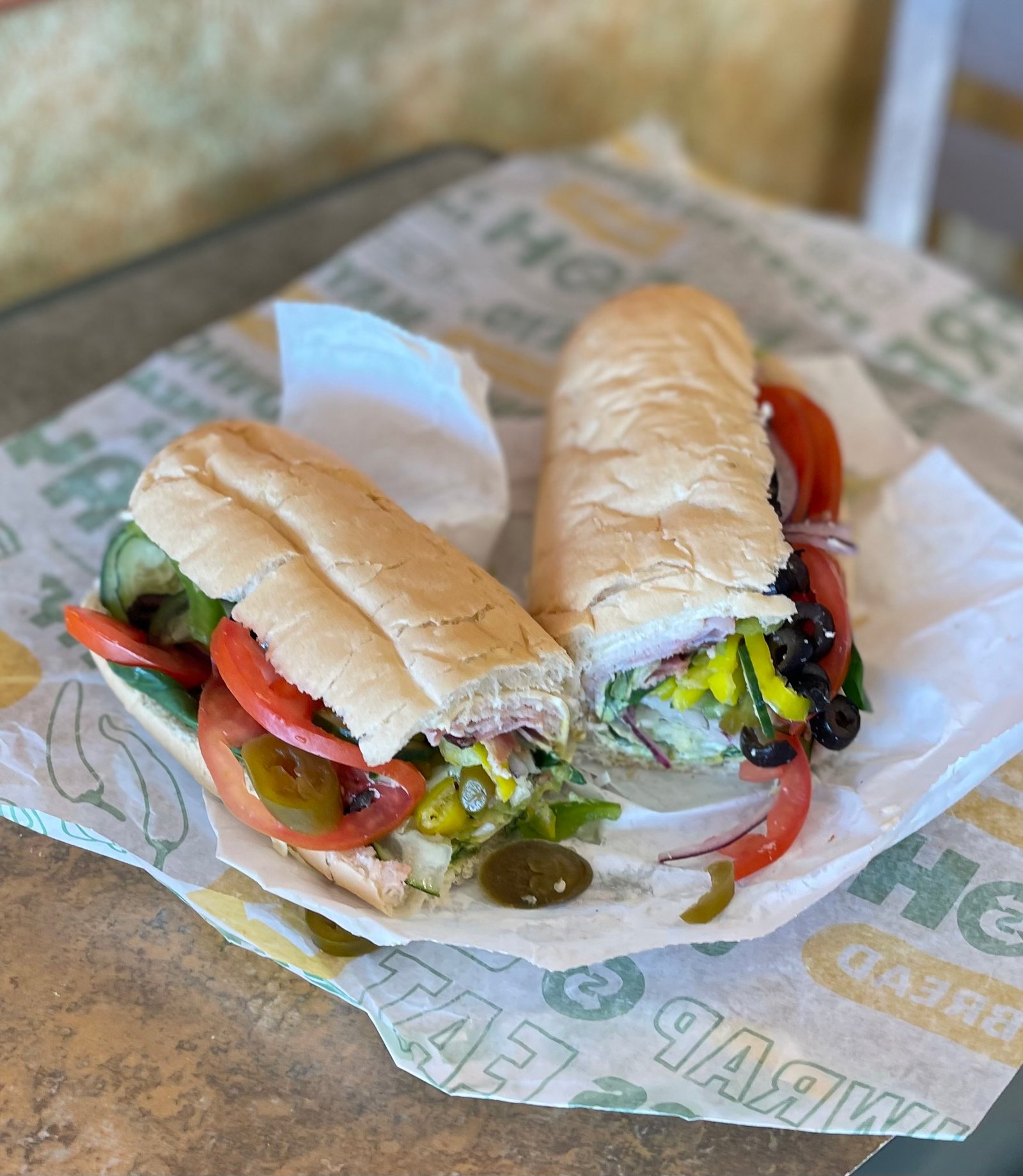
I picked the All-American Club because it ranked highly on several “best Subway sandwich” lists, including one from Tasting Table.
I was honestly prepared for the worst.
And while the sandwich was totally edible, it ultimately felt chintzy.
Subway’s greatest strength is also its greatest flaw: customization.
You can pile on a ton of veggie toppings, and to their credit, the vegetables actually taste fairly fresh for fast food. But it also throws off the ratios.
The result? More bread than anything else.
It’s almost like a po’ boy by culinary design—except not for your pocketbook.
Not in 2026.
Subway became a fast food icon because of value. That value helped offset the reality that the food itself was pretty mediocre.
But with 2026 prices, Subway feels like mid-tier food at premium prices.
The $5 footlong era—arguably Subway’s peak—is long gone.
At least we still have the old commercials.