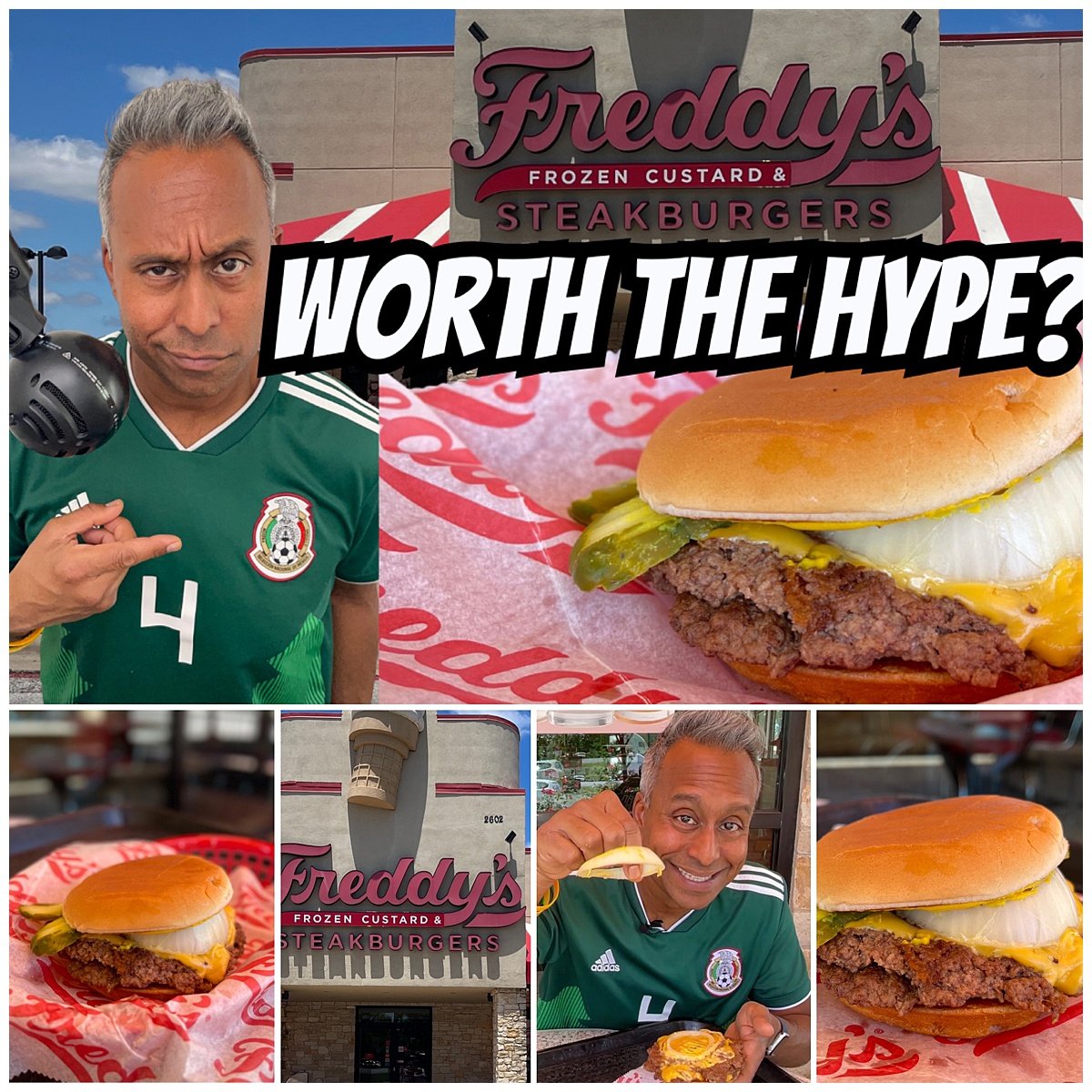
 Freddy’s Steakburger Review:
Six years ago, I wrote a piece comparing Freddy's Frozen Custard & Steakburgers to an old favorite of mine: Steak 'n Shake.
At the time, Freddy’s blew Steak ’n Shake out of the water.
So I figured it was time to revisit Freddy’s in 2026 and see how their famous steakburger holds up in today’s smashburger landscape.
What followed was an enormous disappointment.
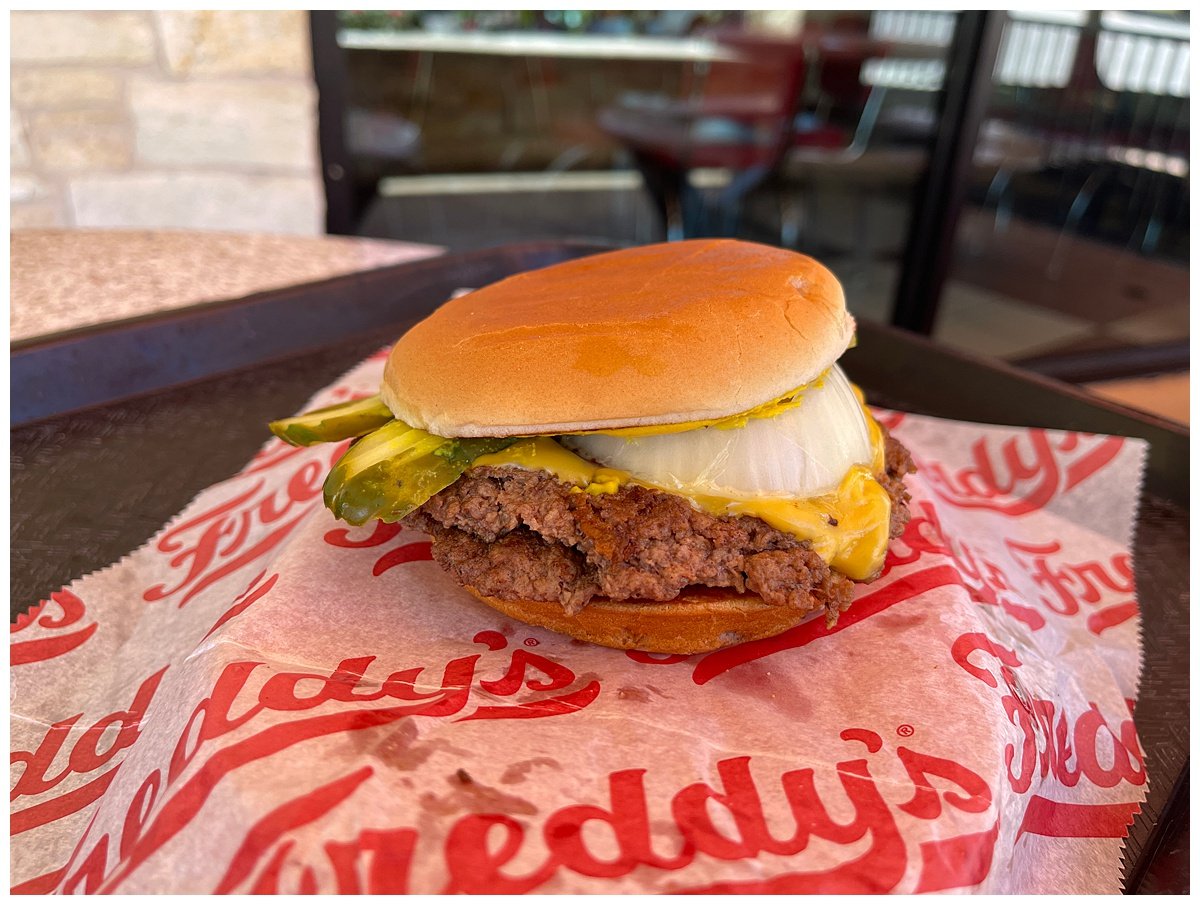 Taste Score: 7.2/10
The biggest issue?
The burger simply lacked flavor.
The beef was under-seasoned, oddly lean tasting, and somehow…
dry.
Which honestly feels impressive considering smashburgers are usually designed to maximize crust, fat, and flavor.
The whole experience felt muted:
And in today’s smashburger era, that’s a serious problem.
Modern smashburger chains have raised expectations dramatically.
Whether it’s:
Freddy’s somehow feels frozen in time.
Even though it was founded in the 21st century.
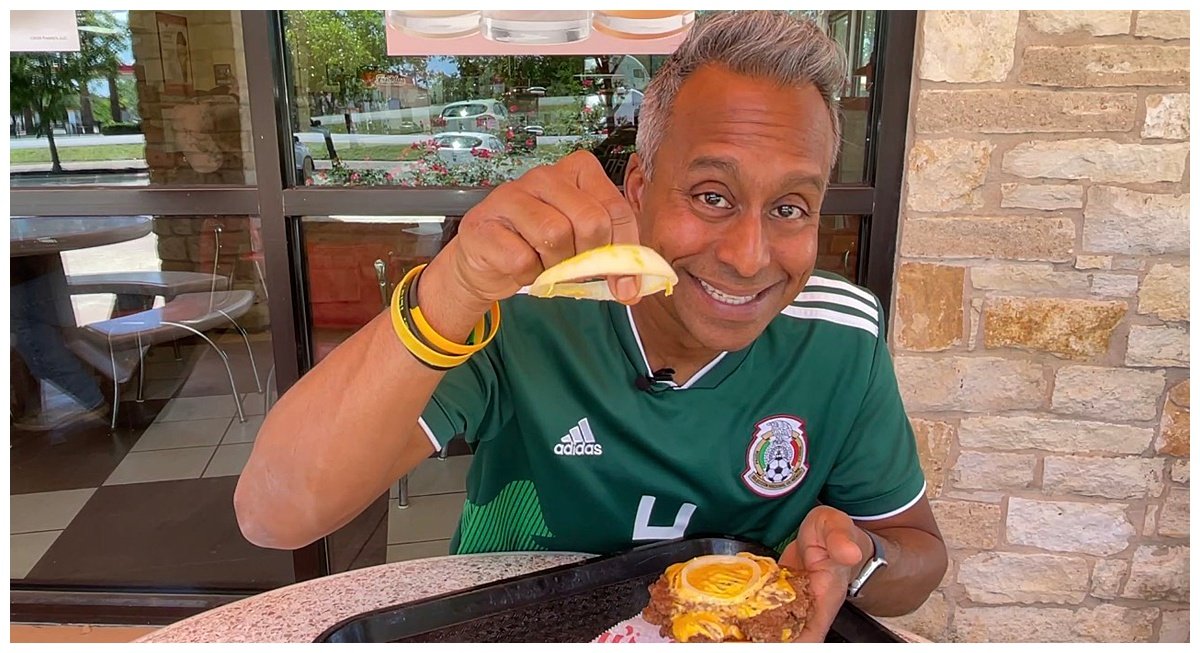 Price Score: 5.8/10
At roughly $8, Freddy’s costs just shy of what you’d expect for a modern fast food smashburger in 2026.
That wouldn’t necessarily be a problem…
if the burger delivered.
The quality simply doesn’t justify the price anymore.
If the burger had stronger seasoning and fresher ingredients, maybe this lands closer to a 6 or even a 7.
Instead, it felt regrettable.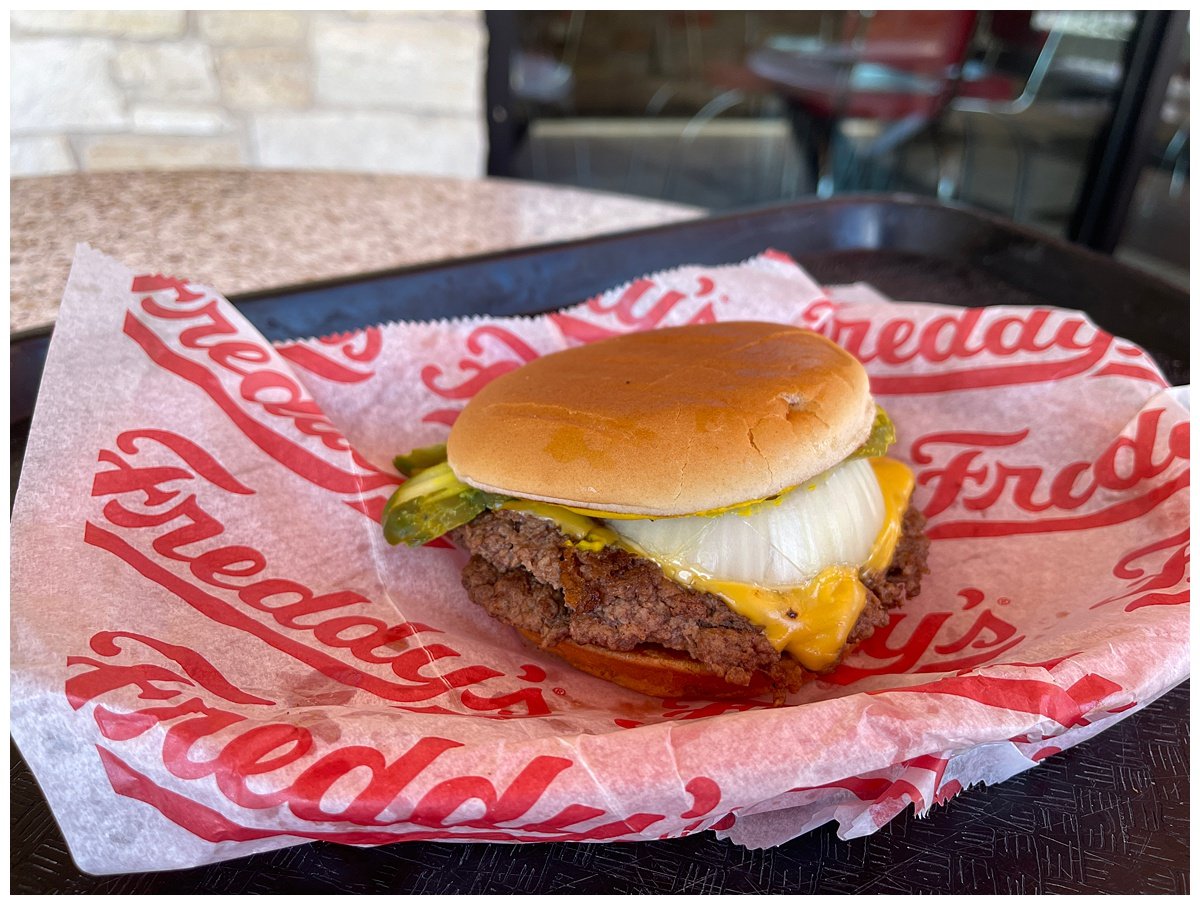
At under 700 calories for a double cheeseburger, Freddy’s lands in a fairly respectable range for fast food.
And honestly, there’s a useful lesson here:
Skipping:
can dramatically reduce calories without ruining the burger experience.
Minimalism only works when the fundamentals are strong.
And unfortunately, the burger itself still tasted bland.
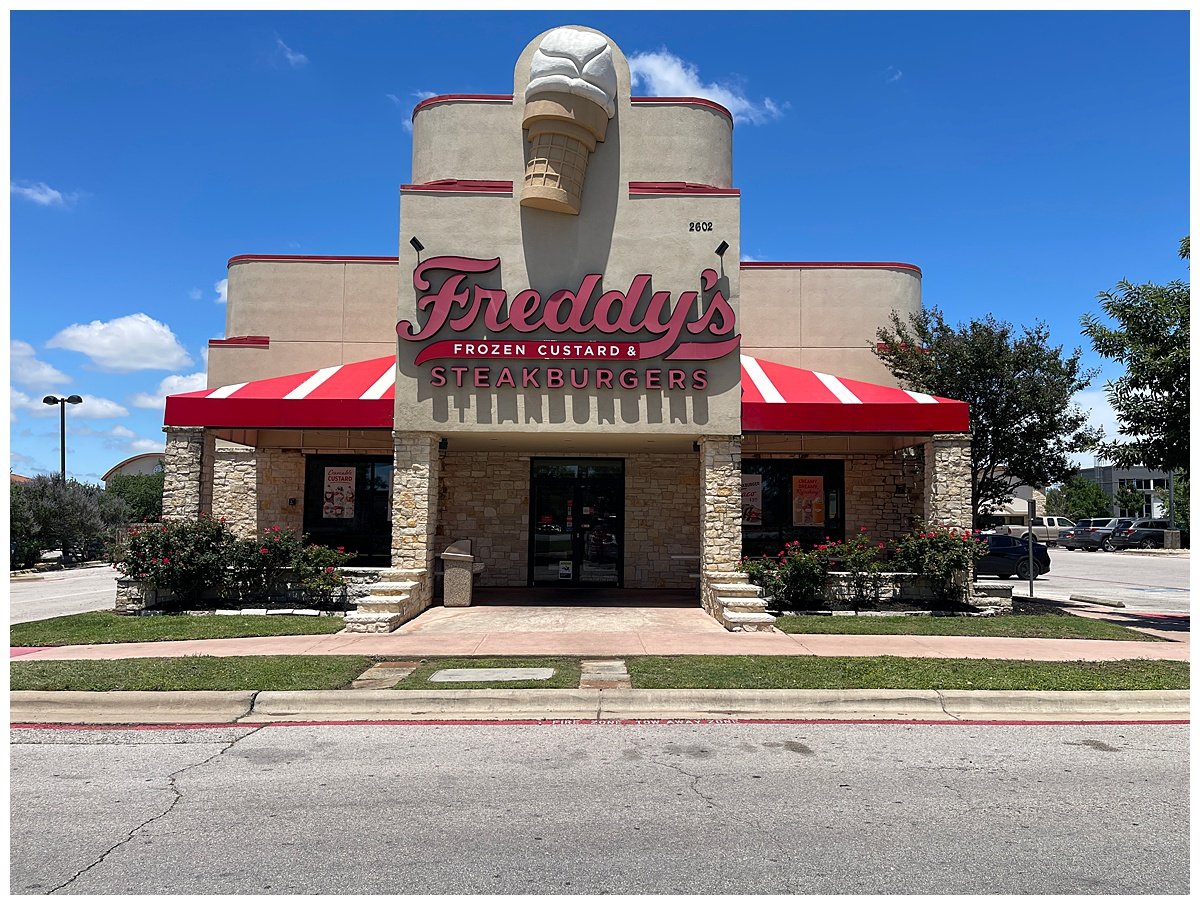 Final Thoughts on Freddy’s Steakburgers
I genuinely liked Freddy’s back in 2020.
But six years later, the smashburger landscape has changed dramatically.
Consumers now expect:
And Freddy’s no longer feels competitive.
Either my standards changed…
or Freddy’s quality slipped.
Possibly both.
 Last Bite
If you’re craving a proper smashburger in 2026?
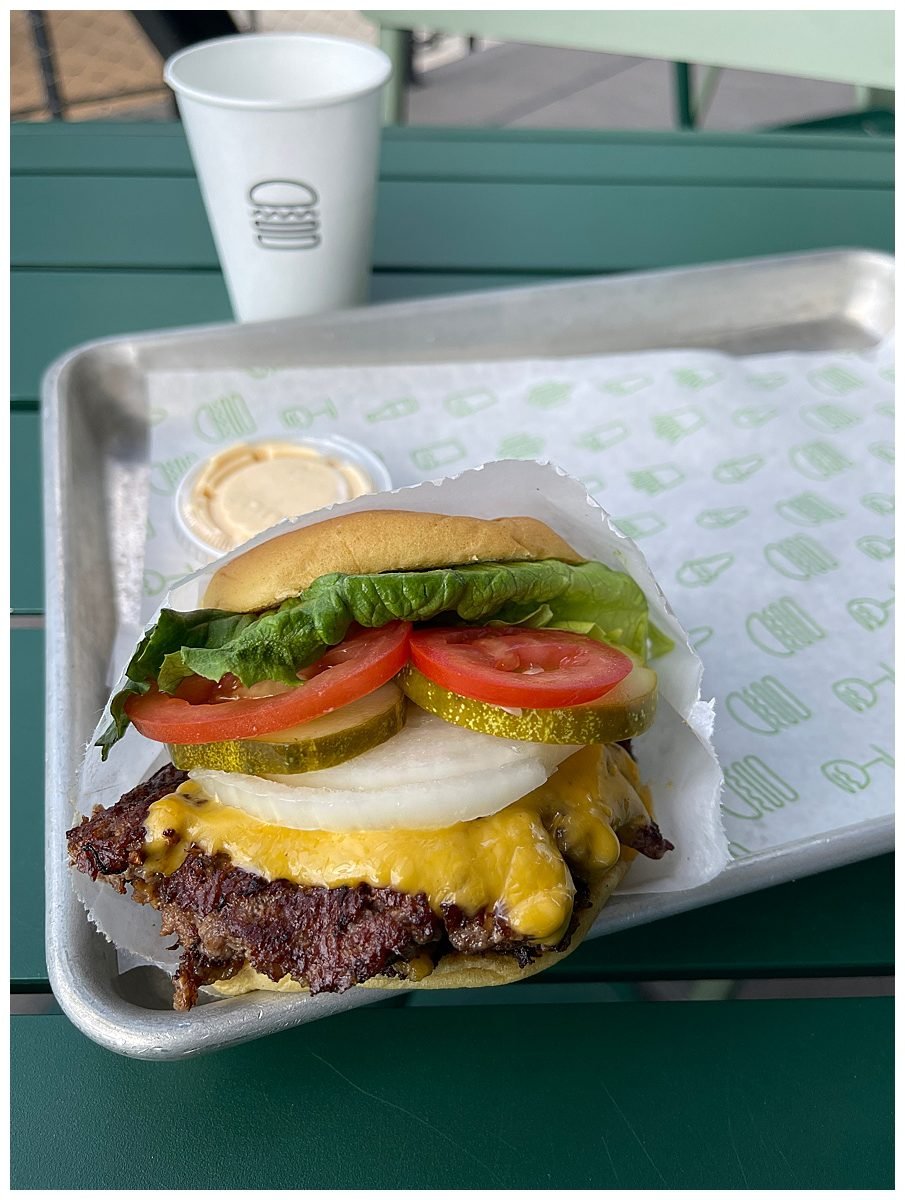
Spend a few extra bucks and go to Shake Shack.
At least there, the burger itch actually gets scratched.
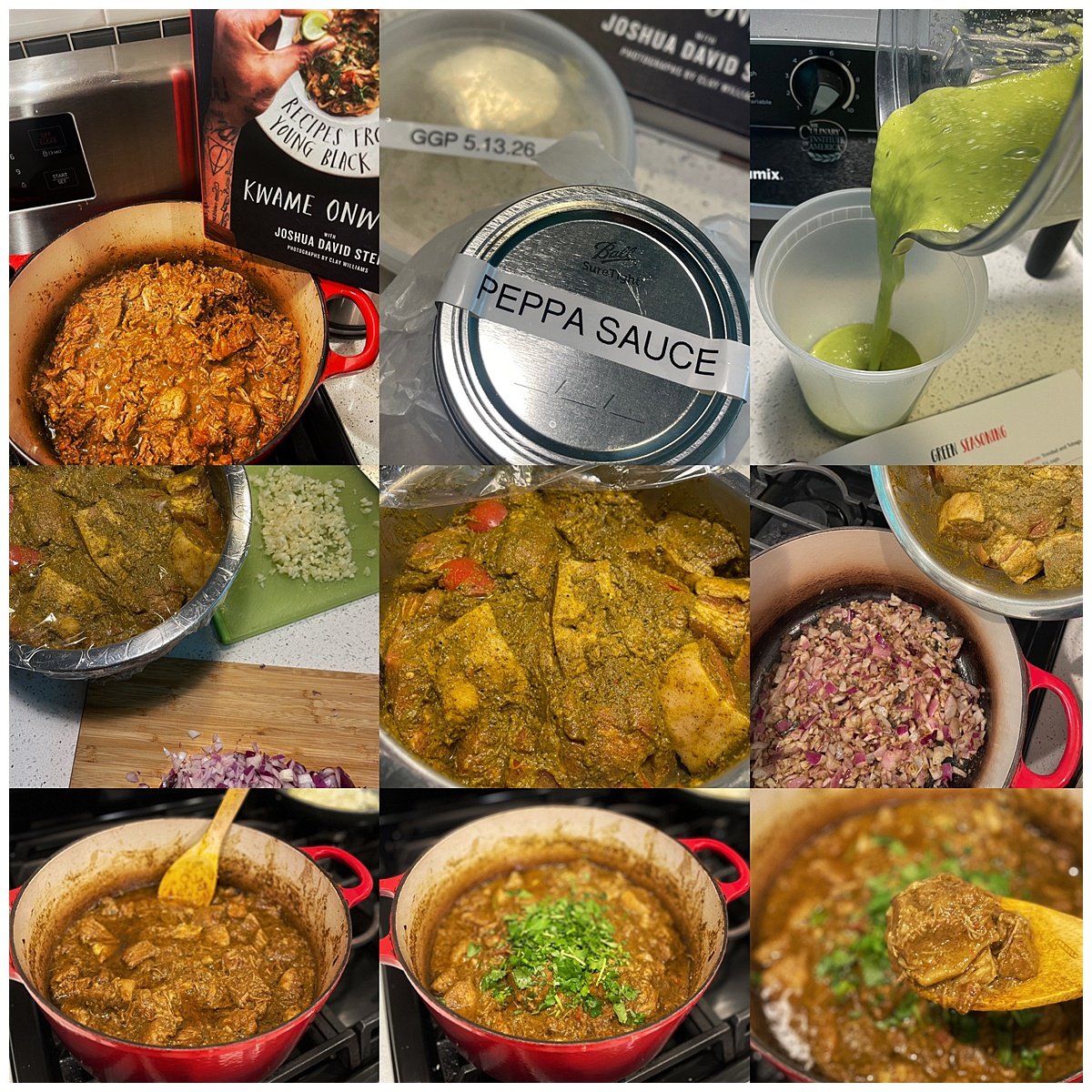
One of the best pork curries I’ve ever had came from a cookbook.
Even more surprising?
The cookbook was written by Chef Kwame Onwuachi, one of the most celebrated names in modern fine dining.
But what makes Kwame’s cooking compelling is how deeply it embraces African, Caribbean, and Black Southern food traditions.
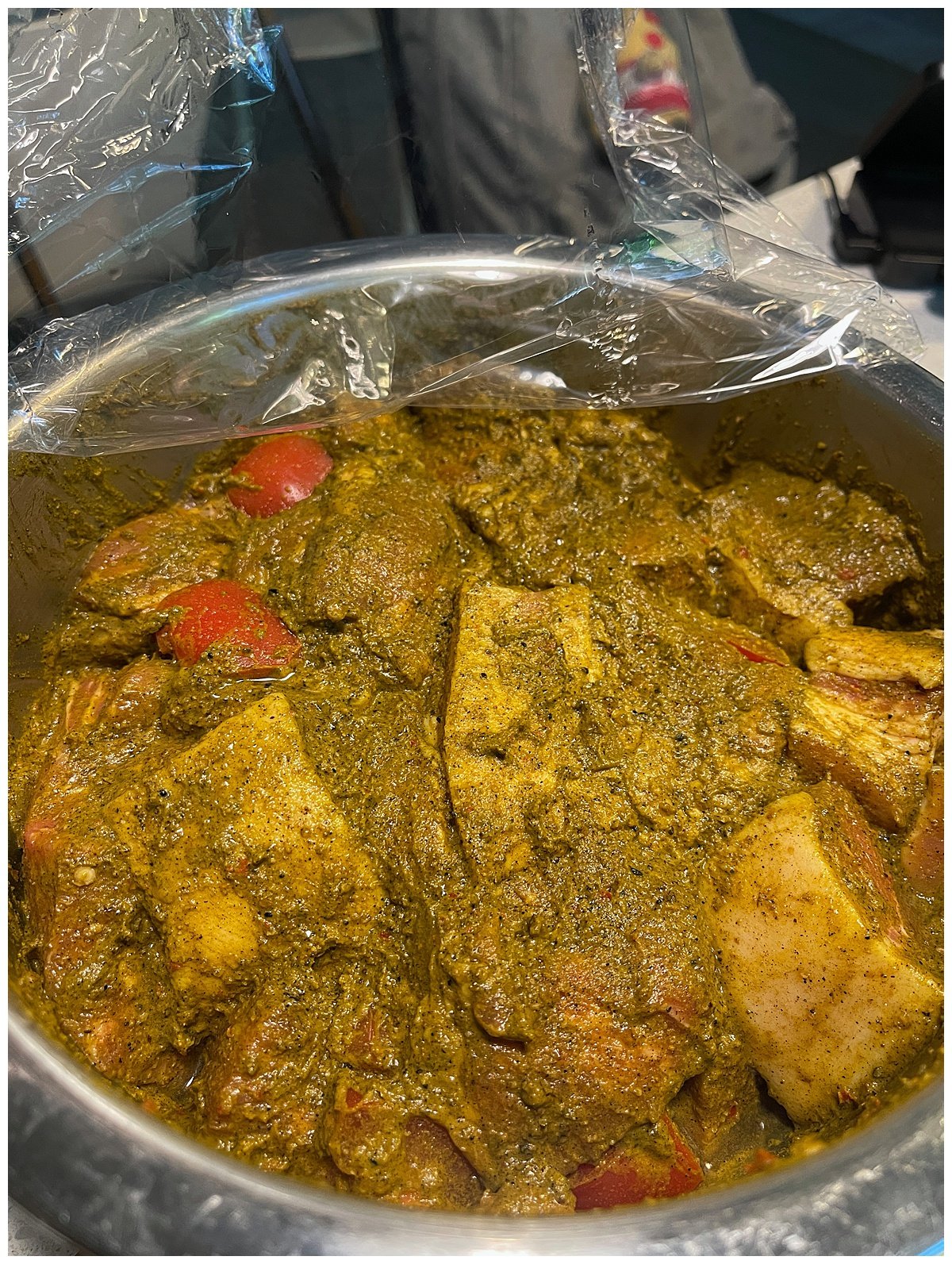
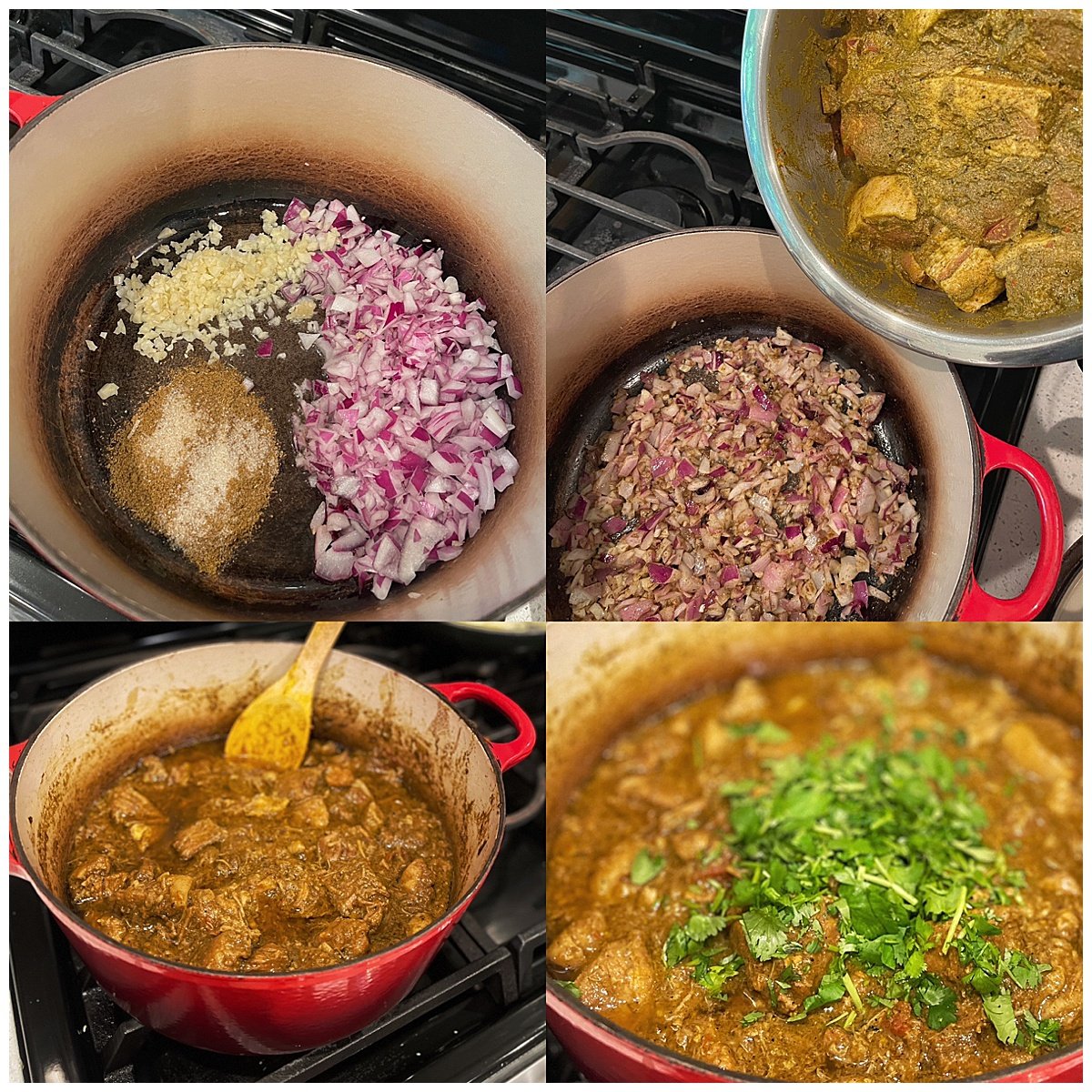
This Geerah Pork is a Trinidadian pork curry, and the name itself tells a story.
“Geerah” comes from the South Asian word for cumin, a nod to the East Indian influence across the Caribbean. From there, the dish becomes unmistakably Caribbean through the use of Scotch bonnet peppers, allspice, lime, and layered curry spices.
I’ve experimented with pork curries before, but they never fully clicked for me.
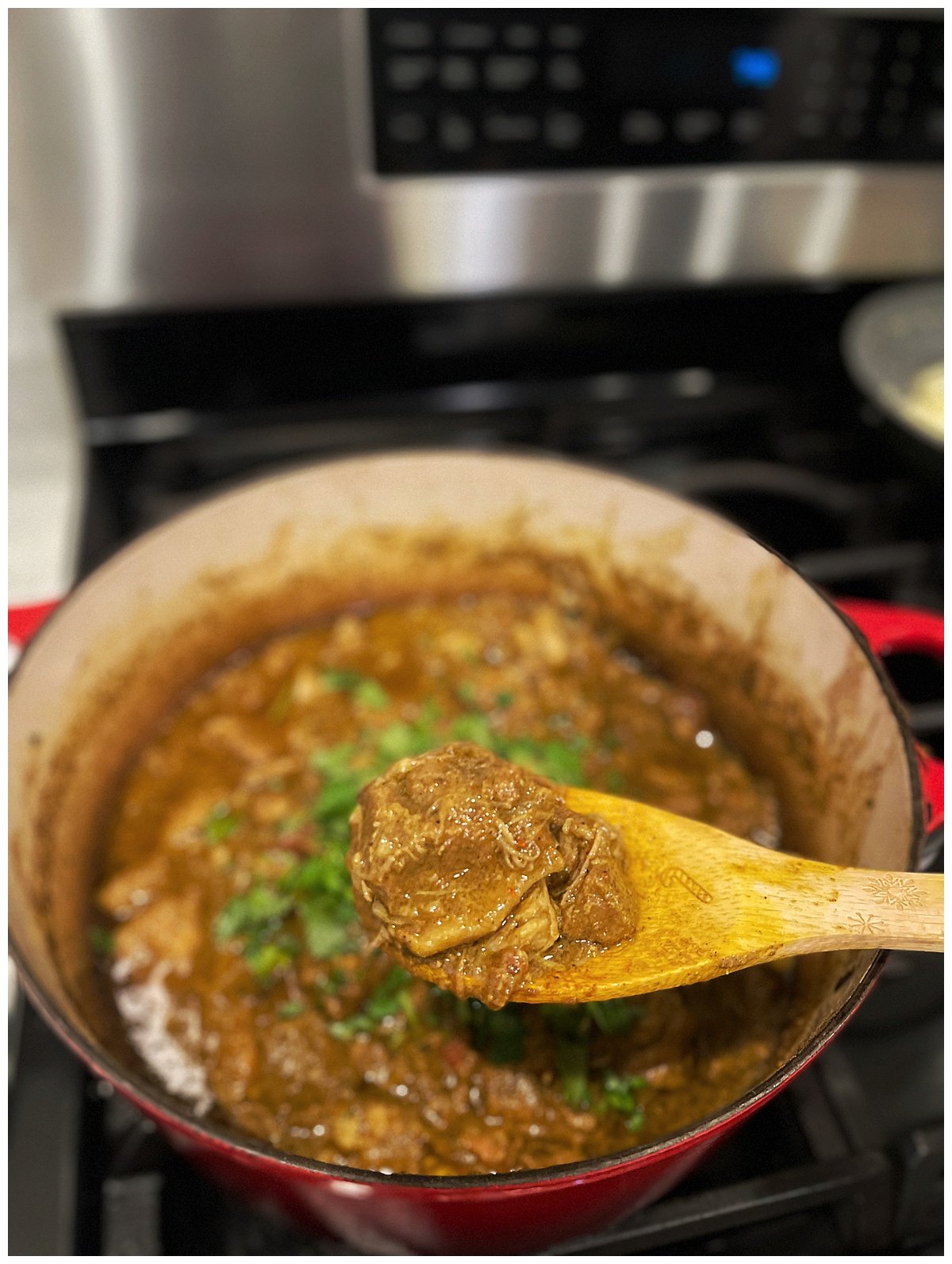
This one completely changed my perspective.
The seasoning doesn’t overpower the pork—it showcases it. Familiar curry spices suddenly taste new again.
I made a few practical adaptations for the home cook, including swapping habaneros for Scotch bonnets and using pickle juice instead of preparing a separate pickling liquid from scratch.
And honestly?
This might be the best pork curry I’ve ever made.
There are a handful of pantry staples and recipe components you’ll want to prepare ahead of time. For practicality’s sake, I scaled a few things back and made some home-cook-friendly substitutions.
Still, this is the extra mile that separates a good curry from one you think about for days afterward.
One thing that immediately stood out in Chef Kwame Onwuachi’s recipe was the curry powder.
This isn’t the generic yellow curry powder sitting forgotten in the back of your spice cabinet.
The blend leans heavily into toasted coriander and cumin with warm notes of allspice, anise, and fenugreek. It smells earthy, floral, and deeply aromatic in a way store-bought curry powders rarely do.
That said…
The original recipe makes a fairly large batch, so I scaled it down for practical home cooking purposes.
Highly recommend toasting the whole spices in a dry pan before grinding.
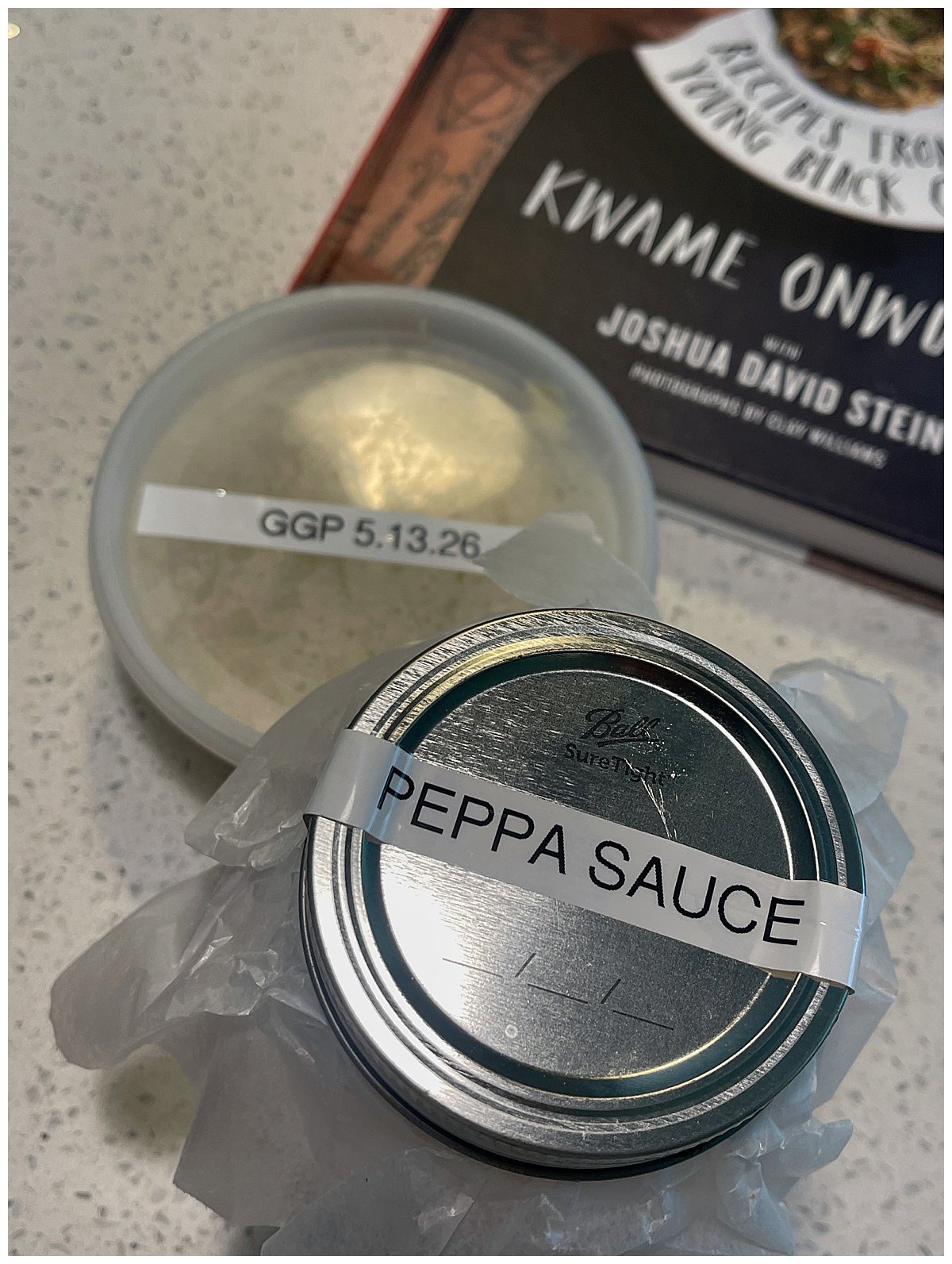
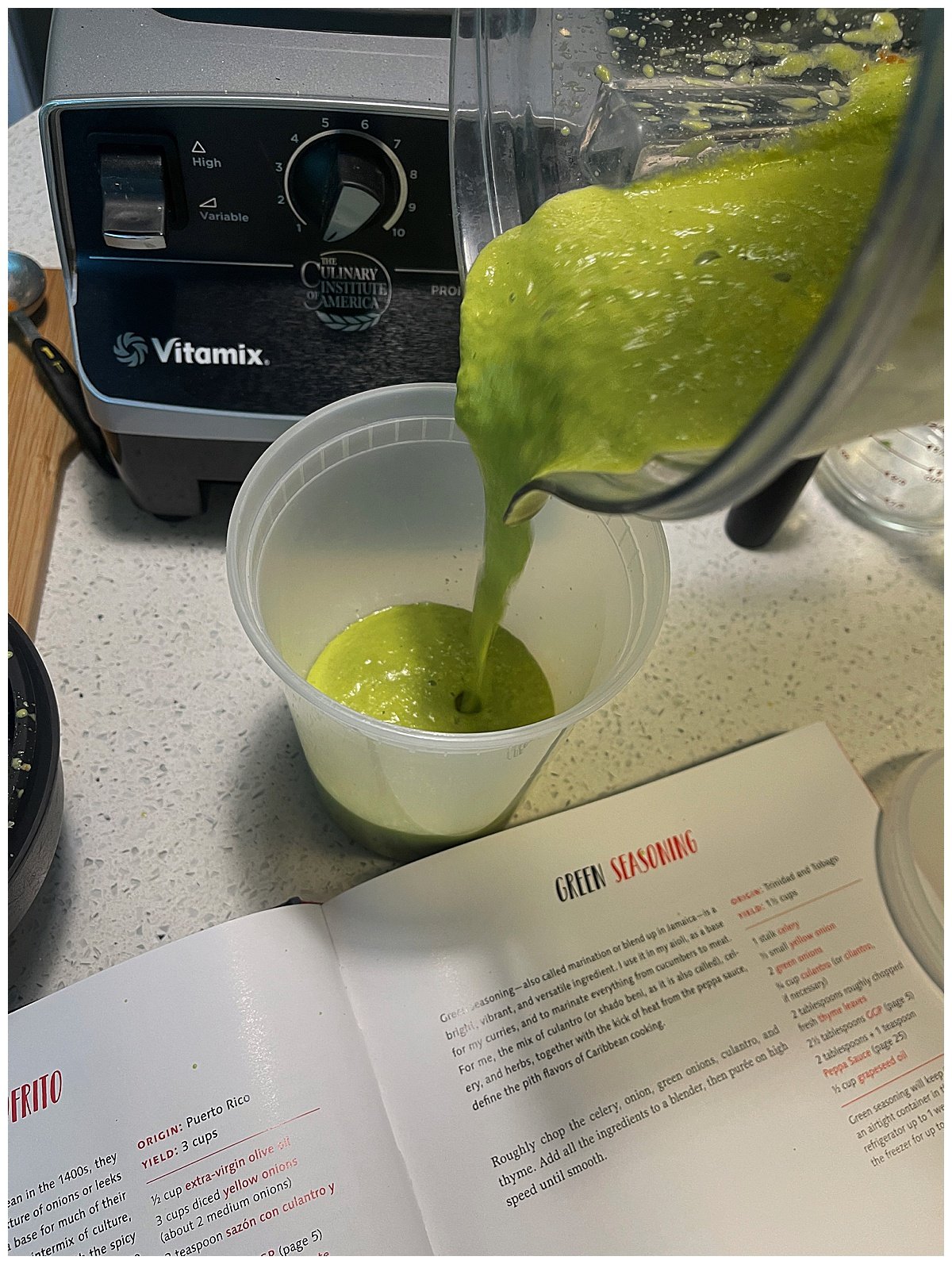
The original recipe makes a massive batch of pepper sauce. I scaled things back considerably and made a few practical substitutions using ingredients I already had in the fridge.
Throw everything into a food processor and blitz till smooth. Pour into a jar and place a little wax paper between the lid and the sauce because vinegar has a tendency to react with metal lids.
And fair warning:
this stuff has some kick.
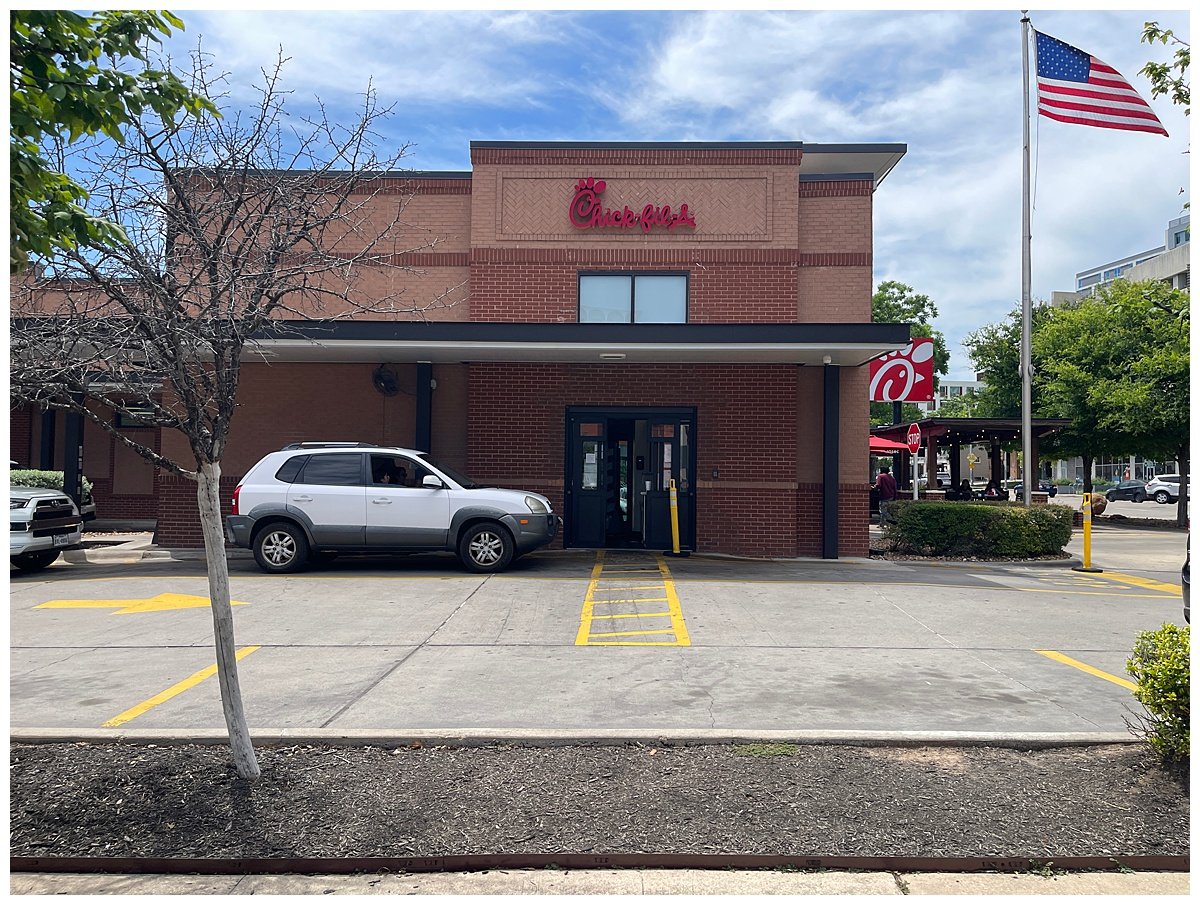
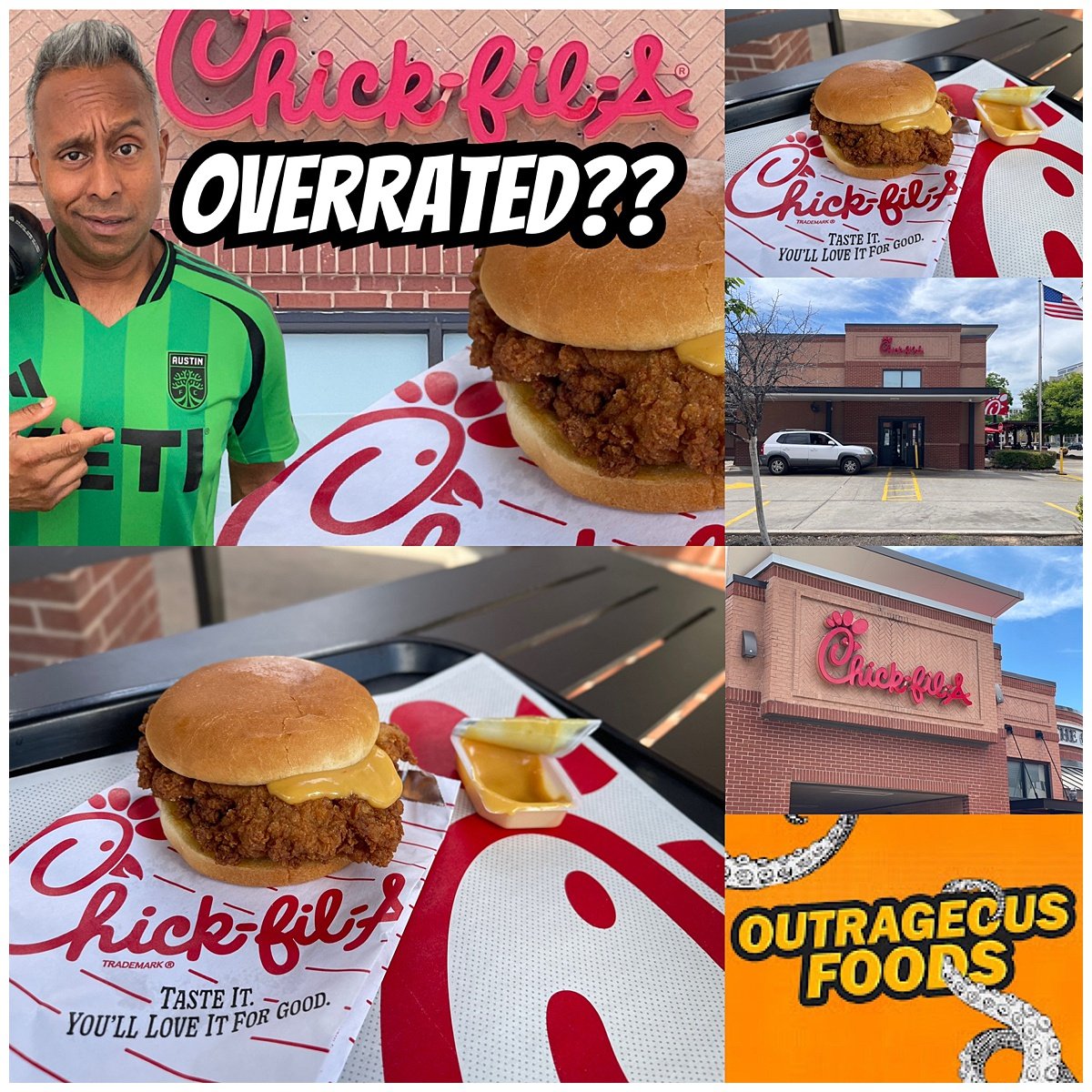 Chick-fil-A Review:
I have something to confess:
I’d never really eaten at Chick-fil-A before.
Well… sort of.
I had it once at a sporting event years ago and remembered thinking:
“This is it?”
The sandwich felt small, plain, and a little dry.
So I went into this review fully prepared to rip Chick-fil-A apart as another regional fast food phenomenon fueled more by hype than actual flavor.
And honestly?
That’s at least part of the story behind chains like In-N-Out Burger too.
The difference is In-N-Out also delivers some of the best bang-for-your-buck value in fast food.
Then something totally unexpected happened:
Chick-fil-A blew me away.
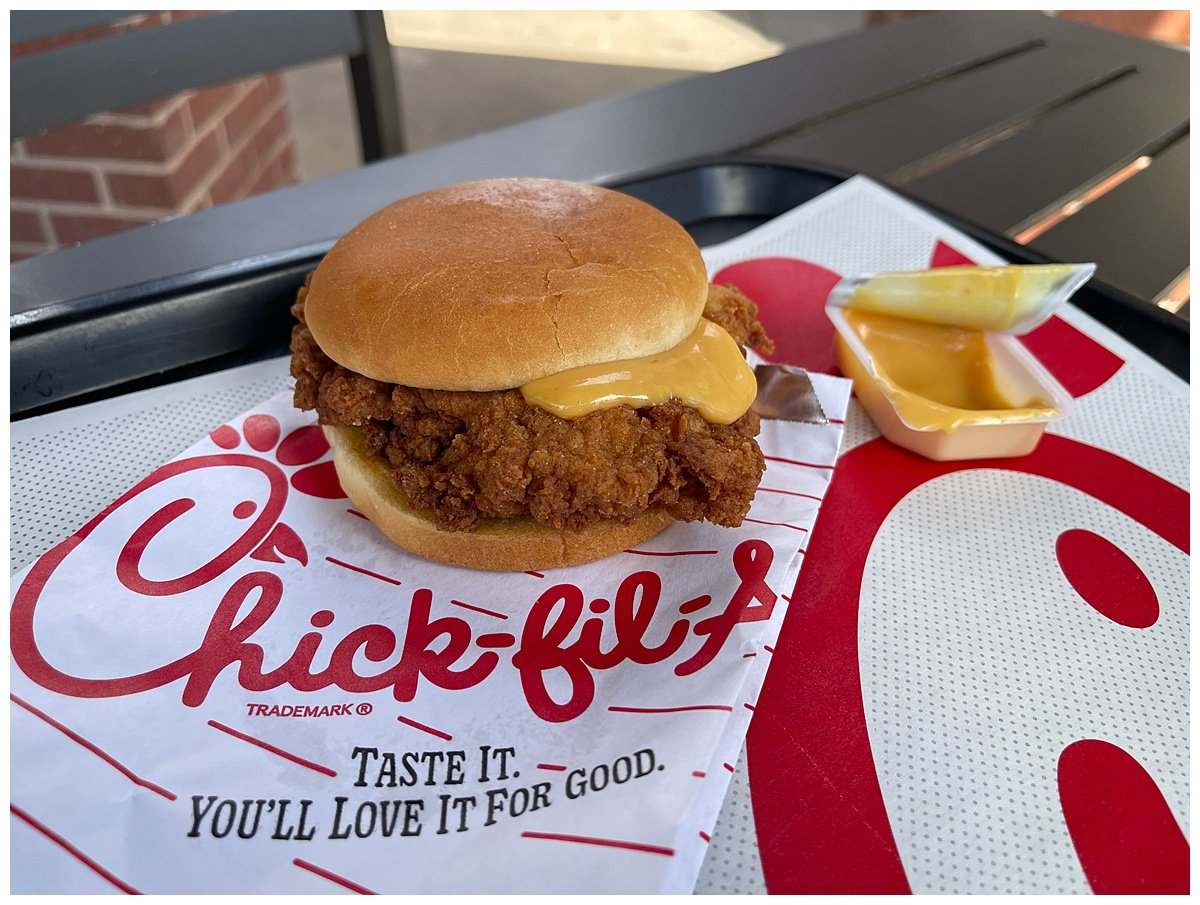
At the end of the day, this is basically:
That’s it.
And somehow…
it works incredibly well.
The breading is heavily seasoned, which immediately reminded me of Korean fried chicken I had while traveling in South Korea. That aggressive seasoning is what gives the Chick-fil-A sandwich its signature flavor.
Additional points for the chicken breast not being bone dry.
Just juicy enough.
The pickle was pathetic.
Full stop.
And the famous Chick-fil-A sauce?
Did absolutely nothing for me.
It looked radioactive and tasted like a strange honey mustard variation from another planet.
Also, while the sandwich is tasty, it doesn’t feel as hearty as something like the Popeyes chicken sandwich.
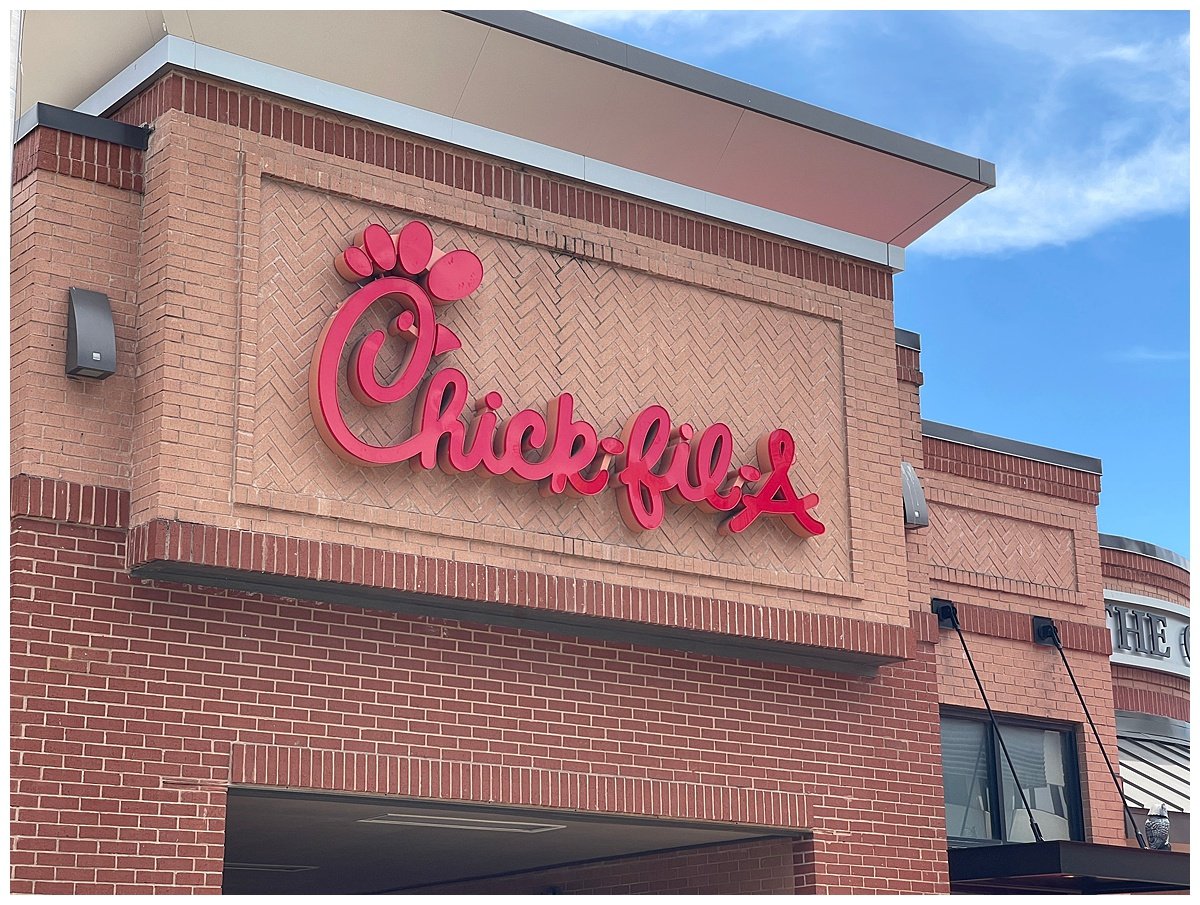
My sandwich cost $5.62 with tax.
In today’s fast food economy, that honestly feels reasonable.
And shoutout to Chick-fil-A for not hitting me with tablet tip guilt before I’ve even touched the food.
I skipped fries and a drink, mostly because the sandwich itself already felt indulgent enough.
More on that in the calorie section.
The sandwich isn’t huge.
At best, it’s a modest meal—but still a satisfying one.
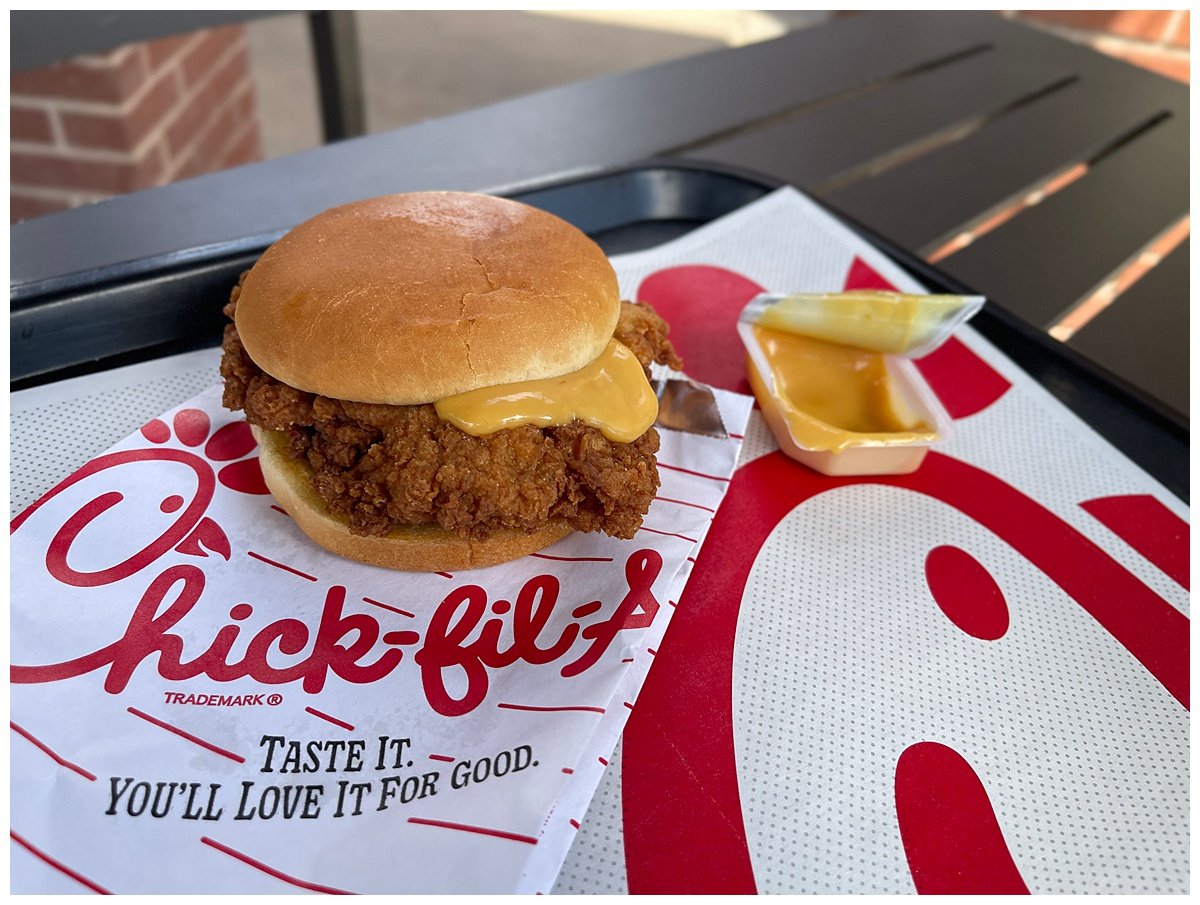
At 540 calories with sauce, the Chick-fil-A Original Chicken Sandwich is actually pretty modest for fast food.
For comparison:
Which raises an interesting point:
Maybe fried chicken sandwiches aren’t the calorie apocalypse we assume they are.
Personally, I’d skip the Chick-fil-A sauce entirely and use those 140 calories on a little good mayonnaise like Duke's or Hellmann's instead.
About 30 minutes later…
the food coma arrived.
That unmistakable fast food crash where suddenly a nap sounds incredible.
The hype?
It’s real.
The sandwich is:
And it delivers exactly what fast food is supposed to deliver: comfort, convenience, and flavor.
But it also delivers the classic fast food trade-off:
The crash afterward.
Hot take: the sauce is wildly overrated.
Still…
I’d absolutely eat Chick-fil-A again.
I’d just pair it with a cold brew chaser.
 Last Bite
Chick-fil-A Nation…
I get it now.
But like all fast food, even when the price feels right at the register, there’s usually another price to pay later.
Especially if it becomes a habit.
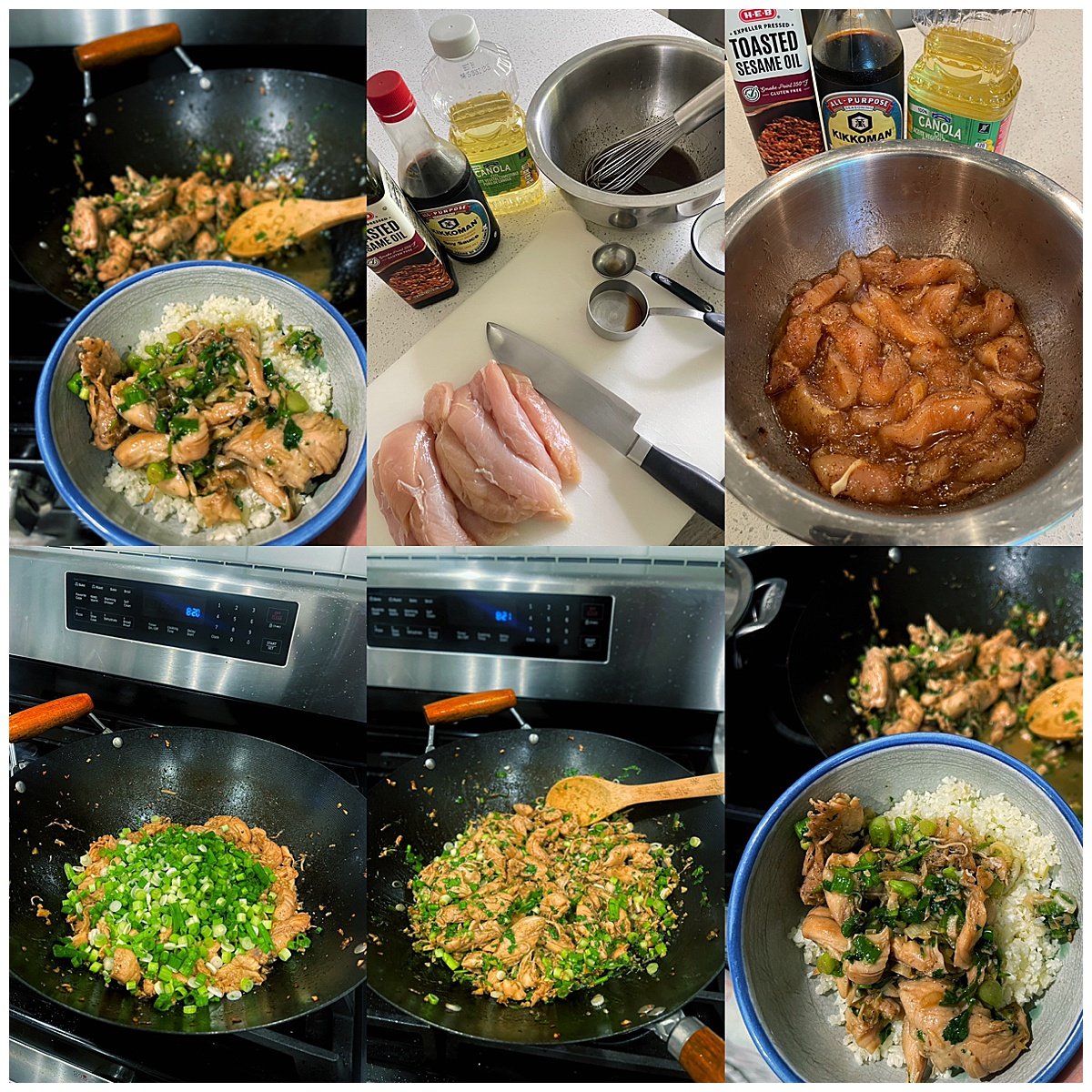
Most weeknight-friendly recipes don’t exactly scream authenticity—especially when it comes to the bold, layered flavors of Thai cooking.
But Thai Garlic Pepper Chicken, also known as Gai Pad Kratiem, proves that simple ingredients can still deliver serious flavor.
Built around garlic, black pepper, soy sauce, and herbs, this Thai chicken stir fry comes together quickly while still tasting restaurant-worthy.
And this version comes from an incredibly trusted source:
Chef Nok Suntaranon of Kalaya in Philadelphia, an award-winning chef featured on Chef's Table.
So yes…
this recipe absolutely passes the vibe check.
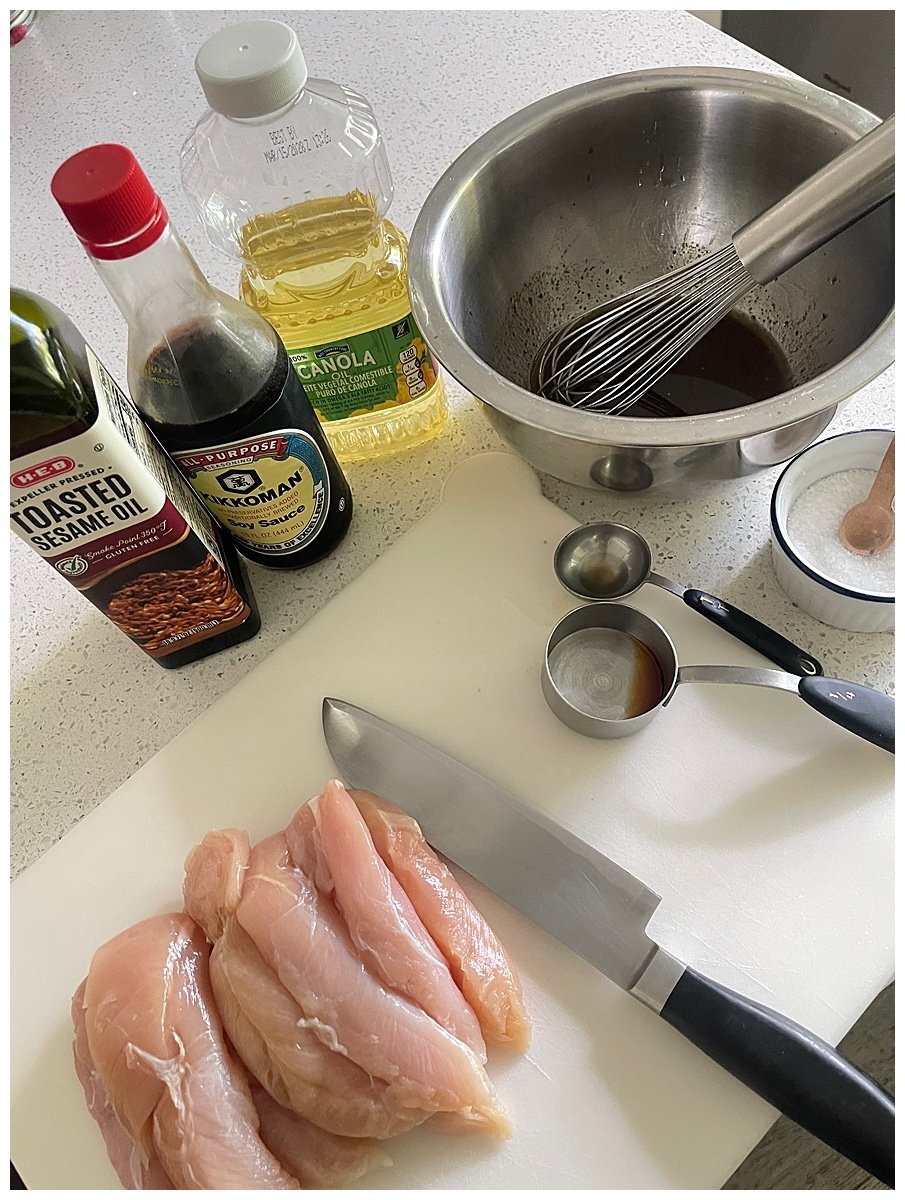
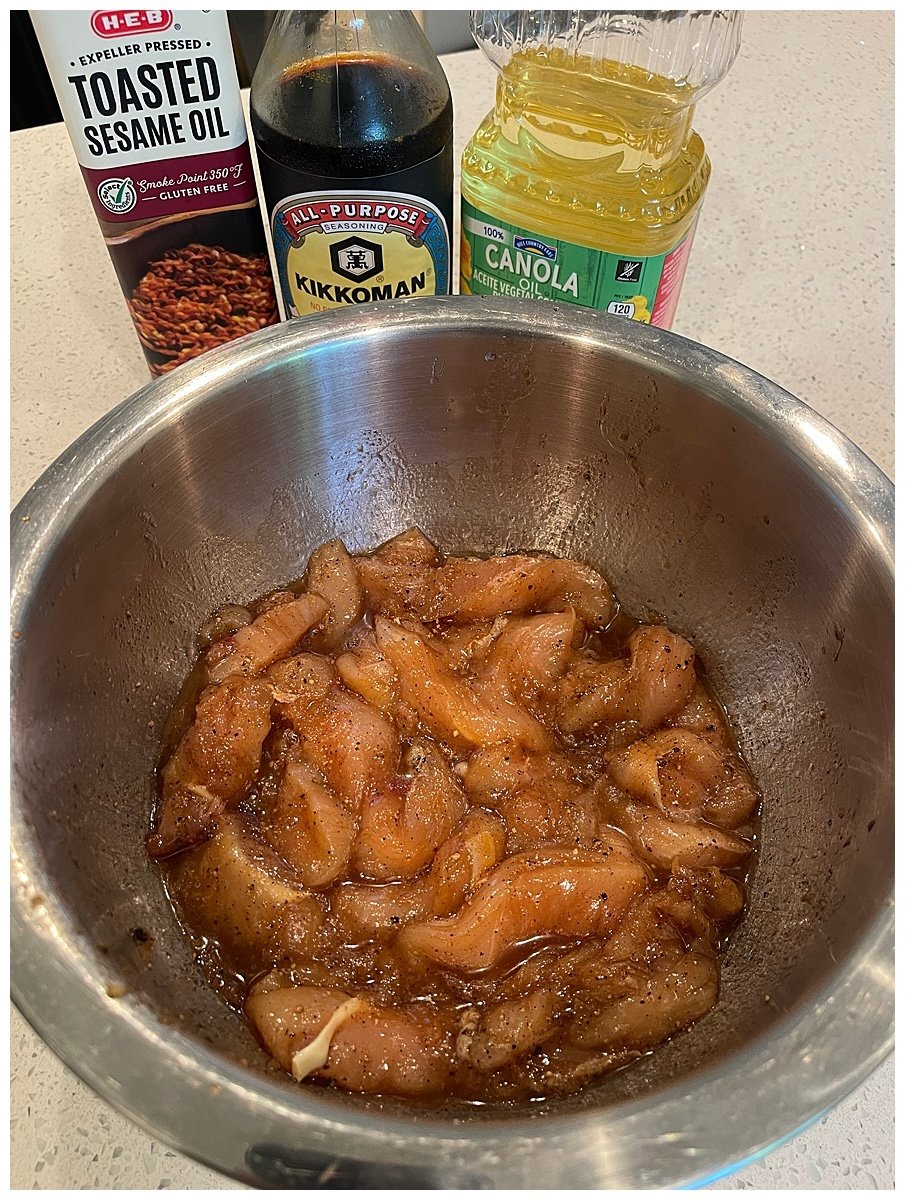
Combine all marinade ingredients and mix well.
Slice the chicken tenders into thin strips—the thinner the better.
Marinate for at least 30 minutes or up to overnight.
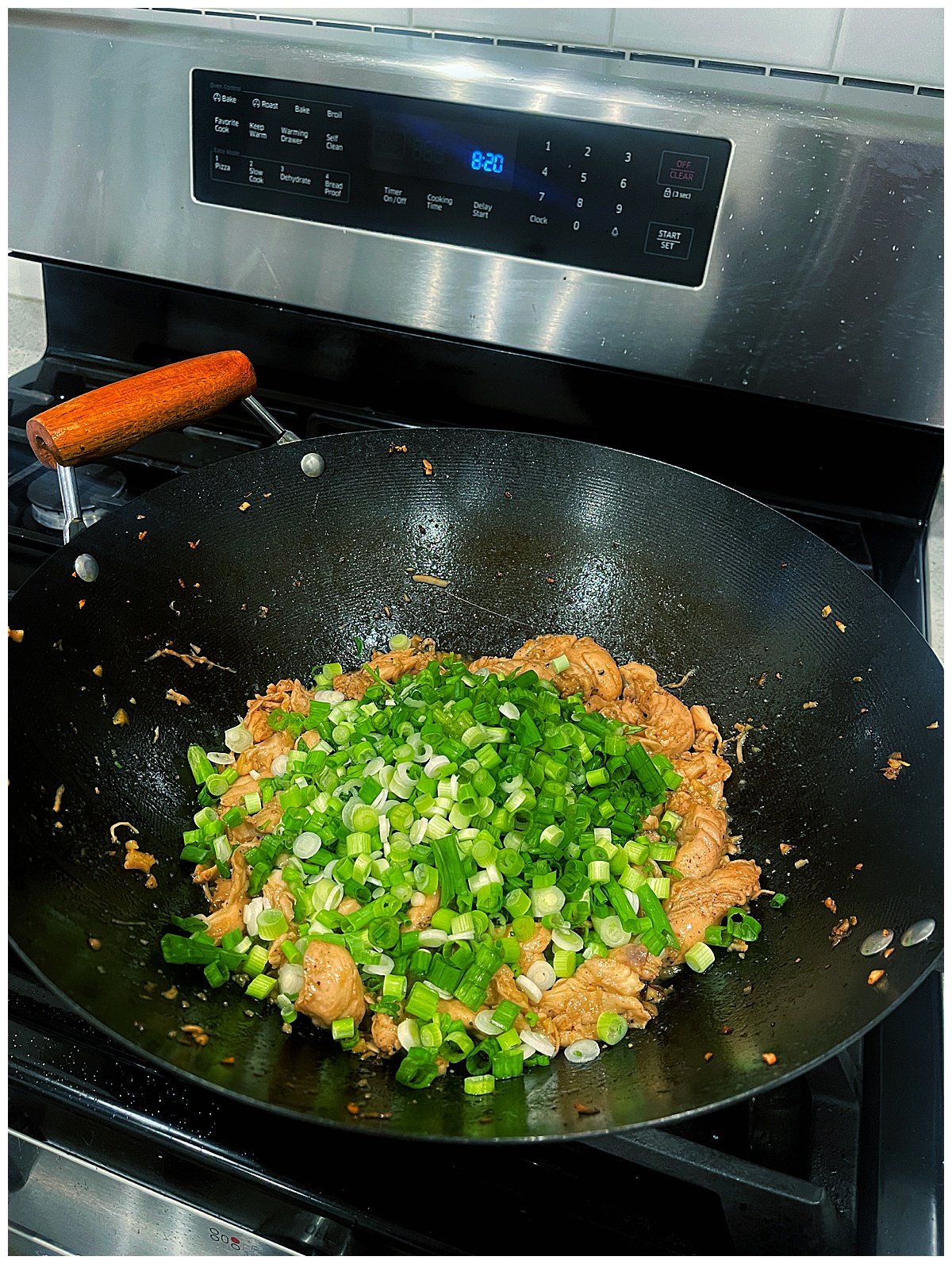
Heat the oil in a wok or large skillet until lightly smoking.
Add the marinated chicken and chopped garlic. Stir fry for 1–2 minutes until the chicken begins to change color.
Add:
👉 Be careful with additional salt since the marinade and soy sauce already bring plenty of sodium.
Cook for another few minutes until the chicken is fully cooked through.
Turn off the heat and stir in the scallions and cilantro.
Serve immediately with rice.
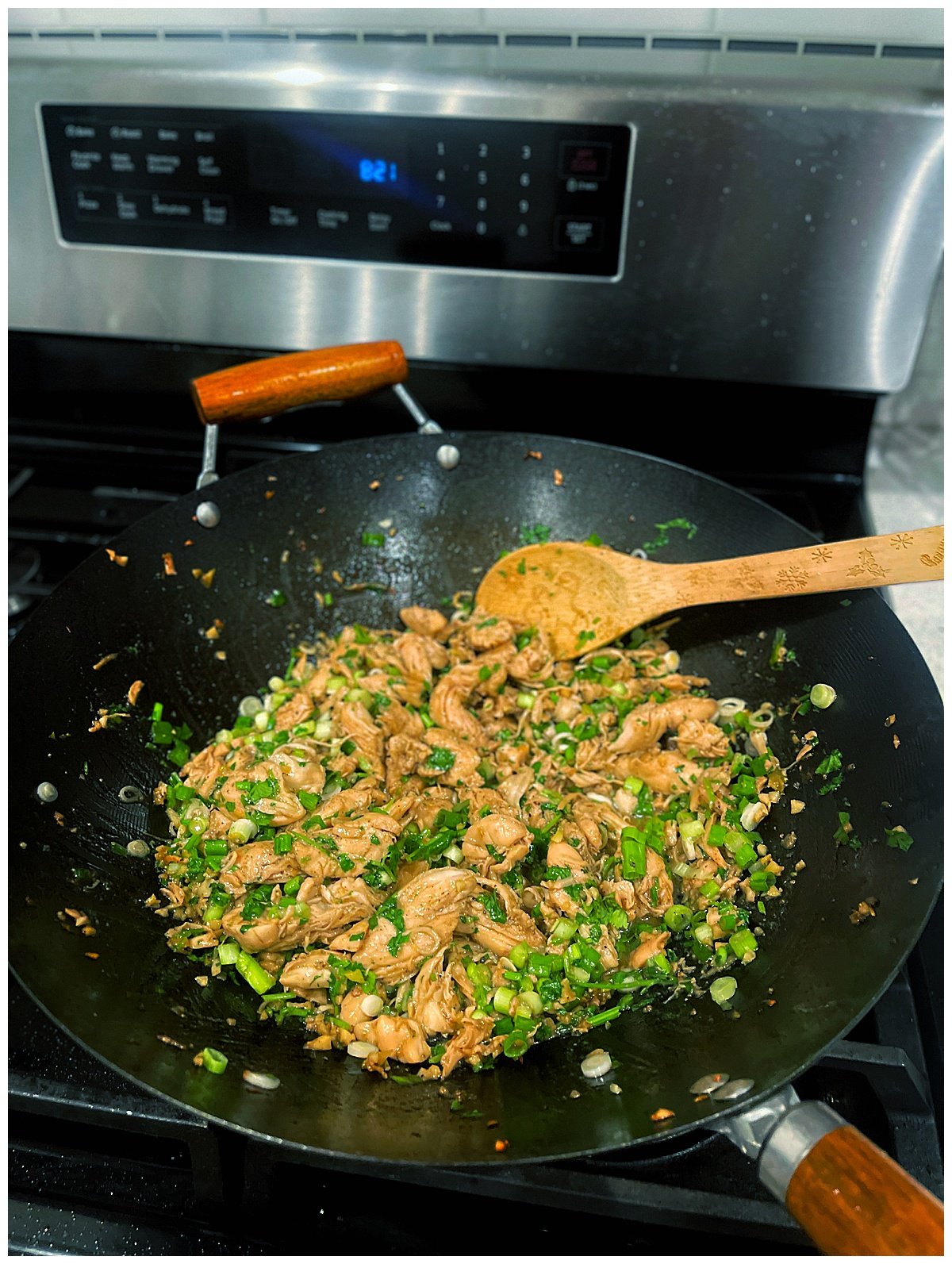
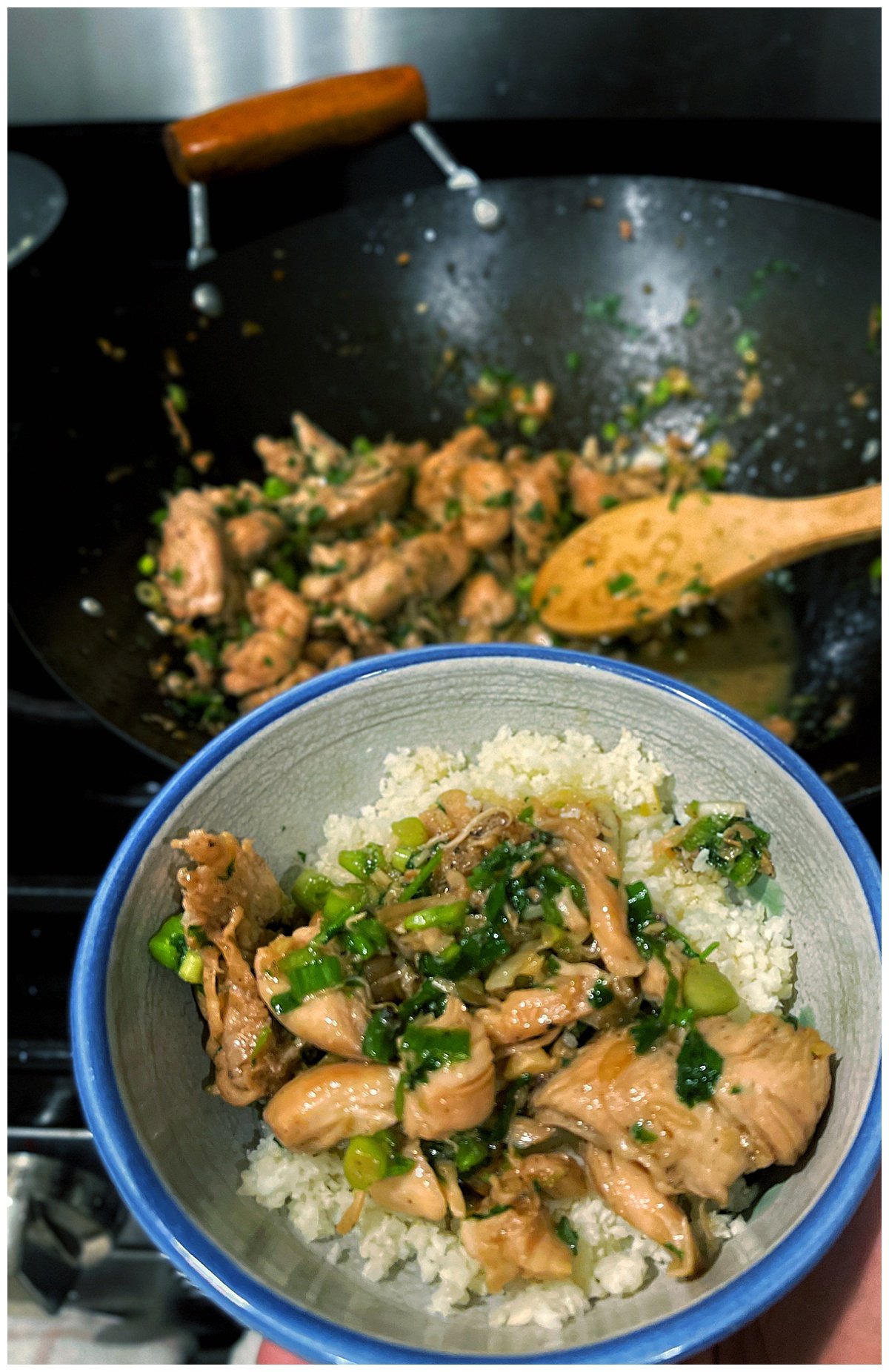
What makes Gai Pad Kratiem special is how much flavor comes from such basic ingredients.
Black pepper brings warmth.
Garlic brings intensity.
Soy sauce adds savory depth.
And the cilantro plus green onion add the bright, herbaceous finish that makes the dish feel unmistakably Thai.
It’s fast.
It’s affordable.
And it absolutely works on a busy weeknight.
Pad Thai may get all the attention, but Thai Garlic Pepper Chicken deserves a spot in the weeknight dinner rotation.
Especially when it comes from a source as trusted as Chef Nok Suntaranon.
Bold flavor.
Minimal fuss.
Perfect Tuesday night dinner energy.
And more importantly…
is it actually better than their burger?
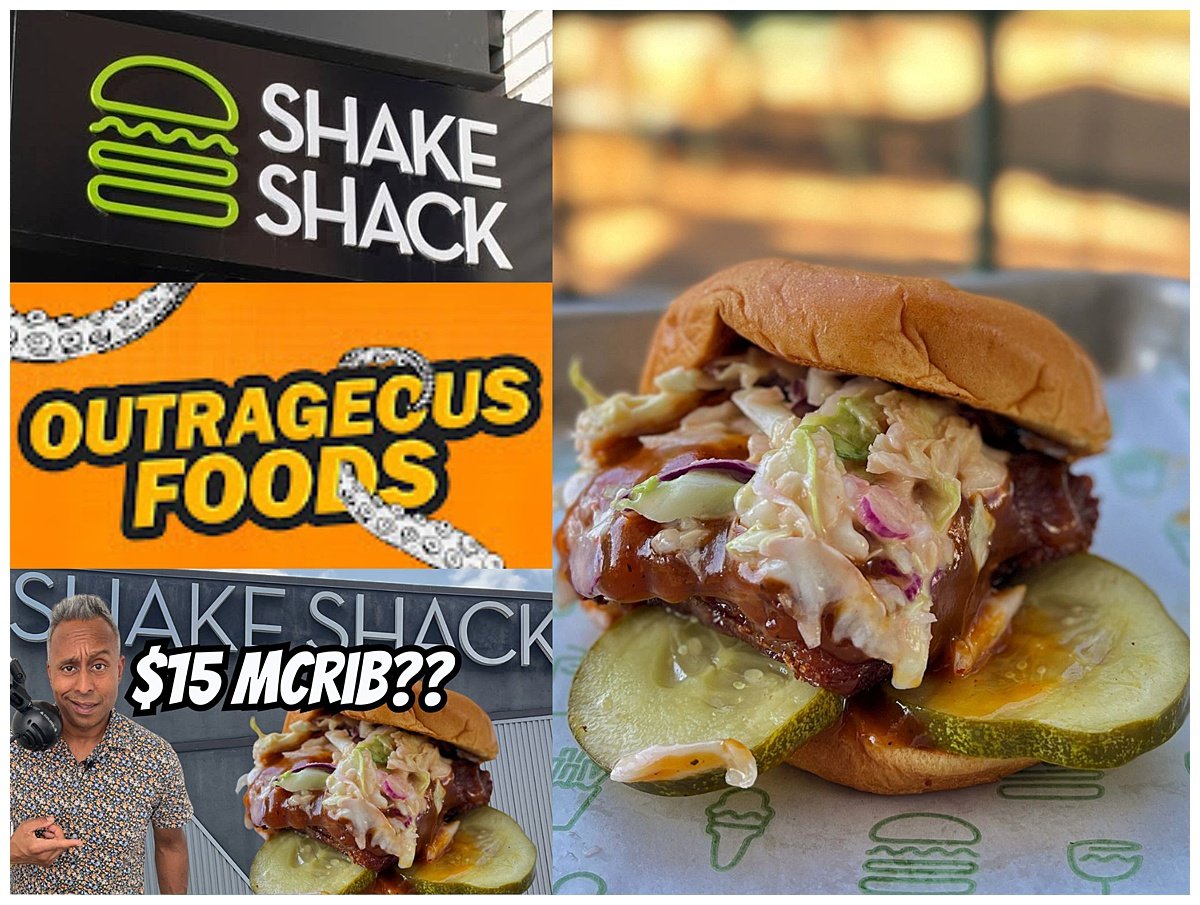
I went to Shake Shack over the weekend to try their limited-edition BBQ Boneless Baby Back Rib Sandwich, part of a seasonal BBQ lineup that also includes a burger and chicken sandwich.
BBQ sauce on a fast food burger isn’t exactly groundbreaking.
But entering McRib territory?
Now we’re talking.
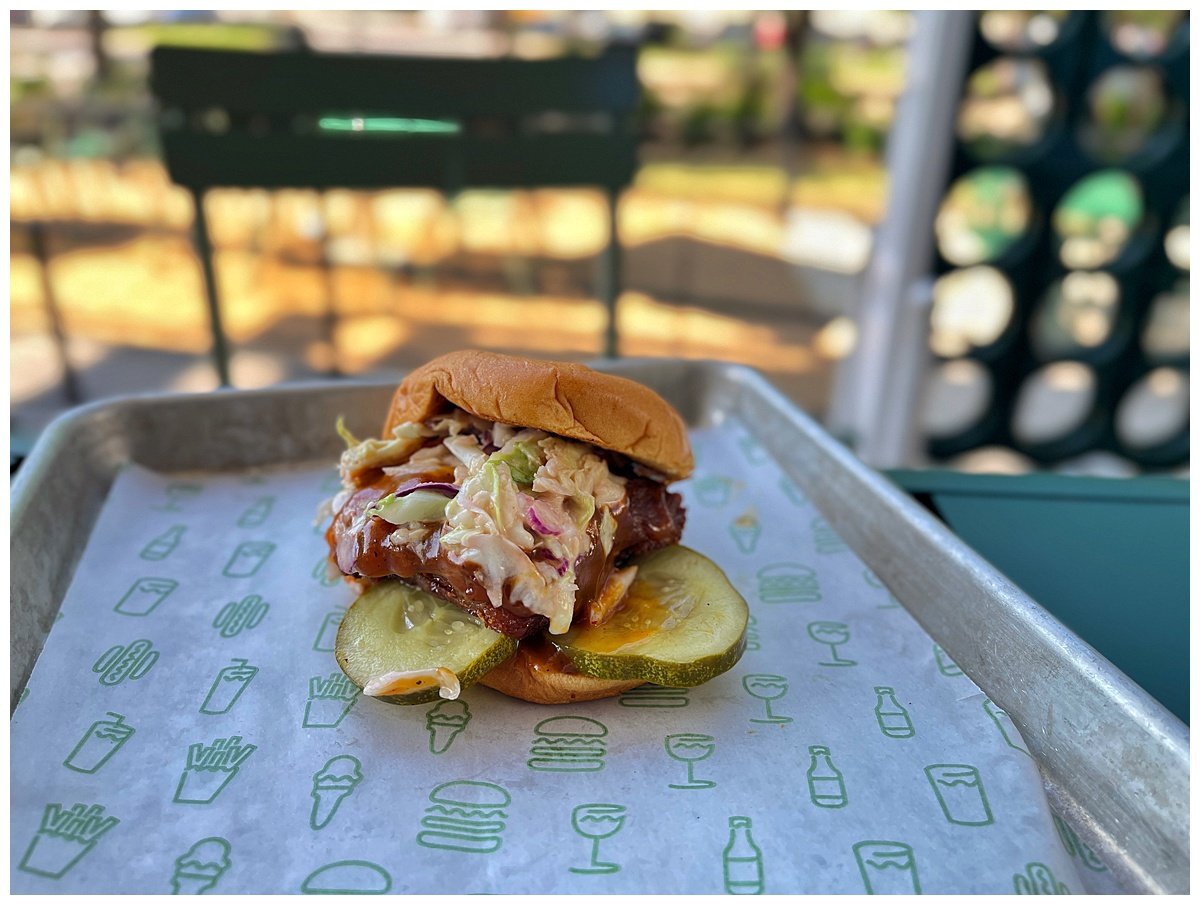
The sauce, slaw, and pickles all work.
And surprisingly, the “rib” portion actually tastes like pork ribs—not the processed ground pork experience of a McDonald's McRib.
That alone makes this a major upgrade.
Shake Shack clearly put thought into the texture and overall flavor profile.
There’s one problem:
No smoke.
I live in Austin, where BBQ standards are high and the smell of post oak smoke is practically a personality trait.
This sandwich tastes oven-cooked—which it almost certainly is.
And if there ain’t smoke…
there ain’t real BBQ.
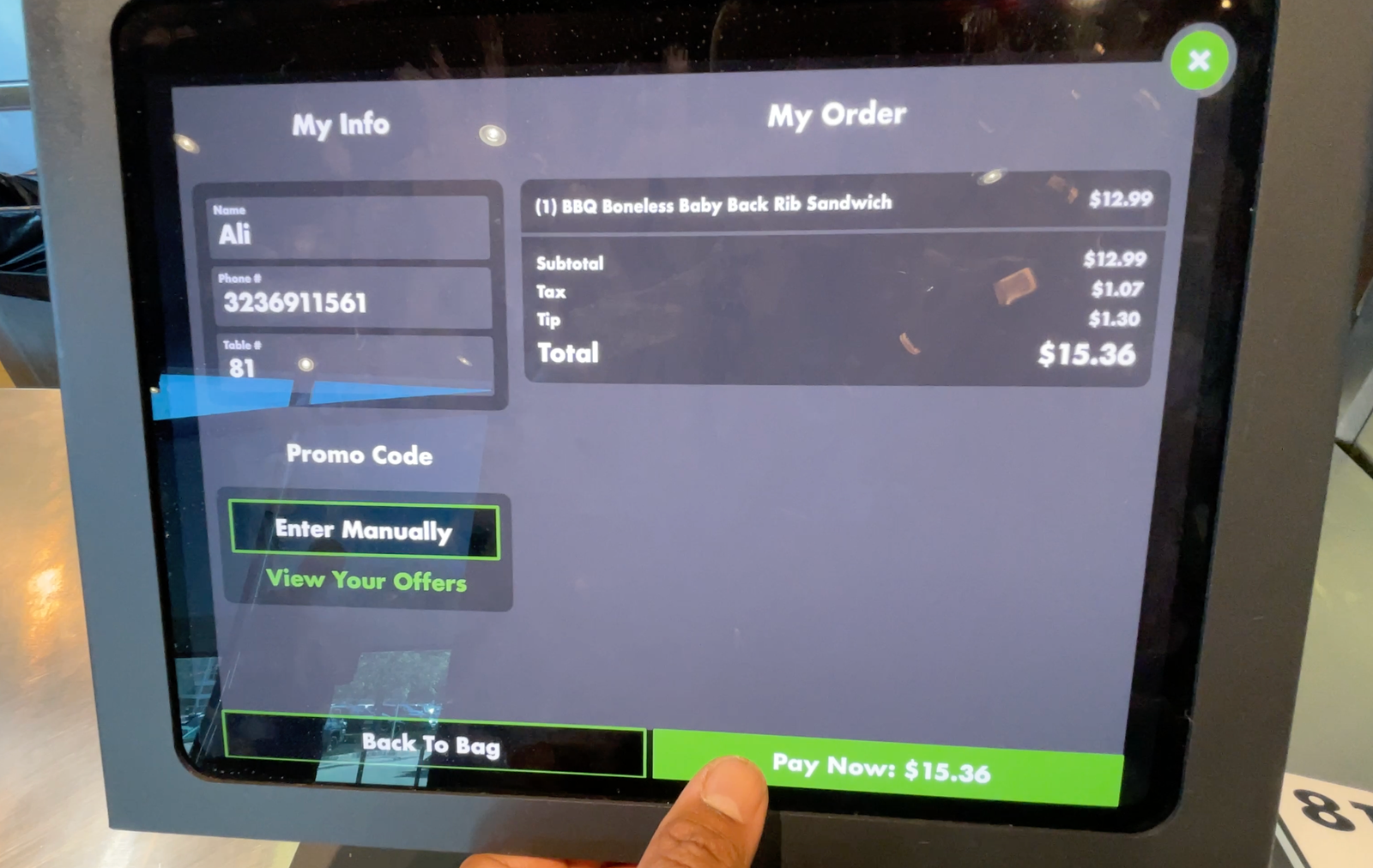
Nothing at Shake Shack is cheap.
But quality changes the conversation around fast food pricing.
At nearly $15, this sandwich costs more than many actual BBQ sandwiches—and even more than Shake Shack’s burgers.
Still, there’s novelty value here.
Outside of the McRib, almost nobody in fast food is attempting a BBQ rib sandwich.
Because the burger is cheaper.
And honestly?
The rib sandwich feels like the definition of:
“I ordered the wrong thing.”
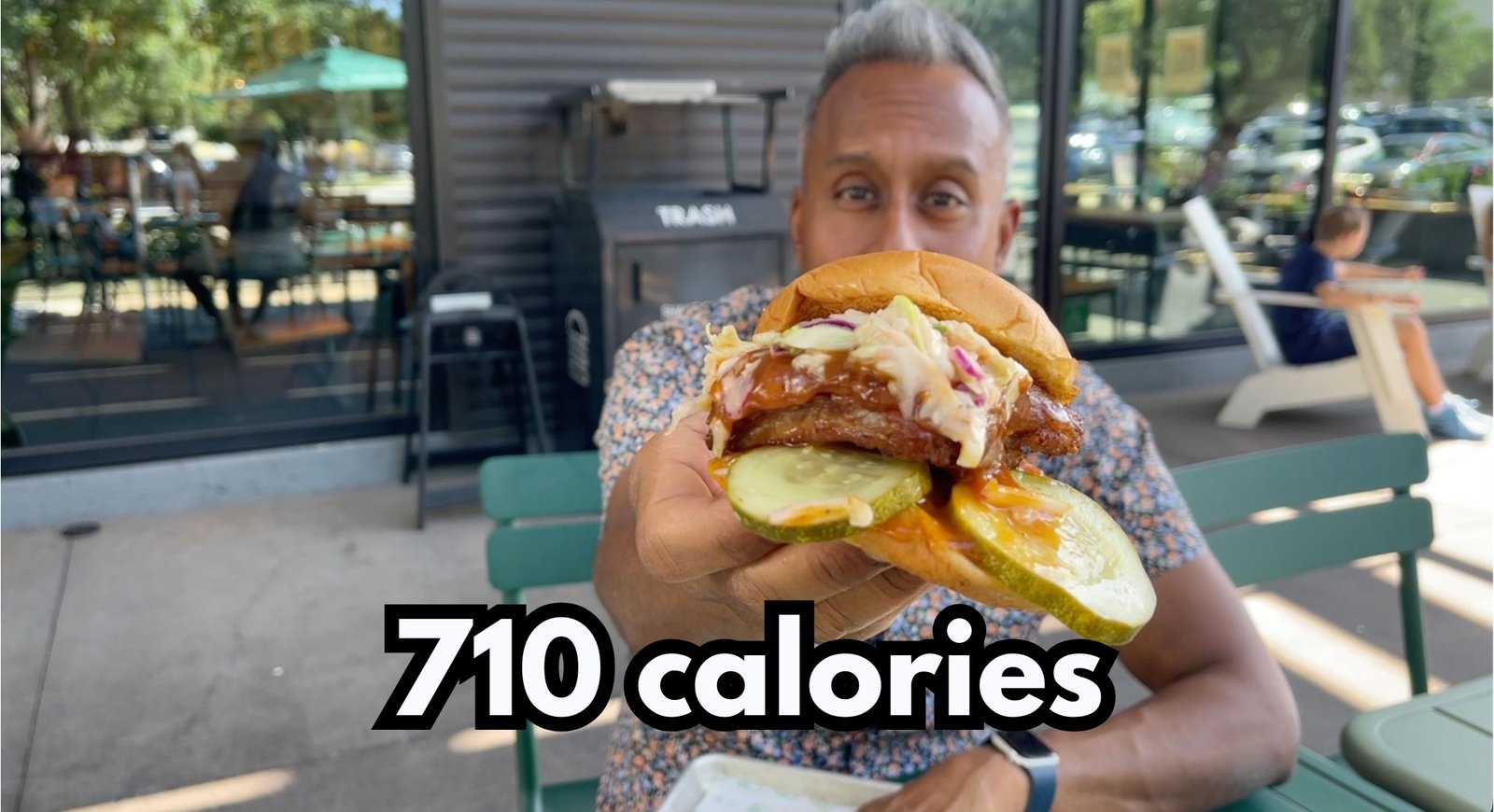
At 710 calories, the Shake Shack BBQ Rib Sandwich is surprisingly reasonable for something this indulgent.
For comparison:
Which raises a strange question:
Are rib sandwiches healthier than burgers? My guess is cutting cheese cuts calories.
Because for essentially the same calories…
I’d still rather eat the burger.
Here’s the bottom line:
Shake Shack absolutely made a better McRib.
That part isn’t even debatable.
The pork tastes more real.
The toppings are better.
The sandwich is more balanced overall.
But there’s another truth here:
The original McRib is kind of terrible.
So improving it was never the hardest challenge in fast food.
The Shake Shack BBQ Rib Sandwich is good.
But the burger is still the move.
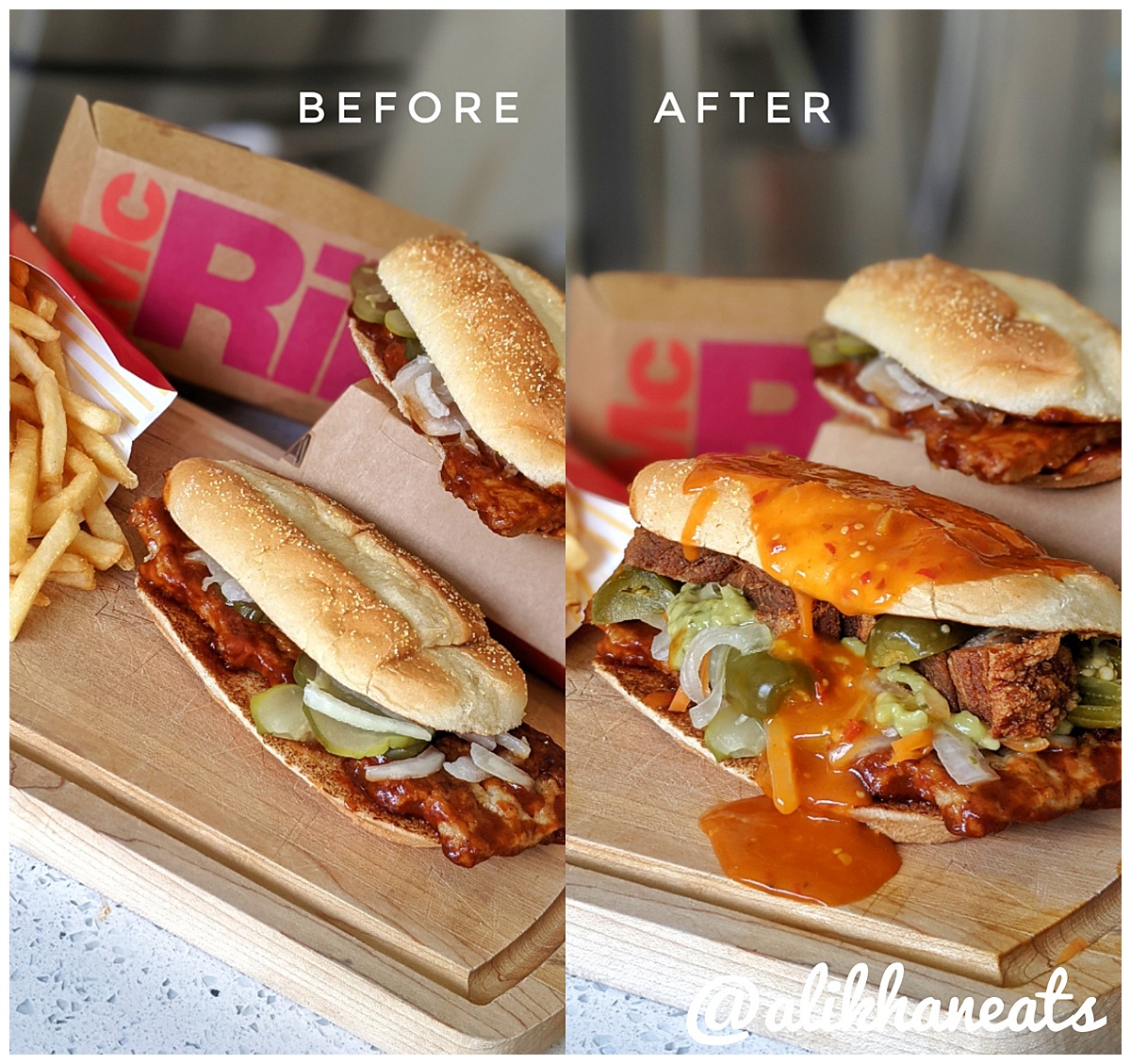
Back in 2020, I tried improving the McRib by dragging it through a Mexican street taco stand.
Yes, really.
Check out that post here →
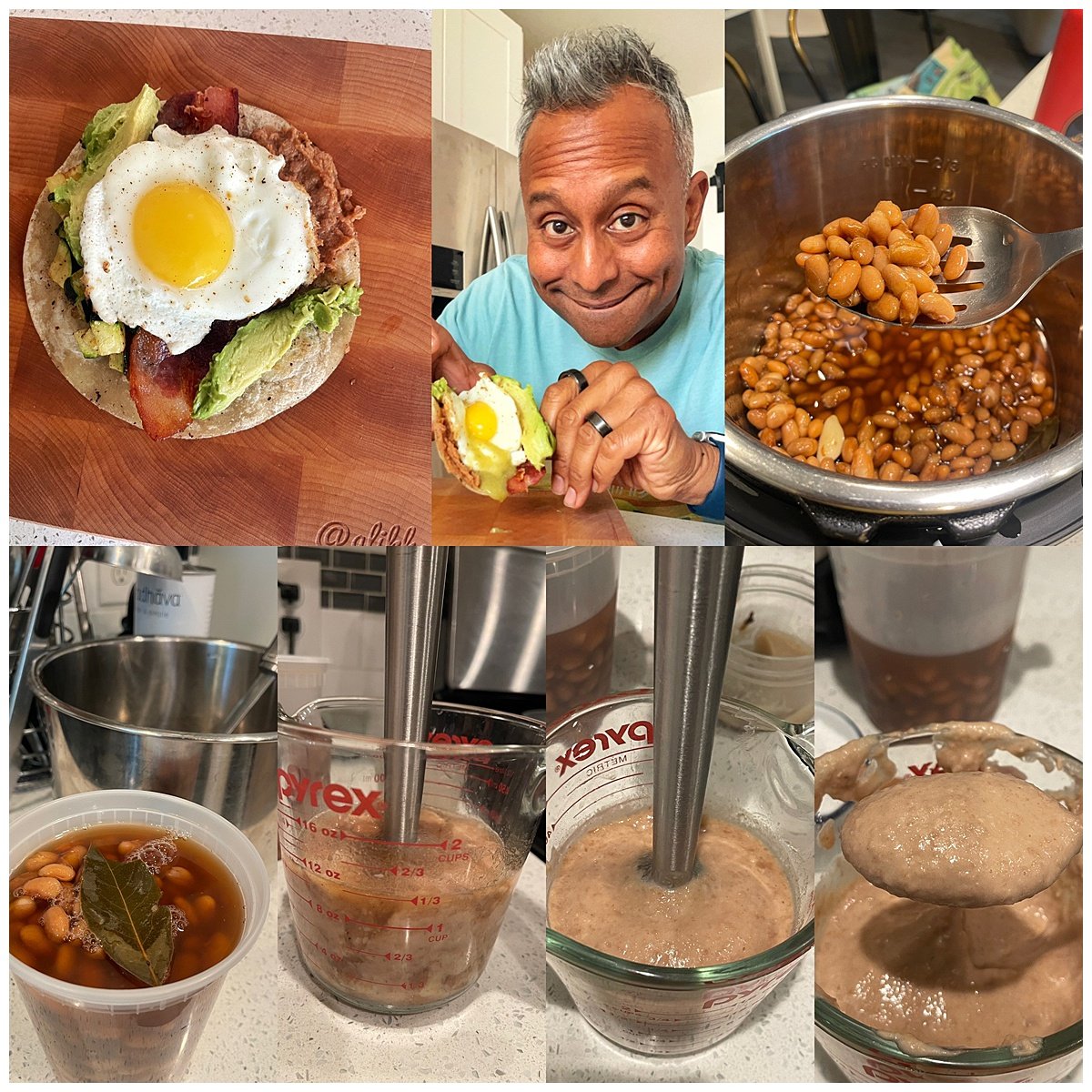
Once you make refried beans in an Instant Pot, you may never go back.
I didn’t grow up cooking Mexican food, so forgive the confidence here—but skipping the tedious overnight soaking process makes the Instant Pot one of the best ways to cook dried beans.
And when you blend those beans with a little reserved bacon fat?
Game over.
These homemade refried beans are creamy, smoky, inexpensive, and perfect for tacos, breakfast tacos, burritos, or meal prep throughout the week.
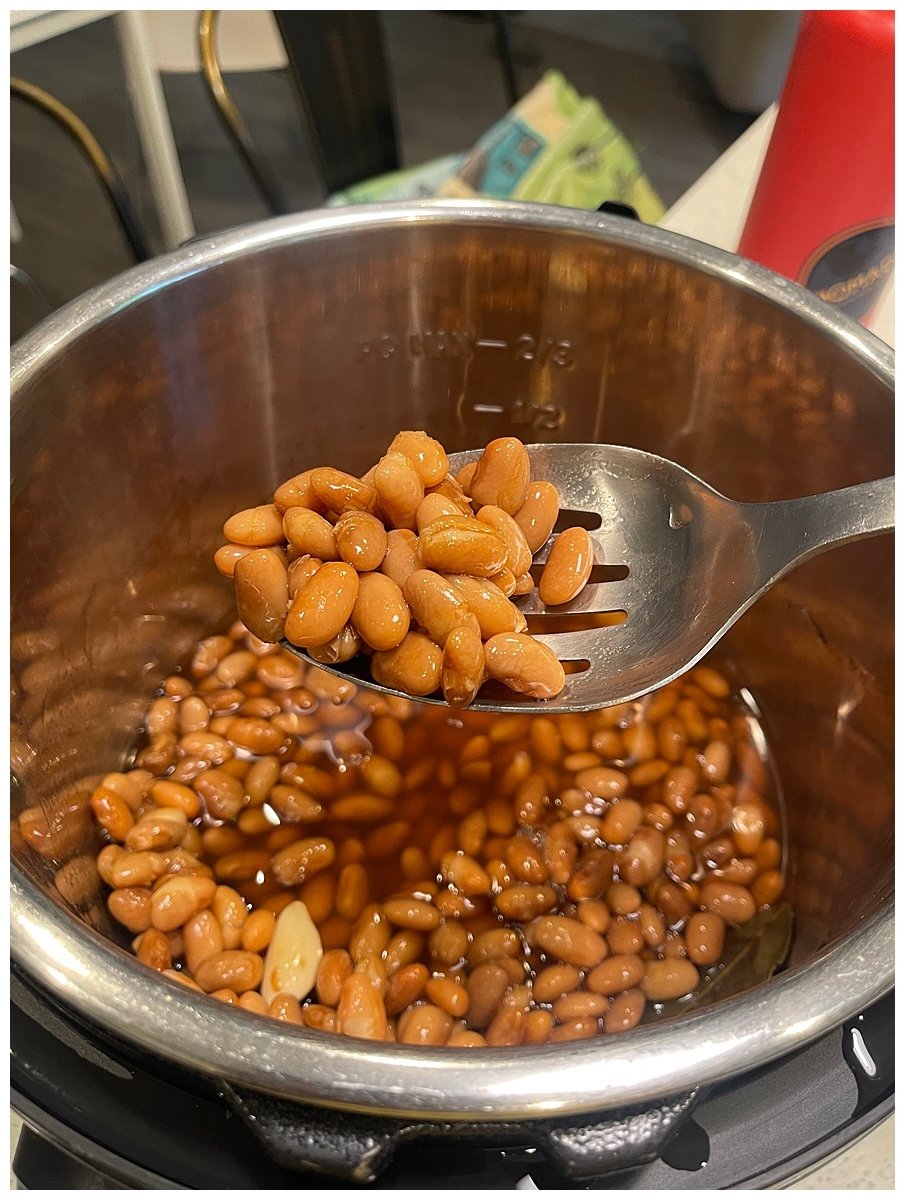
Place the dried pinto beans, water, garlic, and bay leaf into the Instant Pot.
Pressure cook for 35–40 minutes, depending on how soft you want the beans. For refried beans, softer is better.
Allow for a natural release.
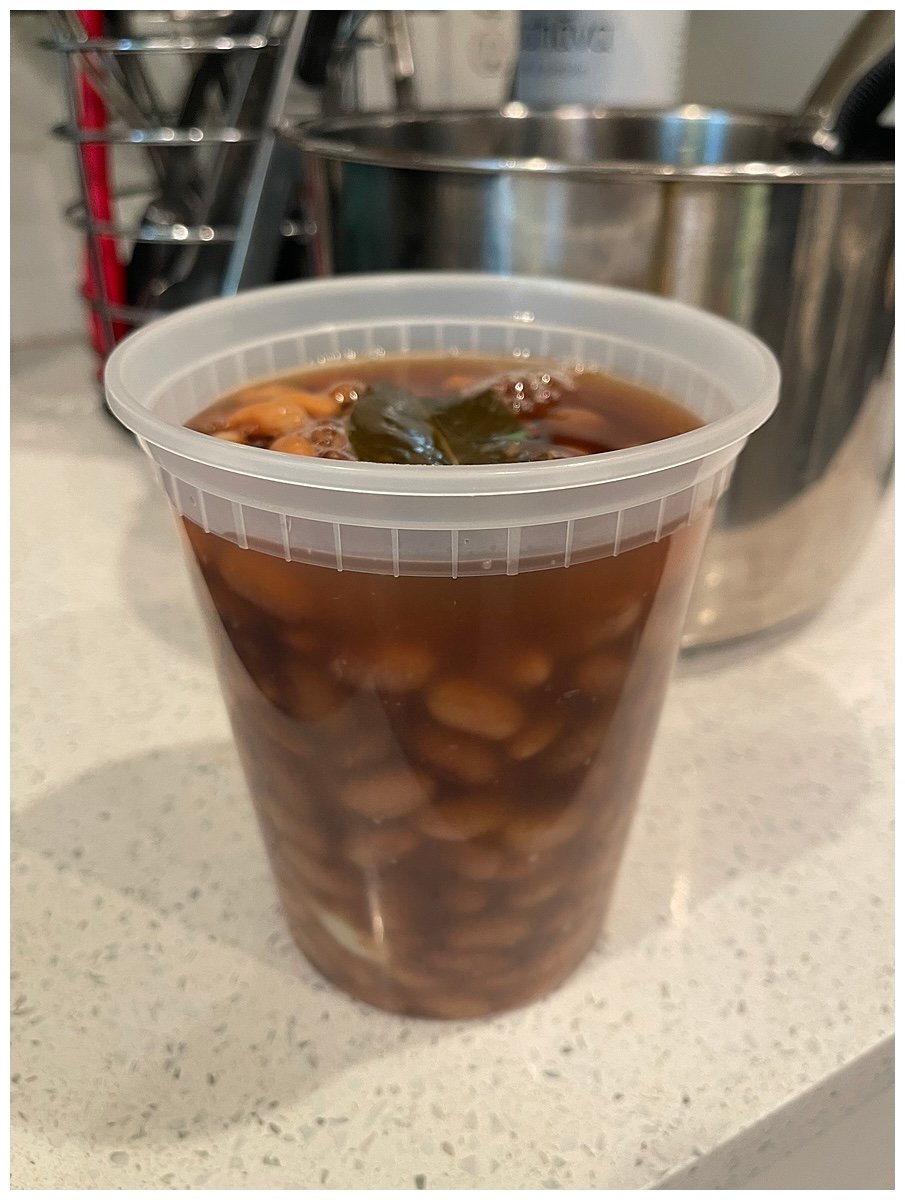
Using a slotted spoon, transfer the cooked beans to a container with a tight-fitting lid. Add enough of the cooking liquid to cover the beans.
👉 Don’t throw away the cooking liquid.
You’ll use it later to thin the refried beans to the perfect consistency.
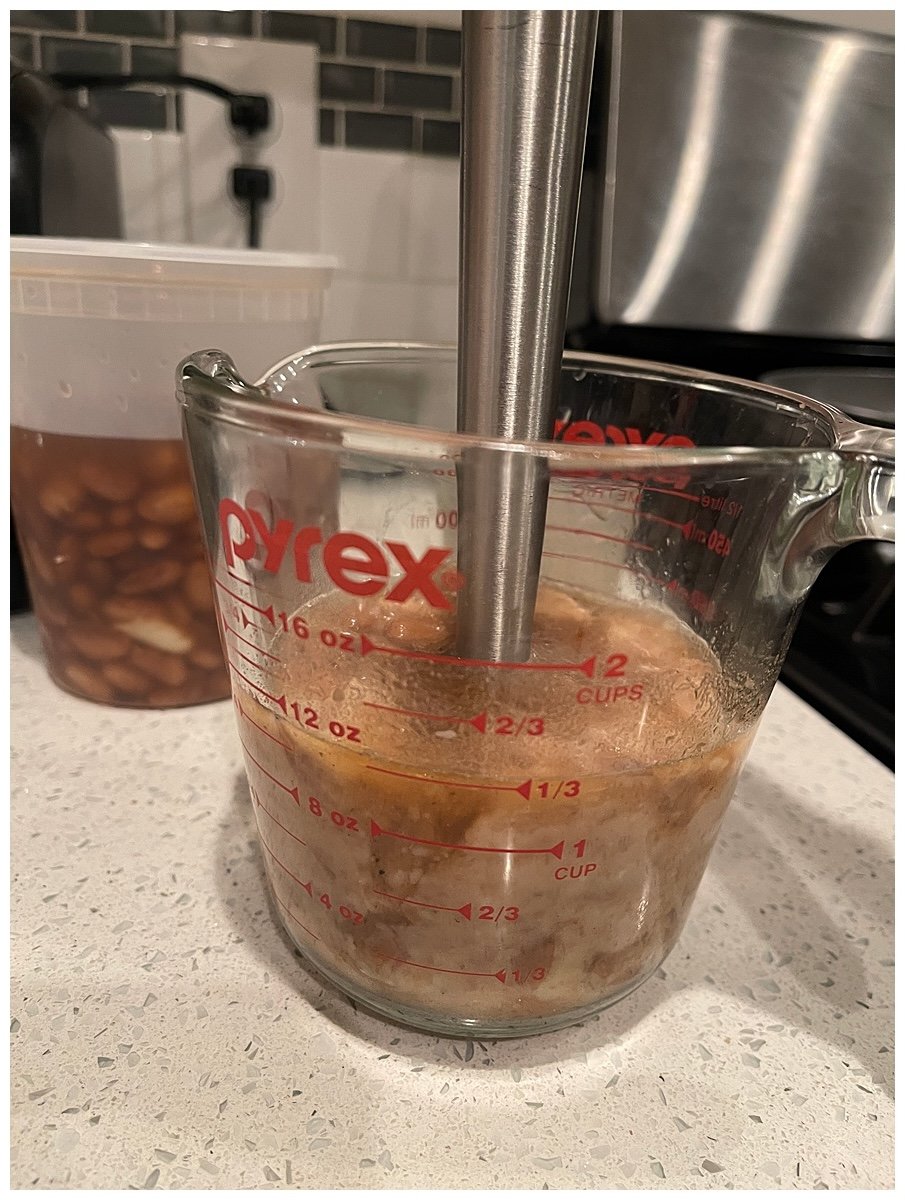
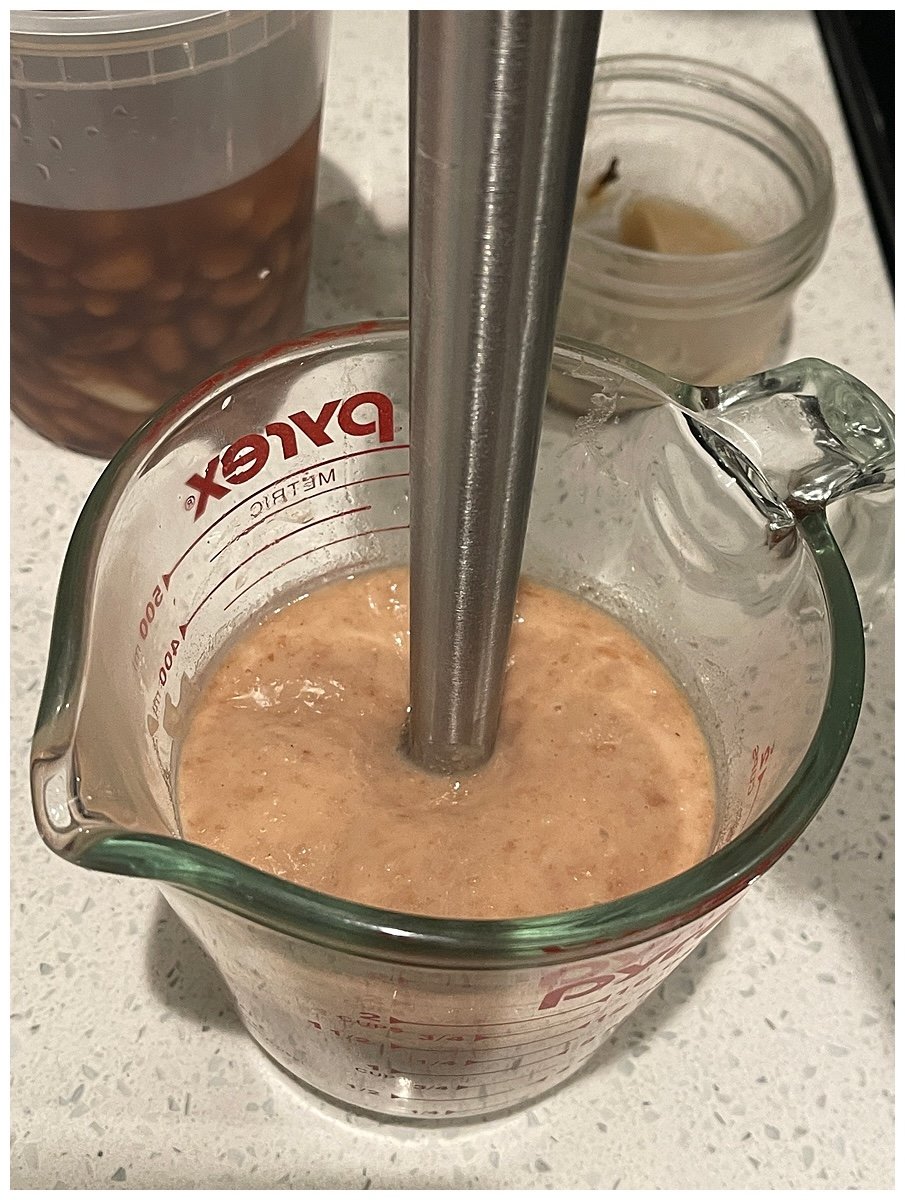
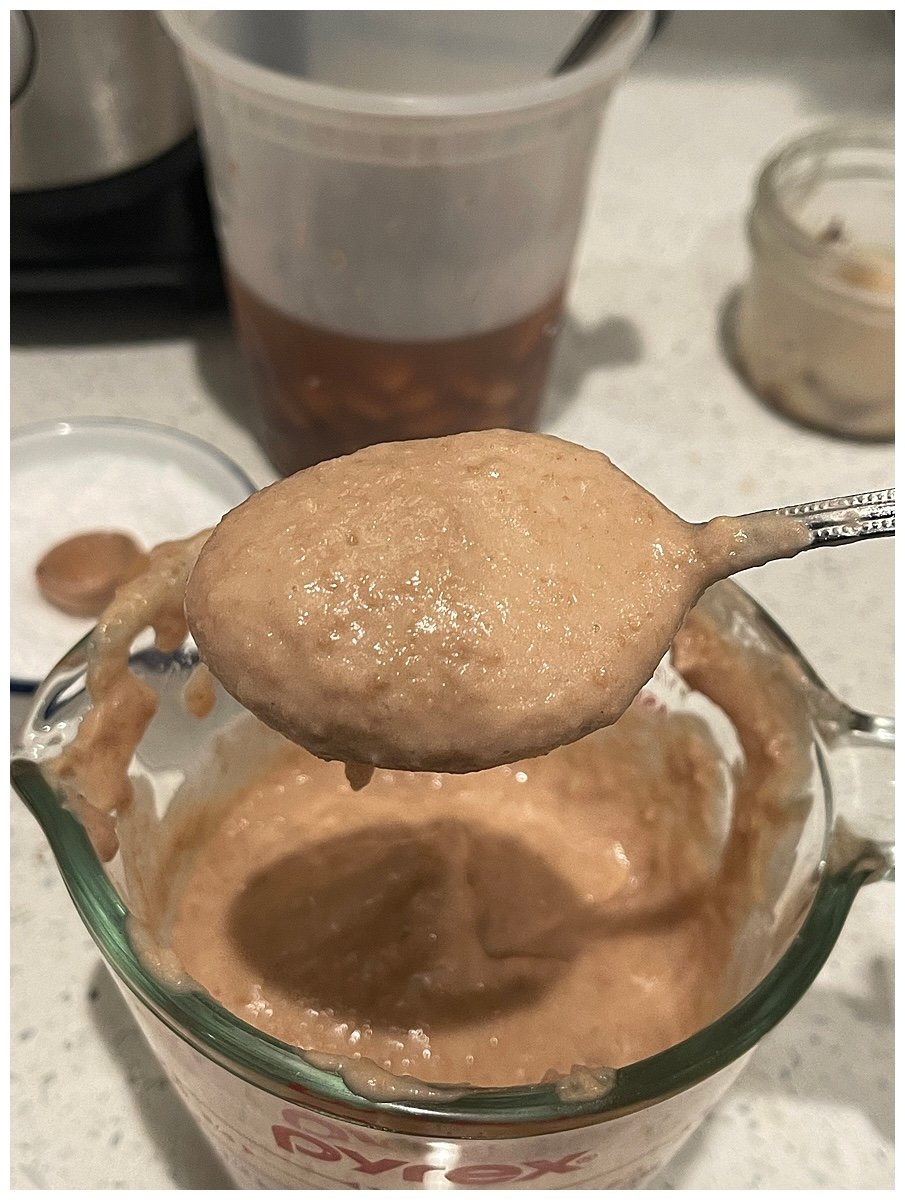
Place the cooked pinto beans into a container just wide enough to fit the head of your immersion blender.
A tighter fit helps the blending process work more efficiently.
Add the reserved bacon fat and stir.
Begin blending, adding small amounts of the reserved cooking liquid as needed to help the beans emulsify into a smooth texture.
👉 Be conservative with the liquid.
You can always add more, but overly runny refried beans are harder to fix.
Blend until you reach your desired consistency, then season with salt to taste.
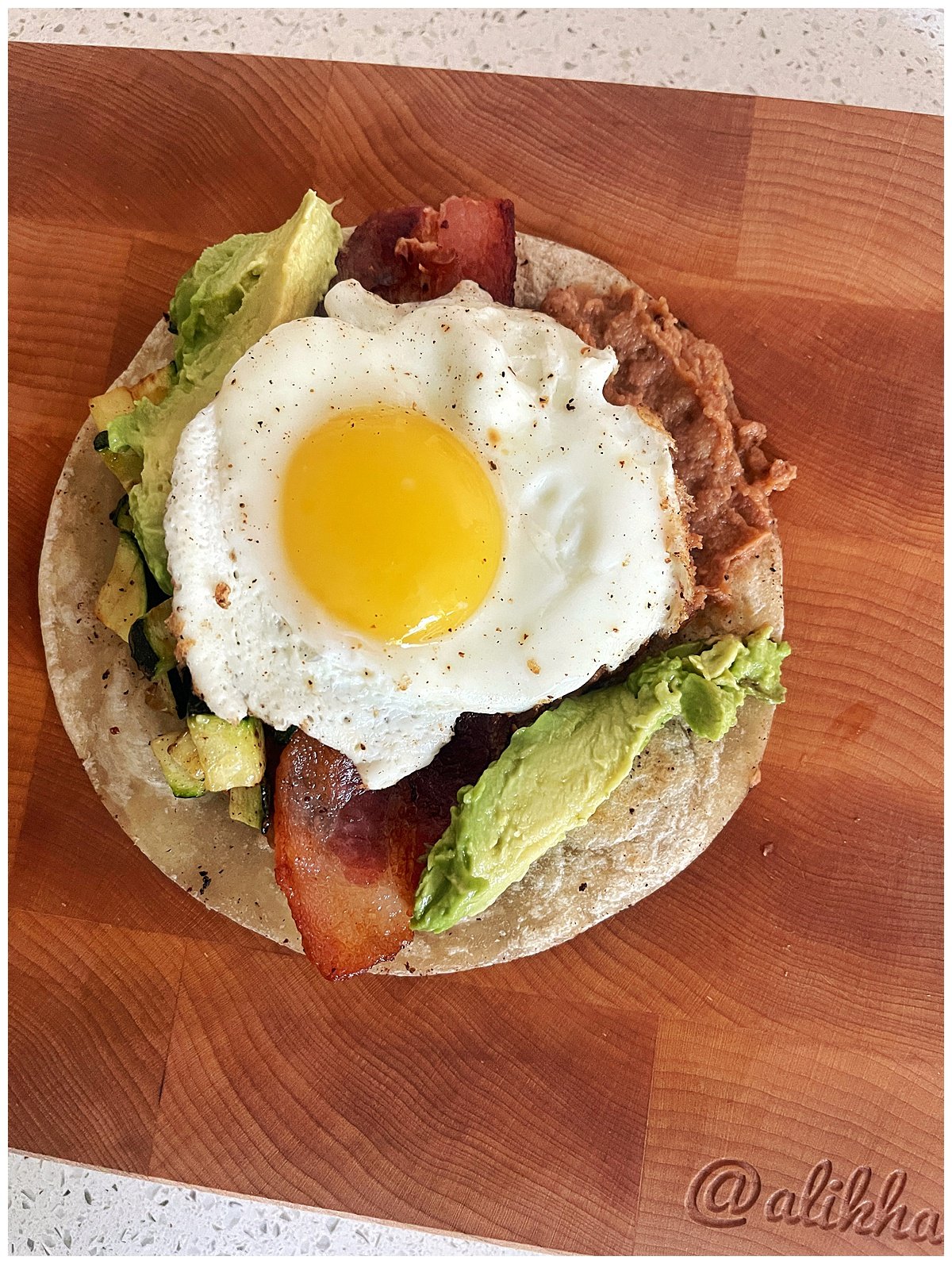
Traditional refried beans rely heavily on fat for flavor and texture.
Using reserved bacon fat adds:
And you don't need to use another pan.
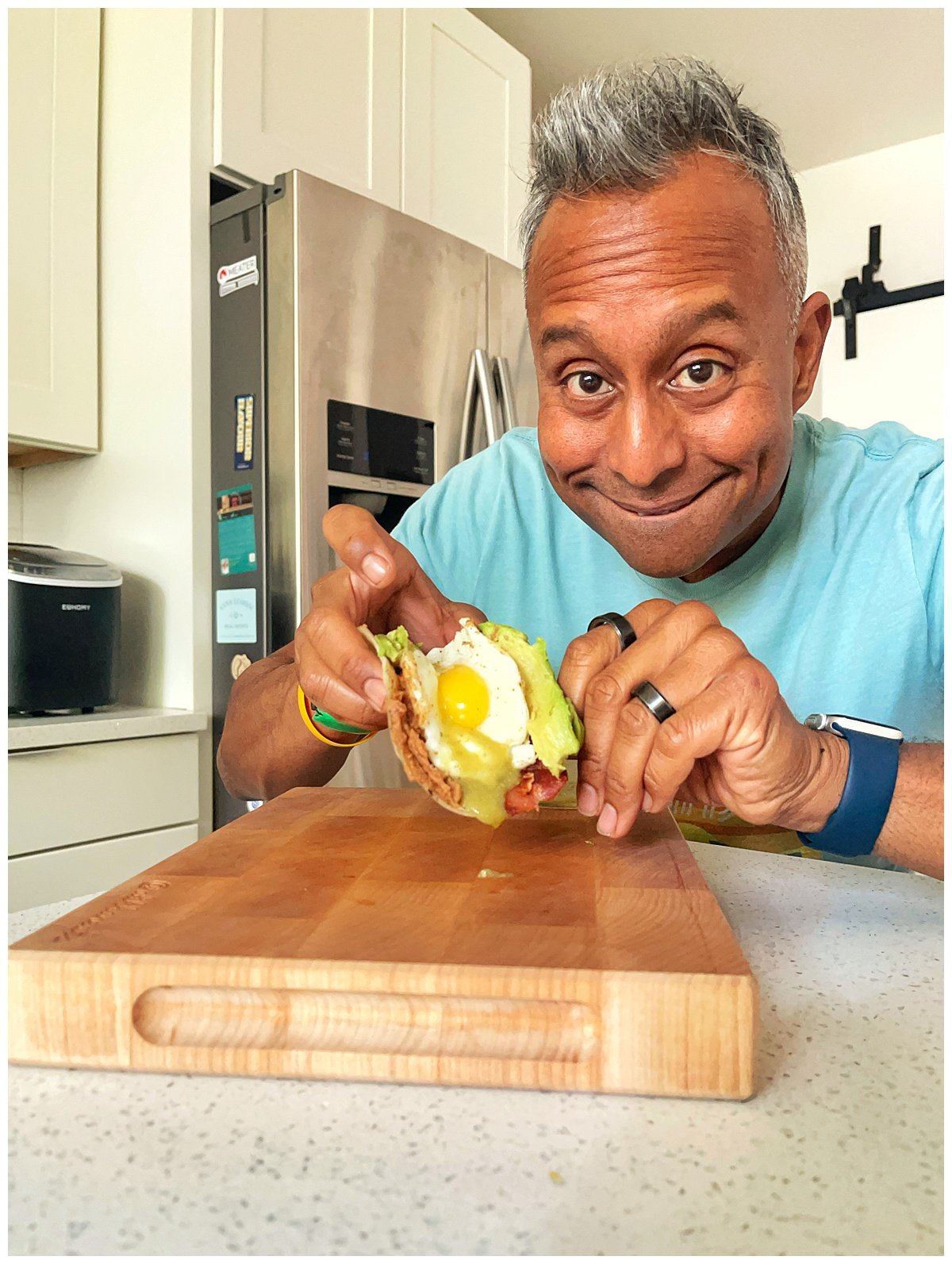
These Instant Pot refried beans are:
And the best part?
No overnight soak required.
Now go make yourself a taco.
Preferably a breakfast taco.
In this Chipotle review, I tried one of the most expensive burrito bowls on the menu to answer a simple question:
Is Chipotle still worth it in 2026?
With prices pushing close to $20 for a fully loaded bowl, I decided to lean into what Chipotle does best—a fast food meal that feels healthier than the competition.
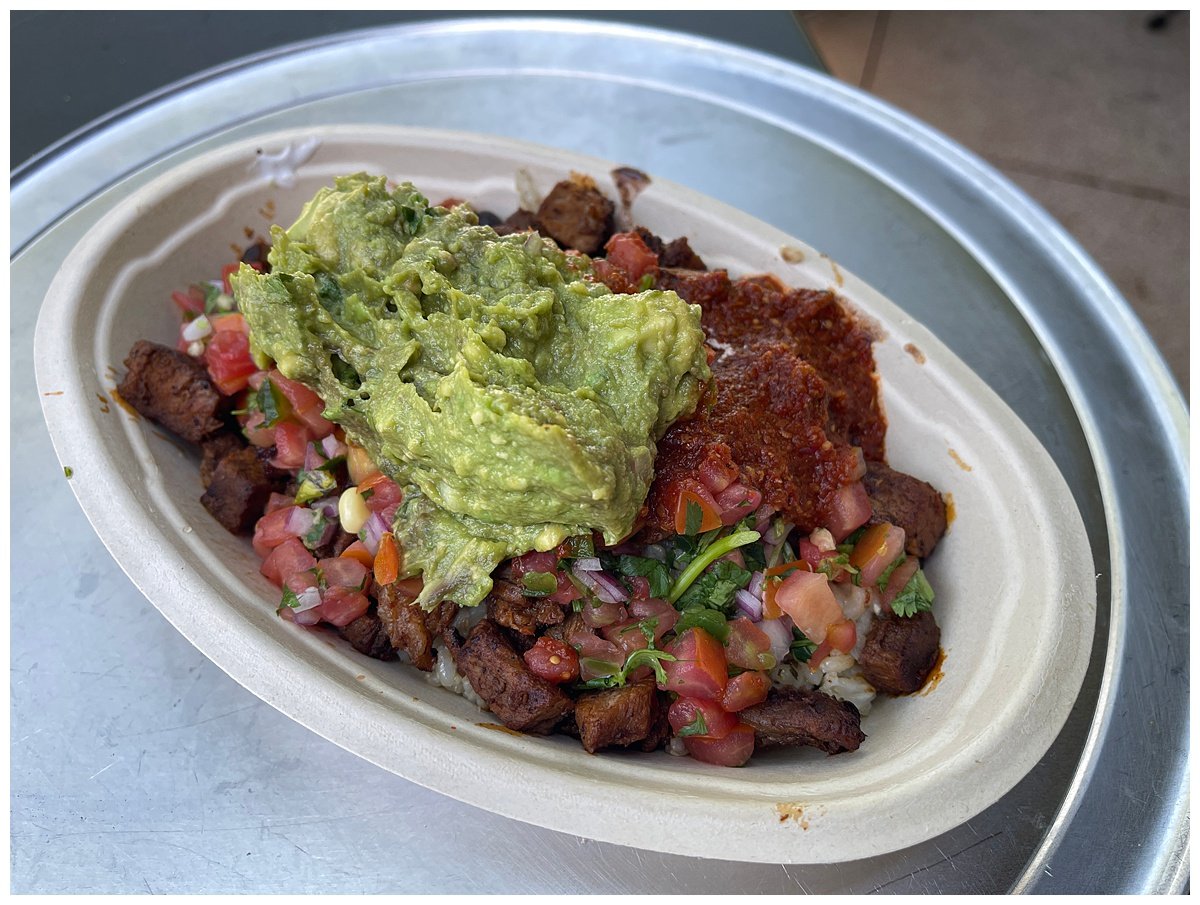
Here’s what I ordered:
This is about as expensive as it gets at Chipotle.
Double steak drives up the cost fast, and guacamole adds another ~$3. I meant to add fajita veggies but completely forgot—and honestly, the bowl didn’t need it.
This thing was loaded.
Just picking it up, you could tell:
This is two meals, not one
Even more surprising?
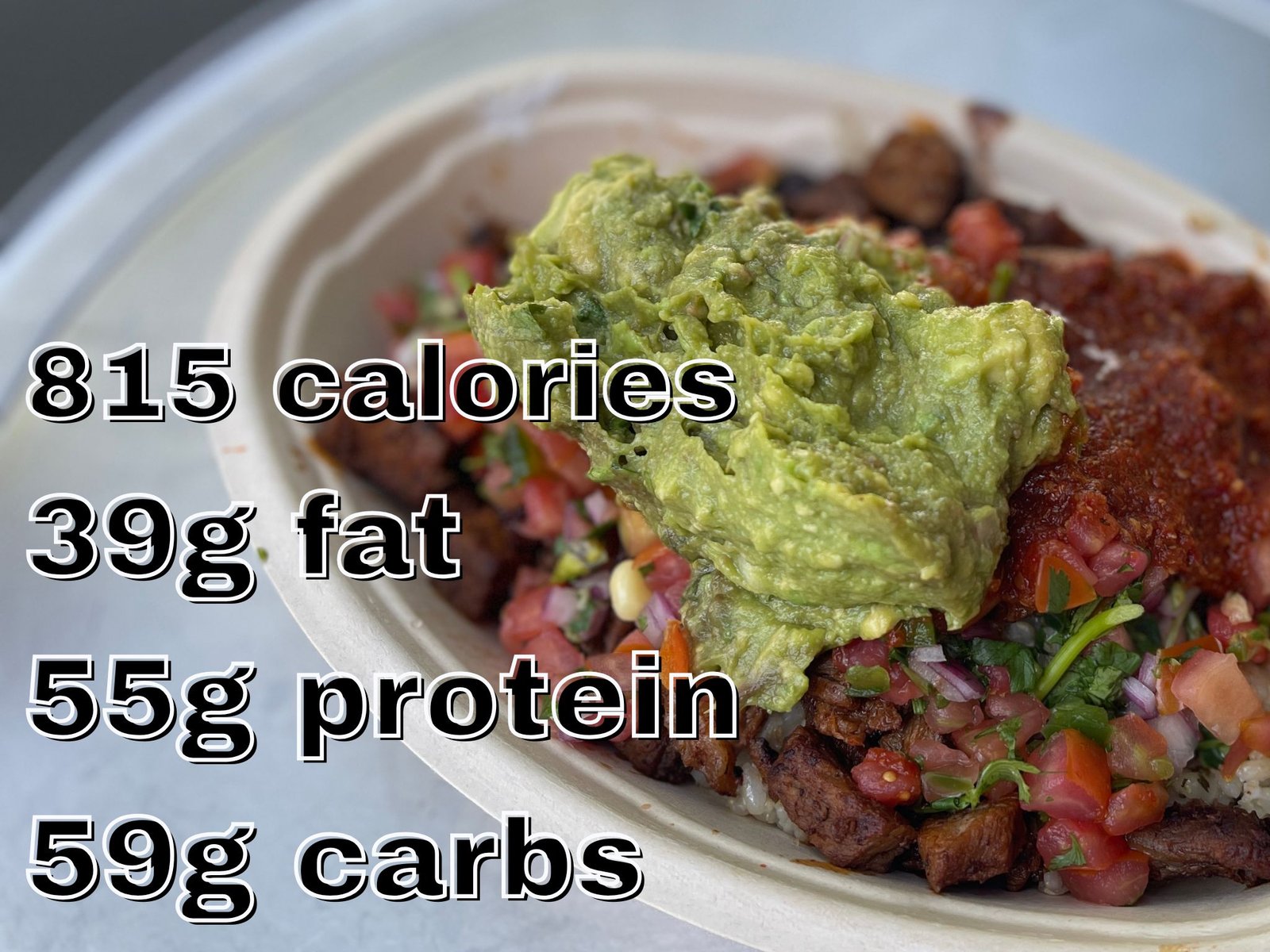
815 calories.
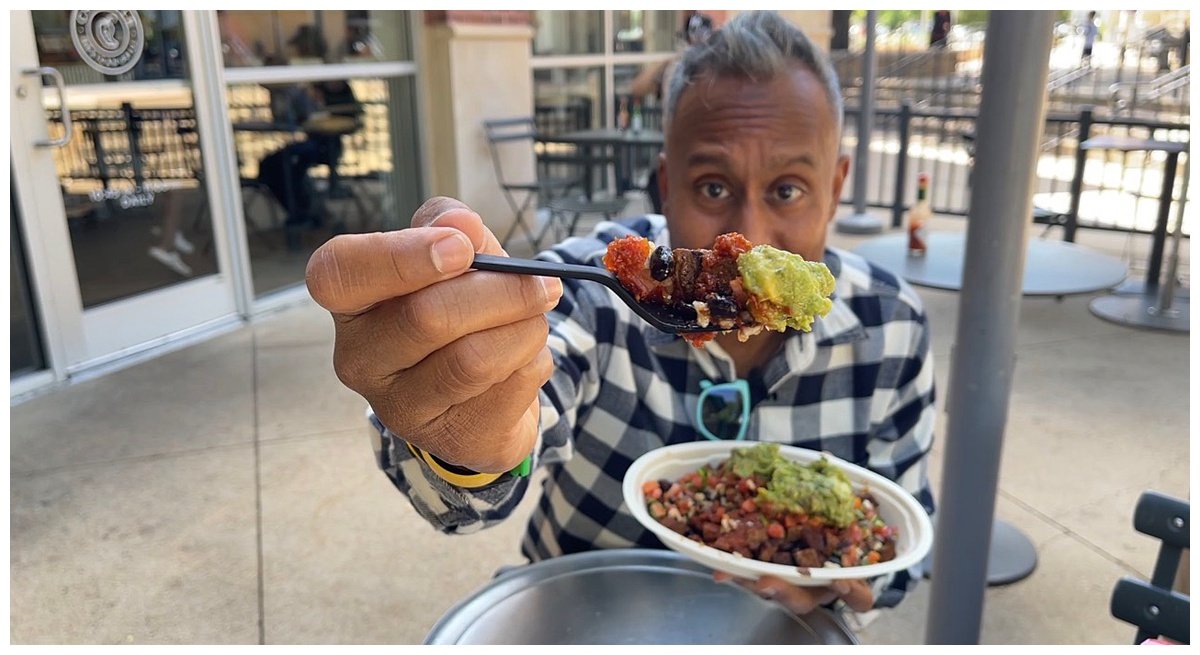
I’ll be honest—I’ve barely eaten at Chipotle before.
Like a lot of people, I assumed a big national chain might be underwhelming.
But…
Chipotle actually tastes good.
I gave it an 8/10 for taste, which puts it firmly in the “I’d eat this again” category.
This is where Chipotle really stands out.
I scored the bowl a 9/10 for calories.
At 815 calories—and realistically two servings—you’re looking at:
400 calories per meal
Compared to fast food burgers that can hit 800–1,100 calories in one sitting, this is a completely different category.
More volume.
More balance.
Better macros.
Here’s the problem.
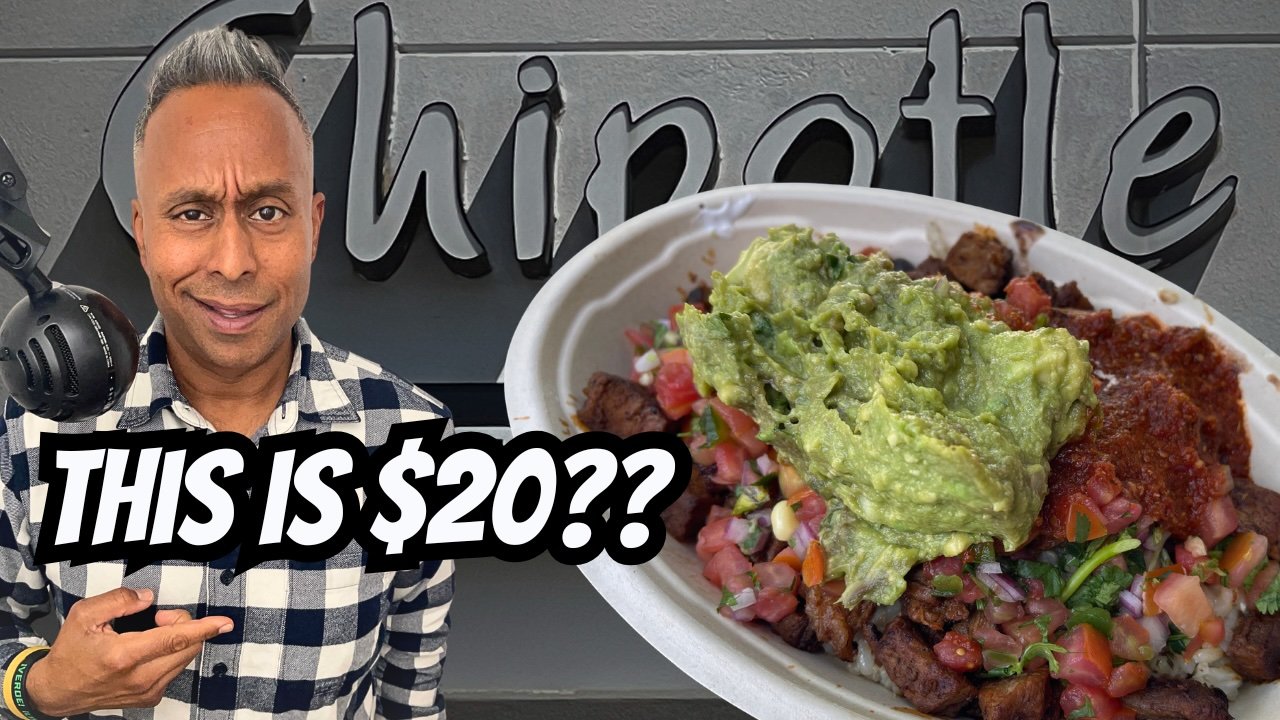
I scored the price a 4.5/10.
At nearly $20, this is expensive—even if you split it into two meals.
Even swapping steak for chicken brings it down to around $16.
👉 Chipotle is expensive. Full stop.
Chipotle scored 21.5/30 overall.
And that’s the trade-off.
Chipotle offers something rare:
👉 a healthier fast food option that actually tastes good
But you’re going to pay for it.
Chipotle isn’t cheap.
But when you want something fast, filling, and relatively healthy…
it still serves a purpose.