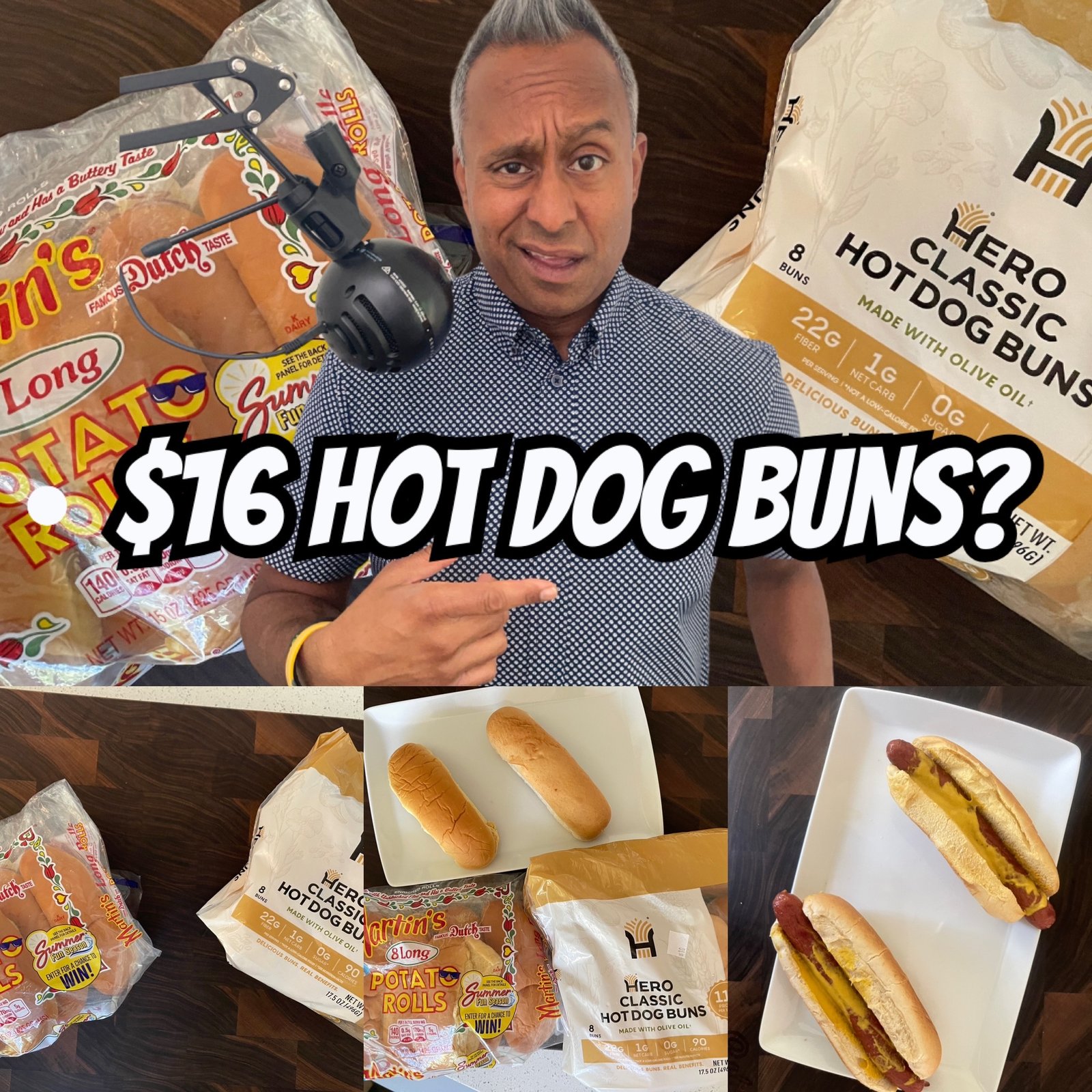
Healthy eating has a branding problem.
Or maybe it's a pricing problem.
The other day I stopped into Sprouts Market because I needed hot dogs. I don't shop there often—not because there's anything wrong with the store, but because in Texas I'm spoiled by H-E-B. It's one of those rare supermarkets that manages to balance quality and value in a way few grocery chains can.
I grabbed a pack of Boar's Head natural casing hot dogs, one of my favorites. If you've never had them, they're excellent: all beef, wonderfully salty and, most importantly, they have that unmistakable snap that only a natural casing can deliver.
Then I walked over to the bread aisle.
That's where I stopped in my tracks.
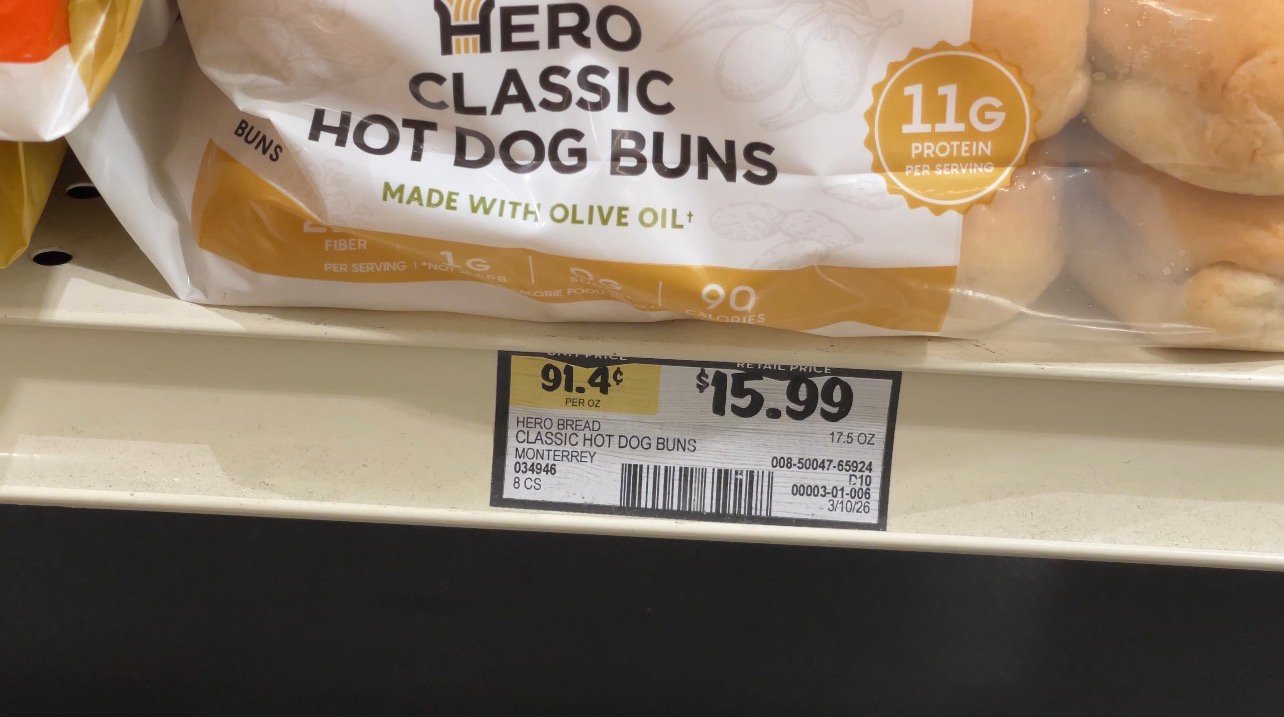
A package of Hero Bread hot dog buns was priced at $15.99.
For context, the premium hot dogs I had just picked up cost about $12 for seven. Even before they went on sale, the buns were more expensive than the meat.
That felt backwards.
To be fair, Hero Bread isn't trying to sell ordinary hot dog buns.
Their claim to fame is that they're low carb, high fiber, and marketed as having zero net carbs while containing significantly fewer calories than a traditional bun.
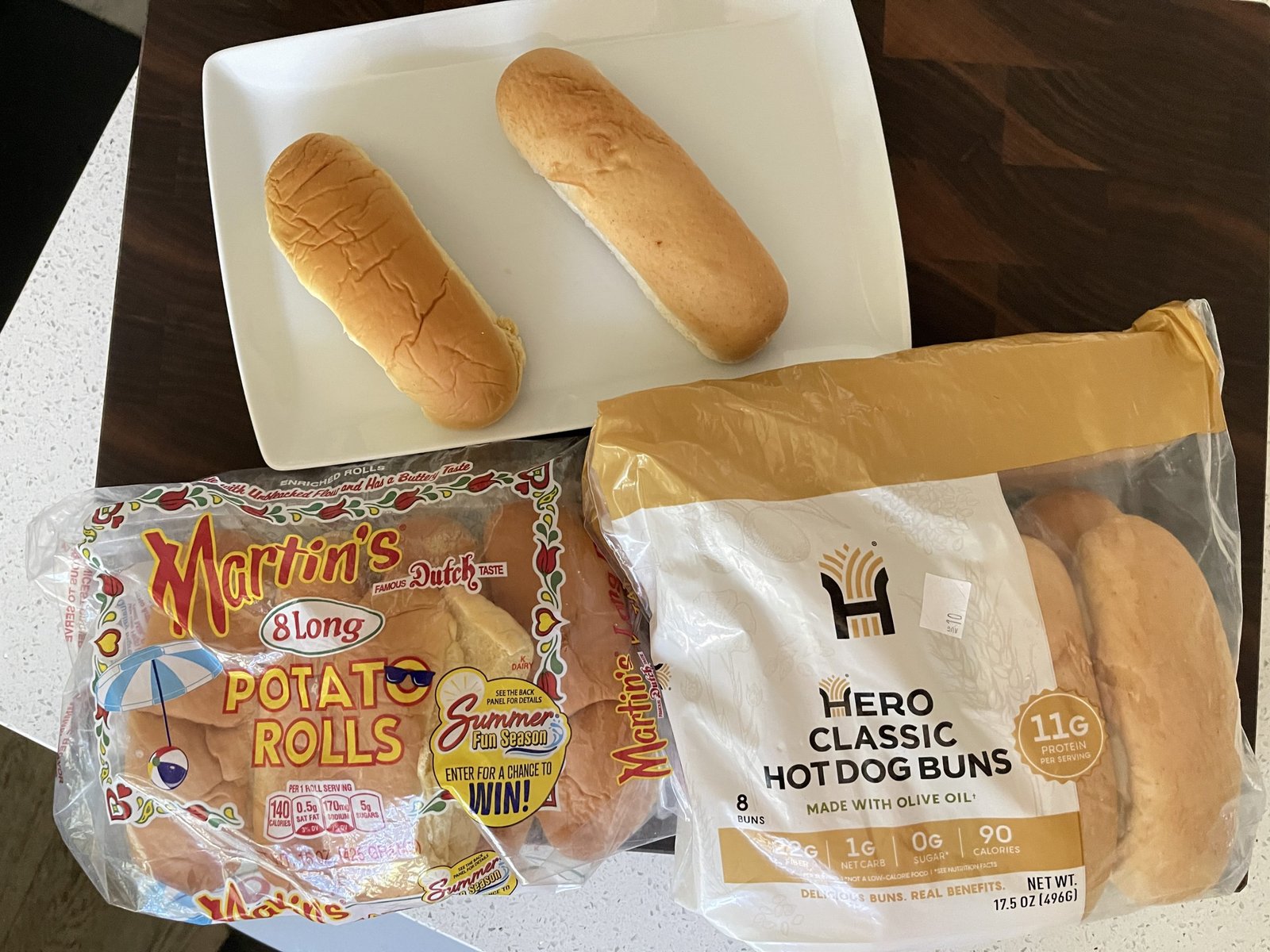
Compared to the Martin's Potato Rolls I bought for comparison, the Hero buns cut the calories by roughly a third. That's not marketing fluff—that's a meaningful nutritional difference for people who are counting calories or following a lower-carbohydrate diet.
That's an impressive bit of food science.
The question is whether it's worth paying four times as much.
The first surprise was that I didn't dislike them.
That's actually a compliment.
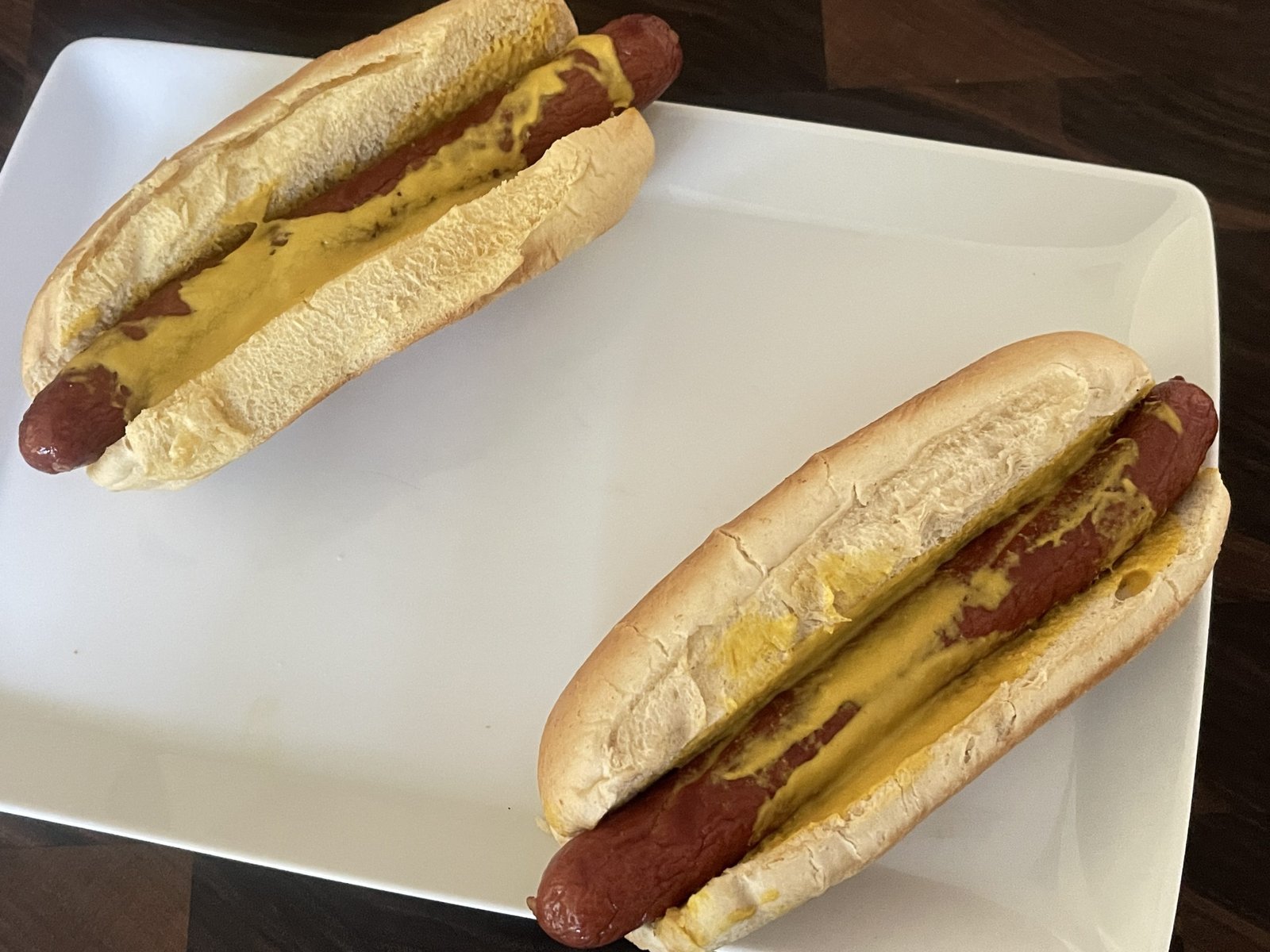
Health-focused substitutes often disappoint because they're trying to imitate something familiar while sacrificing flavor or texture. Hero Bread avoids that trap. The bun toasts well, holds together and tastes perfectly acceptable.
But "perfectly acceptable" isn't the same thing as better.
In a side-by-side comparison, I still preferred the Martin's Potato Roll.
Not because it was richer or more flavorful, but because it got out of the way. A good hot dog bun shouldn't compete with the hot dog. It should quietly do its job, letting the sausage remain the star of the show.
Hero Bread accomplished that too.
It just didn't do it four times better.
 The Real Surprise Wasn't the Bun
After the episode aired, plenty of viewers pointed out that the whole point of Hero Bread is serving people who are trying to reduce carbohydrates or calories.
They're right.
In fact, I understand that perspective better than most.
In 2022, while working to reverse prediabetes, I paid much closer attention to what I was eating and ended up losing a significant amount of weight. Cutting calories mattered, and bread is one of the easiest places to reduce them.
So this isn't an argument against healthier products.
It's an argument about price.
When I got home, I looked up the exact same Hero buns. Walmart sold them for about $11. Randalls, a local market chain sold them for $9. And reality check, that is still expensive.
And yet only Sprouts—the grocery chain that heavily markets itself around healthy living—was asking sixteen dollars.
That's what bothered me.
Stores like Sprouts and Whole Foods have built brands around healthier choices.
There's nothing wrong with that.
The problem comes when consumers begin associating healthy eating with paying the highest possible price.
Healthy food shouldn't require luxury pricing.
That's especially important when we talk about communities that already struggle to access fresh groceries. We often hear the term "food desert" to describe neighborhoods with limited access to supermarkets and fresh produce. If healthier choices are consistently marketed as premium products, they become even less accessible to the people who could benefit from them most.
Hero Bread isn't the villain here.
It's actually a respectable product for something that significantly cuts calories while not sacrificing flavor.
But paying $16 for a package of hot dog buns illustrates something larger about modern grocery shopping. Sometimes we're paying for innovation.
Sometimes we're paying for branding.
And sometimes we're paying because a retailer knows that "healthy" carries a premium.
Those aren't always the same thing.
I'd happily recommend Hero Bread to someone looking for a genuinely lower-calorie, lower-carb bun.
I wouldn't recommend paying $16 for it.
That's the distinction.
Healthy eating shouldn't mean paying the highest price on the shelf. Sometimes the smartest grocery shopping isn't finding the healthiest label—it's finding the healthiest value.
The best food in Austin, Texas this month includes a wine soaked tasting menu, the filet o fish of your dreams, a total sleeper bbq move, and the most exciting restaurant opening of 2026.
Take notes… or just bookmark this page.
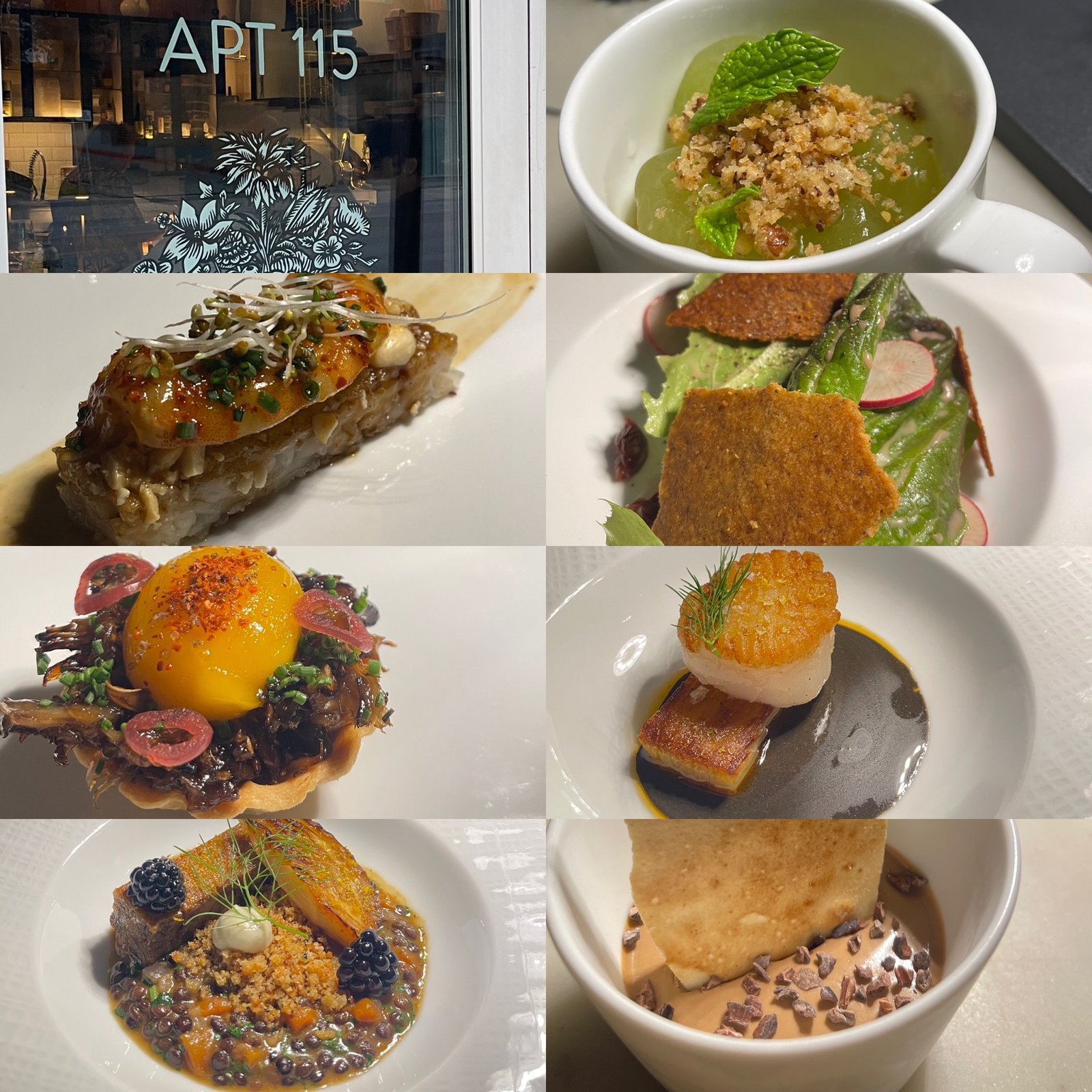 The Vitals:
the spot: Apt 115 2025 E 7th St, Austin, TX 78702
the eats: tasting menu
The Vitals:
the spot: Apt 115 2025 E 7th St, Austin, TX 78702
the eats: tasting menu
the bucks: $$$ the full nelson: fine dining for hardcore wine lovers
At first glance, Apartment 115 looks like the kind of place you book for a special occasion. It certainly can be, especially if you opt for the tasting menu. But I think the real secret is treating it like one of Austin's best wine bars.
Grab a seat at the bar, order a few dishes from the à la carte menu, and explore one of the city's most thoughtfully curated wine lists. Yes, there are bottles that climb into four figures, but there are also excellent options starting around $40.
The tasting menu was lovely, but what stayed with me most was how seamlessly the wine and food complemented one another. Apartment 115 isn't just a restaurant—it's one of the best places in Austin to discover wine.
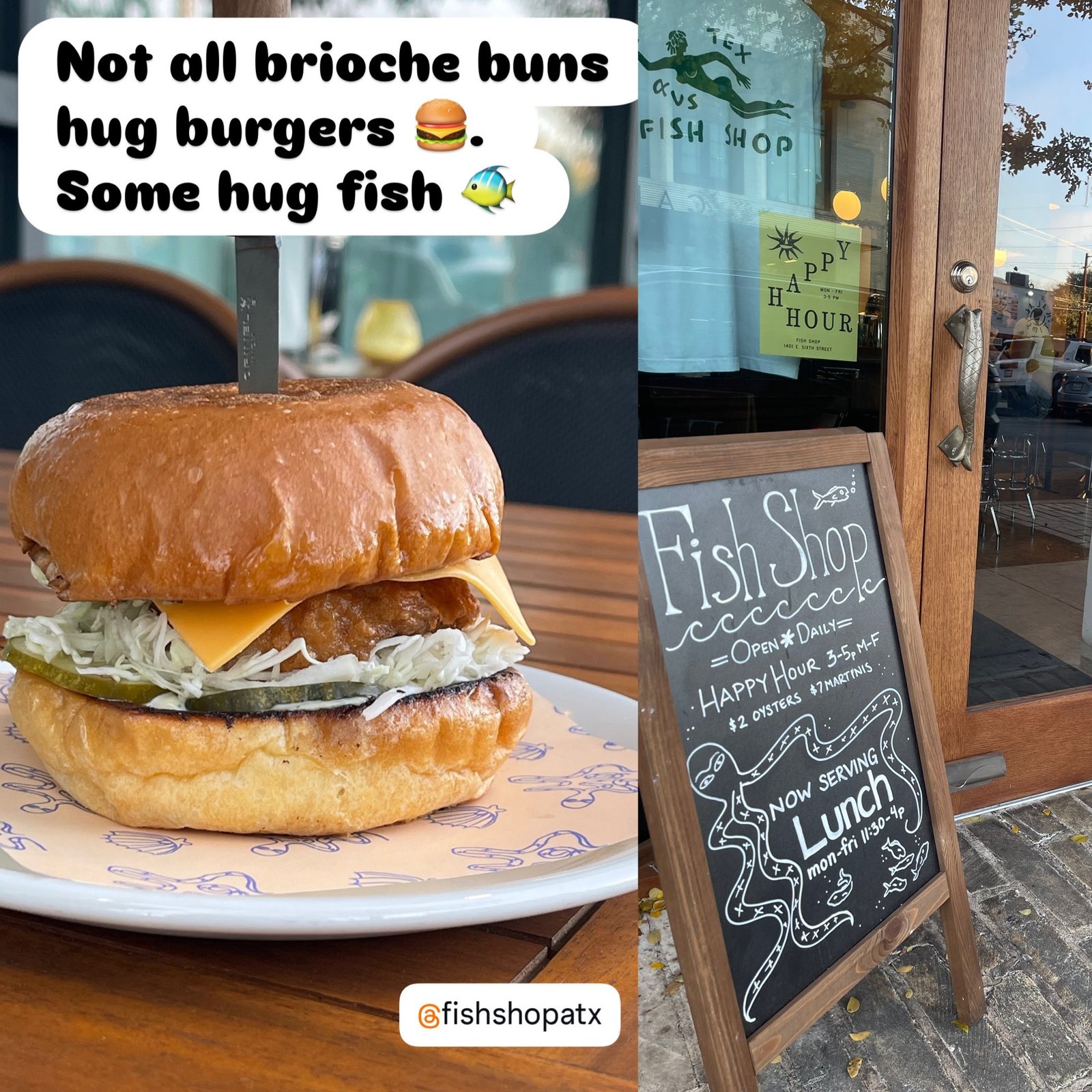
The Vitals: the spot:Fish Shop 1401 E 6th St #201 · (512) 650-3474 the eats: Fish Sandwich the bucks: $$$ the full nelson: Casual seafood cafe for hardcore sea-foodies
Fish Shop flies its seafood in from the West Coast, and you can taste the difference immediately. The oysters alone are worth the visit, but don't overlook their playful take on a Filet-O-Fish.
It's everything that sandwich wants to be: flaky fish, quality ingredients and enough care to remind you how satisfying simple food can be.
Yes, seafood in Austin isn't cheap. But compared to booking a flight to San Francisco, it suddenly feels like a bargain.
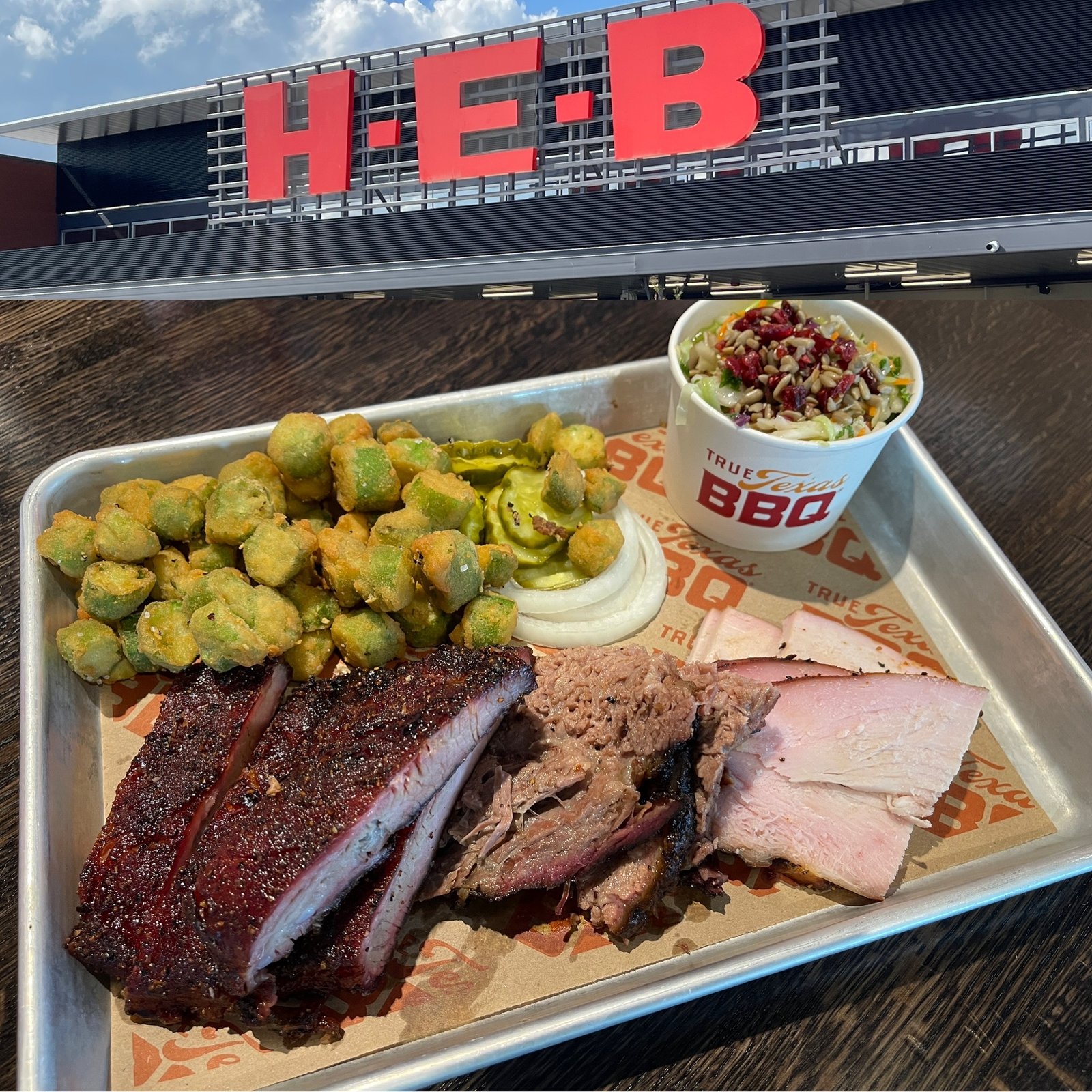
The Vitals: the spot: HEB the eats: BBQ the bucks: $$ the full nelson: a total bbq sleeper
If you've lived in Austin long enough, you've probably stood in line for barbecue with visiting friends. Franklin. Terry Black's. InterStellar. At some point, you start asking yourself a simple question:
Why can't barbecue be easy?
The answer might be H-E-B.
No, I'm not saying it's Franklin Barbecue. But for a supermarket, the brisket is surprisingly respectable, the draft beer is inexpensive, and there's never much of a wait.
In almost any other state, this would be considered very good barbecue. In Texas, it's one of the best values in town.
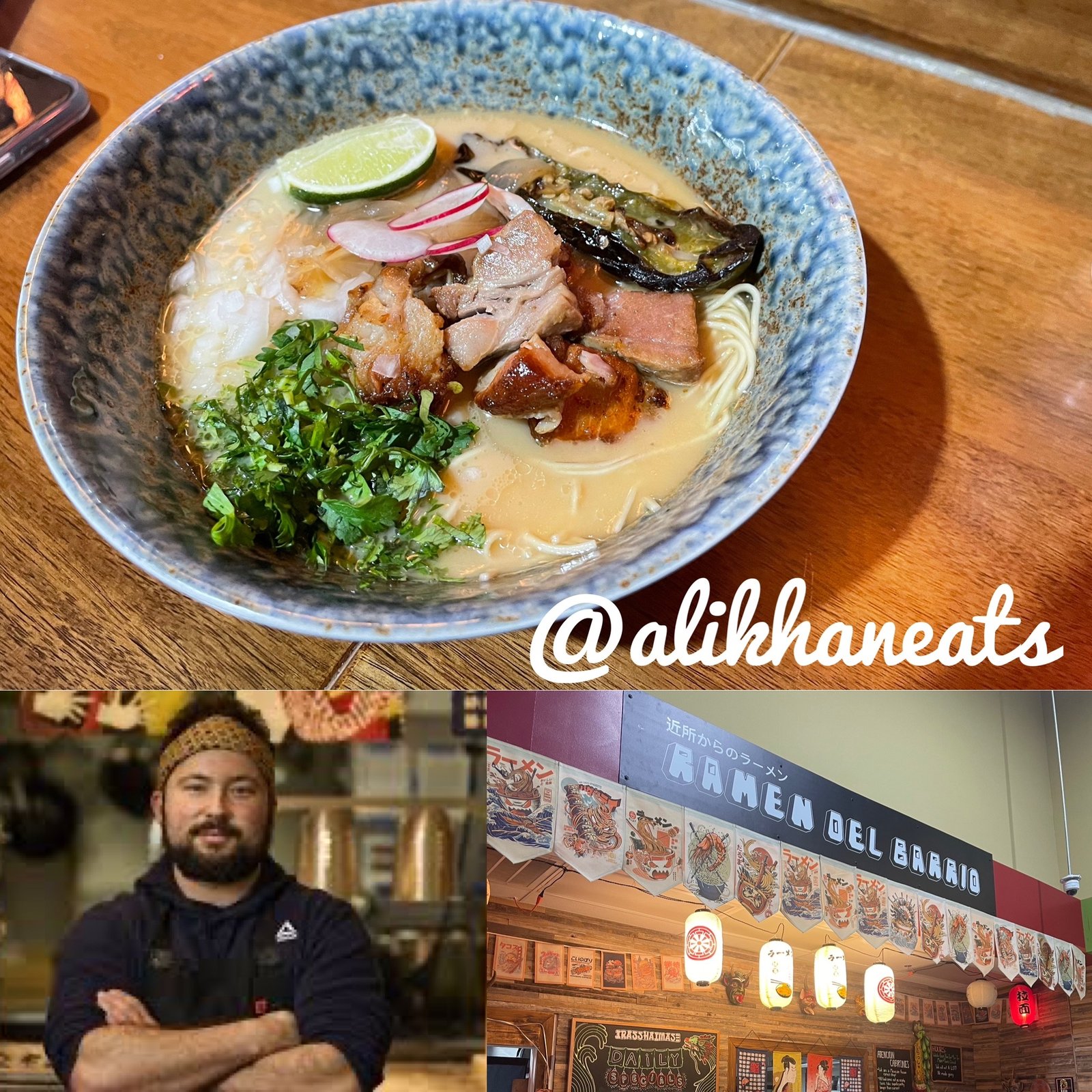
The Vitals: the spot:Ramen Del Barrio 2007 Kramer Ln suite 105, Austin, TX 78758 the eats: Carnitas Ramen the bucks: $$ the full nelson: The worlds only Mexican Ramen spot
Ramen Del Barrio
The opening I'm most excited about in 2026 isn't another omakase counter or French bistro.
It's Christopher Krinsky's first brick-and-mortar restaurant.
His Mexican-inspired ramen is unlike anything I've eaten—even after multiple trips to Japan—and I think he's one of the most original chefs working in Texas today.
As Austin continues chasing luxury dining trends, Krinsky is doing something much harder: creating food that's completely his own. I have a feeling his new restaurant will become one of the city's essential stops for anyone who cares about where Austin's food scene is headed.
Austin's food scene never stands still. Whether you're splurging on an unforgettable wine experience, grabbing surprisingly good supermarket barbecue, or chasing the city's next great chef, these are the meals that made July worth remembering.
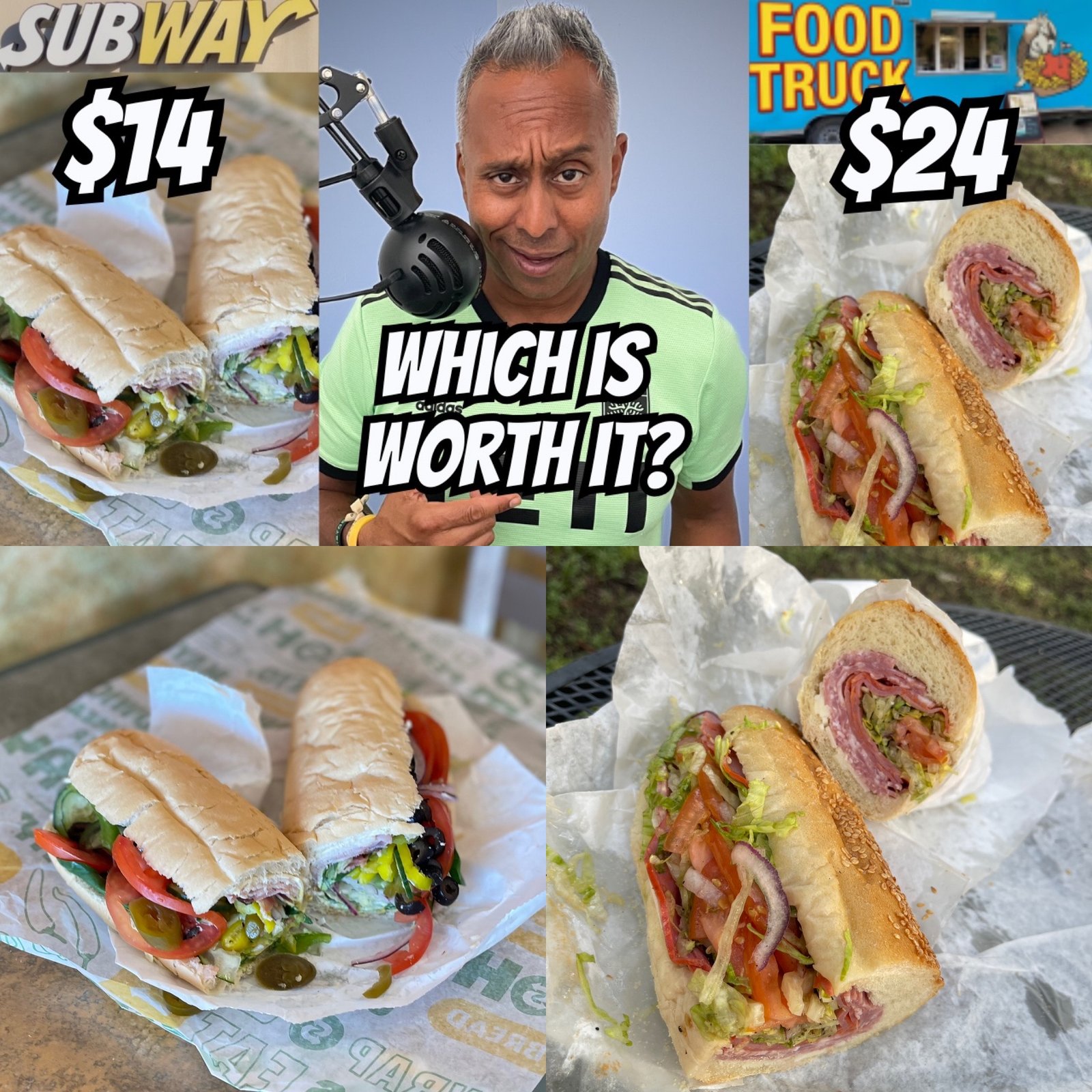 Are Sandwiches Getting Too Expensive? Here's the Only Rule That Matters
There was a time when a sandwich was the definition of an affordable meal. Bread, meat, cheese and maybe a handful of vegetables. It wasn't supposed to be a luxury purchase.
Fast forward to 2026 and somehow lunch has become a financial decision. Scroll social media and you'll find Italian cold cuts stacked sky-high, artisan breads, and influencers raving about sandwiches that cost as much as a decent steak dinner.
So I decided to find out for myself.
One was a $14 Subway All-American Club.
The other was a $24 Italian cold-cut sandwich from a local food truck.
The question wasn't simply which one tasted better.
It was whether either one justified its price.
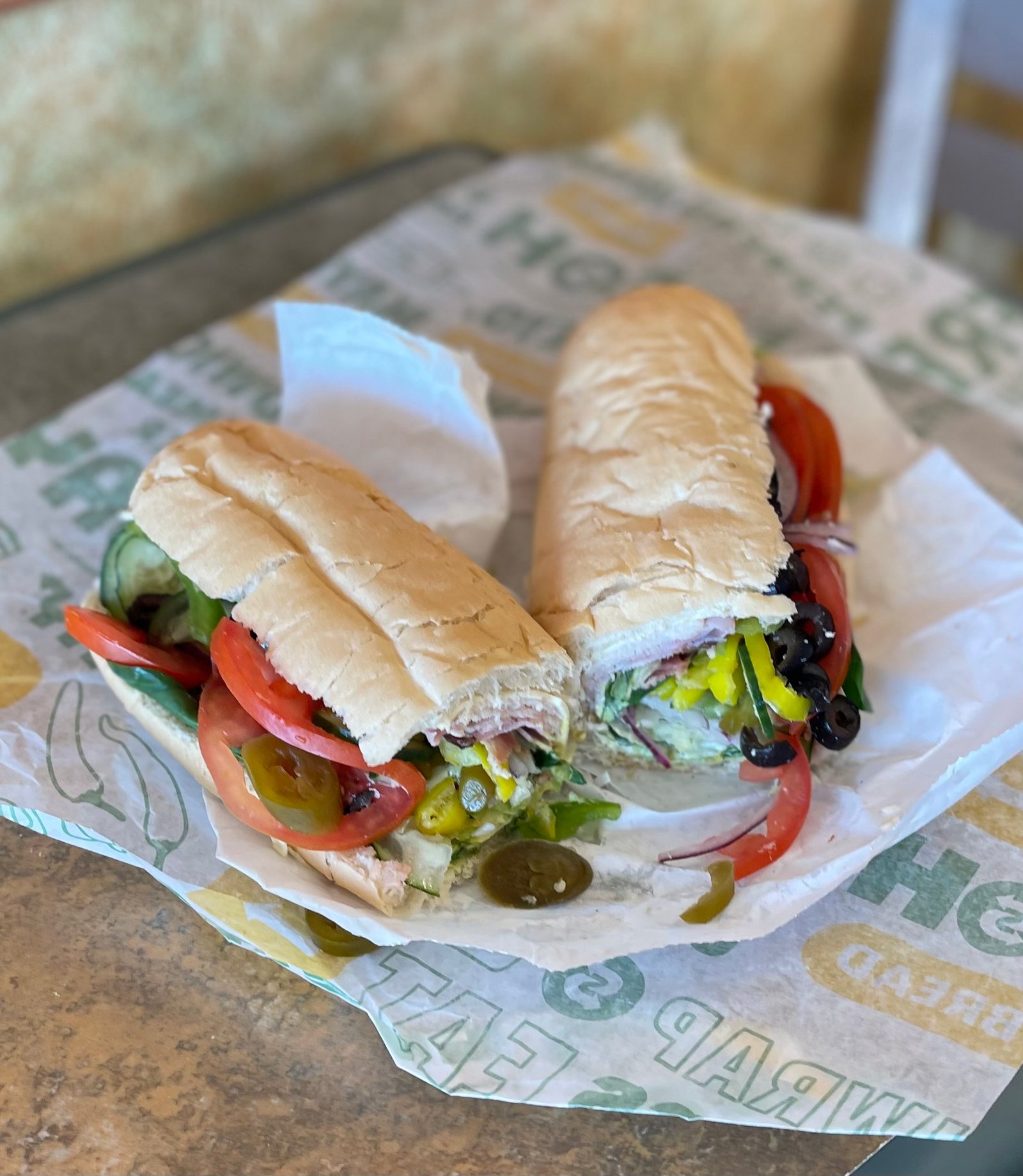
Subway wasn't nearly as terrible as internet culture would have you believe.
The ham and bacon carried more flavor than I expected, and while the sandwich suffered from Subway's familiar construction—meat piled on the bottom and vegetables stacked on top—it still scratched a nostalgic itch.
The truth is, Subway was never a great sandwich.
It was simply a cheap one. And for years that was enough.
Subway was never trying to compete with Philadelphia hoagies or New York delis. Its success came from being inexpensive, widely available and a step above grabbing a burger through a drive-thru.
The problem is that the value proposition has disappeared.
At nearly $14, Subway isn't competing against the memory of the $5 Footlong anymore. It's competing against independent delis and sandwich shops charging just a few dollars more.
Ironically, most Americans don't actually live in cities famous for great sandwiches. Outside places like Philadelphia, Chicago, New York or Los Angeles, Subway may still be one of the easiest ways to grab a decent sub.
That doesn't make it exceptional. It simply explains why people continue to eat there.
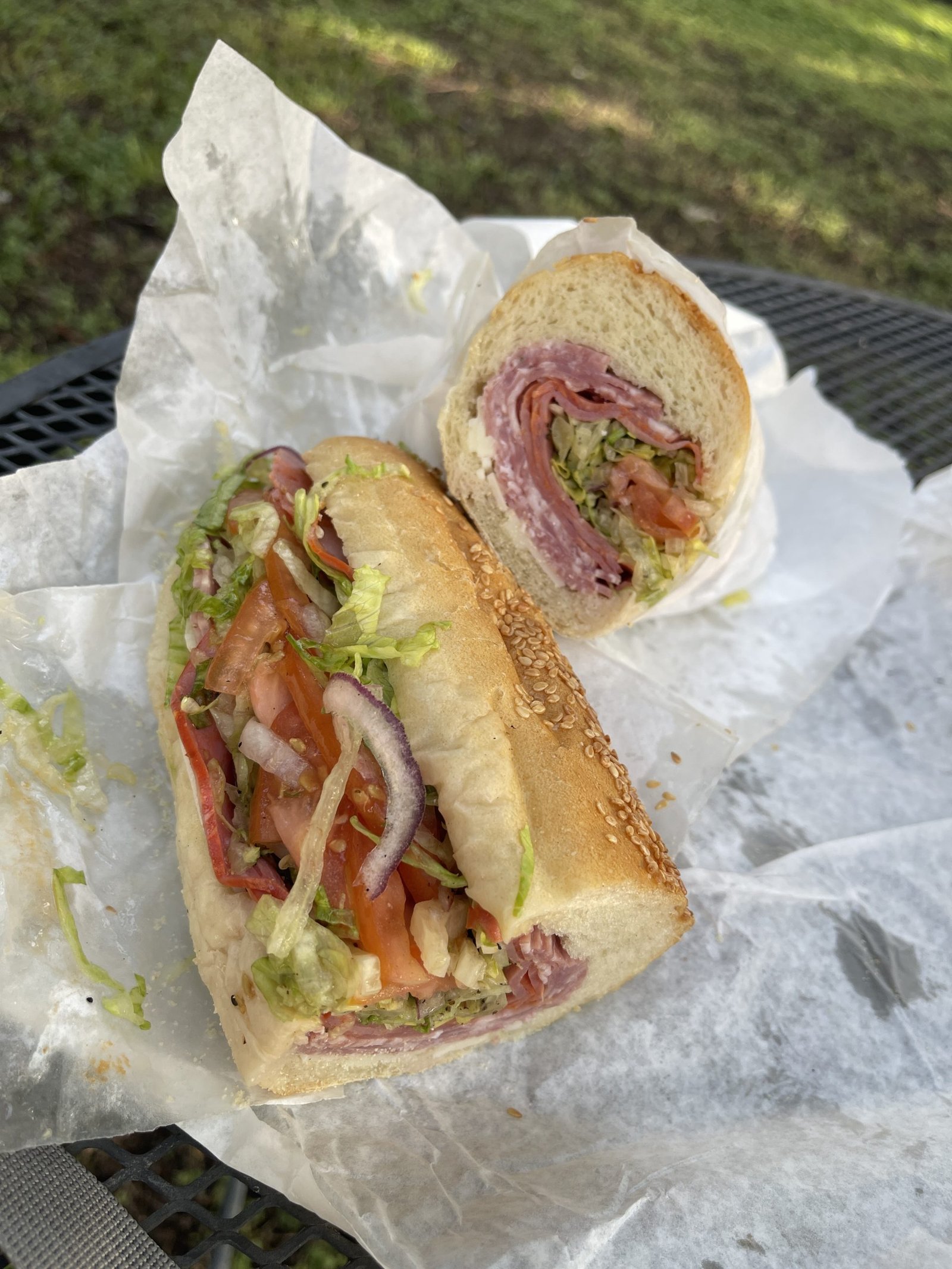 Italian Cold-Cut Sandwich
This sandwich looked fantastic. On paper it sounded like the real deal:
Capicola.
Soppressata.
Cheese.
Oil and vinegar.
Unfortunately, it never lived up to the image. The meats were average. The bread was perfectly fine, but hardly memorable.
Nothing about the sandwich made me stop and think, "This is worth driving across town for." In fact, it reminded me more of a surprisingly good Wawa sandwich than one of America's legendary hoagies.
That's not necessarily a bad thing.
It's just not what I expect from a $24 lunch.
The biggest disappointment wasn't the sandwich itself.
It was the price.
If this had been a $10 sandwich, I'd probably call it a respectable lunch. Maybe not destination-worthy, but perfectly fair value.
At $24?
Everything changes.
Now I'm expecting craftsmanship. Not just house-made bread but excellent bread. Premium meats. Something I couldn't easily recreate myself.
Instead, it felt like a sandwich borrowing the look of a great hoagie without delivering the expertise that makes one memorable.
Ironically, while I was filming this episode, my wife was making sandwiches for our son using ordinary supermarket bread, deli meat, cheese and vegetables. I'd argue those lunches were every bit as satisfying. That's when it hit me.
Maybe one of the worst values in food today isn't burgers.
It's expensive cold-cut sandwiches.
Neither sandwich represented good value.
Subway reminded me that inflation has erased one of fast food's biggest selling points.
The food truck reminded me that small businesses can't make a case for value with today's high cost of food.
Restaurants deserve to make money. Rent is higher. Labor is higher. Ingredients are higher.
I understand all of that.
But customers deserve something in return. If you're asking me to spend restaurant money on a sandwich, I need to leave believing there was no realistic way I could have made something comparable at home.
Neither of these sandwiches cleared that bar.
As I started thinking about the best sandwiches I've eaten around the country, a pattern emerged.
The ones worth paying for all have one thing in common.
They're masters of something.
 Take Mum Foods in Austin.
Their pastrami sandwich pushes $20, but they're already experts at smoking meat. Their bread is custom-made specifically for that sandwich. You're paying for genuine craftsmanship.
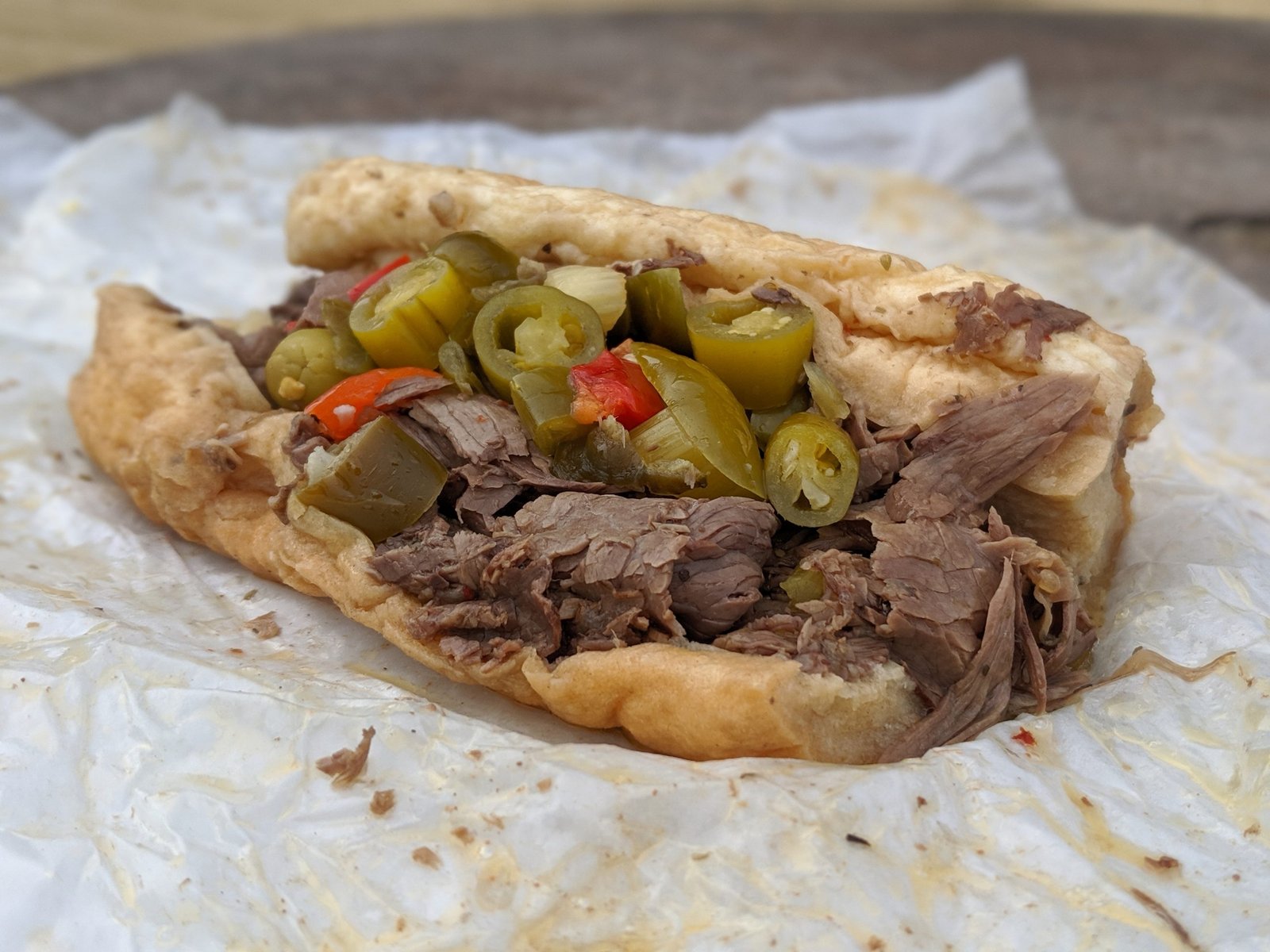 Johnny's Beef in Chicago is another example.
Making authentic Italian beef at home isn't realistic for most people. It requires specialized equipment, technique and time.
John's Roast Pork in Philadelphia exists in one of America's most competitive sandwich cities, where mediocrity simply doesn't survive.
Even Roma Market in Los Angeles—a minimalist Italian sandwich that costs under $10—works because they're already a respected Italian deli selling outstanding meats.
Every one of those sandwiches gives me something I can't easily recreate.
That's what I'm willing to pay for.
One realization surprised me while making this episode: Cold-cut sandwiches might actually be one of the easiest "restaurant foods" to make at home.
Suddenly that $24 sandwich doesn't seem nearly as compelling. That's very different from smoked pastrami.
Or Italian beef.
Or Philadelphia roast pork.
Those require years of experience, specialized equipment or techniques that most home cooks simply don't have.
Cold cuts?
Not so much.
So...
Are sandwiches getting too expensive?
Absolutely.
But price alone isn't the problem. The real issue is that too many places are charging premium prices without delivering premium expertise. The best sandwiches in America don't just taste good. They earn their price through craftsmanship, tradition or execution that's difficult to duplicate at home.
The mediocre ones?
They're charging luxury prices for convenience.
As consumers, we have to get better at recognizing the difference.
Sandwiches were never meant to be luxury items. They were built on simplicity, affordability and comfort. Those days are largely gone.
That doesn't mean expensive sandwiches can't be worth buying. It just means they have to clear a much higher bar than they used to.
For me, the question has become surprisingly simple:
Can I make this at home just as well?
If the answer is yes, I'm probably keeping my $24.
And that's really what Outrageous Foods is all about. Not finding the most expensive meal or the trendiest restaurant—but helping people decide what's actually worth their money.
Watch the full episode here:
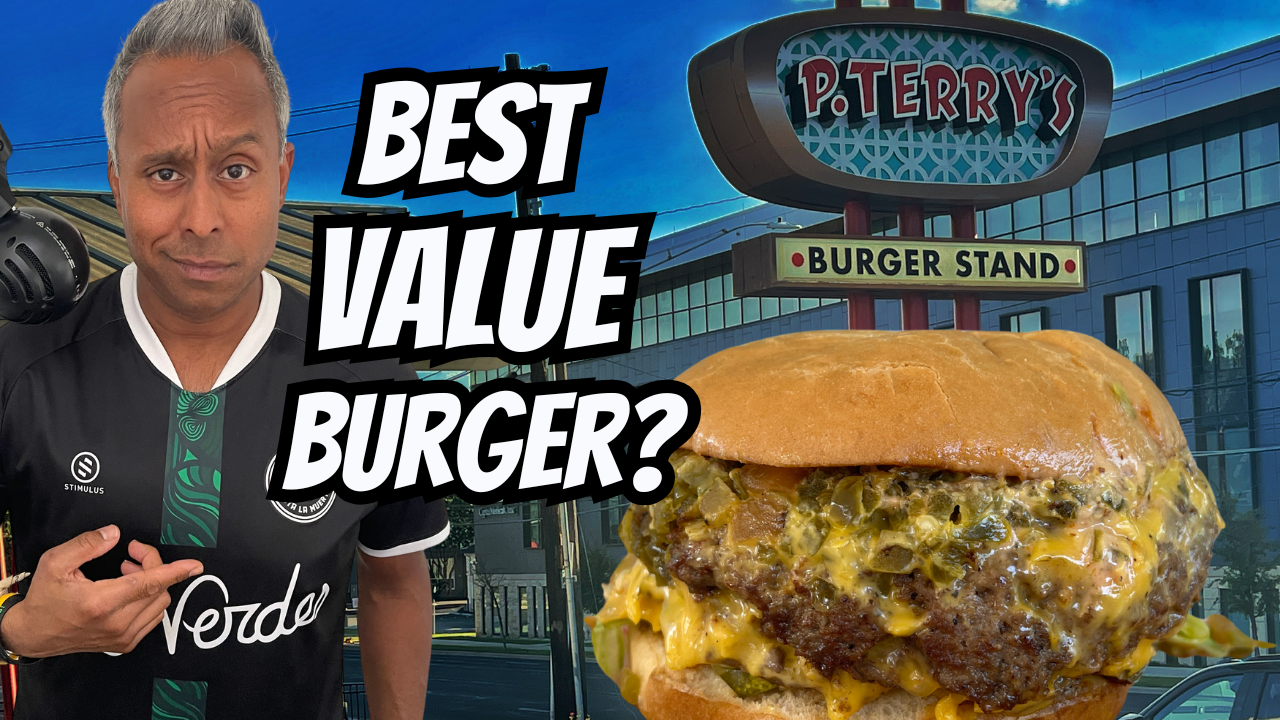
Fast food is usually a pretty simple transaction.
You hand over your money. They hand you a burger. If the burger is good enough, you come back.
But every once in a while, a restaurant gives you another reason to return. For me, that's what happened with P. Terry's.
I've long viewed the Austin burger chain as Texas' answer to In-N-Out. The formula is familiar: fresh burgers, fresh-cut fries, shakes, and a menu that doesn't try to be everything to everybody. The burger has always reminded me of In-N-Out, though I thought it fell just short in the flavor department.
Recently, I discovered a simple hack.
Add mustard.
Suddenly, the burger moves much closer to that craveable, almost Animal Style flavor profile that makes In-N-Out so addictive.
That alone made P. Terry's worth another visit.
Then the company announced something that made me want to review it even more.
P. Terry's recently expanded its employee ownership program, giving longtime team members an ownership stake in the business.
In an era when many restaurants ask customers to help support employees through tips, P. Terry's has taken a different approach. They're making employees stakeholders.
That's worth talking about.
Watch my full Outrageous Foods review below.
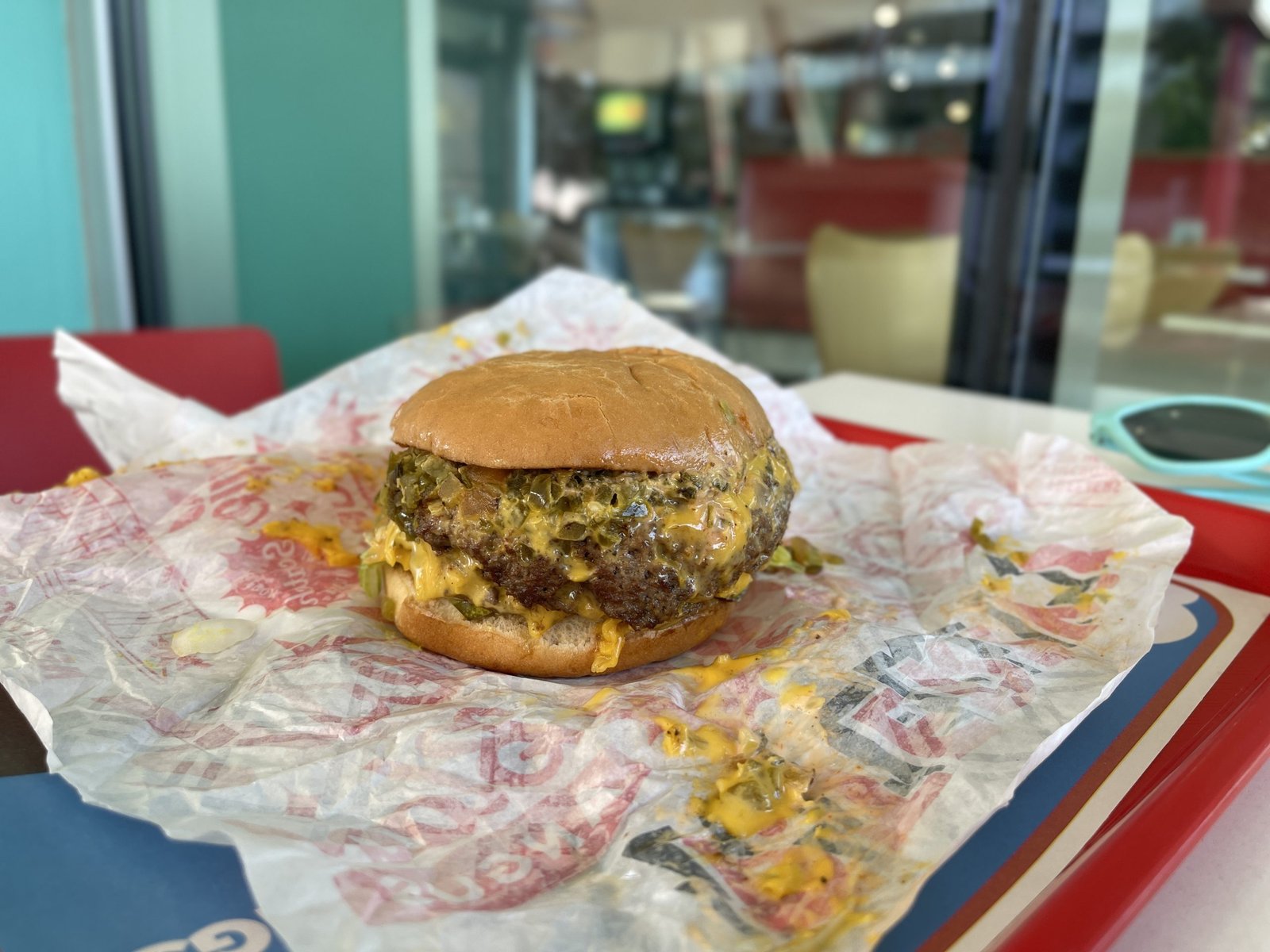 P. Terry's Review by the Numbers
I've always believed In-N-Out had a slight edge. Not anymore. Or at least not by much.
The mustard trick completely changed the experience for me, giving the burger more acidity and bringing it surprisingly close to the flavor profile I associate with Animal Style. The burger was juicy, balanced, and satisfying without trying to reinvent the cheeseburger.
And while I almost never order fries... P. Terry's fries absolutely destroy In-N-Out's.
Yes, I realize the irony that I rarely order them.
In-N-Out still gets the nod from me by the slimmest of margins.
There's something about that unmistakable grilled-onion-and-mustard combination that remains one of the great fast-food burgers in America. But the gap is much smaller than I remembered.
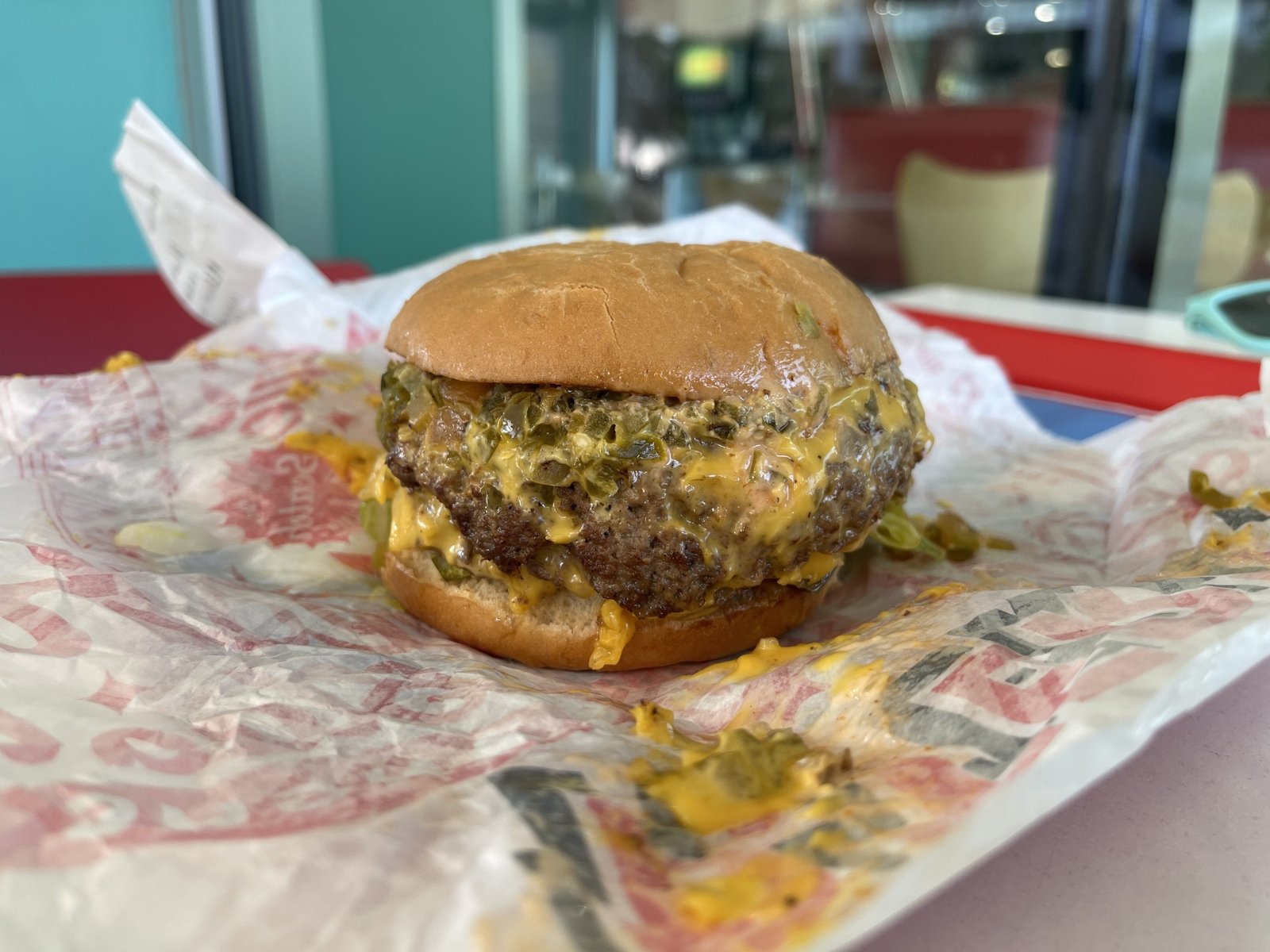 Price: 7.9/10
My meal came to a little over eight dollars. Nobody is confusing that with cheap. Not in the way we talked about cheap ten or fifteen years ago.
But context matters.
In 2026, a quality burger for eight dollars starts to feel almost refreshing. The burger itself was substantial, and had I shown a little restraint while ordering, I probably could have spent even less.
Eight dollars isn't pocket change. But compared to many fast-food and fast-casual burgers pushing fifteen to twenty dollars, P. Terry's occupies a sweet spot that feels increasingly rare. It's not cheap. It's value.
And those aren't always the same thing.
I ordered the triple. That was my decision. Naturally, it became a serious meal.
The upside?
I skipped the fries entirely.
From a calorie standpoint, I'd rather spend those calories on another beef patty than a side of fries. Could I have ordered less? Absolutely.
Just as I could have spent less money.
A triple cheeseburger isn't pretending to be health food. But if you're going to indulge, I'd rather indulge on the burger than waste calories on something I didn't really need. Everything comes back to making choices that fit into an otherwise balanced diet.
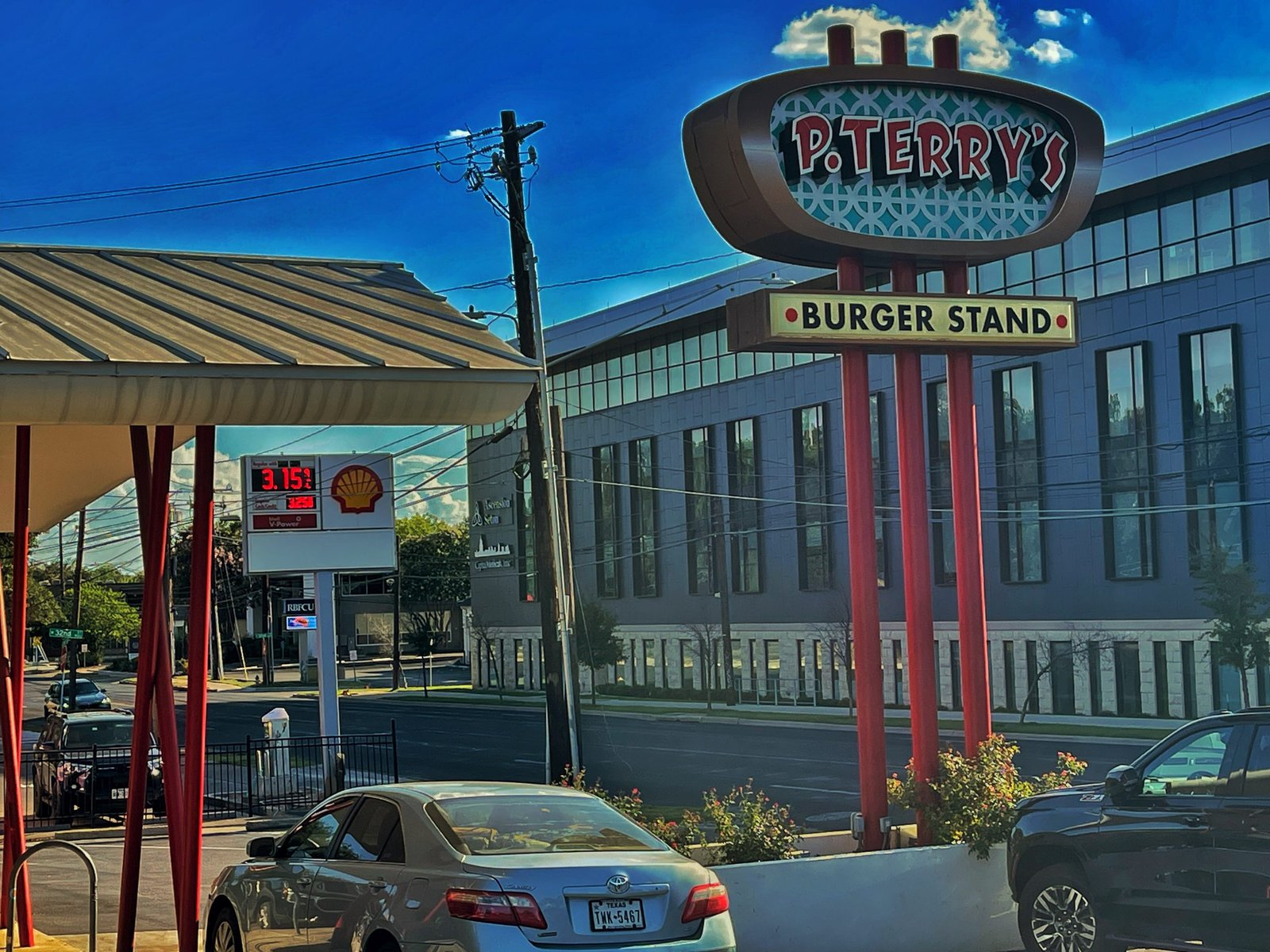 Final Thoughts on P. Terry's
When I started reviewing fast food, I thought I was searching for the best burger. Lately, I've realized I've been asking the wrong question.
The better question is:
Which restaurants deserve our business?
Taste still matters. Price matters. Calories matter.
But increasingly, I find myself paying attention to something else.
How does a company treat the people who make the food?
P. Terry's deserves credit here. Rather than asking customers to help support employees through larger tips, the company is creating opportunities for employees to become owners. That's a different philosophy. And one I deeply respect.
It doesn't magically make the burger taste better.
But it absolutely makes me feel better about where my money goes.
I still think In-N-Out has the better burger by the narrowest of margins. P. Terry's unquestionably has the better fries. Even if I rarely order them.
But the thing that impressed me most had nothing to do with the food. It was the company.
Some restaurants ask customers to tip because they want to support their staff.
P. Terry's seems to be saying something different:
Give us your business because we're investing in our people.
That's a message worth rewarding.
Taste: 8.8/10
Price: 7.9/10
Calories: 7.0/10
Overall: 24/30
Ali Khan Bonus Points (Company Values): +2
Final Score: 26/30
One of the easiest fast-food recommendations I've made all year.
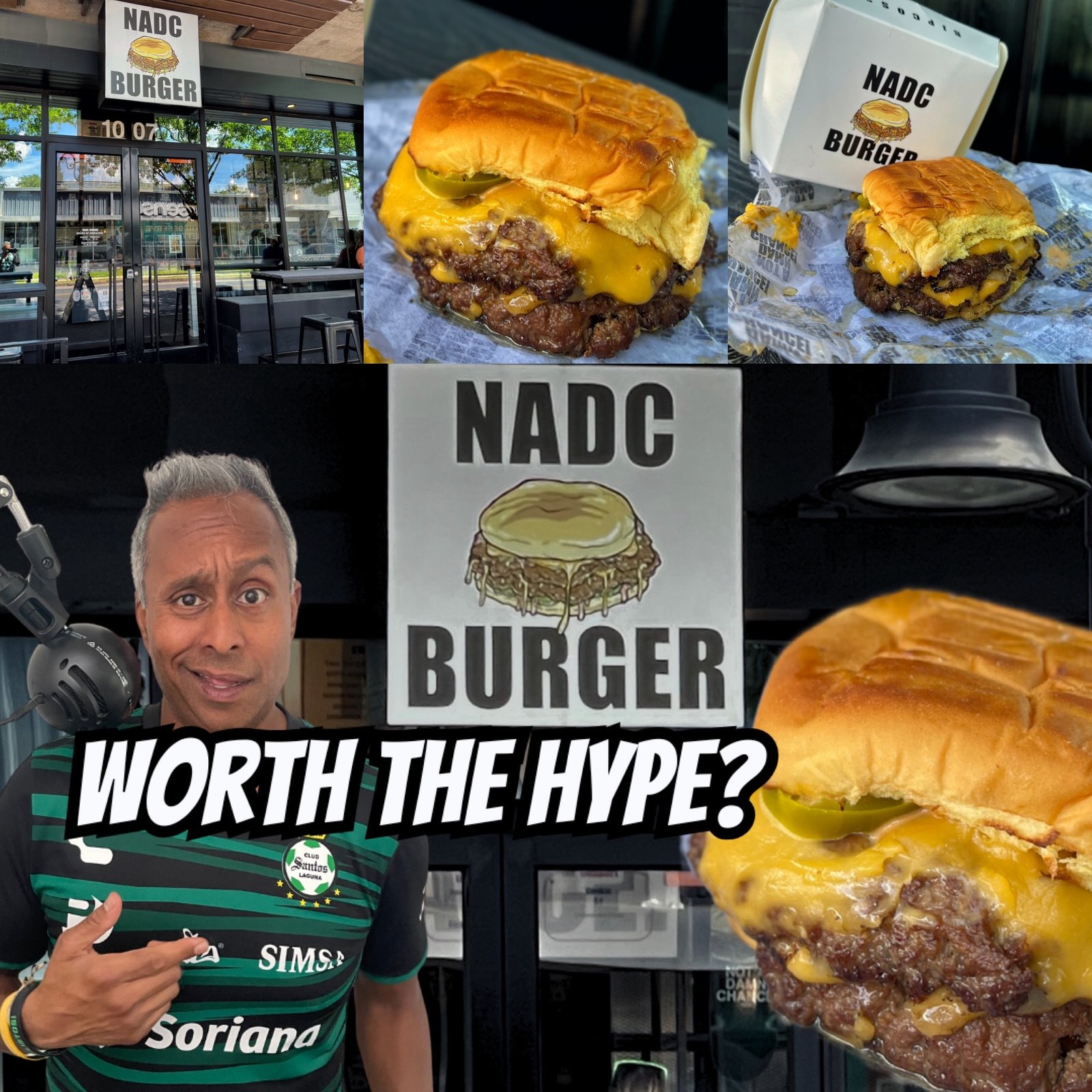
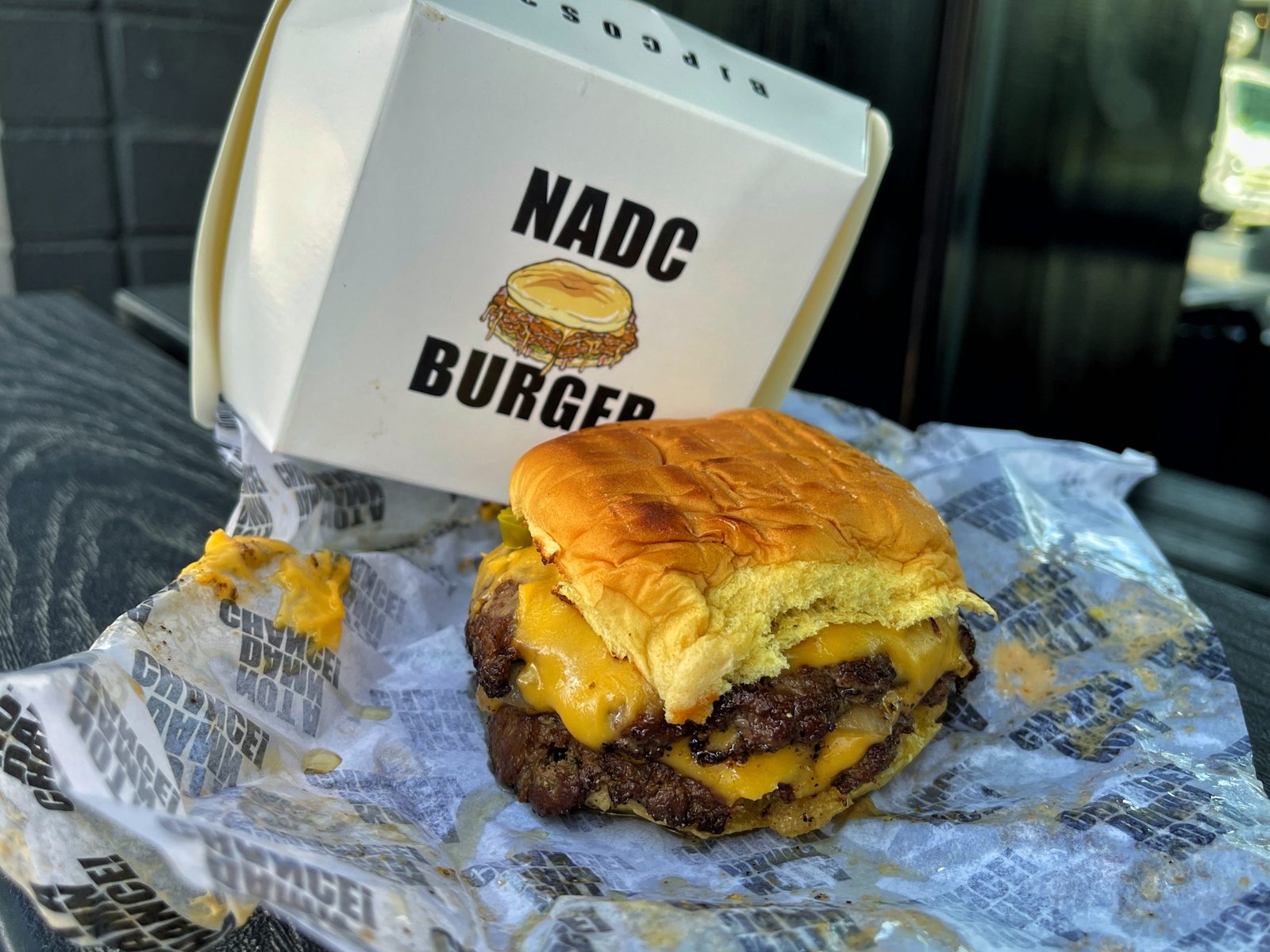
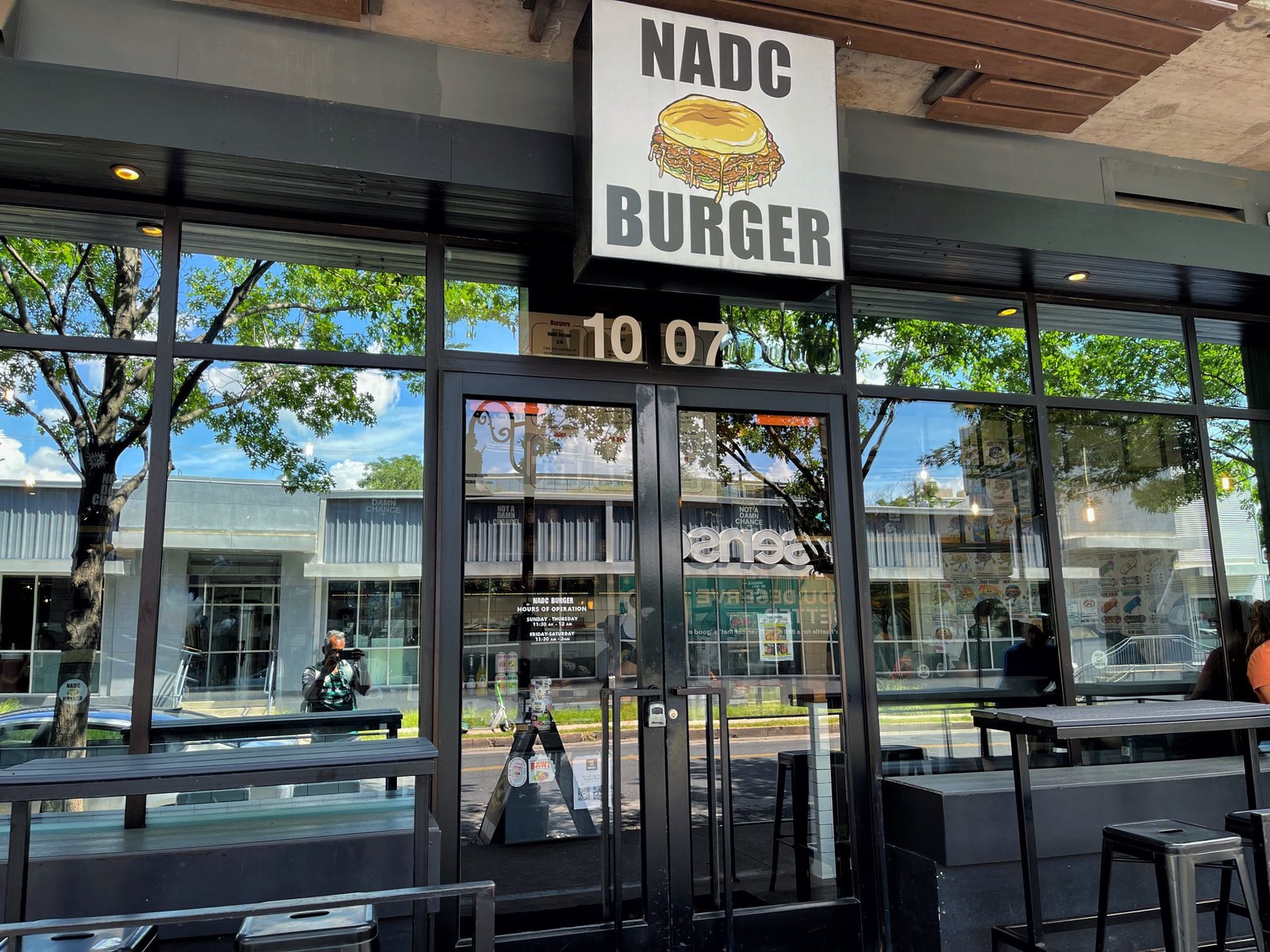
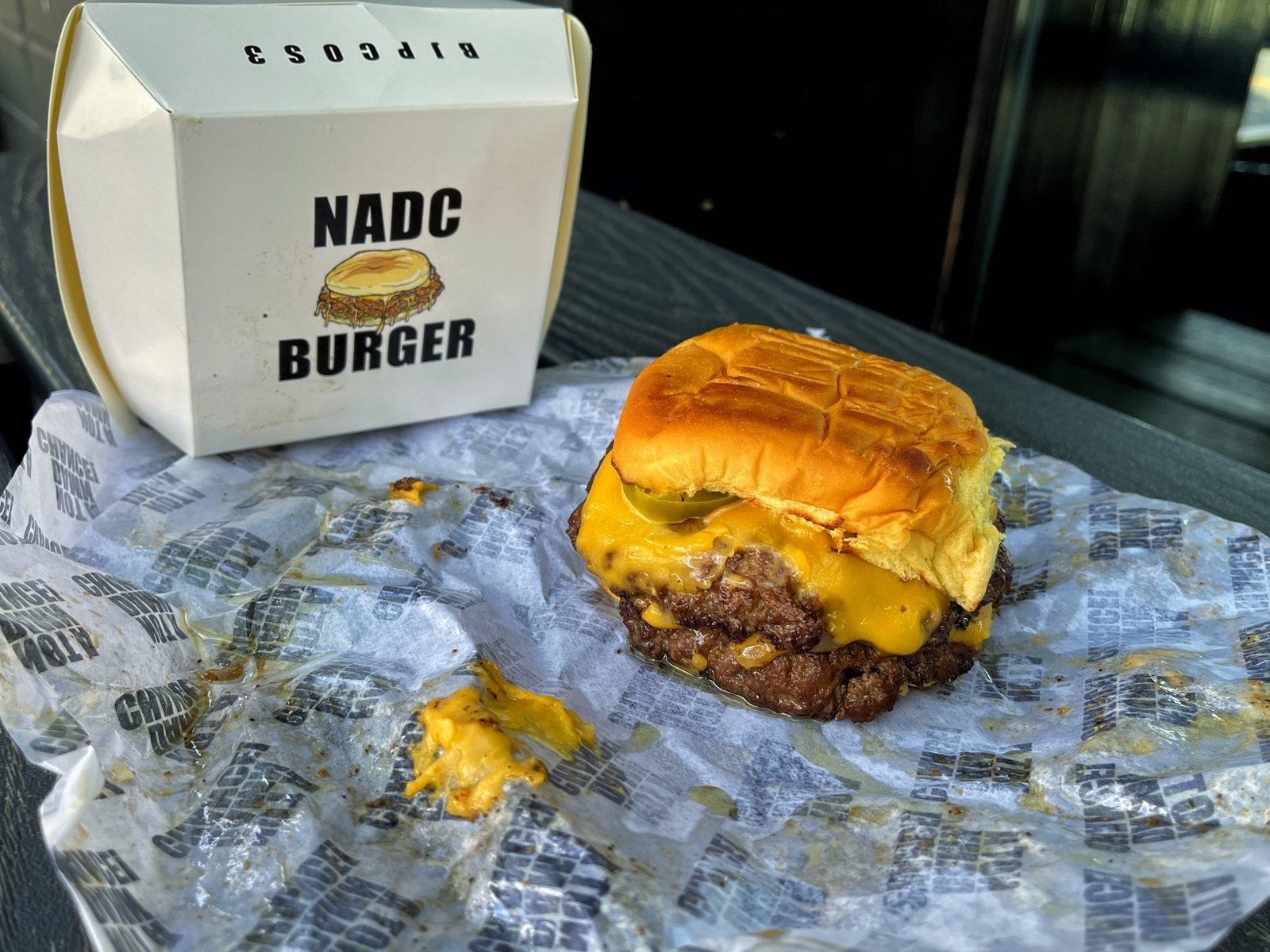 Final Thoughts on NADC Burger