For a long time, casual dining was the middle ground.
Not cheap. Not fancy. Just dependable.
It was where you went when no one felt like cooking. Where families landed after soccer practice. Where ordering an appetizer didn’t require a quick mental budget check.
But somewhere along the way, that changed.
Today, eating out feels heavier. Not outrageous — just more expensive, more deliberate, more calculated. You notice menu prices you used to ignore. You pause before adding a starter. You leave thinking about the bill instead of the meal.
📺 Outrageous Foods – Episode 13: Is Casual Dining Still Worth it?
Casual dining didn’t suddenly break. It slowly shifted.
Food costs rose. Labor costs rose. Rent rose. And restaurants adjusted the only way they realistically could — by raising prices. According to restaurant industry data, menu prices for eating out have risen faster than grocery prices over the past several years.
The result is subtle but powerful: dining out moved from routine to occasional.
Not special-occasion dining — but mental-budget dining.
You still go out. You just think about it more.
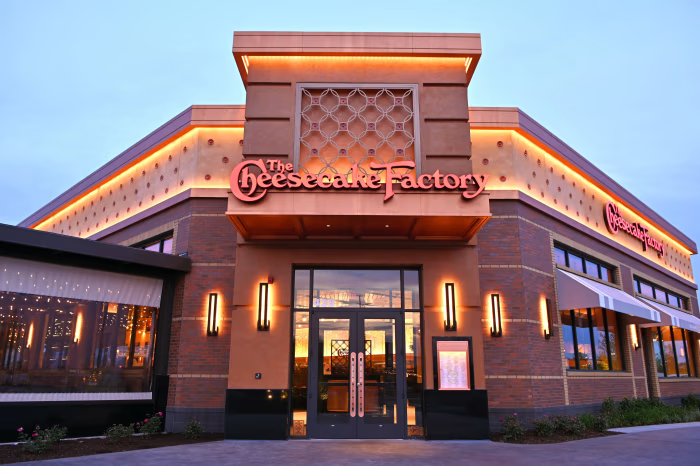
Cheesecake Factory is a perfect example of this shift.
It’s not luxury dining. It’s not fast food. It’s the place you go when everyone wants something different and no one wants to argue about it.
But even places like this now feel like a decision.
Recent price increases weren’t about excess or greed — they were about survival. Higher food costs, higher wages, higher operating expenses. Customers may go slightly less often, but they’re paying more when they do.
Nothing is “wrong” with Cheesecake Factory.
It just represents a new reality.
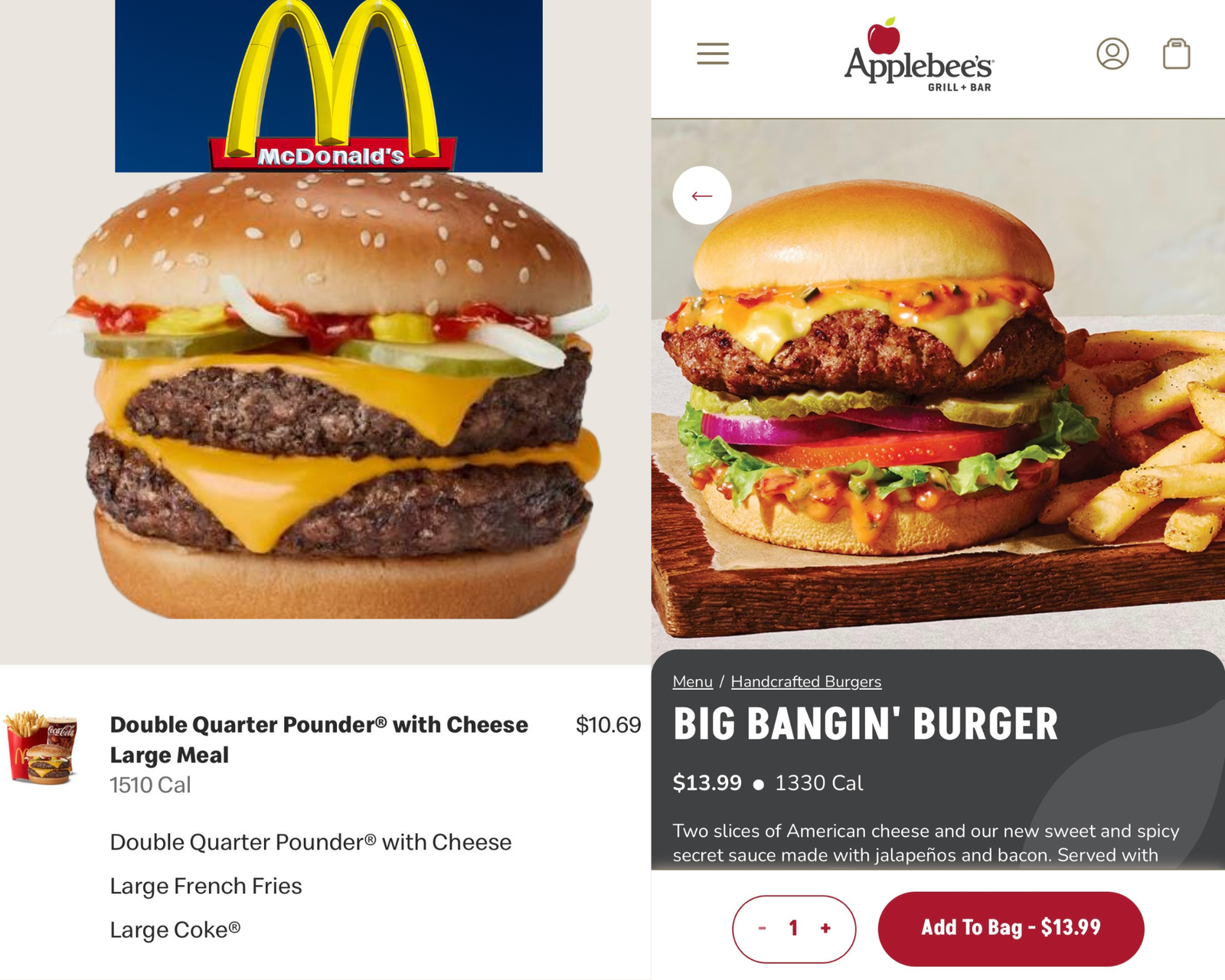
Here’s where things get interesting.
For years, the assumption was simple: fast food was cheap, sit-down restaurants were more expensive. But that gap has narrowed.
As fast food prices climbed, casual dining started to feel comparatively better — especially when you factor in service, portion size, and the overall experience.
Recent surveys show that many consumers now perceive casual dining as a better value than fast food. And traffic data suggests sit-down chains have held up better than some quick-service restaurants.
If you’re already spending sit-down money, you might as well sit down.
Dining out isn’t dead.
But it isn’t casual anymore.
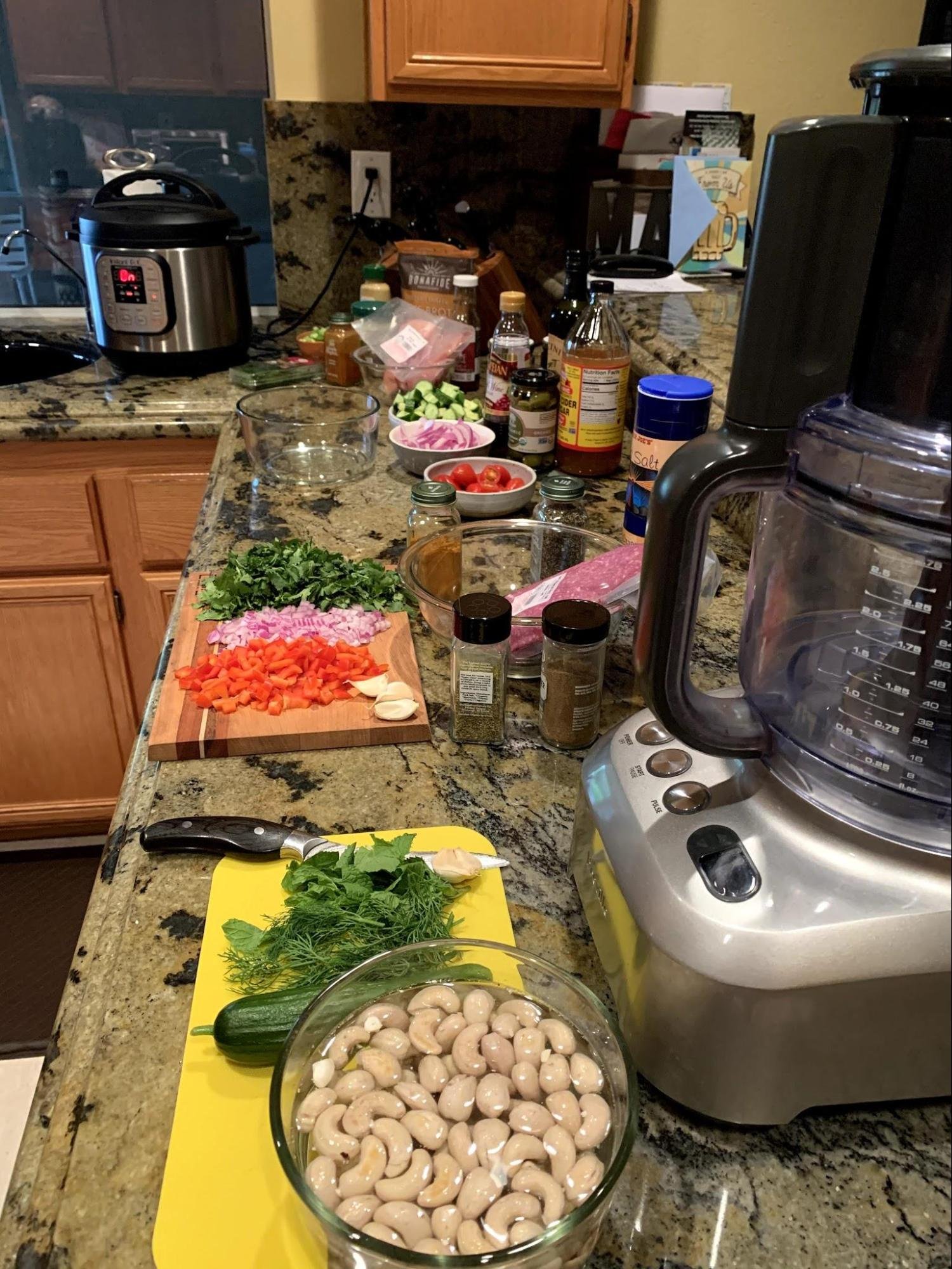
People are cooking more at home. Being more selective about where they spend. Saving restaurants for moments that feel worth it.
This isn’t about being cheap.
It’s about being intentional.
The real question isn’t whether food is more expensive.
It’s whether it’s worth it.
That’s the lens I’ll keep using here — to help navigate food in a more expensive world.






Leave a Reply