My Low-Calorie Chicken Breast Meal Prep Recipe (Mustard Binder Method)
Meal prep—not workouts—is probably the biggest reason I've managed to stay in shape.
Sure, I enjoy sweating through an hour of boot camp even in ninety-degree Texas heat. Burning five hundred calories feels great.
But the truth is, what keeps me from gaining weight isn't what happens during that hour.
It's what happens Tuesday afternoon when I'm hungry and need lunch in five minutes.
What gets in the way of eating healthy in modern life is time.
Full stop.
Like most families, ours is busy. We're constantly running to the grocery store because I'd rather buy fresh food than fill the pantry with shelf-stable processed snacks. That also means I don't want to overbuy. Food spoils. Plans change.
To make things even more interesting, my son is a teenager with the metabolism of a hummingbird. He can demolish refined carbohydrates without a second thought. Meanwhile, my wife and I tend to build lunches around salads and lean protein.
That's why I almost always keep cooked chicken breast in the refrigerator.
Recently I stumbled onto a little trick borrowed from the barbecue world that has made my meal prep even better.
Mustard.
Why Use Mustard as a Binder?
Barbecue cooks have been using mustard as a binder for years. The idea is simple: coat the meat with a thin layer of mustard before seasoning so the spices adhere evenly.
What I hadn't considered until recently was how well this works for healthy meal prep.
Unlike oil-based marinades, mustard contributes very few calories while helping create an even coating of seasoning. Better yet, it adds a subtle tang and pairs beautifully with herbs.
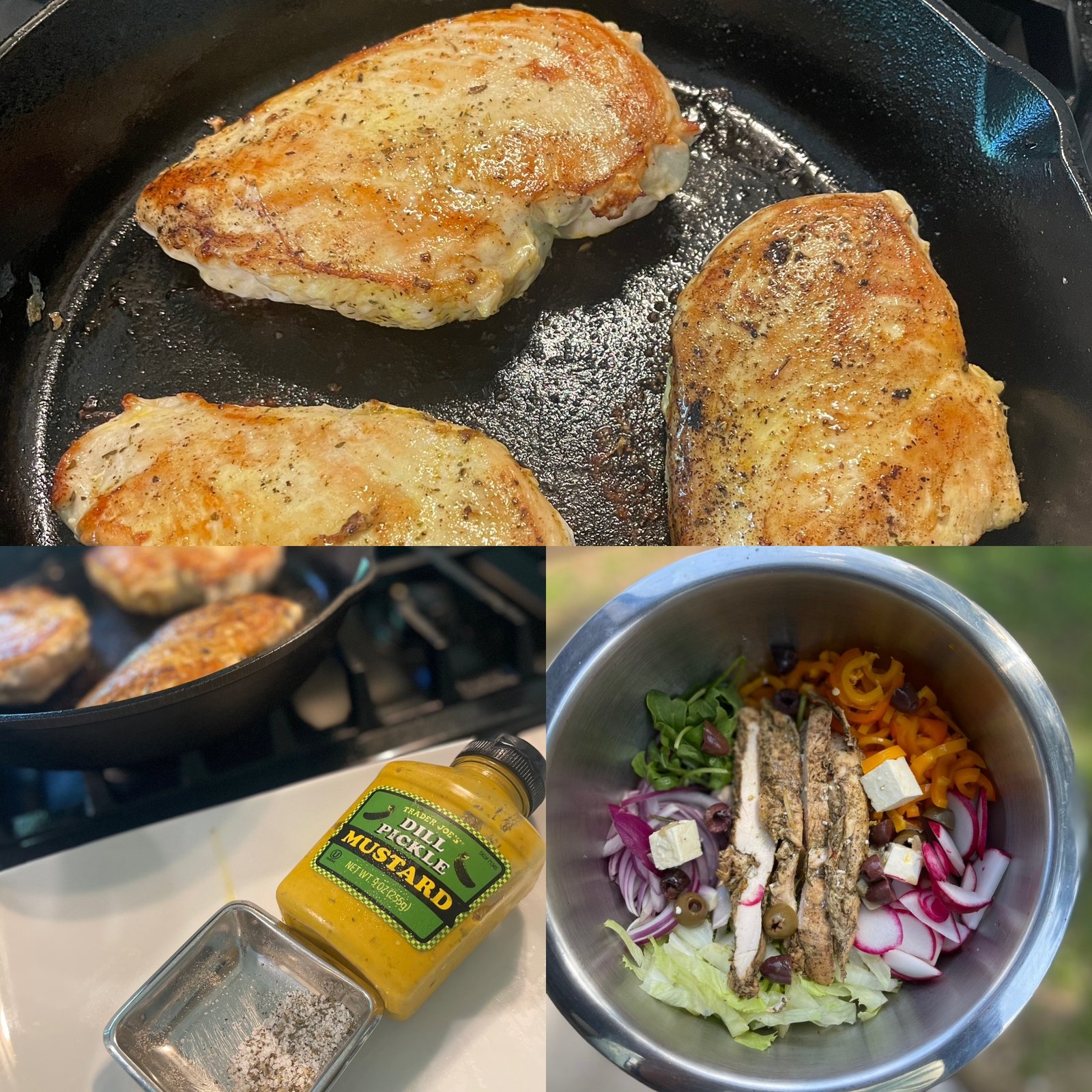
I happened to use a dill pickle mustard because that's what I had on hand, but Dijon, yellow mustard, spicy brown, or whole-grain mustard all work beautifully.
In fact, I'm a firm believer in keeping multiple mustards in the refrigerator. They're inexpensive, low in calories, and each brings its own personality to the table.
Ingredients
2 boneless, skinless chicken breasts
2–4 teaspoons mustard (your favorite variety)
Kosher salt
Freshly cracked black pepper
Herbes de Provence
optional 1-2 teaspoons neutral oil (for the pan)
Instructions
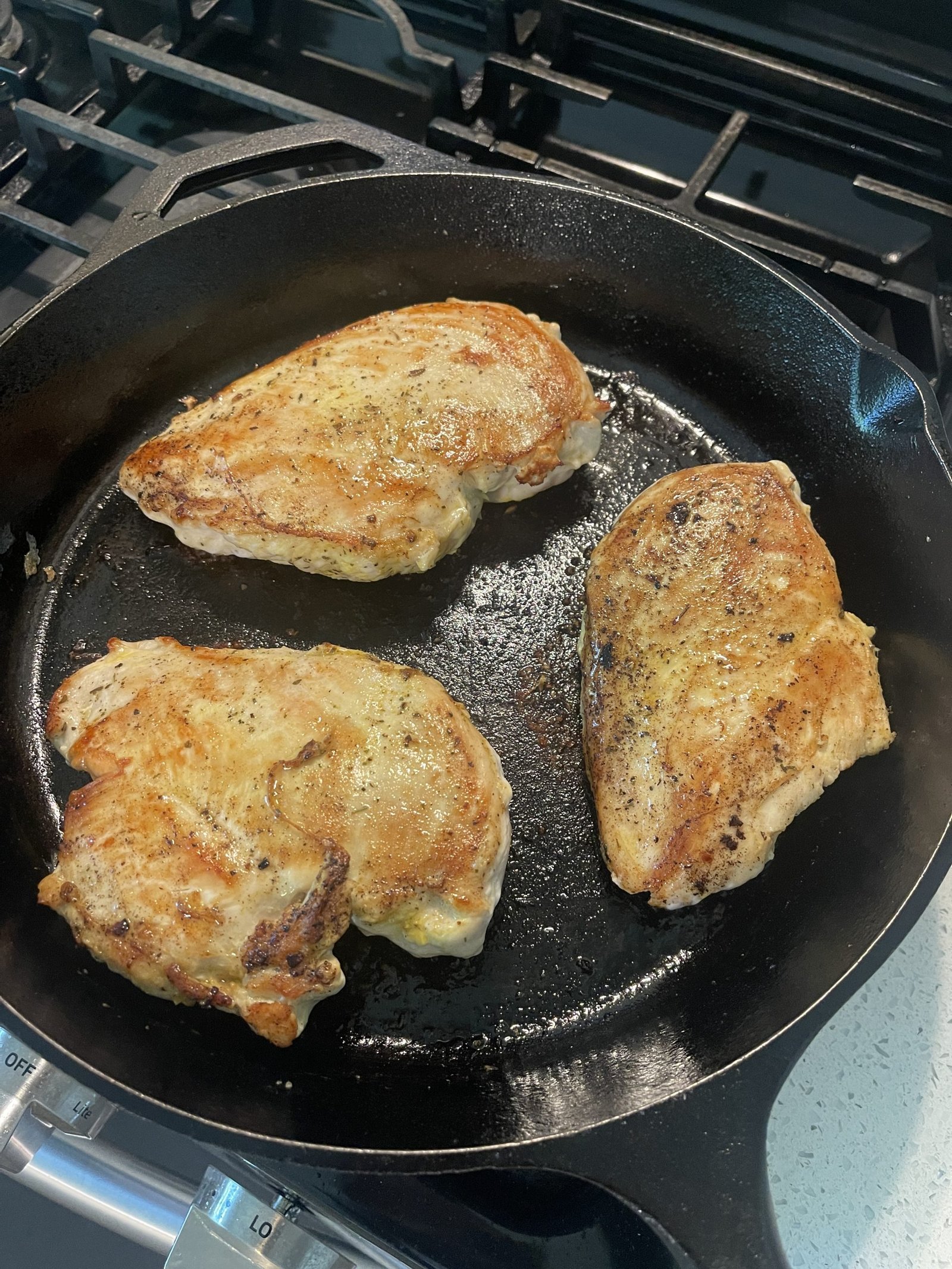
Pat the chicken breasts dry with paper towels.
Spread about one to two teaspoons of mustard evenly over each breast.
Season generously with kosher salt, black pepper, and Herbes de Provence.
Heat a heavy-bottomed nonstick skillet over medium-low heat. Add a small amount of oil if needed.
Cook the chicken, turning once or twice, until the internal temperature reaches 160–165°F.
Allow the chicken to cool completely before slicing or storing.
Refrigerate and use throughout the week for salads, wraps, grain bowls, or quick lunches.
Why This Method Works
As the chicken cooks, the mustard and herbs become surprisingly aromatic. The kitchen smells like the beginning of a classic French pan sauce—mustard, herbs, and roasted chicken—even though the finished chicken remains clean and versatile enough for meal prep.
The biggest benefit, however, is flexibility.
Because the seasoning sticks so well, I can use less(or no) oil without sacrificing flavor. Those calories may seem insignificant on one meal, but over the course of a week they add up. And if you're someone like me who also enjoys restaurants, barbecue, burgers, and the occasional drink, saving calories at home gives you a little more flexibility when you go out.
Healthy eating isn't about perfection.
It's about making the better choice often enough that it becomes your default.
This chicken has quietly become one of mine. It arguably enhances the flavor and, at the very least, breaks up the monotony of chicken breast—arguably one of the world's least exciting foods.
If you're looking for another healthy weeknight protein, check out my Reverse-Seared Traeger Salmon recipe.
Portillo's Italian Beef Review: Is Chicago's Famous Chain Worth It in 2026?
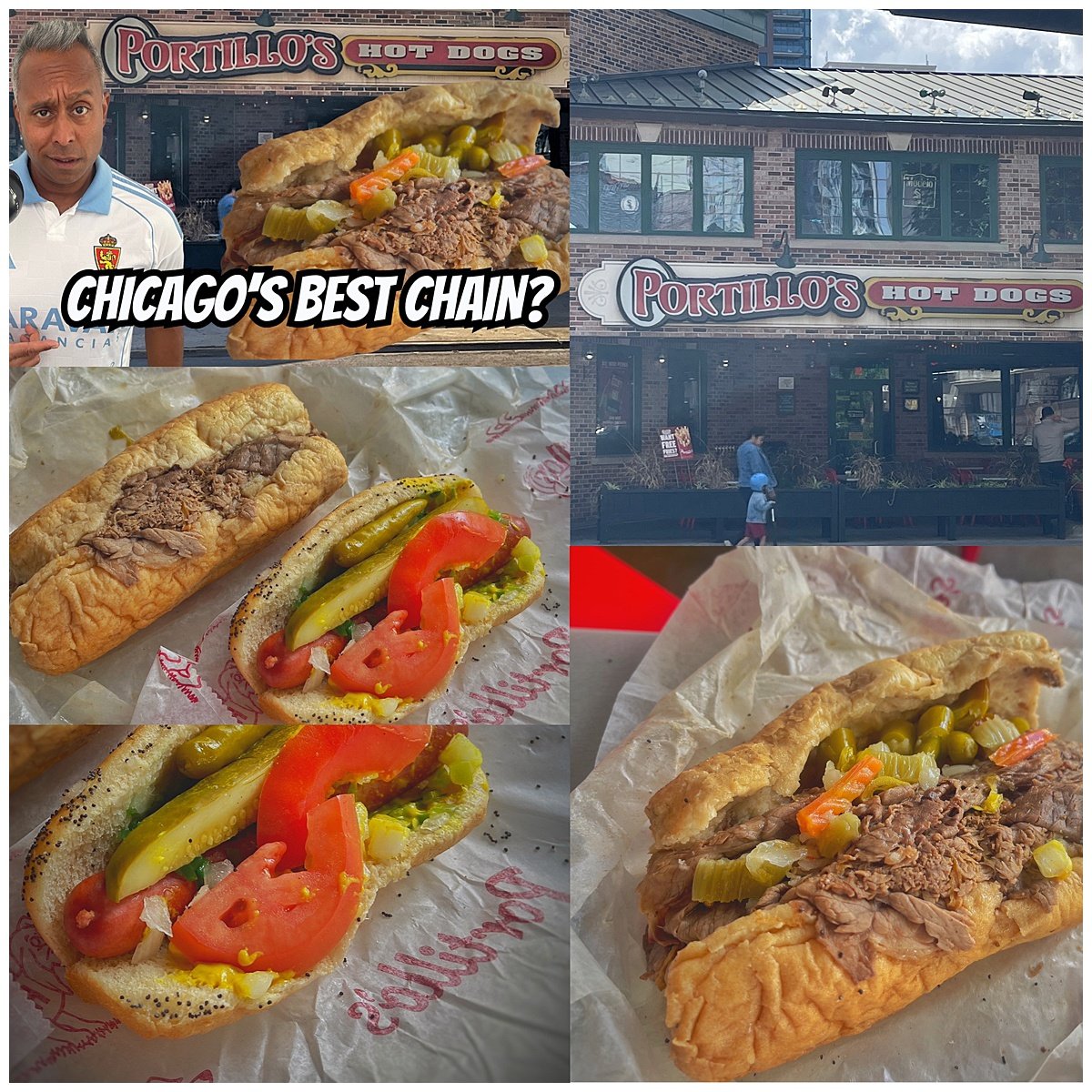
Portillo's is Chicago's fast-food institution.
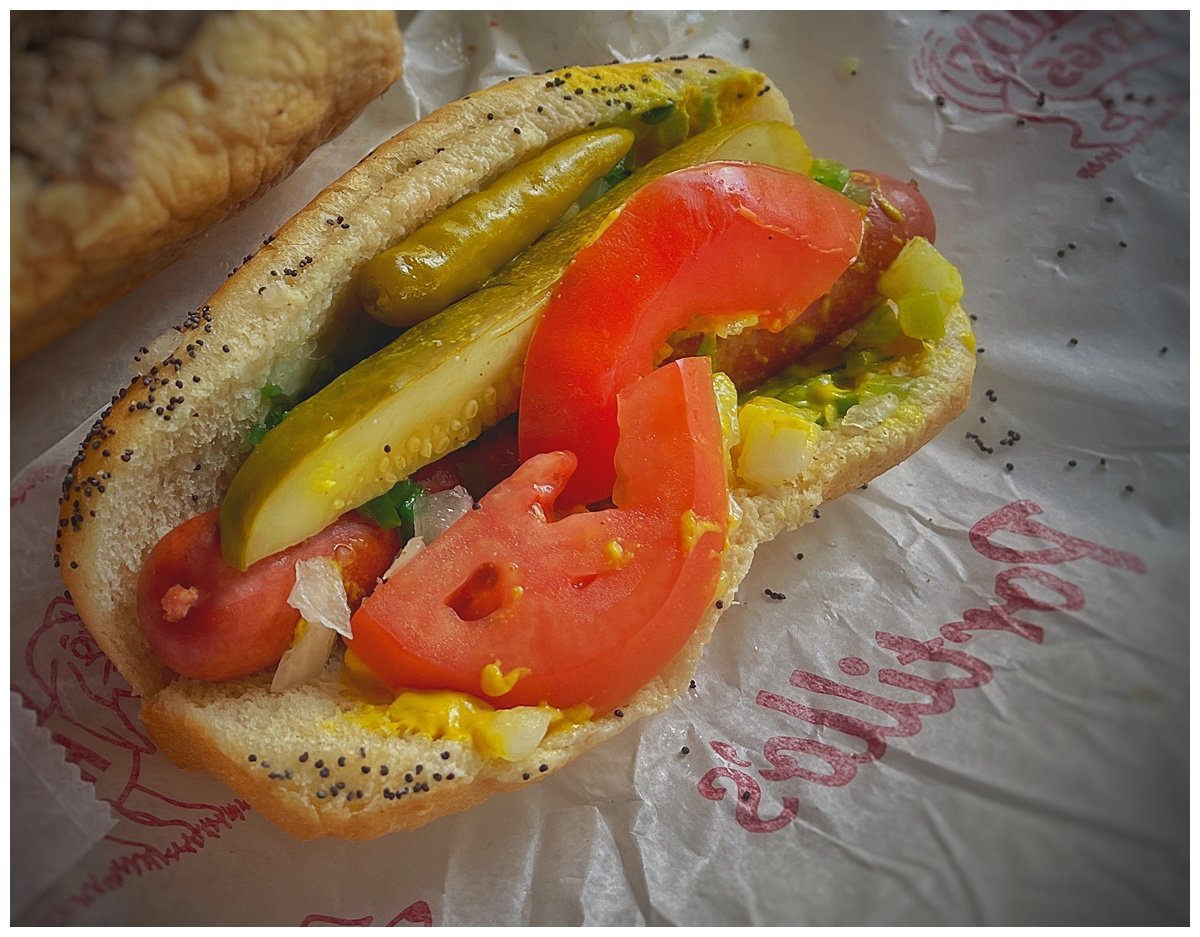
Most famous for Italian beef sandwiches and Chicago-style hot dogs, the chain has grown far beyond its local roots. The menu stretches from burgers and ribs to shakes and salads, and despite its growth, Portillo's remains one of the first places locals recommend to visitors looking for a taste of Chicago.
Which raises an interesting question.
Can a regional chain preserve the quality of a beloved local specialty, or does growth inevitably water things down?
The Italian beef is the perfect test case.
If you've never had one, imagine a sandwich built around thinly sliced roast beef soaked in seasoned jus and piled onto a sturdy roll. It's one of Chicago's defining foods and, depending on who you ask, one of the best sandwiches in America. In fact, after a great Italian beef, you may start looking at the Philly cheesesteak a little differently.
Perhaps that's a debate for another day.
While visiting Chicago, I stopped by Portillo's to see whether its most famous sandwich is still worth the hype. As always, I scored it on taste, price, and calories.
Watch the full review
Portillo's Italian Beef Review by the Numbers
Taste Score: 8.2/10
"It scratches the itch."
That was my immediate reaction.
Is it the absolute best Italian beef in Chicago?
Probably not.
But that's not really the point.
The beef is tender, savory, and loaded with enough jus to remind you why this sandwich became a Chicago institution in the first place. Every bite delivers exactly what you're hoping for when you order an Italian beef.
Most importantly, I never feel disappointed eating one.
That's a bigger compliment than it sounds.
Why It Didn't Score Higher
Chicago's independent beef stands are still the standard.
Part of what makes regional food special is the obsession that comes from local operators perfecting one thing for decades.
Portillo's is excellent.
But the very best neighborhood spots still have an edge.
Price Score: 8.0/10
In the context of fast food, Portillo's is remarkably reasonable.
A lot of national chains are charging similar prices for burgers and chicken sandwiches that simply aren't as satisfying.
In the context of Chicago food, however, Portillo's is a little more expensive than some local beef stands.
Not by much.
Maybe a couple of bucks.
And when you factor in multiple locations, late-night hours, consistency, and convenience, that premium becomes pretty easy to justify.
Why It Didn't Score Higher
Reasonable isn't the same thing as cheap.
Portillo's offers solid value, but some of Chicago's smaller independent spots still offer a better deal.
Calories Score: 7.9/10
The Italian beef with hot peppers clocks in at roughly 743 calories.
That's not exactly health food.
But it is a substantial meal.
Considering the amount of protein and sheer satisfaction you get from the sandwich, I think the calories are fairly well spent.
This isn't a sad desk lunch.
It's a legitimate indulgence.
And there are certainly worse ways to spend 743 calories.
Why It Didn't Score Higher
Let's not pretend this is a salad.
Seven hundred-plus calories is still a meaningful commitment, especially once fries, a drink, or a slice of Portillo's famous chocolate cake enter the picture.
Final Thoughts on Portillo's
What impresses me most about Portillo's isn't that the food is good. Plenty of chains serve good food. What impresses me is that Portillo's has managed to preserve the quality and identity of a distinctly Chicago food while expanding far beyond its hometown roots.
Most restaurant chains eventually lose something as they grow. Quality slips, corners get cut, and the food becomes increasingly generic in pursuit of consistency. Portillo's has largely avoided that fate. The Italian beef remains recognizably Chicago, and perhaps more importantly, it remains genuinely satisfying.
The result is a chain restaurant that can hold its own in a city filled with independent operators serving the very same specialty. That's no small accomplishment, and it's one of the reasons Portillo's remains such a beloved institution throughout Chicago and beyond.
Last Bite
Portillo's may very well be the best regional fast-food chain I've visited. The food is unique, the menu is expansive, the prices remain reasonable, and the experience feels unmistakably tied to the city that created it. Most importantly, it serves as a reminder that growth doesn't have to come at the expense of quality.
Overall Score: 24.1/30
Portillo's isn't just a successful chain.
It's proof that regional food can scale without losing its soul.
H-E-B True Texas BBQ Review: Is Grocery Store Barbecue Worth It in 2026?
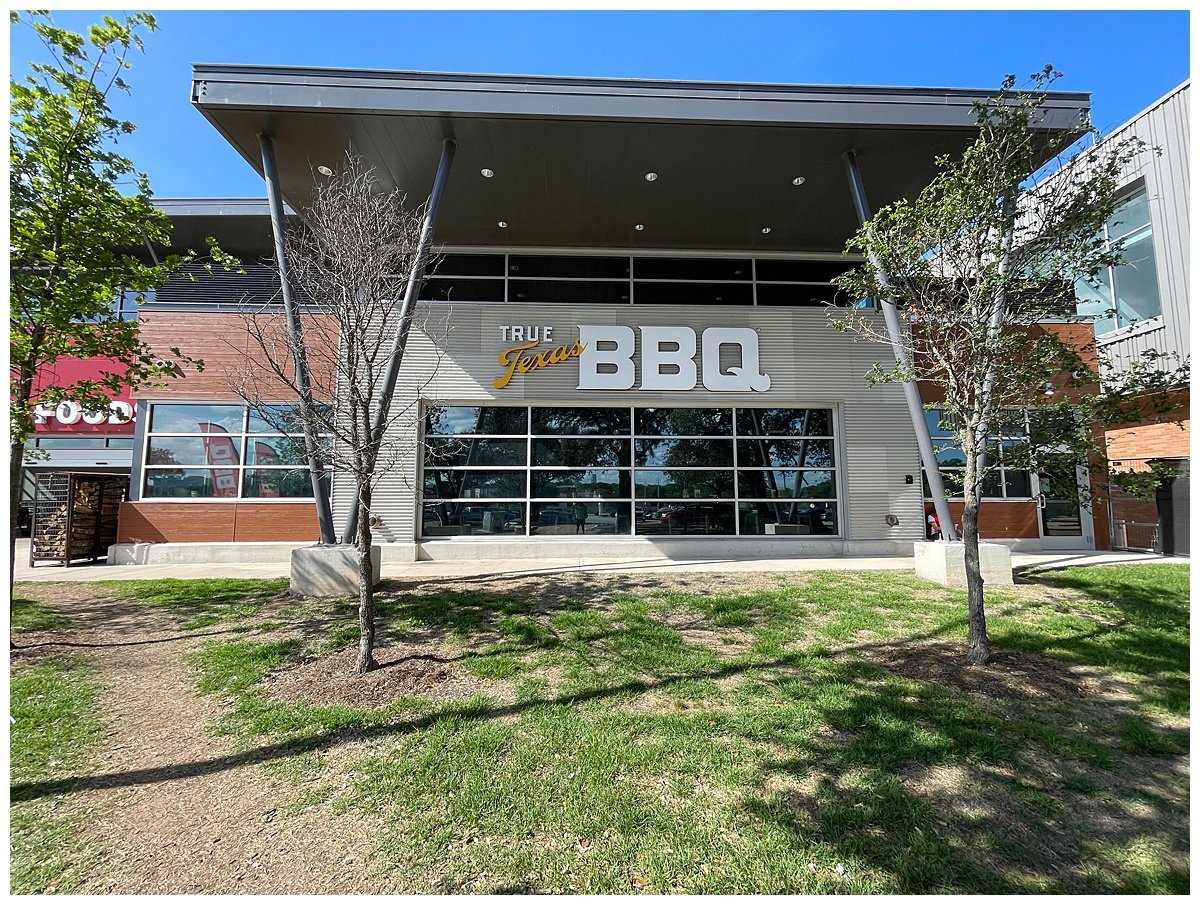
H-E-B is one of the most beloved brands in Texas.
And unlike Whataburger, Texans aren't the only ones singing its praises. The grocery chain has built its reputation on balancing value with quality, which is why some people are surprised to discover that H-E-B also serves barbecue.
When I first moved to Austin eleven years ago, I was genuinely impressed. The barbecue was solid and compared favorably to many of the legacy barbecue places around town.
But barbecue in Texas has changed dramatically since then.
The craft barbecue movement has raised the bar, with places like LeRoy and Lewis, Burnt Bean, and La Barbecue redefining what great barbecue can be. Those places often come with long lines and limited hours.
H-E-B offers something many of them don't:
Convenience.
In my latest Outrageous Foods review, I stopped by H-E-B True Texas BBQ to see how it scored on taste, price, and calories.
Watch the full review!
H-E-B True Texas BBQ Review by the Numbers
Taste Score: 7.9/10
The meats were good.
Really good.
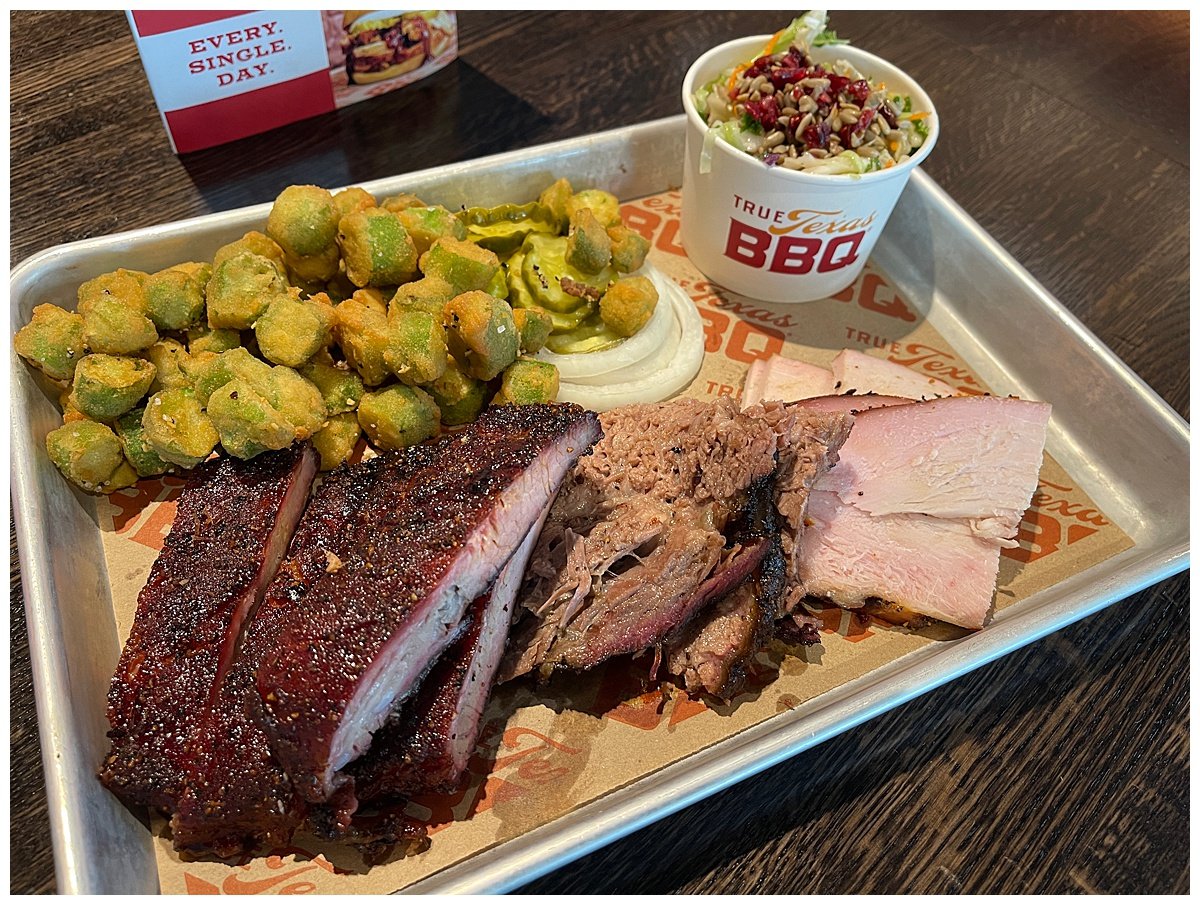
Brisket, turkey, ribs—I enjoyed all of them. H-E-B delivers competent, satisfying Texas barbecue, and considering you're eating inside a grocery store, that's no small feat.
Why It Didn't Score Higher
Barbecue has evolved.
Like it or not, the craft barbecue movement changed expectations. While H-E-B's barbecue is very solid, it's hard to put it in the same class as the elite joints pushing creativity and technique to another level.
My sides were decent too despite chatter that they can be the achilles heel, but they lack the innovation and cultural mashups happening throughout modern Texas barbecue.
Bottom line?
H-E-B barbecue is excellent for a grocery store.
But it isn't elite barbecue.
Price Score: 5.0/10
My three-meat plate cost nearly $30.
That's a lot of food, but it's also approaching what you'd pay at elite spots like Micklethwait.
Why It Didn't Score Higher
Thirty bucks isn't cheap.
And that's the problem.
At that price, H-E-B finds itself competing with some of the best barbecue in Texas.
If I have thirty dollars and the choice is between H-E-B and Micklethwait, the answer is easy.
I'm going to Micklethwait.
Calories Score: 4.0/10
This platter was an absolute monster.
Brisket: 370 calories
Turkey: 190 calories
Ribs: 600 calories
Fried okra: 810 calories
Coleslaw: 350 calories
Total:
2,320 calories.
Even split between two people, that's 1,160 calories each.
We're talking Five Guys territory.
And somehow the biggest caloric bomb on the plate wasn't the meat.
It was the fried okra.
Why It Didn't Score Higher
A day's worth of calories is staggering, even for a platter intended to be shared.
And honestly, one of the reasons I enjoy doing these reviews is that it forces us to understand what we're actually eating.
H-E-B perhaps gets unfairly put through the meat grinder because they publish calorie information while many barbecue restaurants don't.
But calories are calories whether they're posted or not.
And if nothing else, this experience made me appreciate just how quickly fried foods can add up.
Final Thoughts on H-E-B True Texas BBQ
H-E-B barbecue absolutely scratches an itch and, in the context of grocery store dining, you really can't do much better. In fact, I'd love to find a supermarket that does sushi as well as H-E-B does barbecue, though I suspect I'd have to fly to Japan for that.
And therein lies the brilliance of the whole thing. This is Texas after all, where barbecue is king, and of course a beloved institution like H-E-B would figure out how to serve good barbecue. In many ways, True Texas BBQ is simply another reason why Texans are so fiercely loyal to the grocery chain.
Nothing comes free, however. Calories are calories, and barbecue has become expensive. So when you order that three-meat plate, understand that you're consuming roughly a day's worth of calories and spending nearly enough money to eat at some of the state's elite barbecue joints.
Which raises an uncomfortable question.
If you're already spending thirty dollars, perhaps it's worth waiting a few hours in line and treating yourself to the very best barbecue Texas has to offer.
Last Bite
H-E-B True Texas BBQ is convenient, tasty, and better than most grocery store food has any right to be.
But for nearly thirty dollars, I'd rather spend a little more time and get truly elite barbecue.
Overall Score: 16.9/30
Good barbecue.
Not great barbecue.
And certainly not cheap barbecue.
Best Food in Madrid, Spain: Where to Eat in 2026
When it comes to answering the question of where to find the best food in Madrid, one could spend a lifetime chasing the answer.
What I can offer instead is my own Madrid food guide—a collection of restaurants and food experiences that made my first trip to Spain, and my first trip to Europe as an adult, unforgettable.
Kind of crazy to say those words out loud, but better late than never.
This was a family vacation, so our choices reflected that. But one thing quickly became clear: Spain is a place where one can eat high and low and find both experiences equally rewarding. Some of my favorite bites came from formal restaurants, others from humble cafés and bars where lunch cost little more than a couple of coffees back home.
The Vitals:
the spot: La MaMá, near Santiago Bernabéu Stadium
the eats: Tomato salad, Grilled Squid, Shrimp with rice, croquettas, the whole menu
the bucks: €20-€40
the full nelson: Michelin Bib Gourmand winner that could pass for a Michelin 1 star restaurant
Tourist Bonus: Walking distance to Real Madrid's legendary stadium
Our most formal meal in Madrid came at La MaMá, a Michelin Guide Bib Gourmand restaurant located near Santiago Bernabéu Stadium.
Honestly, if someone told me this place had earned a Michelin star, I wouldn't have argued.
Spain makes lunch the main event, and by our second day I had fully embraced the concept. Perhaps a little too enthusiastically, because we ordered enough food to feed a small army.
Yet the dish I still think about wasn't some elaborate tasting menu creation.
It was a tomato salad topped with smoked herring.
A tomato salad.
The tomatoes in Spain are simply remarkable. The dish ended up being one of the highlights of the entire trip and a reminder that extraordinary ingredients often require very little embellishment.
Thank God my wife isn't afflicted with the same food obsession that plagues me because I nearly lost my mind over the thing.
The staff spoke English, graciously accommodated my son's peanut and tree nut allergies, and humored my embarrassingly poor attempts at speaking Spanish.
The Vitals:
the spot: Bajo Cero Heladería, near the Royal Palace
the eats: Gelato, cappuccino, croissants filled with Jamón
the bucks: €10-€15
the full nelson: Get the damn gelatoTourist Bonus: Perfect stop before or after visiting the Royal Palace
Twenty-five years ago, when friends returned from Europe raving about gelato, I promised myself I too would someday experience the magic.
Of course, America has since experienced its own ice cream revolution and quality gelato no longer carries quite the same mystique it once did.
Still, Spain sits next door to Italy and shares plenty of culinary DNA.
Which means one thing:
Get the damn gelato.
Bajo Cero proved to be the perfect stop before one of those tourist attractions everyone does because, frankly, everyone should.
While my son indulged in gelato, I enjoyed a cappuccino and a croissant stuffed with Spanish jamón.
Let's just say I consumed an irresponsible amount of jamón during this trip and regret absolutely nothing.
Affordable and with multiple locations throughout Madrid, Bajo Cero quickly became one of those places we recommended to anyone who asked.
The Vitals:
the spot: La Venencia
the eats: Sherry and Pinchos
the bucks: €10-€15
the full nelson: Hemingway vibes and the art of sip and nosh
Tourist Bonus: Old Madrid atmosphere that feels frozen in time
La Venencia is first and foremost a sherry bar, and according to legend, one of Ernest Hemingway's favorite haunts. Then again, if you spend enough time researching Madrid, you'll discover Hemingway apparently drank everywhere.
The sherry is the attraction here. In America, sherry is often relegated to dessert wine status. In Spain, it feels much more like a cocktail, one that pairs beautifully with pinchos and small bites.
The place gets crowded and the service is brisk. Photos aren't allowed, which somehow only adds to the old-world atmosphere. I managed to sneak a few on my phone, though perhaps Hemingway himself would approve of keeping some things mysterious.
What I loved most was the rhythm of the place. A sip of fortified wine. A little bite. Another sip. Another bite.
No giant meal.
No fuss.
Just the simple pleasure of eating and drinking, which the Spanish seem to pursue with both constancy and consistency.
Honestly, that felt like Spain in miniature.
The Vitals:
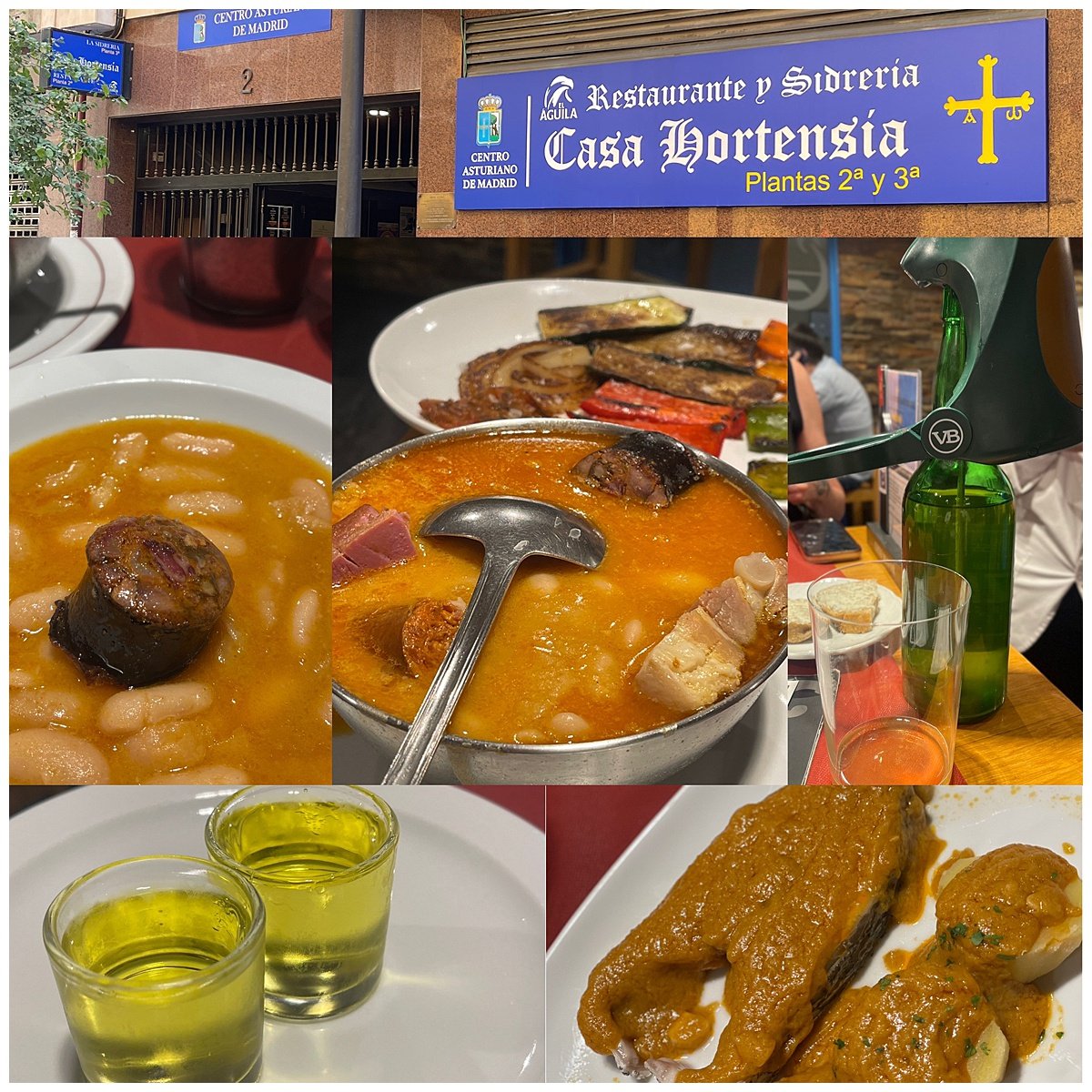
the spot: Cafe Hortensia
the eats: Fabada, Asturian cider, hearty northern Spanish cooking
the bucks: €20-€30
the full nelson: some of the heartiest cooking of Northern Spain in the middle of Madrid
Tourist Bonus: One of the best places in Madrid to explore Asturian cuisine
Café Hortensia was high on my list because I wanted to experience the food of Asturias, the region in northern Spain known for hearty cooking and famously hard cider.
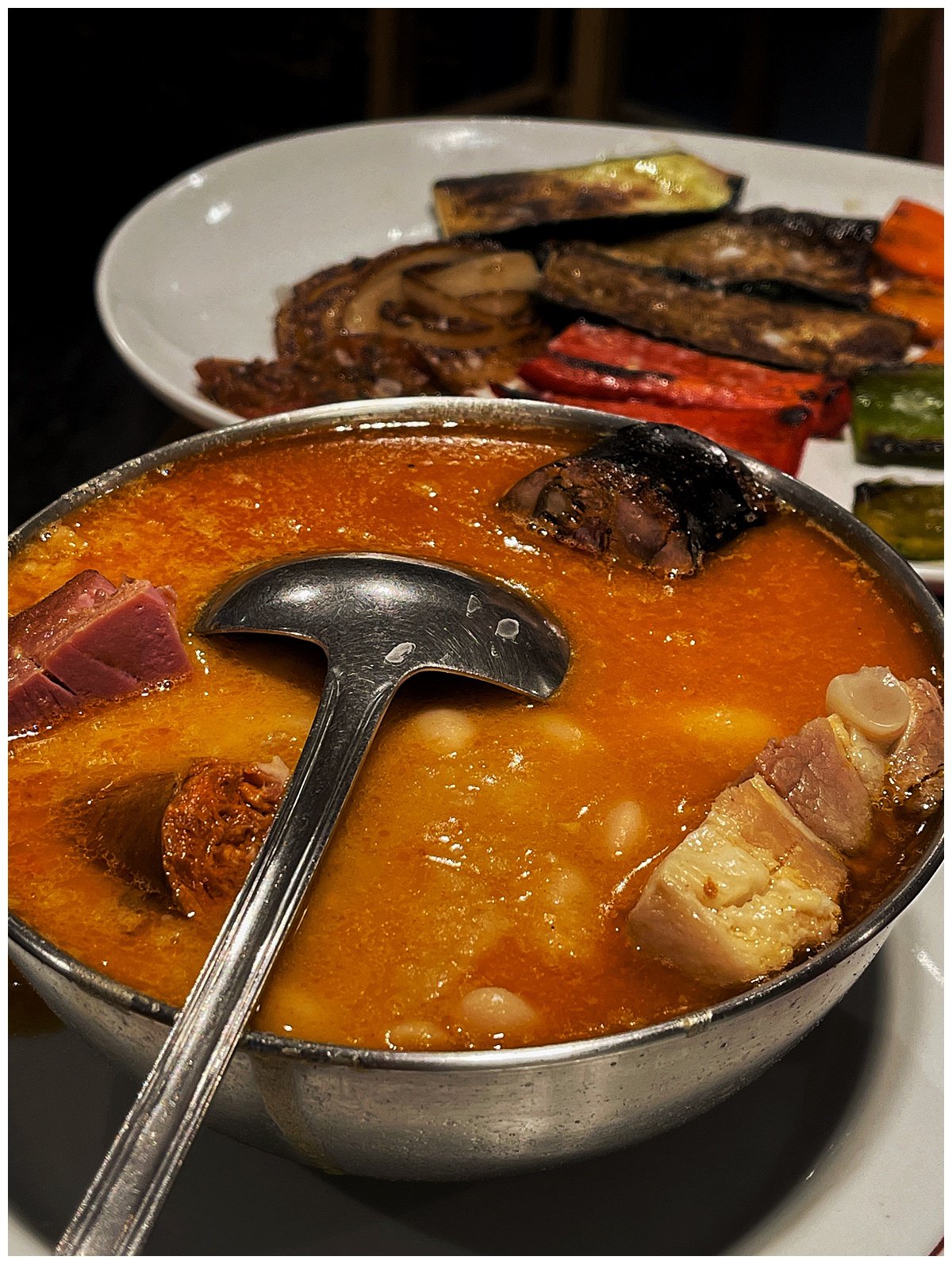
The signature dish is fabada, a rich bean stew loaded with cured pork and blood sausage—the kind of meal built to sustain one through a cold winter.
Naturally, I ordered it on a ninety-degree afternoon.
The restaurant was offering a €22 two-course lunch, which felt like one of the better values we encountered during our time in Madrid.
Alongside the famous fabada, I enjoyed a fish dish cloaked in a sauce so rich it bordered on decadent.
The Asturian cider provided a welcome lift and tasted nothing like the sweet concoctions college students consume back home. We even finished lunch with an herbal liqueur, because by that point I had fully embraced the Spanish way of life.
Or at least my approximation of it.
Last Thoughts on Madrid
Madrid reminded me of Tokyo—not because the cities are similar, but because both places take food seriously at both ends of the spectrum.
Of course one can find plenty of fine dining, but greatness can be found in the €10-20 range. And once you move into the €20-30 category, the quality becomes truly extraordinary, especially with tried and true regional Spanish fare.
Still, there were two noteworthy standouts:
The Tomato salad from La MaMA was the right-hand knockout blow I didn't see coming. My eyes are always drawn to rich, fatty meat dishes because I am, above all else, a savory eater. But this salad was every bit as savory as the Fabada at Cafe Hortensia, but better suited for the warm weather we experienced in Madrid. The Fabada is the dish I will attempt to create at home though . . stay tuned for that.
As I write this back in Austin, Texas while waiting for my son's late-night volleyball practice to end, I can't help but laugh.
There's a decent chance dinner tonight will come from a fast-food drive-thru.
Such is life.
But for one glorious week, life tasted like sweet and tart tomato salads, thirst quenching Asturian cider, savory jamón, and sherry.
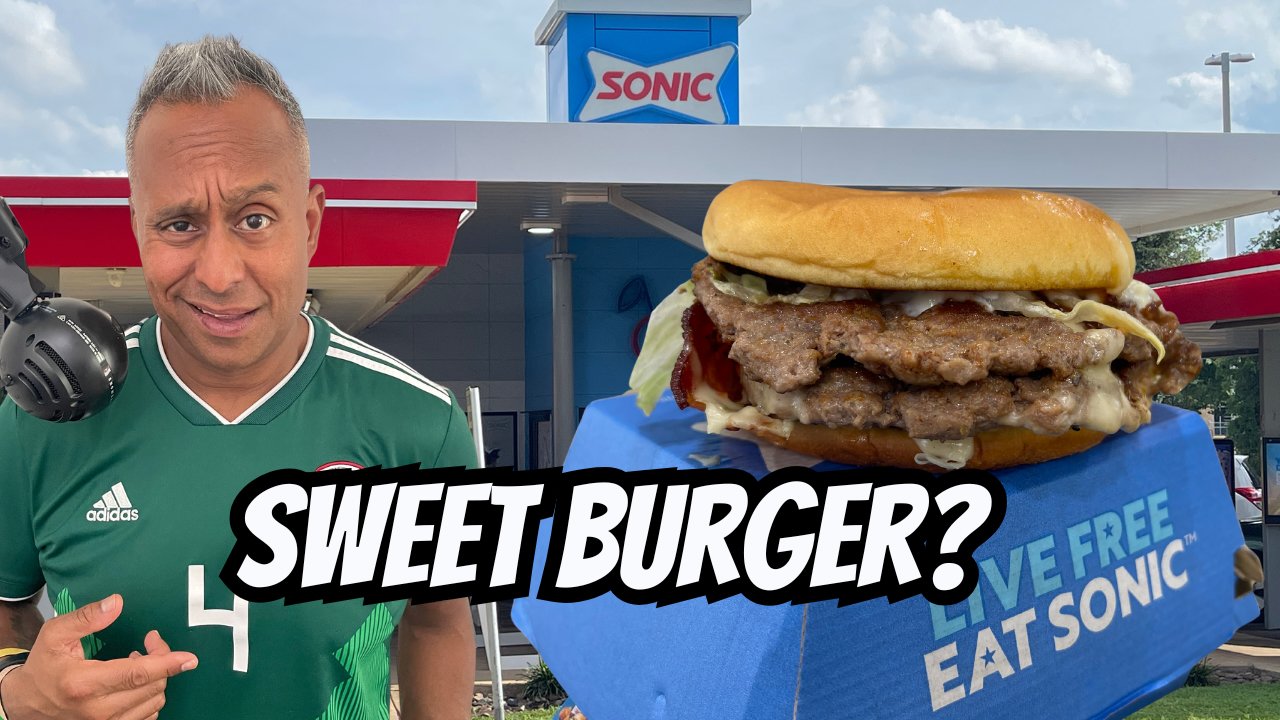
Sonic Tropical Heat Smasher Review: Should Burgers Be Sweet?
Sonic thinks they should.
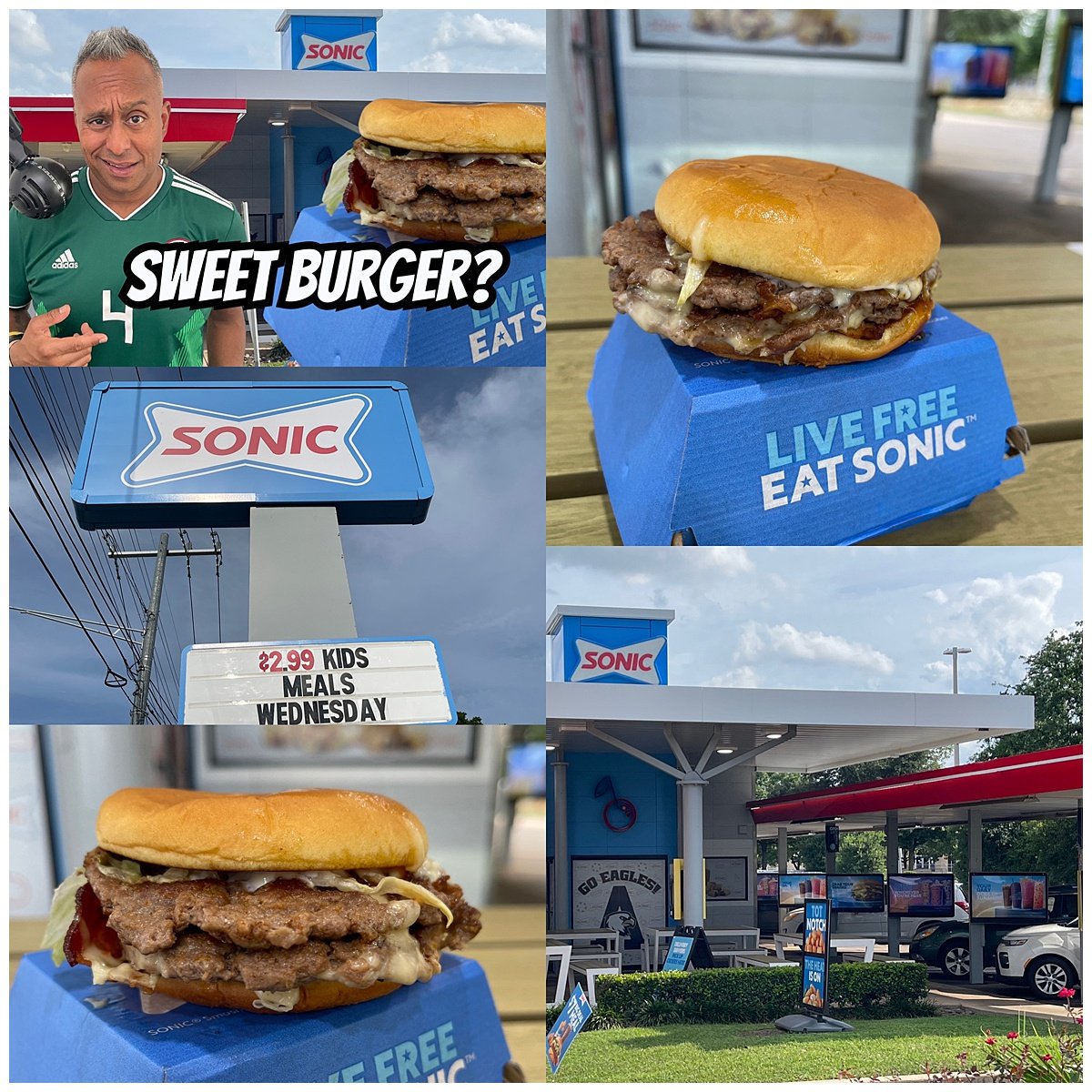
The fast food chain's newest limited-time burger, the Tropical Heat Sonic Smasher, takes a classic smashburger formula and adds something that has been causing food arguments for decades: pineapple.
Pineapple on pizza remains one of the internet's favorite food debates. But pineapple on a smashburger?
That felt like new territory.
So I headed to Sonic to find out if their Tropical Heat Sonic Smasher was actually worth ordering in 2026—or if this sweet-and-spicy smashburger experiment should have stayed on the drawing board.
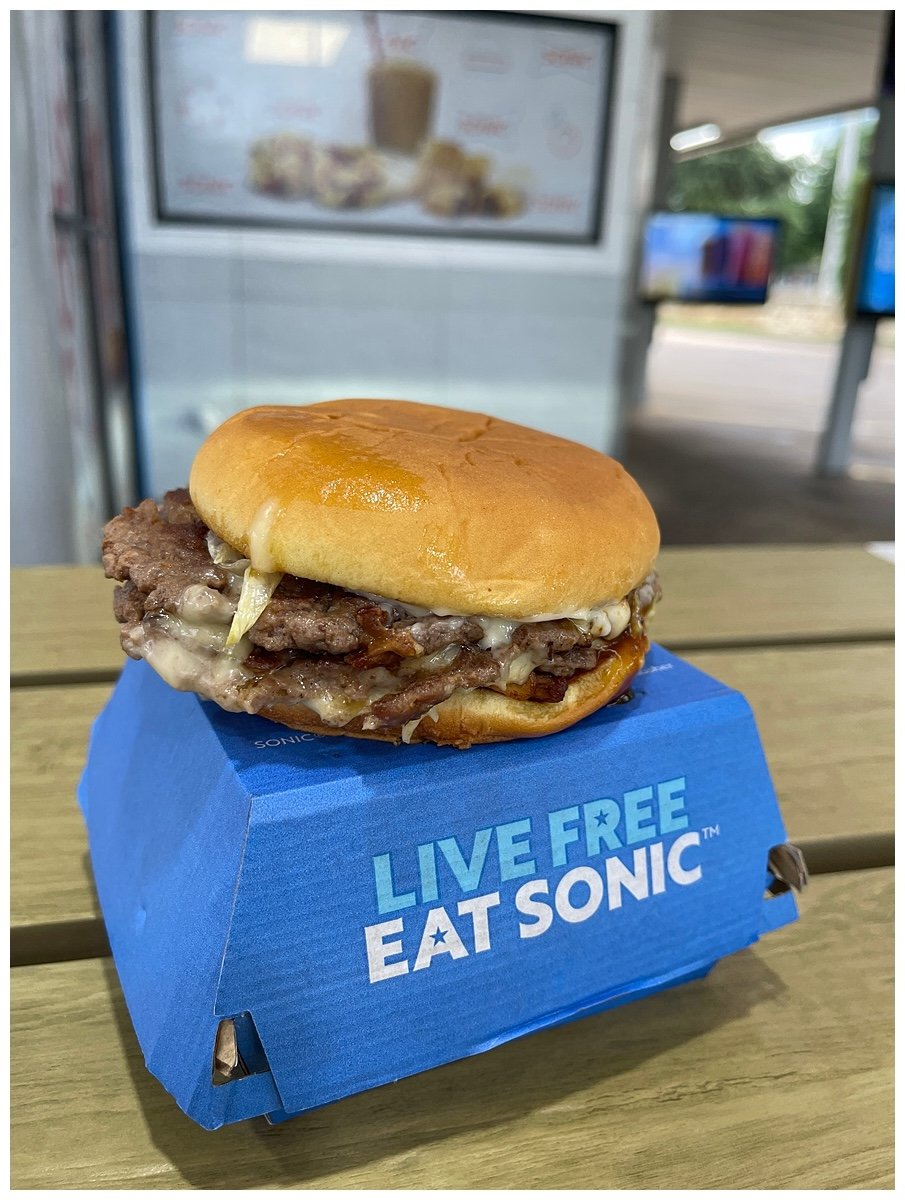
What's on the Tropical Heat Sonic Smasher?
According to Sonic:
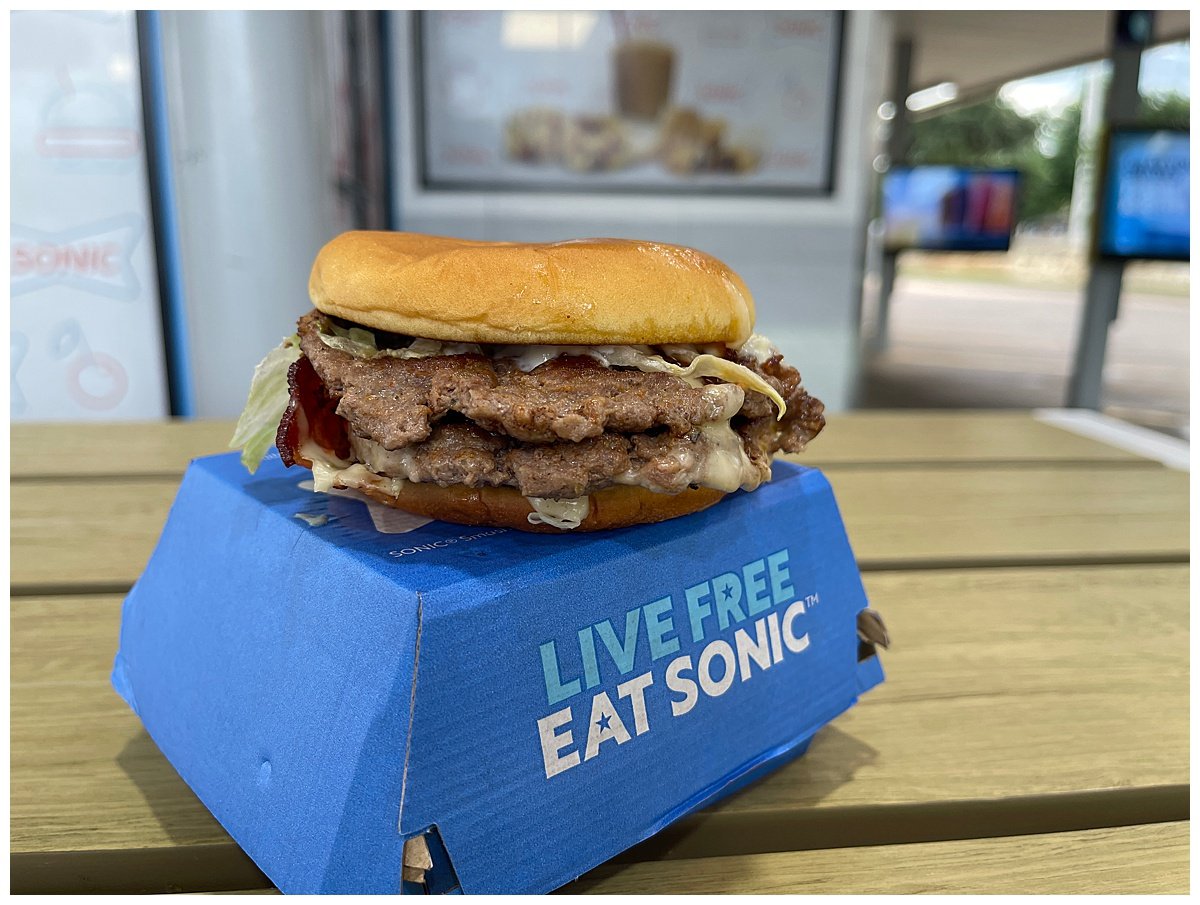
"Two juicy, hand-smashed patties made with Angus beef, stacked with melty pepper jack cheese and crispy bacon, topped with a Jalapeño Pineapple Glaze—bringing the perfect sweet-heat kick to every bite. Balanced with crisp lettuce and creamy mayo—all on a soft potato bun."
On paper that sounds like a Guy Fieri trip to Flavortown.
Smashburger. Bacon.
Pepper jack cheese.
Sweet and spicy glaze.
Potato bun.
What's not to like?
Unfortunately, the answer starts with the beef.
Watch the Full Review!
Sonic Tropical Heat Smasher Review by the Numbers
Taste Score: 5.7/10
This score surprised me.
Going in, I assumed the Jalapeño Pineapple Glaze would be the problem.
It wasn't.
In fact, the sauce was one of the highlights of the burger.
The sweet-and-spicy combination worked surprisingly well, especially alongside the pepper jack cheese and bacon. The burger itself was juicy in that greasy-fast-food sort of way that can be satisfying when you're in the mood for it. I like to call it JGG: Juicy, Greasy, Good. Something that screams late night bite or "Im gonna eat my feelings" or "Im skipping the gym today"
But then I started pulling the burger apart. And tasting individual elements.
And that's when the problems became obvious.
The beef on it's owned tasted strange.
Not bad enough to spit out. But close.
Not bad enough to demand a refund. But enough to push to the side.
In other words: gross
Almost mystery-meat adjacent.
The bacon, cheese, and even pineapple glaze do a tremendous amount of heavy lifting here. Without them, the burger simply doesn't stand on its own.
The lettuce wasn't particularly fresh either, although oddly enough it didn't hurt the overall experience.
Oh and that mayo was CHEAP and not in a good way.
Why It Didn't Score Higher
The toppings were better than the beef.
That's never a good sign for a burger.
Price Score: 4.6/10
The Tropical Heat Sonic Smasher cost me $8.32 with tax.
That's not cheap.
And while the burger includes bacon and pepper jack cheese, neither of those additions are enough to justify the price.
Especially when there are better burgers available for similar money.
Or less.
Why It Didn't Score Higher
For roughly the same amount of money, I'd rather go to In-N-Out.
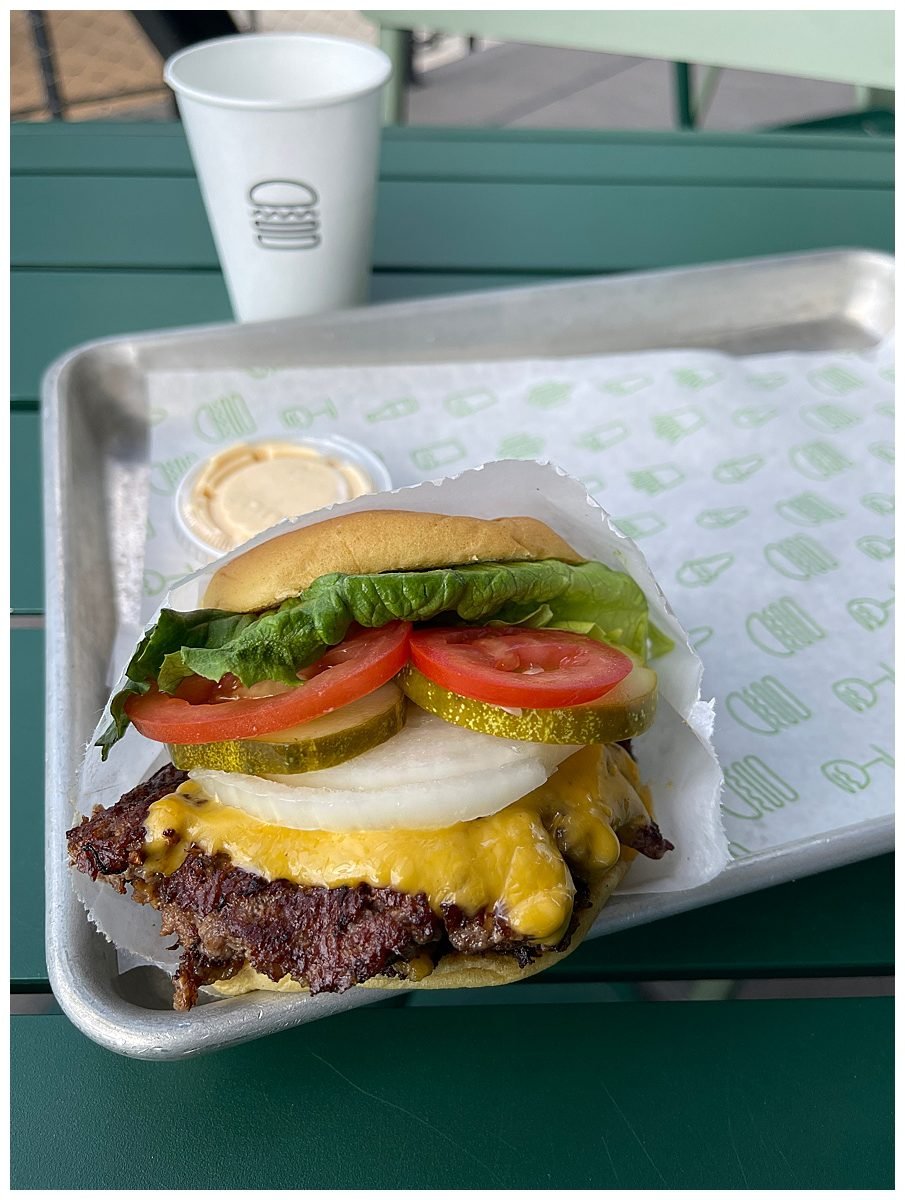
Spend a little more and I'd much rather have Shake Shack.
Either option delivers a better burger experience.
Calorie Score: 5.2/10
At 870 calories, the Tropical Heat Sonic Smasher is a serious burger.
A double smashburger with bacon, cheese, mayo, and a sweet glaze should be calorie-dense, so the number isn't shocking.
The good news?
It actually feels substantial.
The bad news?
The burger isn't good enough to justify the calorie investment.
I didn't even finish it.
Why It Didn't Score Higher
If I'm spending nearly 900 calories on a burger, I want something memorable.
This wasn't.
Final Thoughts on the Sonic Tropical Heat Smasher
I genuinely expected the pineapple glaze to ruin this burger.
Instead, it turned out to be one of the best parts.
The real problem was the beef.
The toppings successfully masked it most of the time, but every bite eventually reminded me that something felt off about the burger itself.
And that's a difficult problem to overcome when the burger costs more than eight dollars and carries nearly 900 calories.
Last Bite
The Tropical Heat Sonic Smasher scored 15.5 out of 30 in my Worth It? review series.
That's firmly in "mid" territory.
Not terrible.
Not offensive.
But definitely not worth it.
Surprisingly pineapple(sauce) works.
The beef doesn't.
And that makes it easy to drive right past Sonic and keep looking for a better burger.
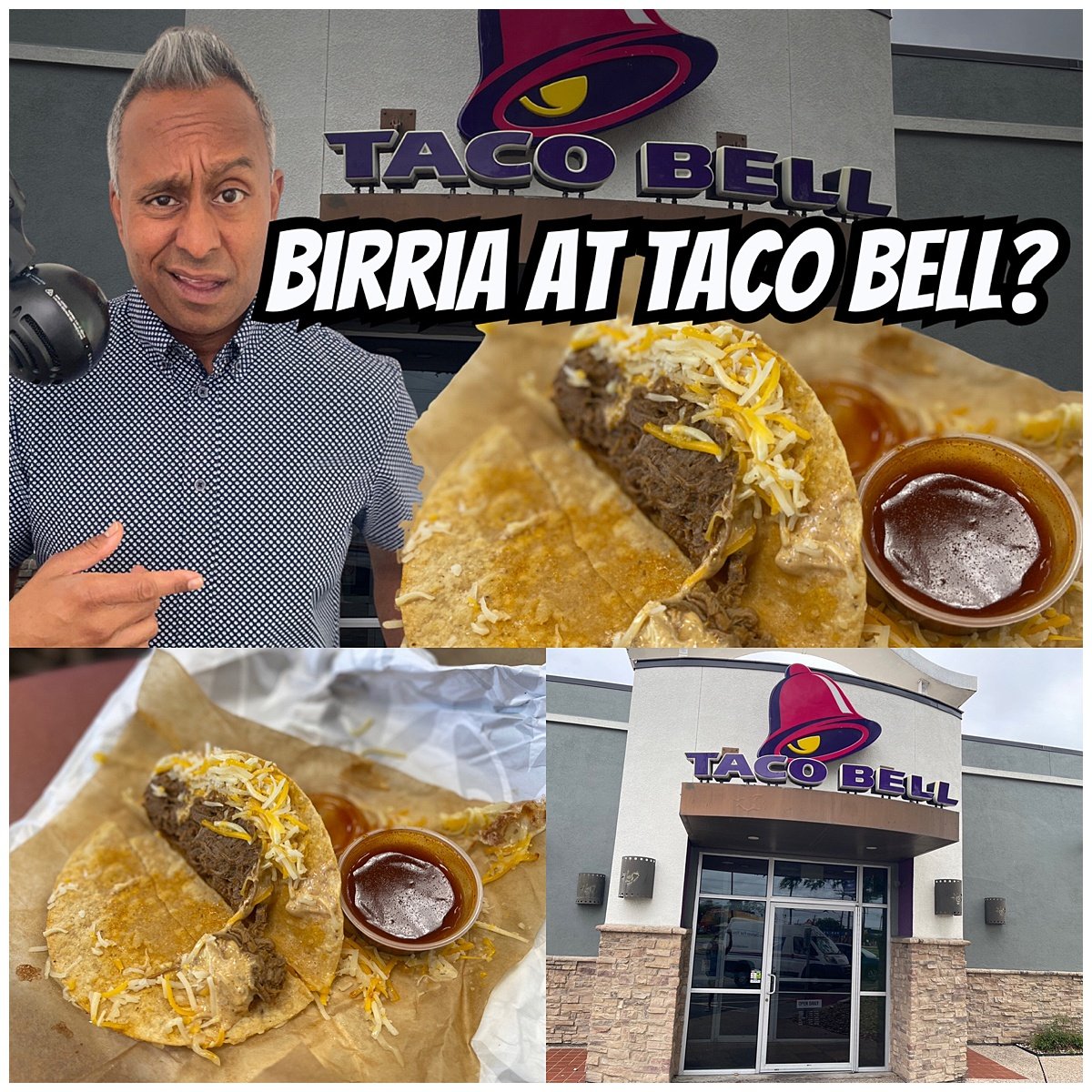
Taco Bell Shredded Beef Dipping Taco Review:
Can Taco Bell Actually Pull Off Birria?
I haven’t been to Taco Bell in over 30 years.
And honestly?
That was intentional.
Once you discover taco trucks and actual regional Mexican cooking, Taco Bell starts feeling less like Mexican food and more like a late-night survival strategy.
So I returned fully expecting disappointment.
Instead?
I was… semi impressed.
Watch the Full Review!
Taco Bell Shredded Beef Dipping Taco Review by the Numbers
Taste Score: 6.8/10
Better than expected. Much better.
The biggest surprise here is that the shredded beef actually tastes decent.
Not “life changing.”
Not “authentic birria.”
But perfectly passable fast food.
Honestly, if someone handed this to me at a random airport Mexican restaurant, I probably wouldn’t complain.
The consommé-style dipping sauce helps, and the beef has far more flavor than the ground beef Taco Bell built its empire on.
Why It Didn’t Score Higher
Because actual birria exists.
And once you’ve had properly slow-cooked birria tacos from a legit taco truck or Mexican restaurant, this still feels like fast food cosplay.
Still…
credit where credit is due.
This was far better than expected.
Calories Score: 7.1/10
At 285 calories per taco, the numbers are surprisingly reasonable.
Two tacos comes out to a fairly modest fast food meal calorie-wise.
And honestly?
You probably shouldn’t eat more Taco Bell than that anyway.
Why It Didn’t Score Higher
While the calories are relatively low, the meal itself feels small.
And personally, I can’t imagine eating three of these things without immediately regretting my life choices.
Price Score: 5.8/10
Turning Taco Bell’s Shredded Beef Dipping Tacos into a proper meal will cost you around $9.
And that’s where the value conversation starts getting shaky.
There was a time when $10 at Taco Bell felt like an outrageous amount of food.
Now?
It barely qualifies as a meal.
Why It Didn’t Score Higher
At this price point, you’re entering legitimate taco truck territory.
And if you live somewhere with a strong Mexican food scene, spending the same money on actual birria becomes a pretty easy decision.
Unless you live in somewhere like Bismarck, North Dakota.
In which case…
maybe Taco Bell is your birria plug.
Final Thoughts on Taco Bell’s Shredded Beef Dipping Tacos
The name may be absurdly long, but the tacos themselves were far less disappointing than I expected.
And honestly, that alone feels like a win for Taco Bell.
No, this isn’t authentic birria.
No, it won’t replace a real taco truck.
But in the context of fast food?
These tacos are surprisingly competent.
Apparently if you give Taco Bell 30 years, they eventually start catching up with the times.
Last Bite
If you want real regional Mexican food, seek it out.
Support taco trucks.
Support family restaurants.
Support the real thing.
But if you find yourself in a Taco Bell drive-thru?
You could do a lot worse than the Shredded Beef Dipping Taco.
Freddy’s Steakburger Review:
Is It Actually Worth the Hype in 2026?
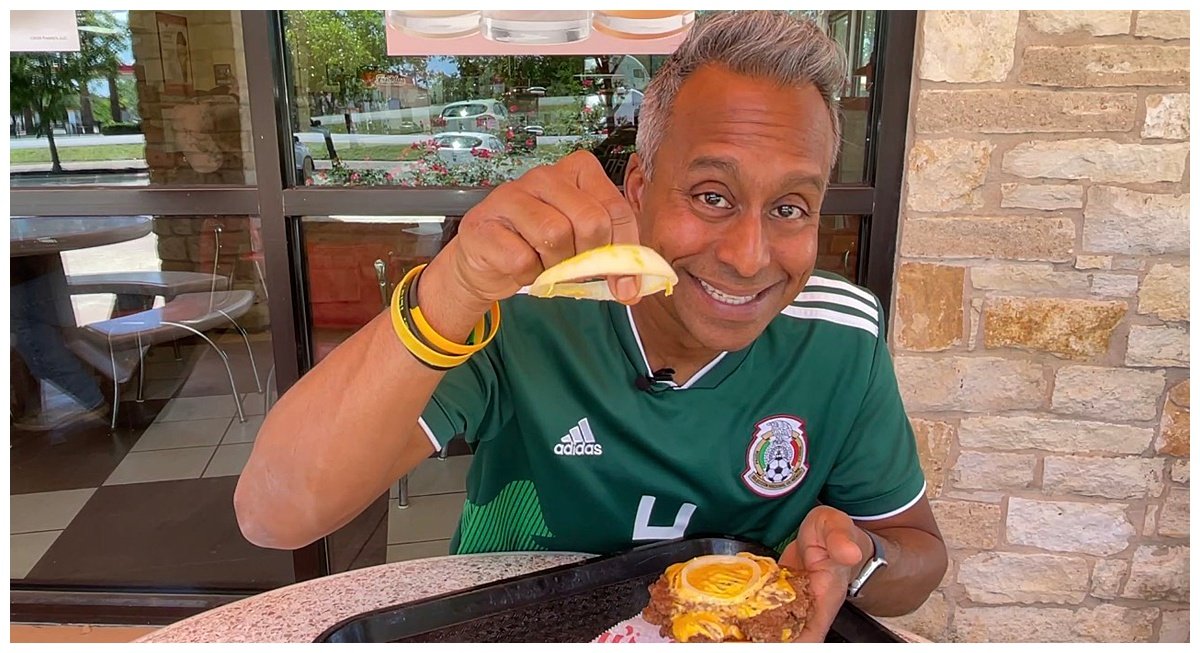
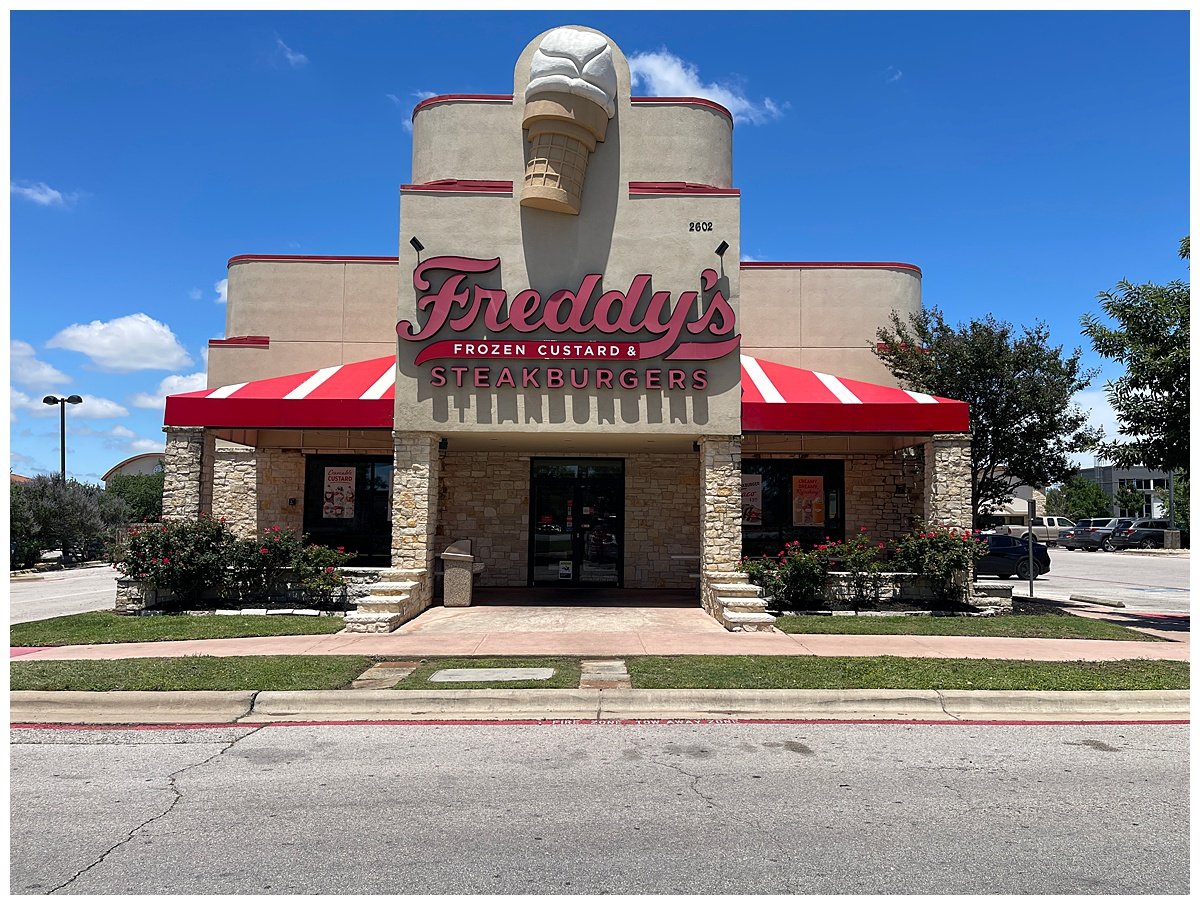
Six years ago, I wrote a piece comparing Freddy's Frozen Custard & Steakburgers to an old favorite of mine: Steak 'n Shake.
At the time, Freddy’s blew Steak ’n Shake out of the water.
So I figured it was time to revisit Freddy’s in 2026 and see how their famous steakburger holds up in today’s smashburger landscape.
What followed was an enormous disappointment.
Watch the Full Review!
Taste Score: 7.2/10
Freddy’s feels stuck in the past
The biggest issue?
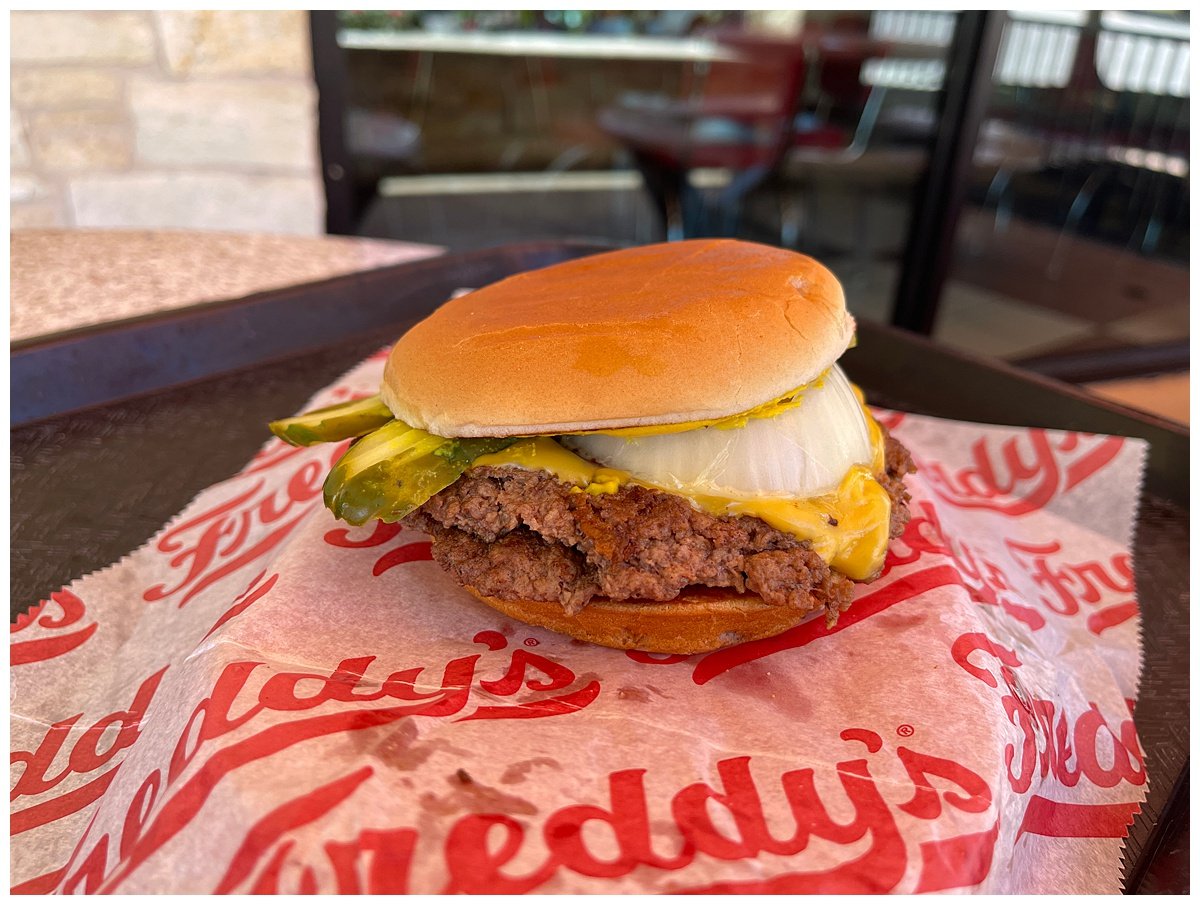
The burger simply lacked flavor.
The beef was under-seasoned, oddly lean tasting, and somehow…
dry.
Which honestly feels impressive considering smashburgers are usually designed to maximize crust, fat, and flavor.
The whole experience felt muted:
weak mustard
overly thick onions
stale bun
unseasoned burger
And in today’s smashburger era, that’s a serious problem.
Why It Didn’t Score Higher
Modern smashburger chains have raised expectations dramatically.
Whether it’s:
Shake Shack
Smash burger food trucks
or even restaurants bending to the Smash burger trend …the category has evolved.
Freddy’s somehow feels frozen in time.
Even though it was founded in the 21st century.
Price Score: 5.8/10
Freddy’s is priced almost like a premium burger chain
At roughly $8, Freddy’s costs just shy of what you’d expect for a modern fast food smashburger in 2026.
That wouldn’t necessarily be a problem…
if the burger delivered.
Why It Didn’t Score Higher
The quality simply doesn’t justify the price anymore.
If the burger had stronger seasoning and fresher ingredients, maybe this lands closer to a 6 or even a 7.
Instead, it felt regrettable.
Calorie Score: 7.5/10
At under 700 calories for a double cheeseburger, Freddy’s lands in a fairly respectable range for fast food.
And honestly, there’s a useful lesson here:
Skipping:
mayo-heavy sauces
bacon
excessive toppings
can dramatically reduce calories without ruining the burger experience.
Why It Didn’t Score Higher
Minimalism only works when the fundamentals are strong.
And unfortunately, the burger itself still tasted bland.
Final Thoughts on Freddy’s Steakburgers
I genuinely liked Freddy’s back in 2020.
But six years later, the smashburger landscape has changed dramatically.
Consumers now expect:
stronger beef flavor
better buns
fresher toppings
more seasoning
more texture
And Freddy’s no longer feels competitive.
Either my standards changed…
or Freddy’s quality slipped.
Possibly both.
Last Bite
If you’re craving a proper smashburger in 2026?
Spend a few extra bucks and go to Shake Shack.
At least there, the burger itch actually gets scratched.
One of the best pork curries I’ve ever had came from a cookbook.
Even more surprising?
The cookbook was written by Chef Kwame Onwuachi, one of the most celebrated names in modern fine dining.
But what makes Kwame’s cooking compelling is how deeply it embraces African, Caribbean, and Black Southern food traditions.
This Geerah Pork is a Trinidadian pork curry, and the name itself tells a story.
“Geerah” comes from the South Asian word for cumin, a nod to the East Indian influence across the Caribbean. From there, the dish becomes unmistakably Caribbean through the use of Scotch bonnet peppers, allspice, lime, and layered curry spices.
I’ve experimented with pork curries before, but they never fully clicked for me.
This one completely changed my perspective.
The seasoning doesn’t overpower the pork—it showcases it. Familiar curry spices suddenly taste new again.
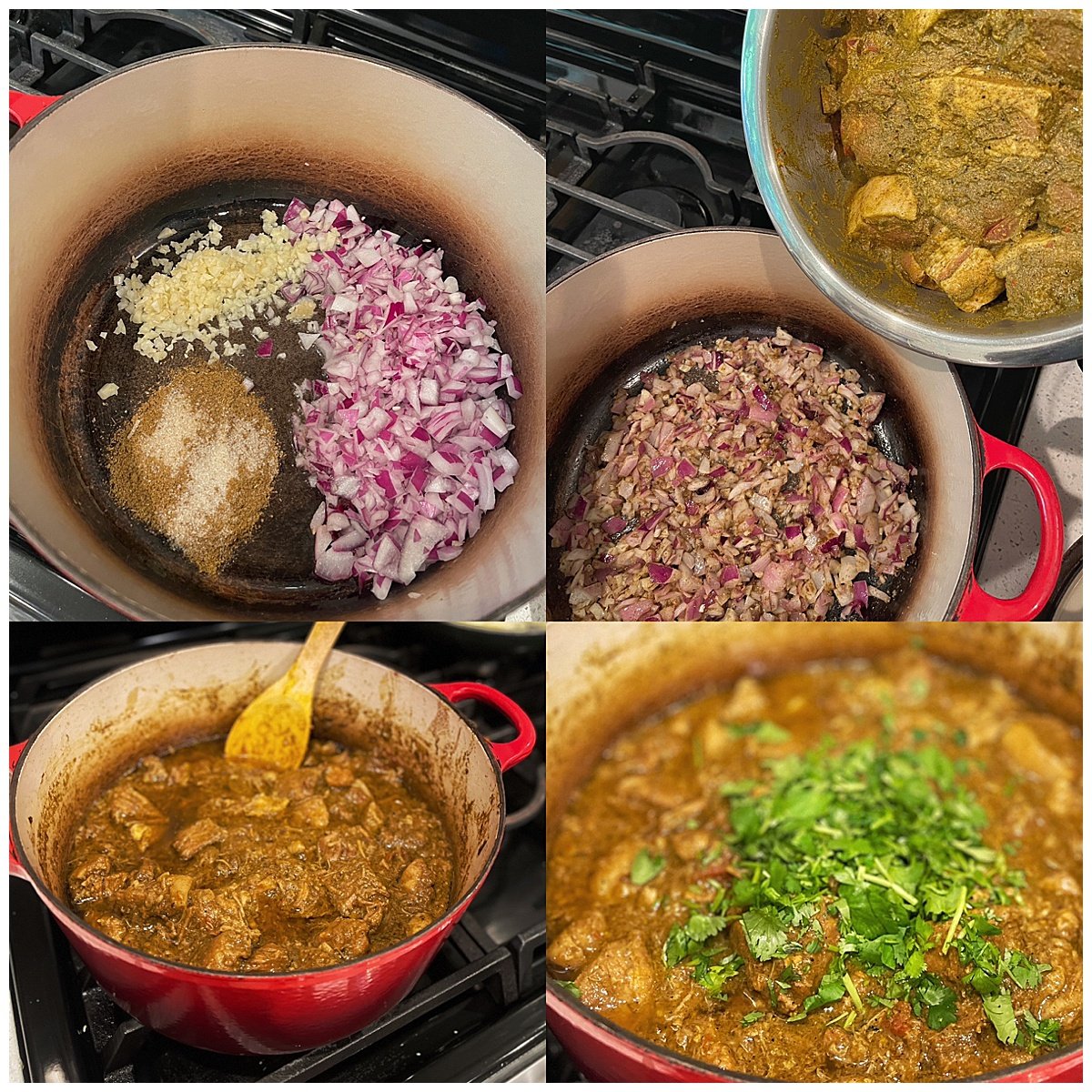
I made a few practical adaptations for the home cook, including swapping habaneros for Scotch bonnets and using pickle juice instead of preparing a separate pickling liquid from scratch.
And honestly?
This might be the best pork curry I’ve ever made.
Ingredients
There are a handful of pantry staples and recipe components you’ll want to prepare ahead of time. For practicality’s sake, I scaled a few things back and made some home-cook-friendly substitutions.
Still, this is the extra mile that separates a good curry from one you think about for days afterward.
Curry Powder
One thing that immediately stood out in Chef Kwame Onwuachi’s recipe was the curry powder.
This isn’t the generic yellow curry powder sitting forgotten in the back of your spice cabinet.
The blend leans heavily into toasted coriander and cumin with warm notes of allspice, anise, and fenugreek. It smells earthy, floral, and deeply aromatic in a way store-bought curry powders rarely do.
That said…
The original recipe makes a fairly large batch, so I scaled it down for practical home cooking purposes.
Kwame Curry Powder (Adapted)
6 tbsp + 3/4 tsp coriander seeds
1 tbsp + 3/4 tsp cumin seed
1 tbsp + 3/4 tsp anise seed
1 tbsp allspice berries
1 tsp yellow mustard seed
3/4 tsp fenugreek
3 tbsp + scant 1/2 tsp ground turmeric
Highly recommend toasting the whole spices in a dry pan before grinding.
Peppa Sauce (Adapted for Home Cooks)
The original recipe makes a massive batch of pepper sauce. I scaled things back considerably and made a few practical substitutions using ingredients I already had in the fridge.
Ingredients
10 habanero peppers(or Scotch Bonnets if can find them), stemmed and roughly chopped
1/2 cup leftover pickle juice
1/4 cup white vinegar
8–10 garlic cloves, roughly chopped
Make the Peppa Sauce
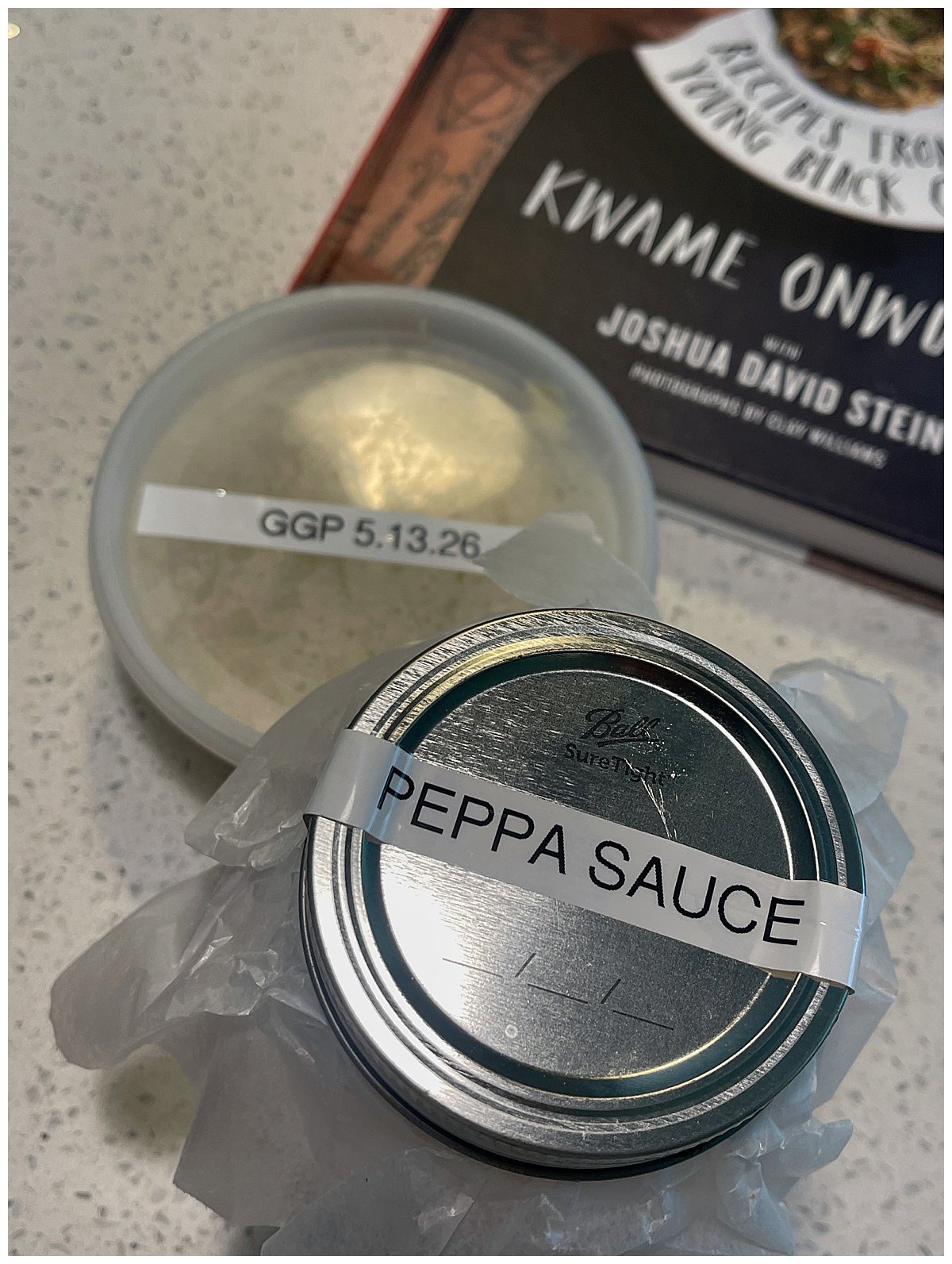
Throw everything into a food processor and blitz till smooth. Pour into a jar and place a little wax paper between the lid and the sauce because vinegar has a tendency to react with metal lids.
And fair warning:
this stuff has some kick.
GGP (Ginger-Garlic Purée)
Ingredients
2 large stems ginger, peeled and thinly sliced
1 1/2 cups garlic cloves
3/4 cup grapeseed oil
Blend everything till smooth.
This is one of those flavor bases that instantly makes you feel like you know what you’re doing in the kitchen.
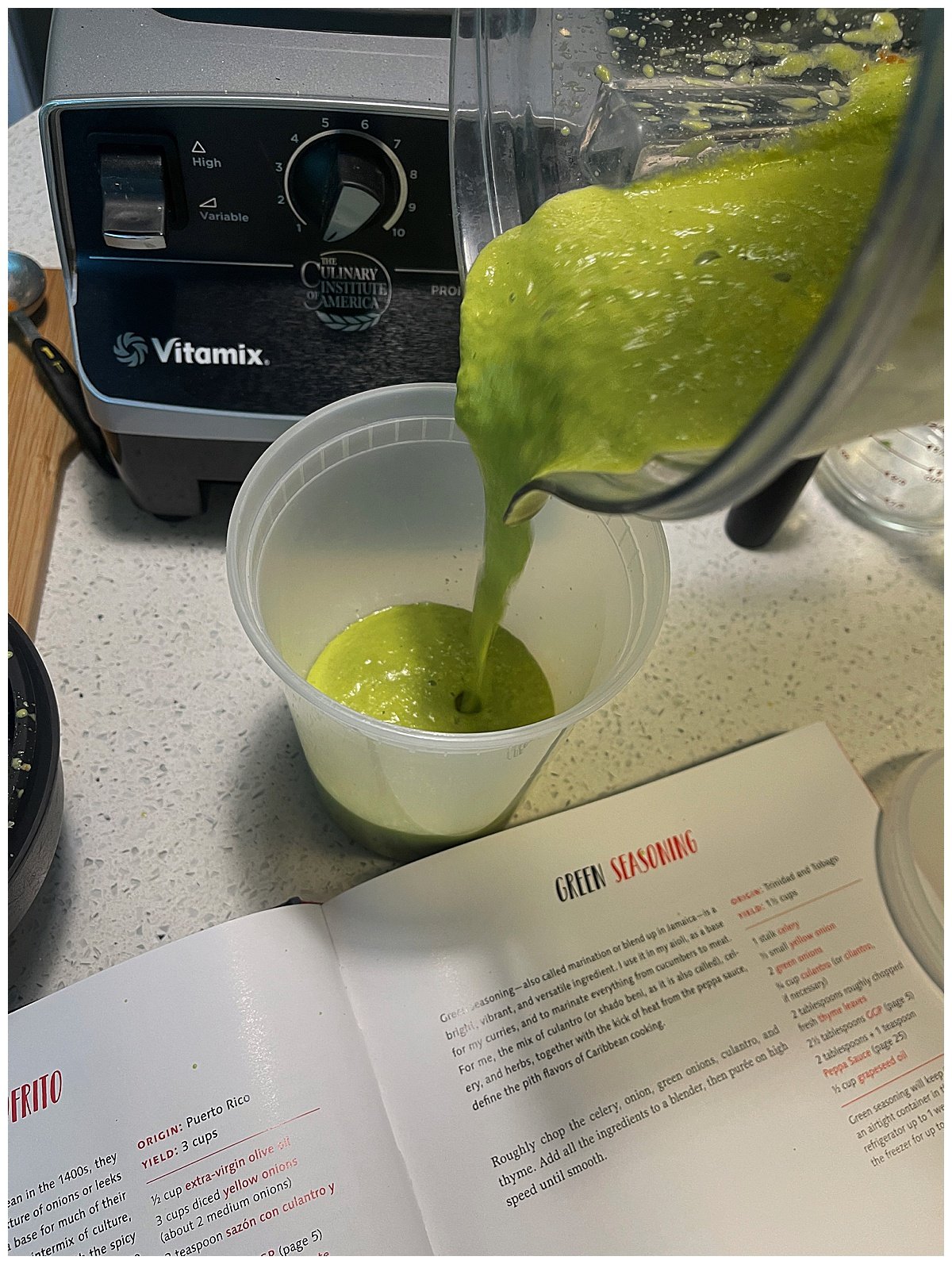
Green Seasoning
Ingredients
1 stalk celery
1/3 small yellow onion
2 green onions
3/4 cup culantro (or cilantro if that’s what your supermarket actually carries)
2 tbsp roughly chopped thyme leaves
2 1/2 tbsp GGP (ginger-garlic purée)
2 tbsp + 1 tsp peppa sauce
1/2 cup grapeseed oil
Blend everything till smooth and bright green.
This is where the curry starts feeling unmistakably Caribbean. The culantro, thyme, peppa sauce and onion create something far more herbaceous and alive than your average curry marinade.
How to Make Geerah Pork
Ingredients
3 lbs pork shoulder with fat cap, cut into roughly 1 1/2-inch cubes
1 Roma tomato, roughly chopped
1/4 cup green seasoning
2 tbsp curry powder
3 tbsp grapeseed oil, divided
1 tbsp peppa sauce
1 medium yellow onion, finely diced
5 garlic cloves, minced
2 tbsp ground cumin
1 tbsp granulated sugar
1 cup chicken stock
1 1/2 tbsp freshly squeezed lime juice
I swapped the pork belly from the original recipe for pork shoulder with a generous fat cap. You get a better meat to fat ratio and Pork Shoulder is cheap.
As it should be.
Steps
Step 1: Marinate the Pork
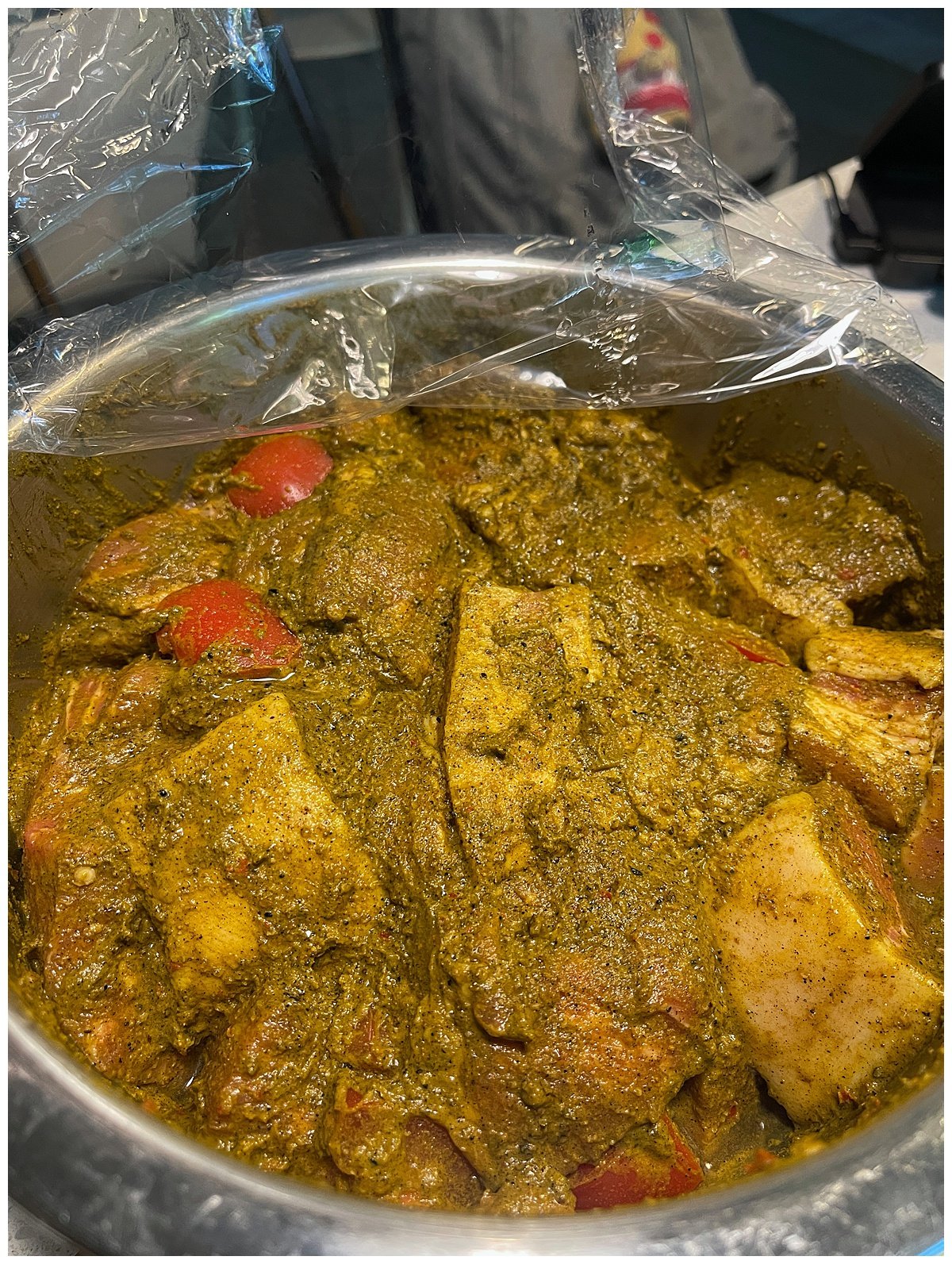
Combine the pork, tomatoes, green seasoning, curry powder, 2 tablespoons oil, and peppa sauce in a large Ziplock bag and seal tightly, pressing out as much air as possible.
Squish the bag around to evenly coat the pork with the marinade and place the bag in a large bowl.
Refrigerate at least 3 hours and up to 24 hours.
Step 2: Braise the Curry
When ready to cook, heat the remaining 1 tablespoon oil in a large Dutch oven over medium heat and preheat oven to 300 degrees.
Add the onions, garlic, cumin, and sugar. Sauté, stirring often, until the onions begin to soften, about 5–7 minutes.
Add the pork and marinade along with the chicken stock.
Reduce heat to medium-low, then cover with a sheet of parchment followed by the pot lid.
Place in oven and cook for 1 1/2–2 hours, stirring halfway through.
Uncover and continue simmering on the stovetop for about 20 minutes until the sauce thickens to your liking.
Stir in lime juice and season to taste with salt.
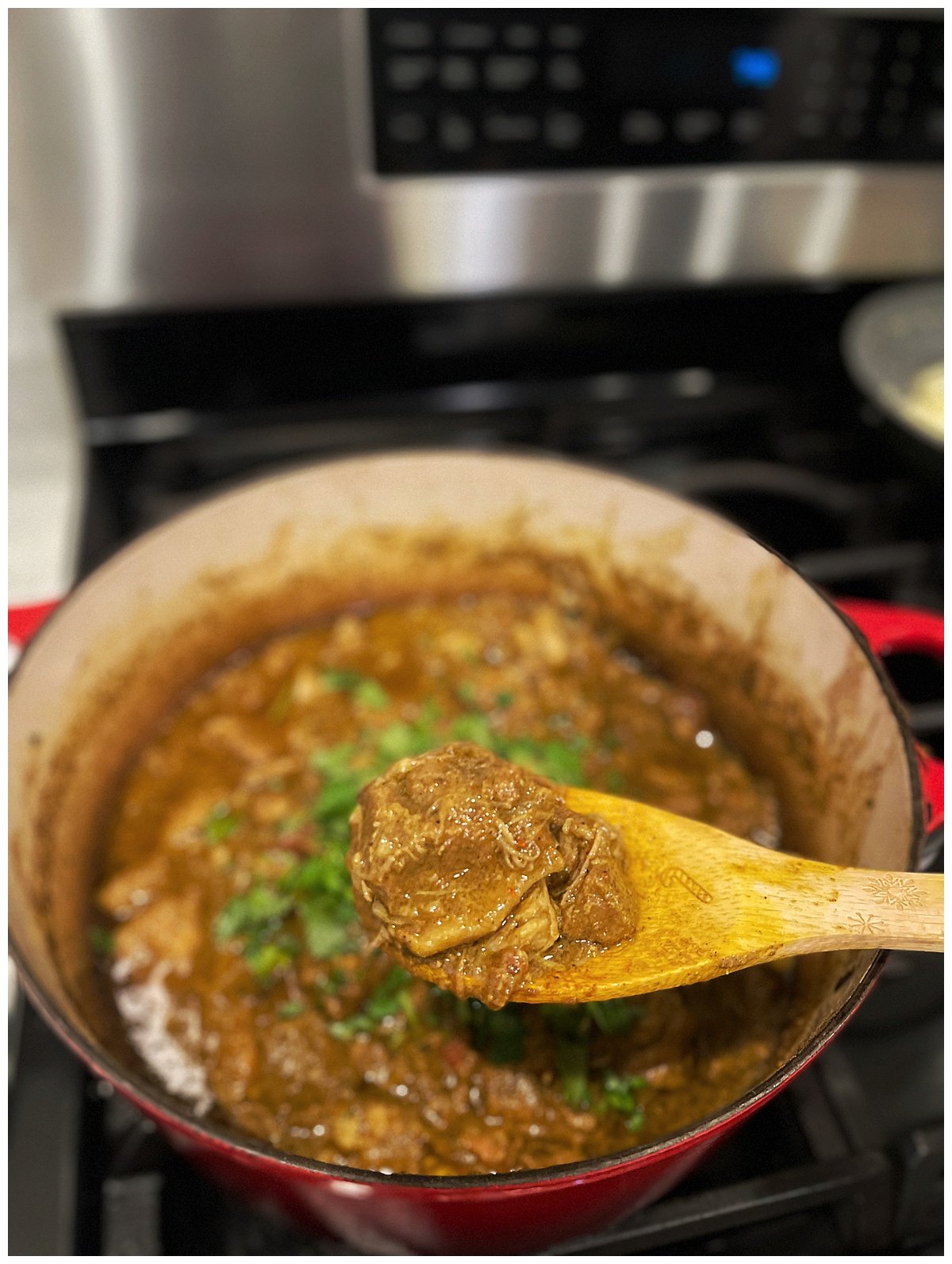
Transfer to a serving platter and finish with cilantro.
Last Bites
This Geerah Pork completely changed how I think about curry and pork together.
Most pork curries don't amplify the pork flavor. Here, the corainder-heavy Trinidadian seasoning somehow amplifies the pork instead of masking it.
Decadent, rich and comforting. Surprisingly not that spicy. And deeply aromatic in a way that makes store-bought curry powder feel one-dimensional.
More than anything, this recipe reminded me why cookbooks still matter.
Sorry TikTok hacks. This is actual recipes from chefs whose food tells a story.
And if this recipe is any indication, My America deserves a much deeper dive from me.
Chick-fil-A Review:
Is It Actually Worth the Hype in 2026?
I have something to confess:
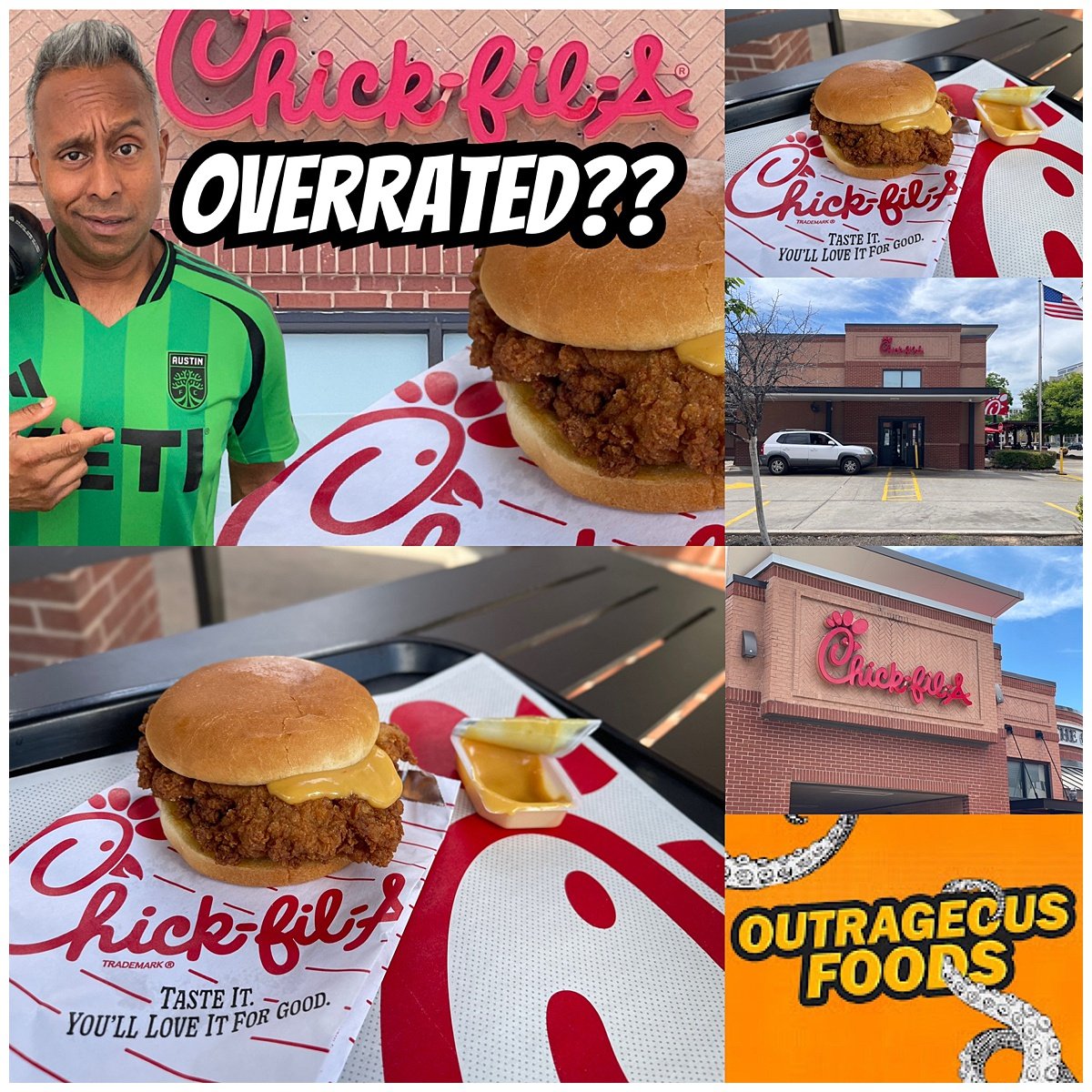
I’d never really eaten at Chick-fil-A before.
Well… sort of.
I had it once at a sporting event years ago and remembered thinking:
“This is it?”
The sandwich felt small, plain, and a little dry.
So I went into this review fully prepared to rip Chick-fil-A apart as another regional fast food phenomenon fueled more by hype than actual flavor.
And honestly?
That’s at least part of the story behind chains like In-N-Out Burger too.
The difference is In-N-Out also delivers some of the best bang-for-your-buck value in fast food.
Then something totally unexpected happened:
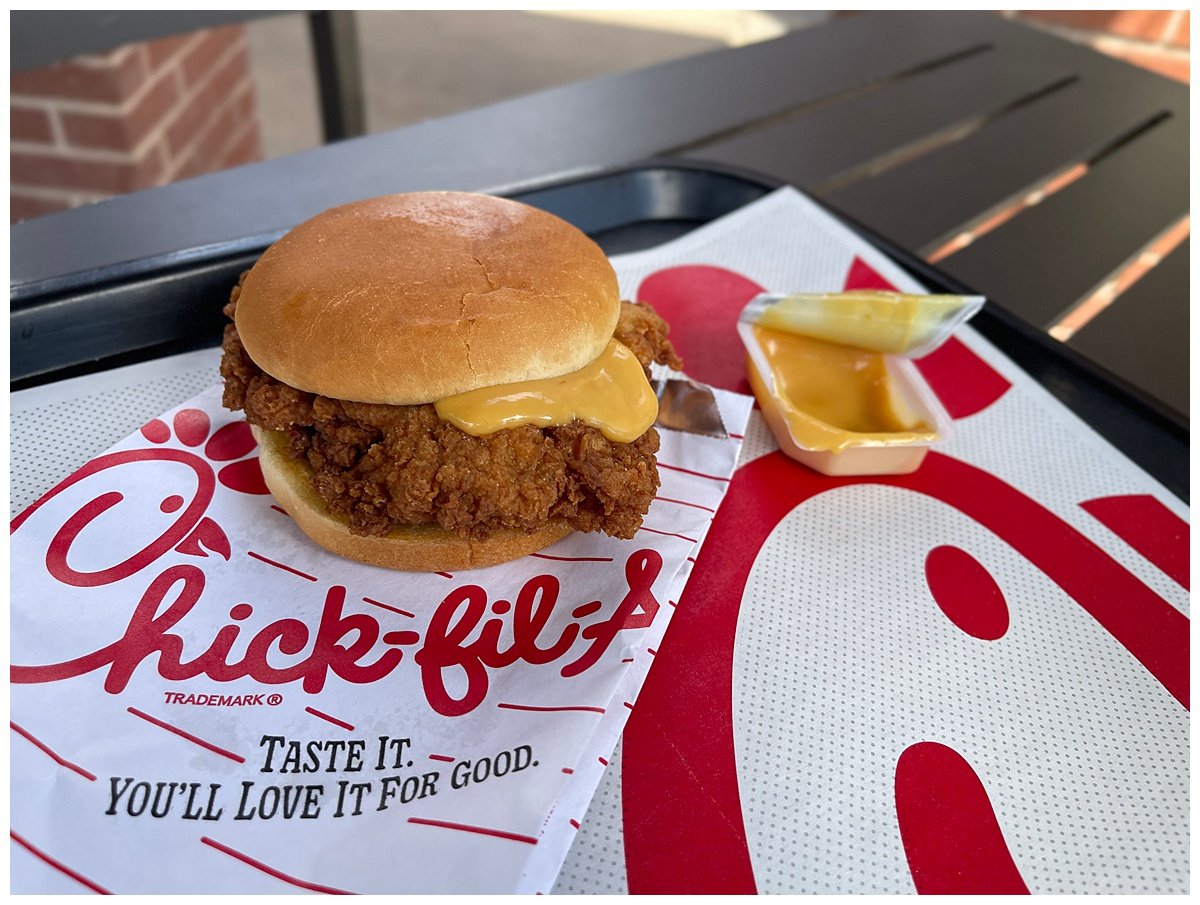
Chick-fil-A blew me away.
Watch the Full Review!
Chick-fil-A Original Chicken Sandwich Review by the Numbers
 My Low-Calorie Chicken Breast Meal Prep Recipe (Mustard Binder Method)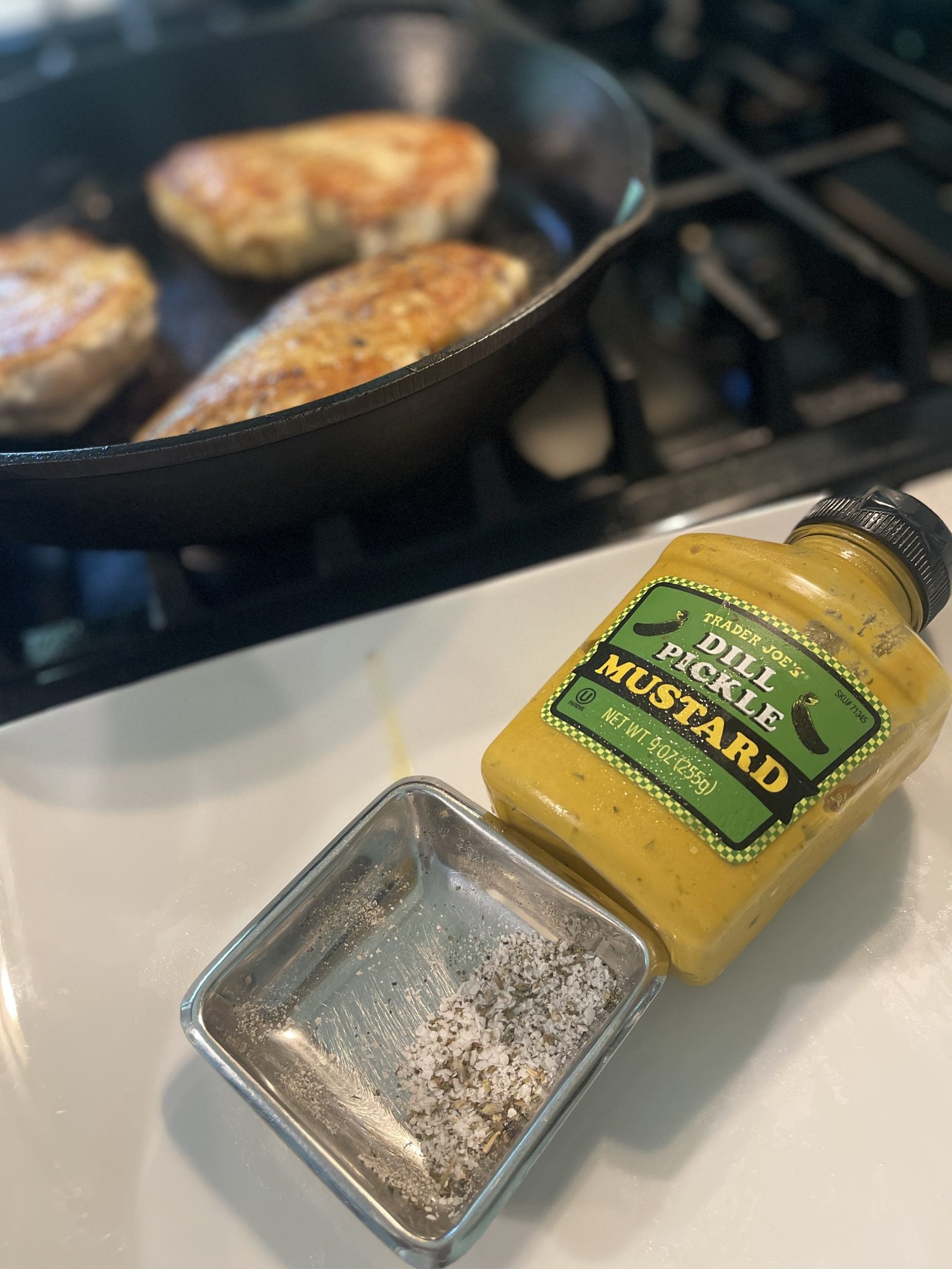
 Instructions
 Portillo's Italian Beef Review: Is Chicago's Famous Chain Worth It in 2026?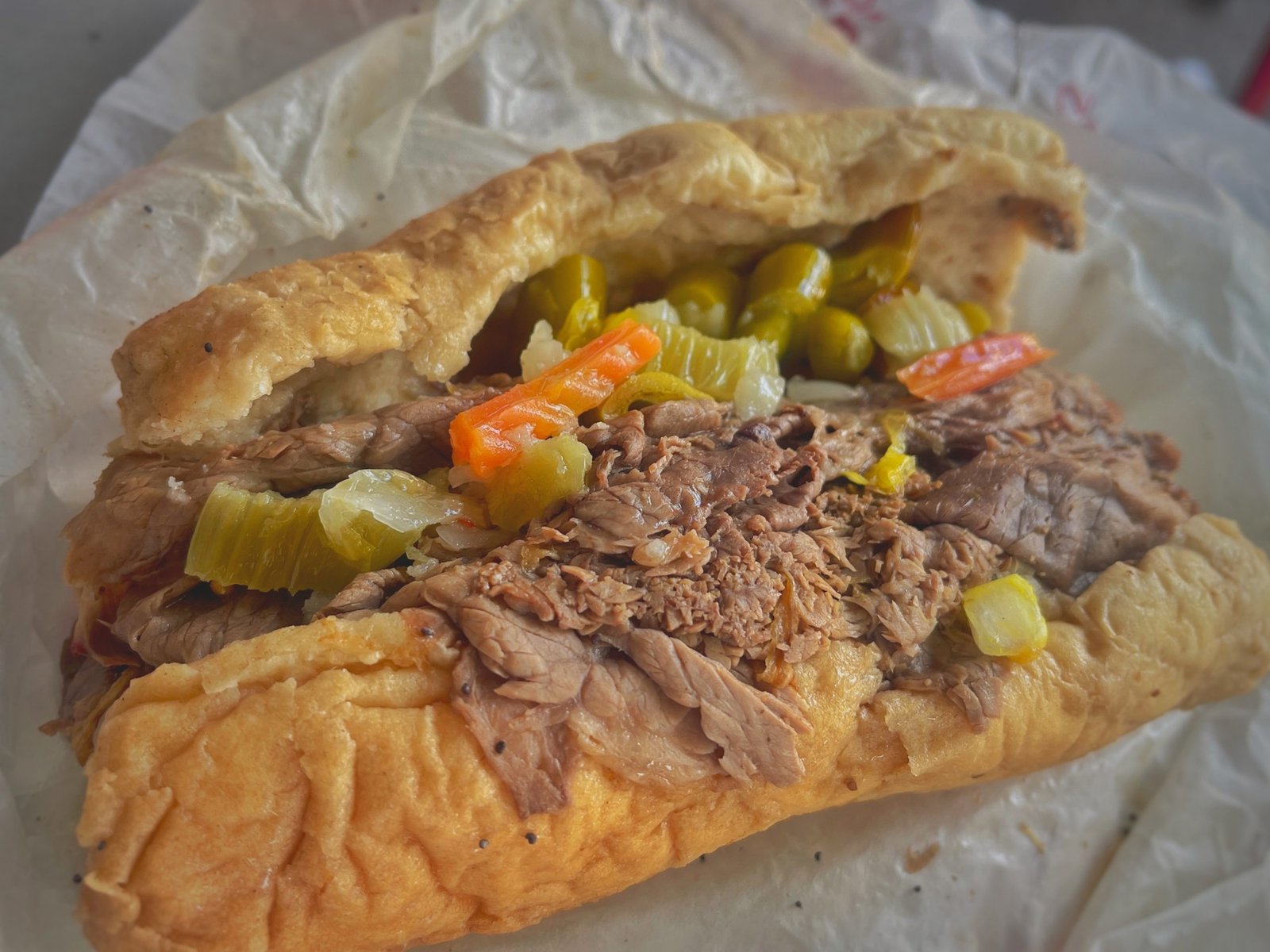
 Final Thoughts on Portillo's
 Last Bite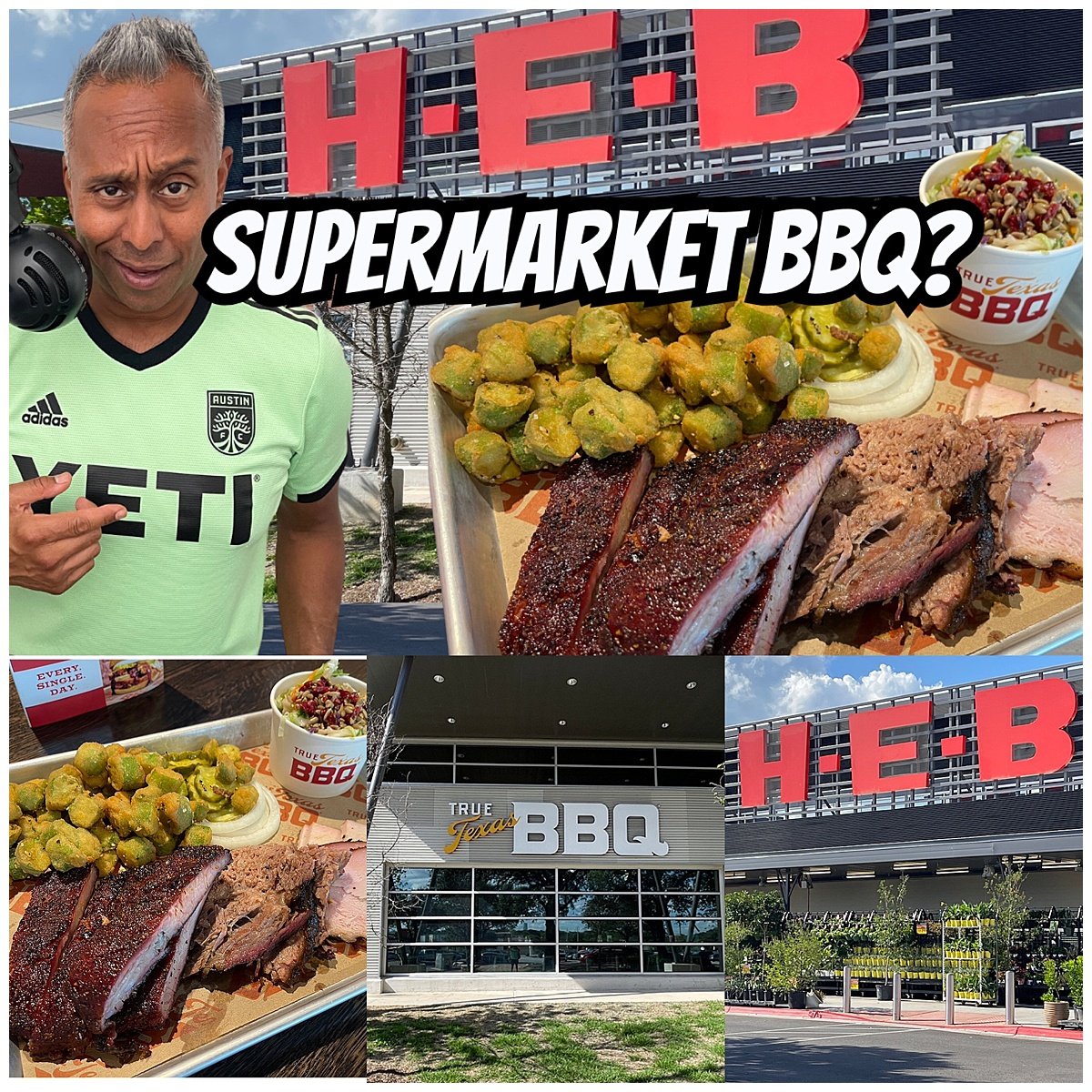
 H-E-B True Texas BBQ Review by the Numbers
 Last Bite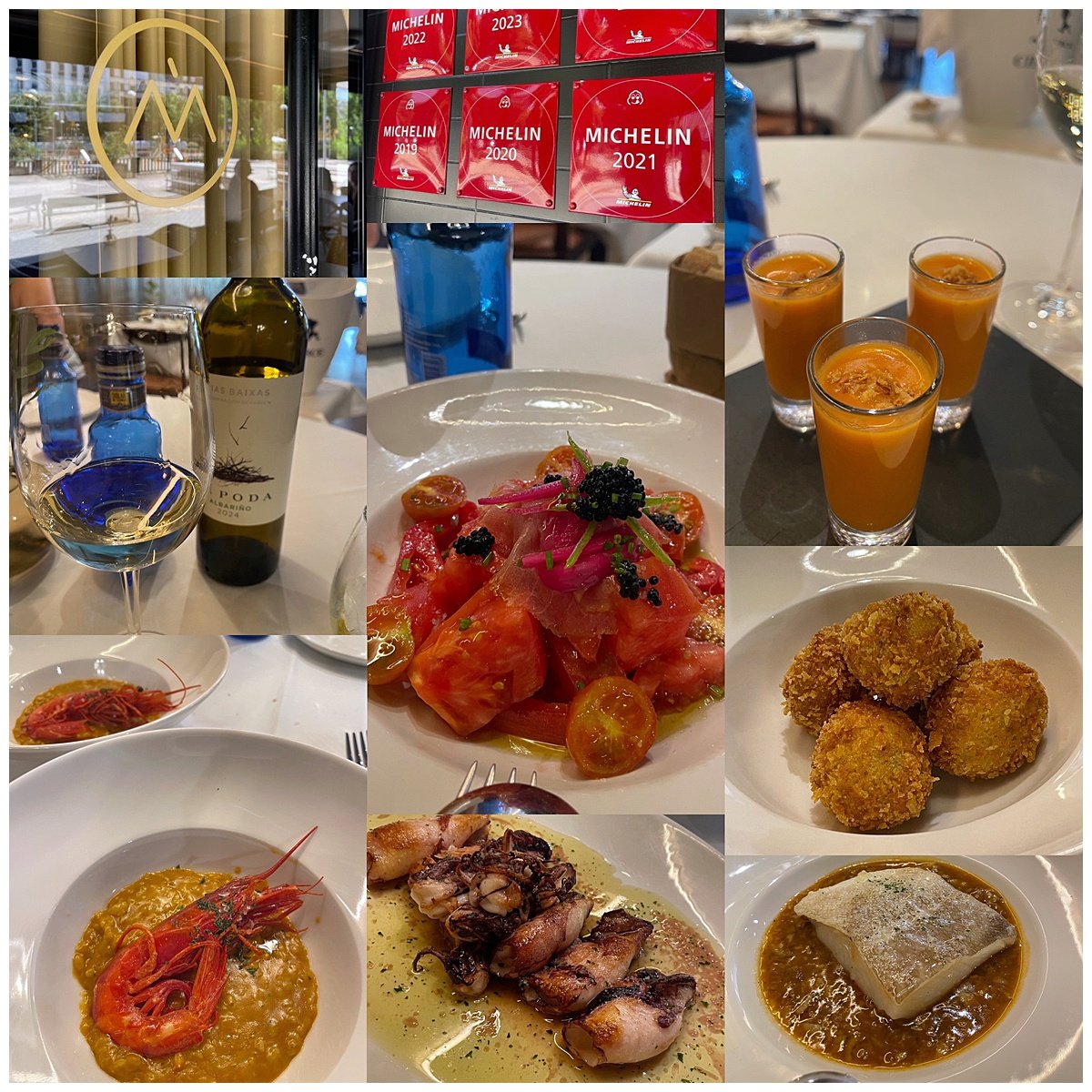
 Bajo Cero Heladería
 Café Hortensia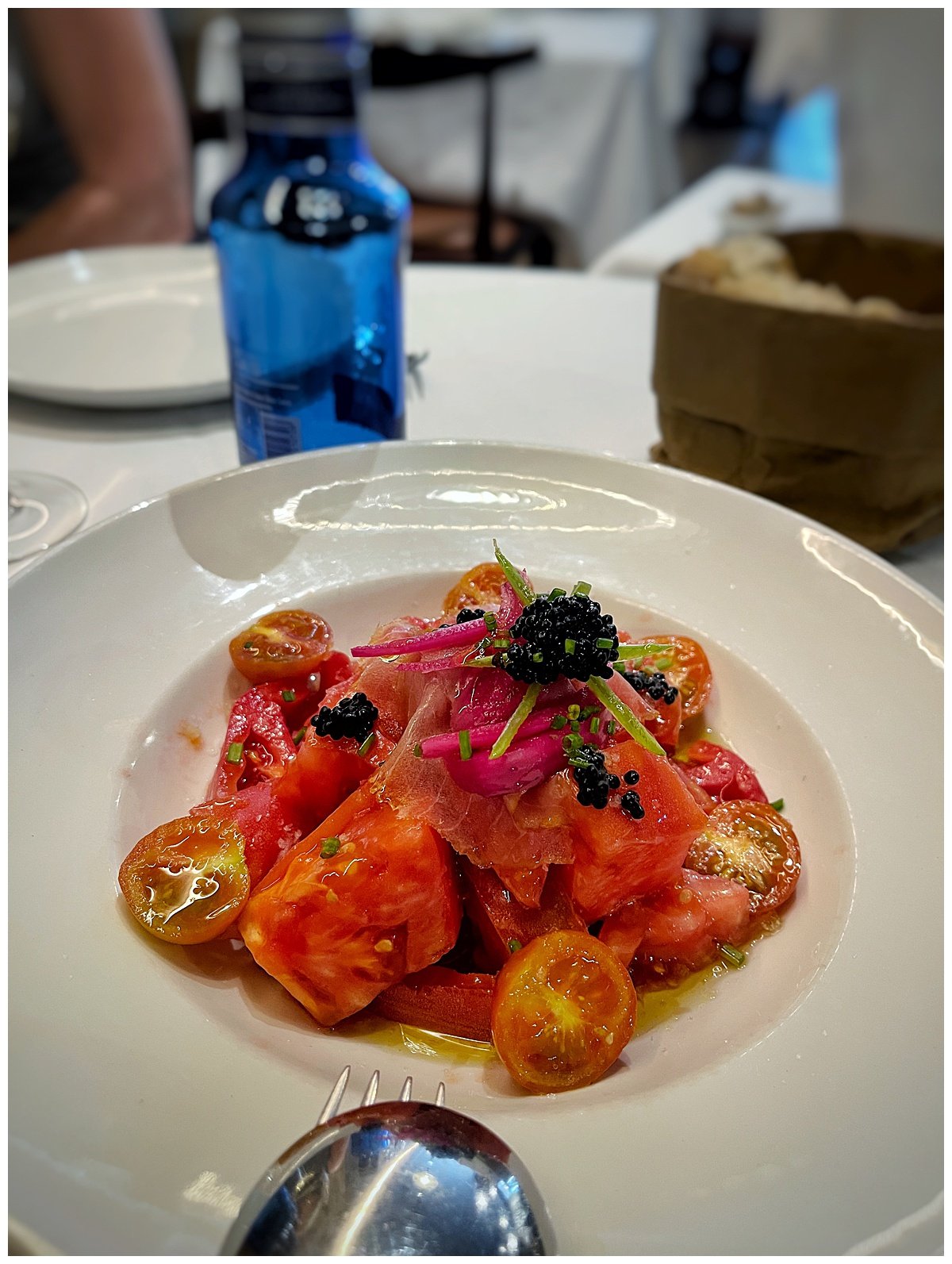
 The Tomato salad from La MaMA was the right-hand knockout blow I didn't see coming. My eyes are always drawn to rich, fatty meat dishes because I am, above all else, a savory eater. But this salad was every bit as savory as the Fabada at Cafe Hortensia, but better suited for the warm weather we experienced in Madrid. The Fabada is the dish I will attempt to create at home though . . stay tuned for that.
As I write this back in Austin, Texas while waiting for my son's late-night volleyball practice to end, I can't help but laugh.
There's a decent chance dinner tonight will come from a fast-food drive-thru.
Such is life.
But for one glorious week, life tasted like sweet and tart tomato salads, thirst quenching Asturian cider, savory jamón, and sherry.
The Tomato salad from La MaMA was the right-hand knockout blow I didn't see coming. My eyes are always drawn to rich, fatty meat dishes because I am, above all else, a savory eater. But this salad was every bit as savory as the Fabada at Cafe Hortensia, but better suited for the warm weather we experienced in Madrid. The Fabada is the dish I will attempt to create at home though . . stay tuned for that.
As I write this back in Austin, Texas while waiting for my son's late-night volleyball practice to end, I can't help but laugh.
There's a decent chance dinner tonight will come from a fast-food drive-thru.
Such is life.
But for one glorious week, life tasted like sweet and tart tomato salads, thirst quenching Asturian cider, savory jamón, and sherry.
 Sonic Tropical Heat Smasher Review: Should Burgers Be Sweet?
 What's on the Tropical Heat Sonic Smasher?
 Sonic Tropical Heat Smasher Review by the Numbers
 Taco Bell Shredded Beef Dipping Taco Review: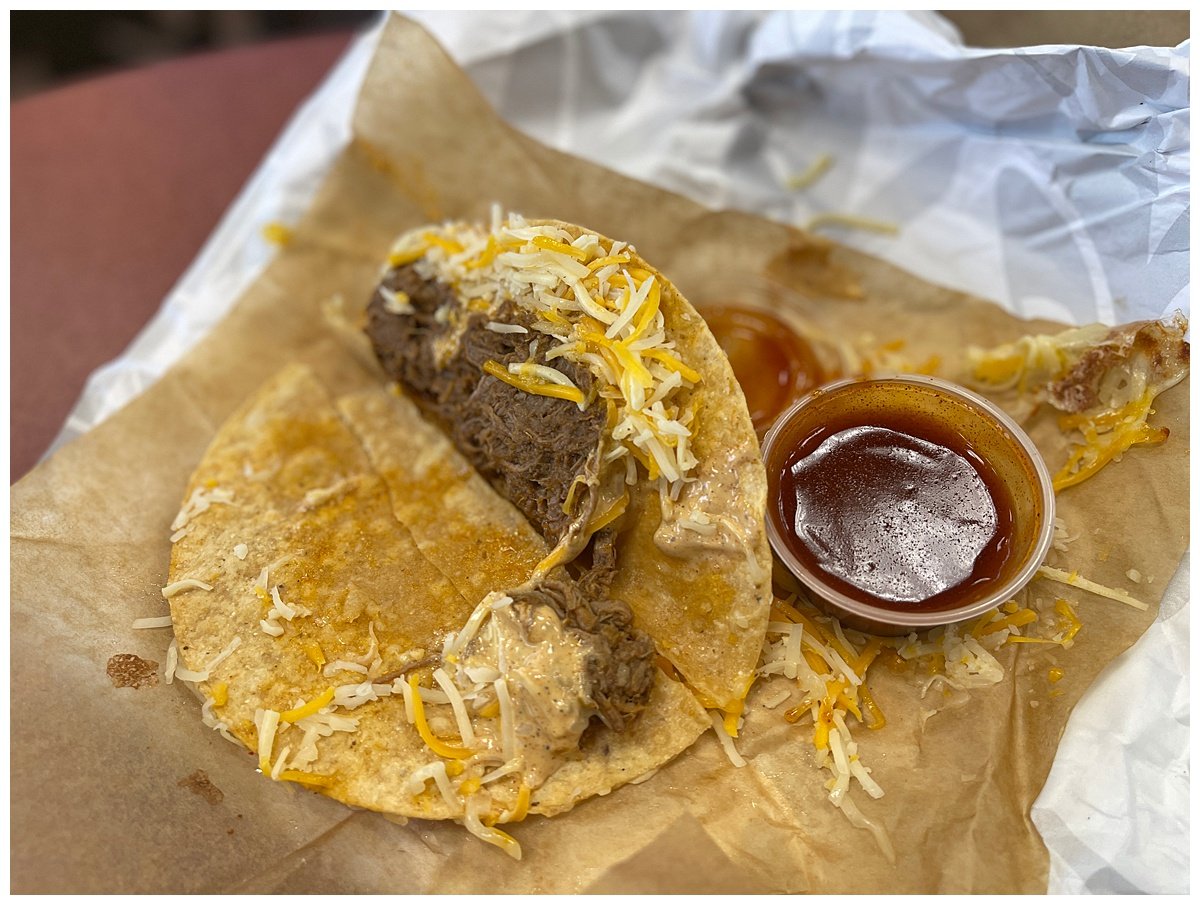
 Price Score: 5.8/10
 Freddy’s Steakburger Review:
 Taste Score: 7.2/10
 Price Score: 5.8/10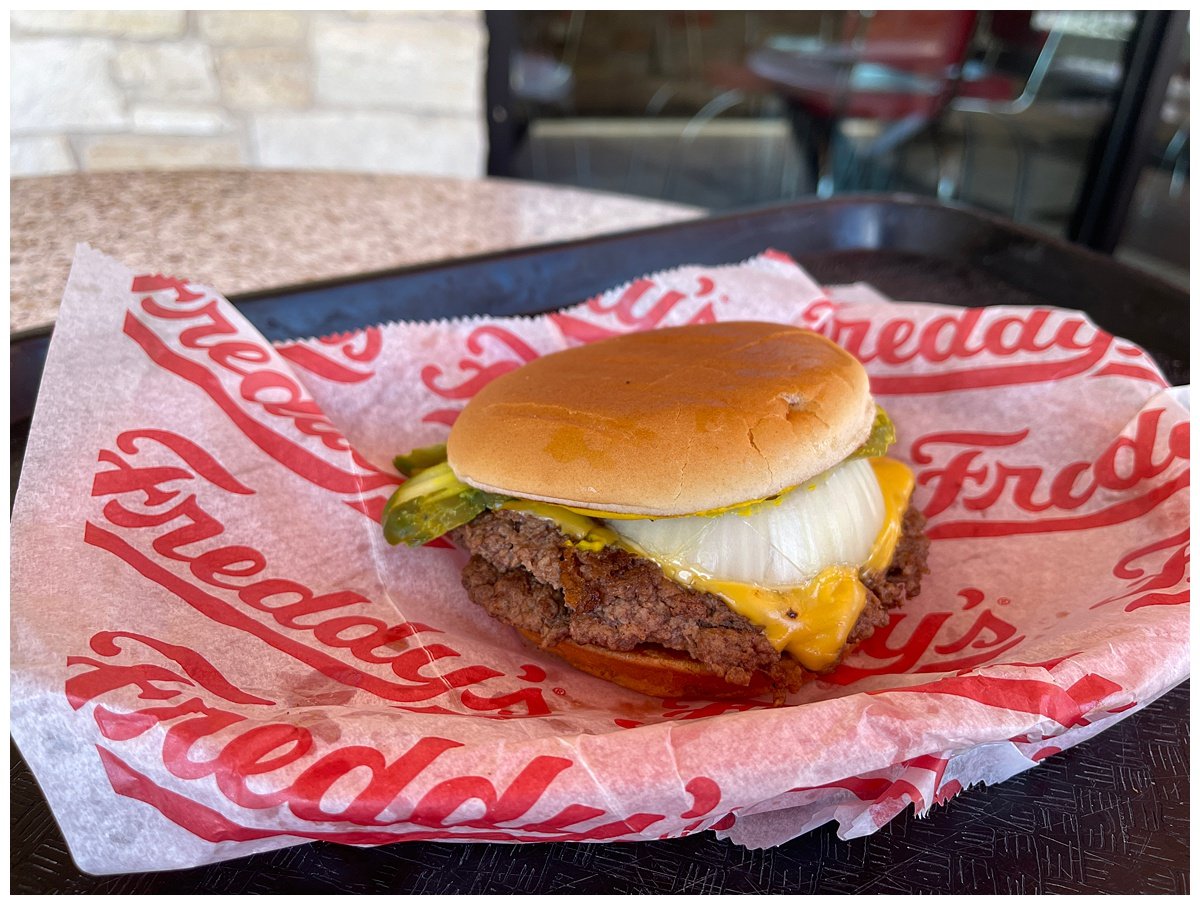
 Final Thoughts on Freddy’s Steakburgers
 Last Bite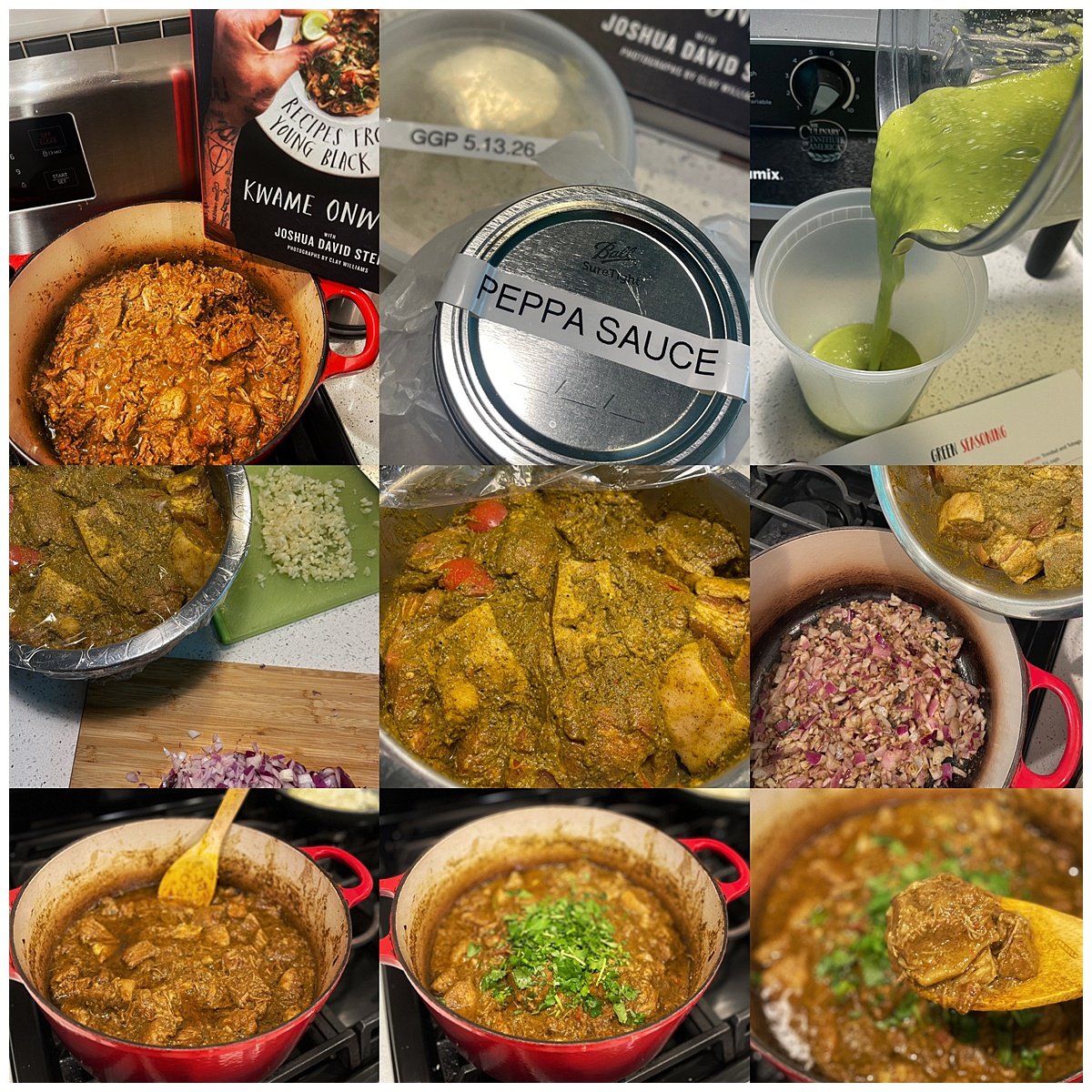
 Chick-fil-A Review: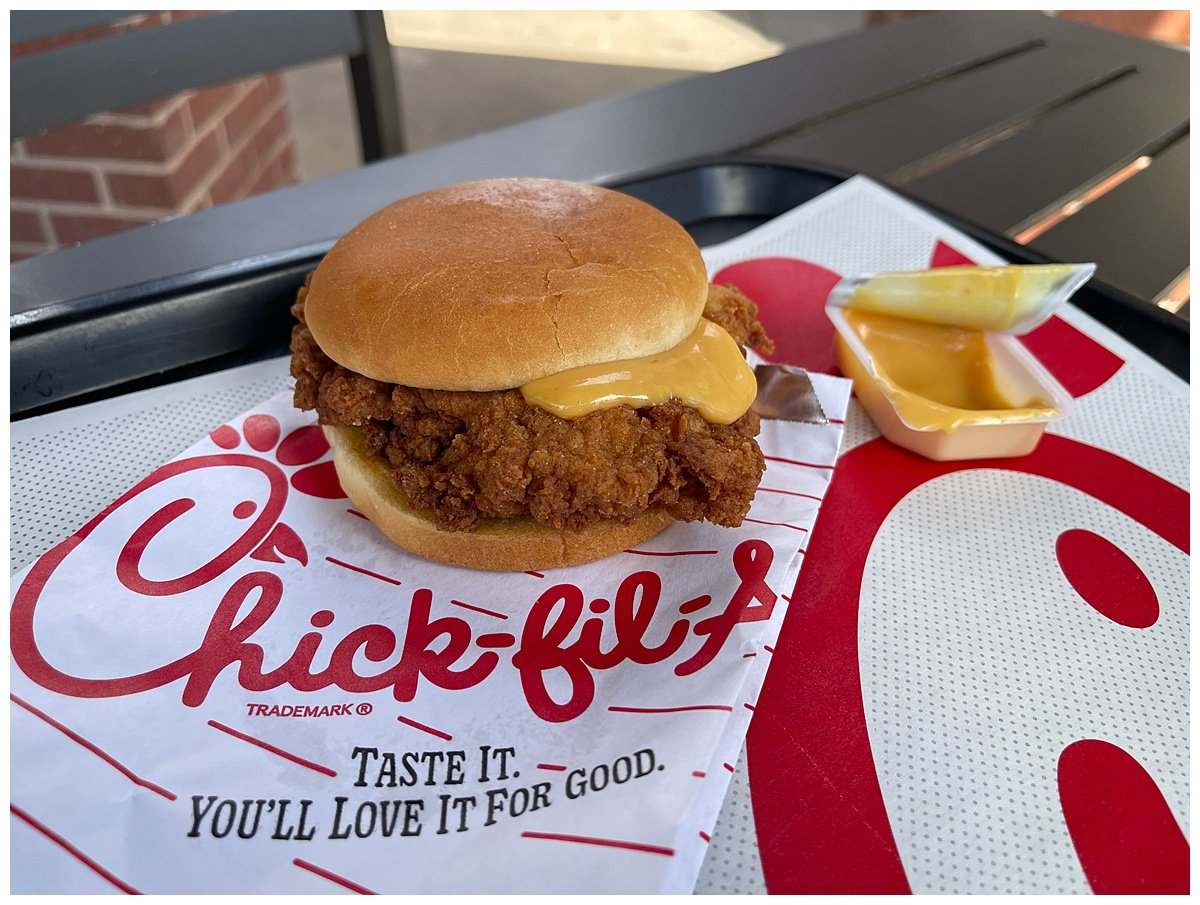
 Last Bite