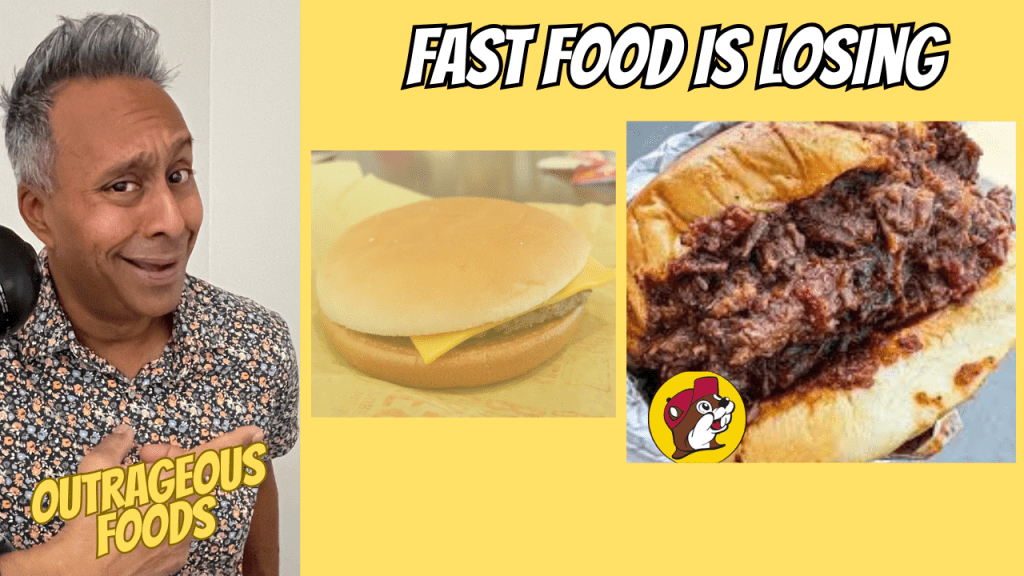
Fast food used to solve two problems: time and money.
You didn’t go to McDonald’s because it was amazing. You went because it was fast, predictable, and cheaper than cooking at home. It was the culinary equivalent of an emergency exit—never glamorous, but always reliable.
That deal is officially dead.
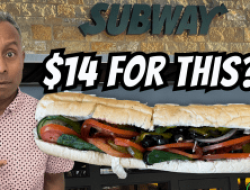
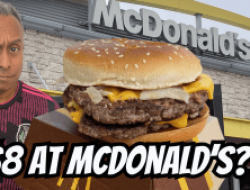
Fast food in 2025 is expensive, slower than advertised, and somehow still serving the same food it did in 2019—just with higher prices and smaller portions. Combo meals pushing $14. Delivery apps adding “convenience fees” that feel suspiciously like punishment. At some point, fast food forgot what it was supposed to fix.
And here’s the part nobody saw coming:
Gas stations noticed.
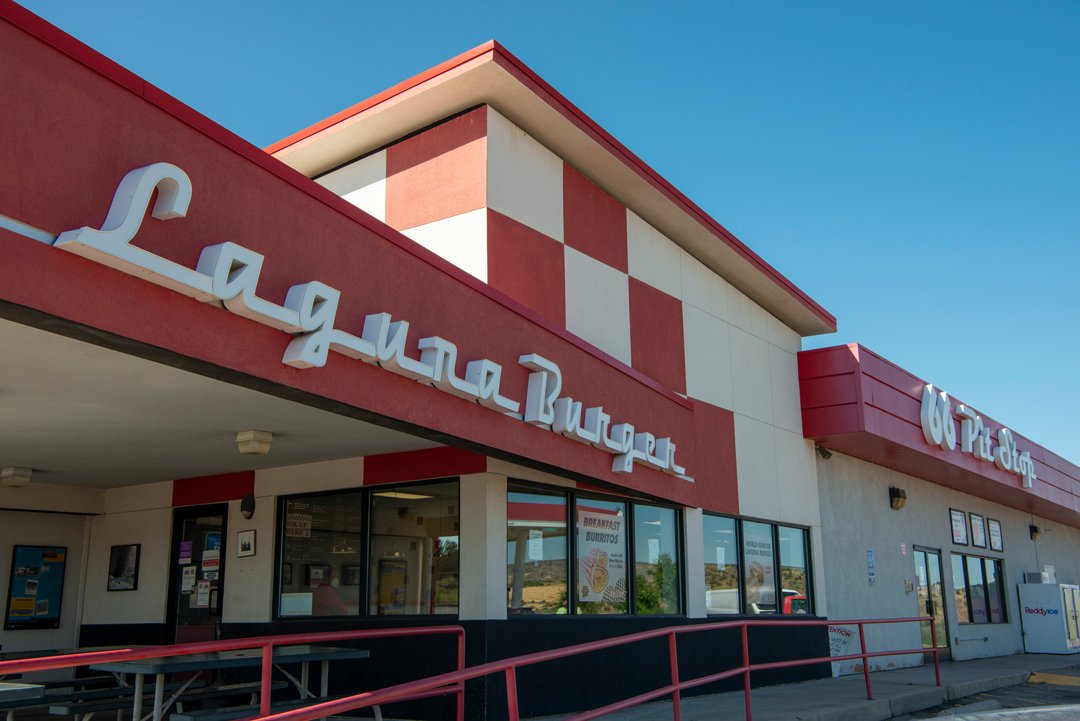
After publishing my episode on why gas stations are becoming the new fast food, my inbox and comment section lit up.
People weren’t arguing.
They were recommending.
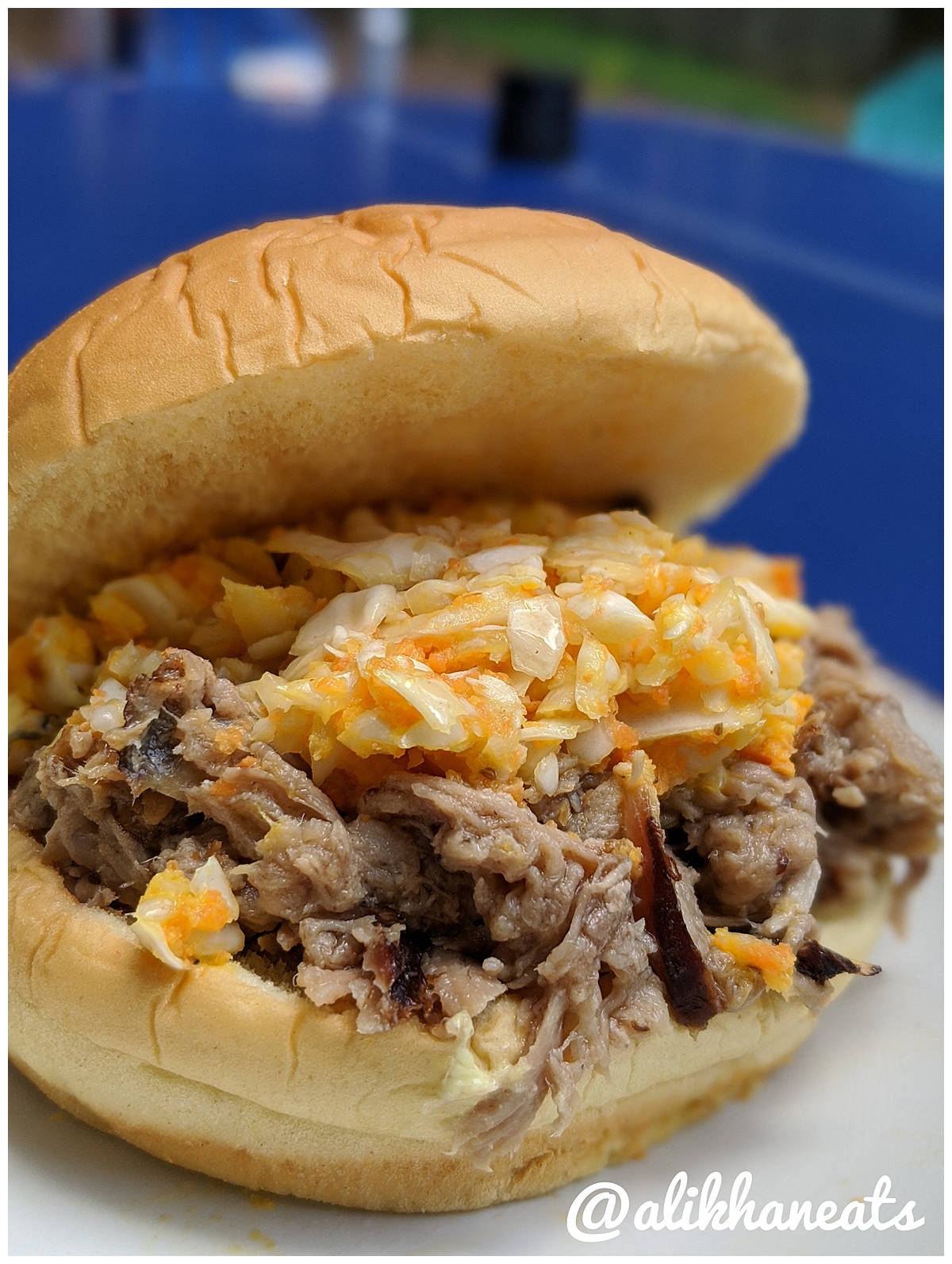
Burgers and tacos at Texas gas stations.
Fried chicken in Louisiana that locals swear by.
Late-night hoagies in Philadelphia that somehow outclass national sandwich chains.
Gas station food isn’t a punchline anymore—it’s a movement.
Creators like JL Jupiter have been documenting these spots for years, and now the broader food world is catching up. What used to be desperation dining has turned into something else entirely: value-driven, context-aware eating.
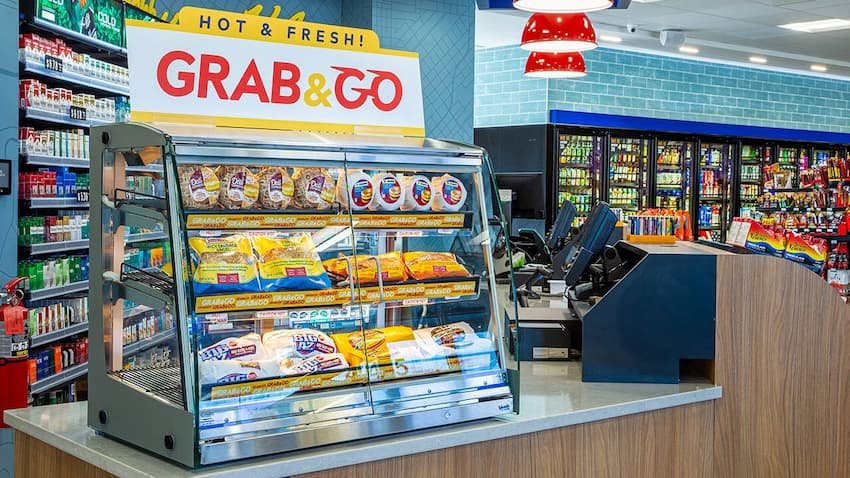
For decades, gas station food meant roller dogs and regret. You ate it only if hunger outweighed dignity.
But while fast food chains were busy chasing “premium” pricing and branding themselves like mid-tier restaurants, gas stations quietly upgraded—without pretending to be something they’re not.
Enter C-store cuisine.
Buc-ee’s.
Wawa.
Sheetz.
Casey’s.
These places asked a radical question:
What if we just fed people… reasonably well?
No judgment. No lifestyle branding. Just hot food, fast service, and prices that don’t make you question your life choices.
The secret isn’t culinary innovation—it’s context.
You didn’t plan to eat at the gas station. You’re already there. You’re hungry, tired, and probably mid-road trip. Expectations are low. And when something clears that bar—even slightly—it feels like a win.
That’s why a decent taco at a Chevron feels heroic.
That’s why a hoagie at 11:43 p.m. can feel emotionally stabilizing.
Gas stations don’t promise excellence. They promise convenience. And when they exceed expectations, people remember.
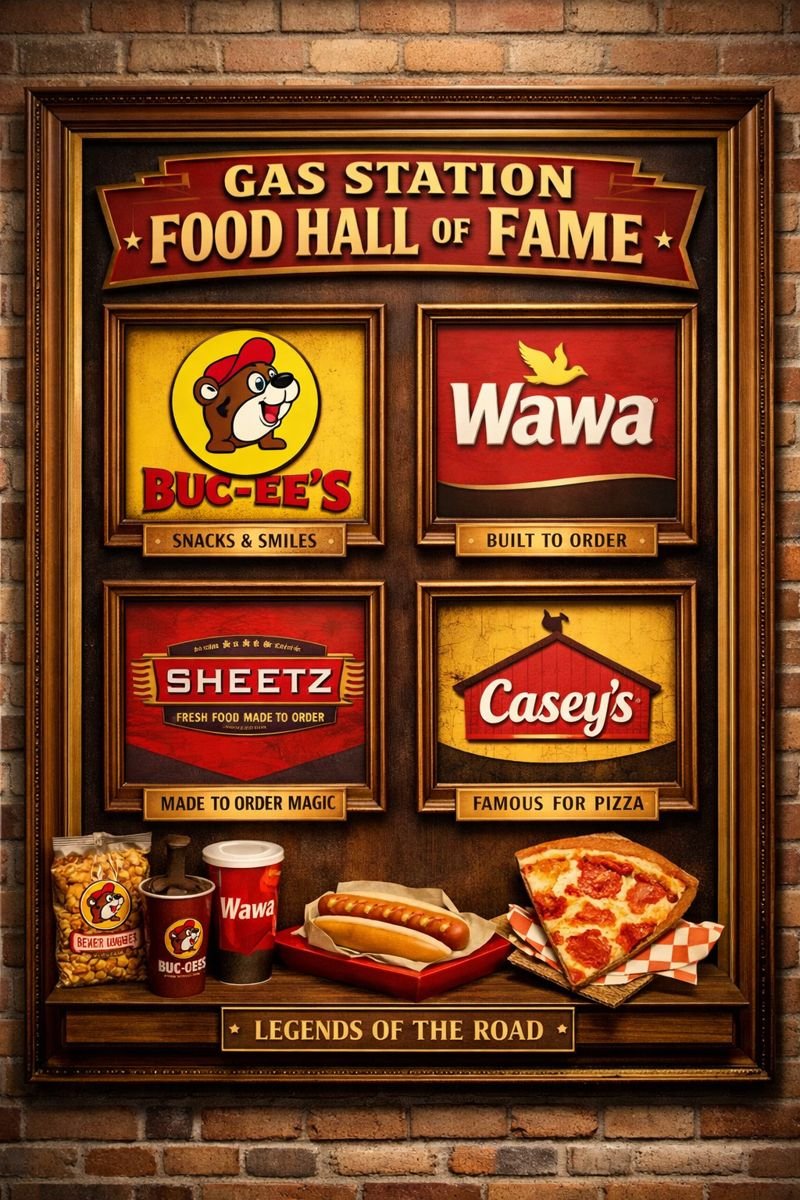
Wawa isn’t a gas station in the Northeast—it’s infrastructure. The company reportedly sells over 100 million hoagies a year, which tells you everything you need to know. Are they the best sandwiches you’ll ever eat? No. Are they the most reliable at midnight? Absolutely.
Buc-ee’s took things further. Somehow, America collectively agreed that brisket chopped next to windshield washer fluid was acceptable. Texas Monthly didn’t just review Buc-ee’s barbecue—they investigated it. That’s when you know something cultural has shifted. Is it the best BBQ in Texas? No. Is it good enough to plan a road trip around? Yes.
Sheetz leaned fully into indulgence. Mozzarella stick burgers. Loaded fries. Food that understands the assignment: comfort, speed, zero judgment.
Then there’s 7-Eleven, the wild card. Many U.S. locations are still playing hot-dog roulette. But 7-Eleven Japan? Elite. Their egg salad sandwich has its own fanbase, and plans are underway to bring versions of that model stateside. If they import the discipline—not just the product—they could change the game. If not, we’re still rolling the taquito dice.
Gas stations aren’t replacing fast food because they’re better restaurants.
They’re replacing fast food because people are tired.
Tired of overpaying.
Tired of upsells.
Tired of disappointment.
In an economy where value beats vibes, the places that win are the ones that feed you without asking questions. Gas stations understand that better than most brands chasing relevance on TikTok.
Fast food tried to become aspirational.
Gas stations stayed practical.
And practicality is winning.
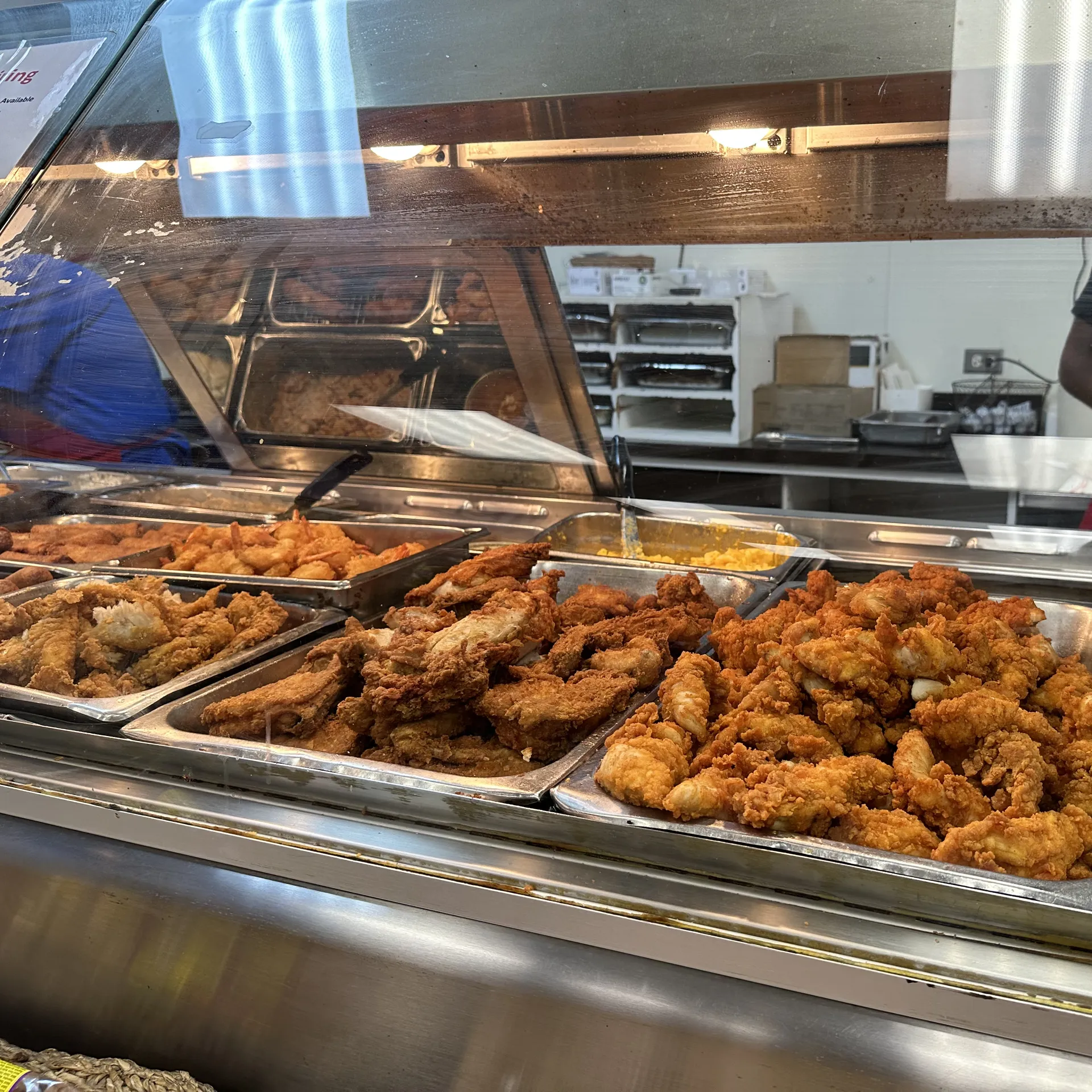
Not every gas station is good. Most are still a gamble. But the direction is clear.
The future of fast food isn’t a drive-thru.
It’s a hot case next to a gas pump.
And judging by the recommendations flooding my inbox—from Texas burgers to Louisiana fried chicken to Philly hoagies—the people have already voted.
In 2025, this makes perfect sense.





Leave a Reply