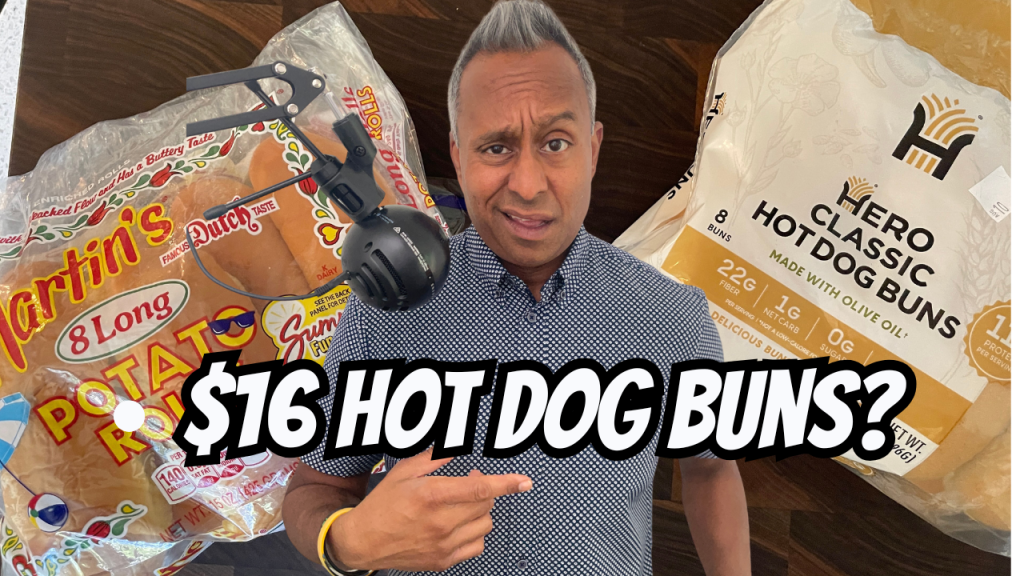

Healthy eating has a branding problem.
Or maybe it’s a pricing problem.
The other day I stopped into Sprouts Market because I needed hot dogs. I don’t shop there often—not because there’s anything wrong with the store, but because in Texas I’m spoiled by H-E-B. It’s one of those rare supermarkets that manages to balance quality and value in a way few grocery chains can.
I grabbed a pack of Boar’s Head natural casing hot dogs, one of my favorites. If you’ve never had them, they’re excellent: all beef, wonderfully salty and, most importantly, they have that unmistakable snap that only a natural casing can deliver.
Then I walked over to the bread aisle.
That’s where I stopped in my tracks.
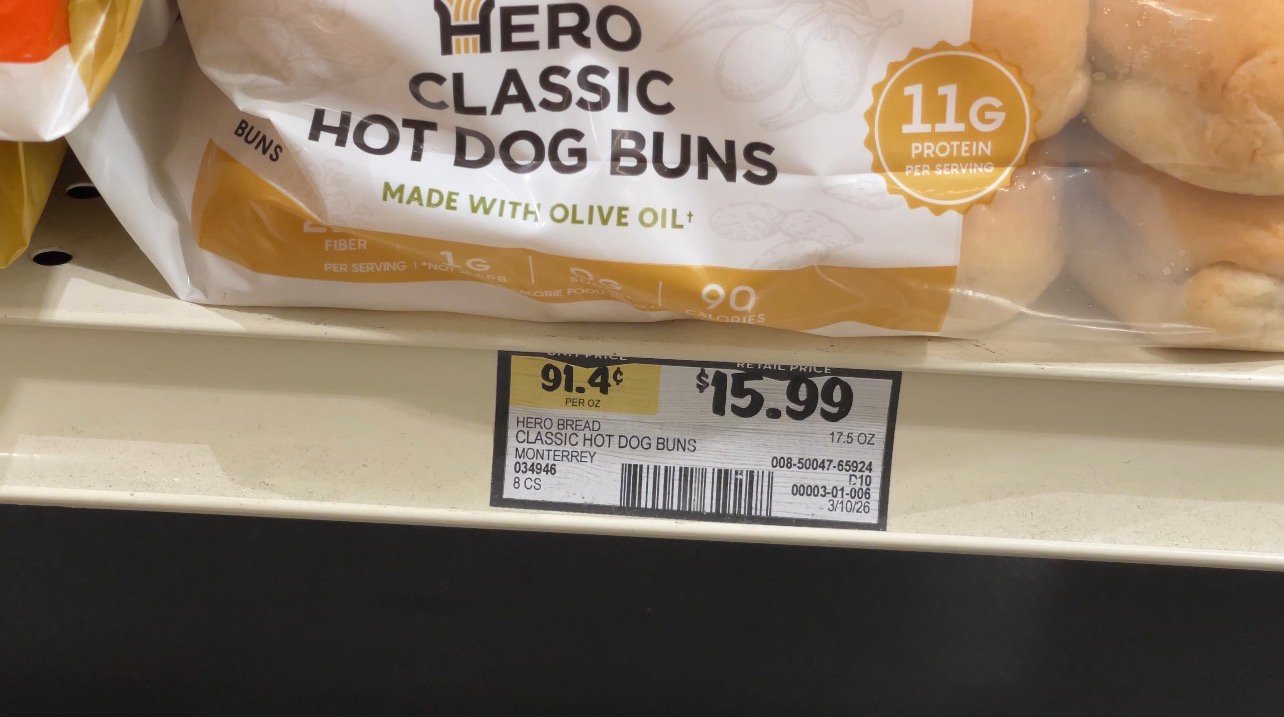
A package of Hero Bread hot dog buns was priced at $15.99.
For context, the premium hot dogs I had just picked up cost about $12 for seven. Even before they went on sale, the buns were more expensive than the meat.
That felt backwards.
To be fair, Hero Bread isn’t trying to sell ordinary hot dog buns.
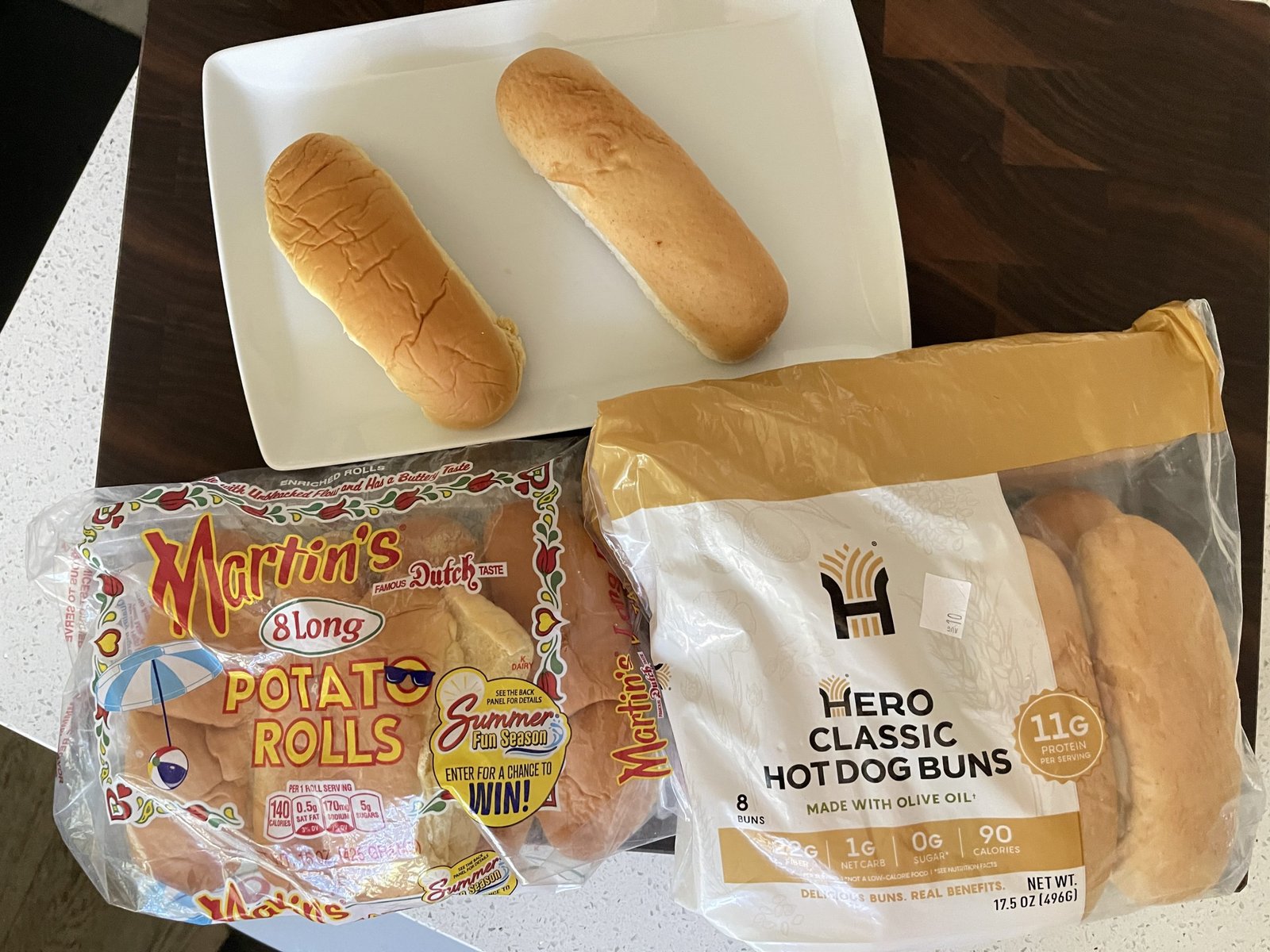
Their claim to fame is that they’re low carb, high fiber, and marketed as having zero net carbs while containing significantly fewer calories than a traditional bun.
Compared to the Martin’s Potato Rolls I bought for comparison, the Hero buns cut the calories by roughly a third. That’s not marketing fluff—that’s a meaningful nutritional difference for people who are counting calories or following a lower-carbohydrate diet.
That’s an impressive bit of food science.
The question is whether it’s worth paying four times as much.
The first surprise was that I didn’t dislike them.
That’s actually a compliment.
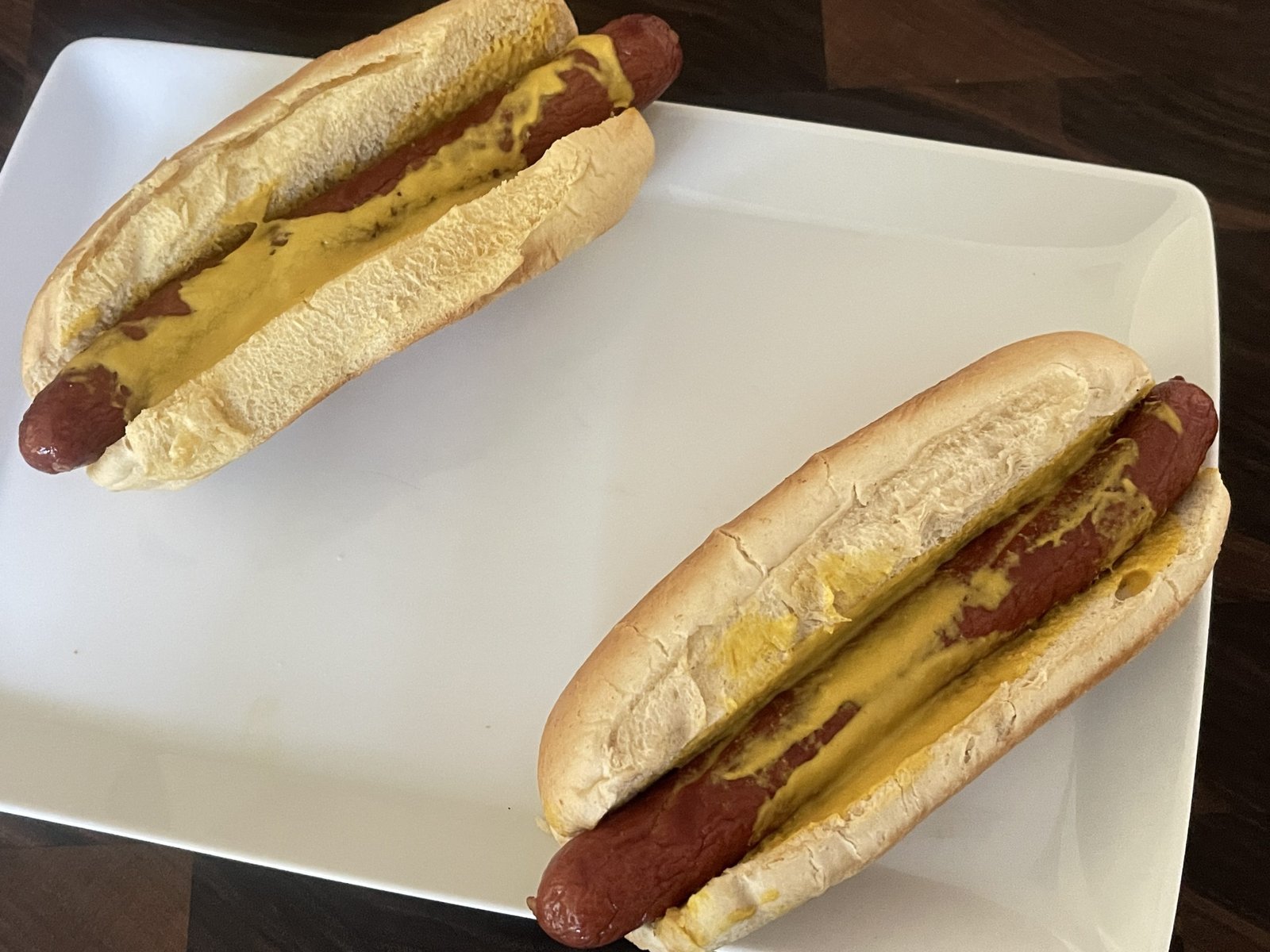
Health-focused substitutes often disappoint because they’re trying to imitate something familiar while sacrificing flavor or texture. Hero Bread avoids that trap. The bun toasts well, holds together and tastes perfectly acceptable.
But “perfectly acceptable” isn’t the same thing as better.
In a side-by-side comparison, I still preferred the Martin’s Potato Roll.
Not because it was richer or more flavorful, but because it got out of the way. A good hot dog bun shouldn’t compete with the hot dog. It should quietly do its job, letting the sausage remain the star of the show.
Hero Bread accomplished that too.
It just didn’t do it four times better.
 The Real Surprise Wasn’t the Bun
After the episode aired, plenty of viewers pointed out that the whole point of Hero Bread is serving people who are trying to reduce carbohydrates or calories.
They’re right.
In fact, I understand that perspective better than most.
In 2022, while working to reverse prediabetes, I paid much closer attention to what I was eating and ended up losing a significant amount of weight. Cutting calories mattered, and bread is one of the easiest places to reduce them.
So this isn’t an argument against healthier products.
It’s an argument about price.
When I got home, I looked up the exact same Hero buns. Walmart sold them for about $11. Randalls, a local market chain sold them for $9. And reality check, that is still expensive.
And yet only Sprouts—the grocery chain that heavily markets itself around healthy living—was asking sixteen dollars.
That’s what bothered me.
Stores like Sprouts and Whole Foods have built brands around healthier choices.
There’s nothing wrong with that.
The problem comes when consumers begin associating healthy eating with paying the highest possible price.
Healthy food shouldn’t require luxury pricing.
That’s especially important when we talk about communities that already struggle to access fresh groceries. We often hear the term “food desert” to describe neighborhoods with limited access to supermarkets and fresh produce. If healthier choices are consistently marketed as premium products, they become even less accessible to the people who could benefit from them most.
Hero Bread isn’t the villain here.
It’s actually a respectable product for something that significantly cuts calories while not sacrificing flavor.
But paying $16 for a package of hot dog buns illustrates something larger about modern grocery shopping. Sometimes we’re paying for innovation.
Sometimes we’re paying for branding.
And sometimes we’re paying because a retailer knows that “healthy” carries a premium.
Those aren’t always the same thing.
I’d happily recommend Hero Bread to someone looking for a genuinely lower-calorie, lower-carb bun.
I wouldn’t recommend paying $16 for it.
That’s the distinction.
Healthy eating shouldn’t mean paying the highest price on the shelf. Sometimes the smartest grocery shopping isn’t finding the healthiest label—it’s finding the healthiest value.






Leave a Reply